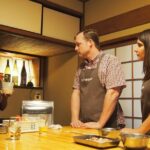
The heart of this class is not just eating sushi, but learning how to shape it yourself. In Higashi-osaka, Chef Yuki teaches you to make nigiri and several kinds of rolls, with hands-on practice that can take you from a first attempt to a meal worth sharing.
I like two things in particular: you work with fresh ingredients and traditional seasonings, and the lesson covers more than one sushi form, including nigiri, hosomaki, and futomaki. The optional sake set adds a useful tasting lesson, comparing chilled junmai and junmai ginjo with warm sake.
The main consideration is the location. The class is in Higashi-osaka, not central Osaka, and the supplied directions name both a station pickup and more than one address. Confirm the meeting details before setting out, and allow time for the train journey.
At a glance
- Shape nigiri by hand: Learn to make the compact, hand-formed sushi that is a good test of rice handling and proportion.
- Try several roll styles: The course covers hosomaki and futomaki, with tamagoyaki techniques included in the teaching.
- Make a full meal: The class includes lunch, and past class menus have included miso soup alongside sushi.
- Add a three-sake comparison: The optional pairing includes two chilled sakes, junmai and junmai ginjo from the same brand, plus one warm sake.
- Cook with Chef Yuki: The three-hour session is led in English or Japanese, with instruction designed for active participation.
- Plan for Higashi-osaka: The class location is outside central Osaka, so factor in the train ride and confirm the exact pickup point.
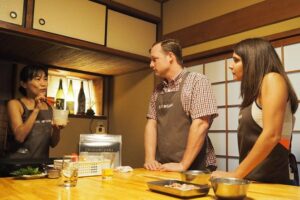
👉 See our pick of the 24 Best Workshops And Classes In Osaka
- At a glance
- A sushi lesson built around making, not watching
- From nigiri to futomaki, one skill at a time
- What the teaching style means for beginners
- The optional sake pairing, and how to taste it
- Three hours in Higashi-osaka
- Is the price worth it?
- Who should book this class?
- Should you book it?
- FAQ
- How long is the sushi-making class?
- Where does the class take place?
- What sushi will I learn to make?
- Is lunch included?
- What is included in the sake pairing?
- What languages are used for instruction?
- What are the available start times?
- Can children join the class?
- The Best Of Osaka!
- More Workshops & Classes in Osaka
- More Tours in Osaka
- More Tour Reviews in Osaka
- Not for you? Here's more nearby things to do in Osaka we have reviewed
A sushi lesson built around making, not watching
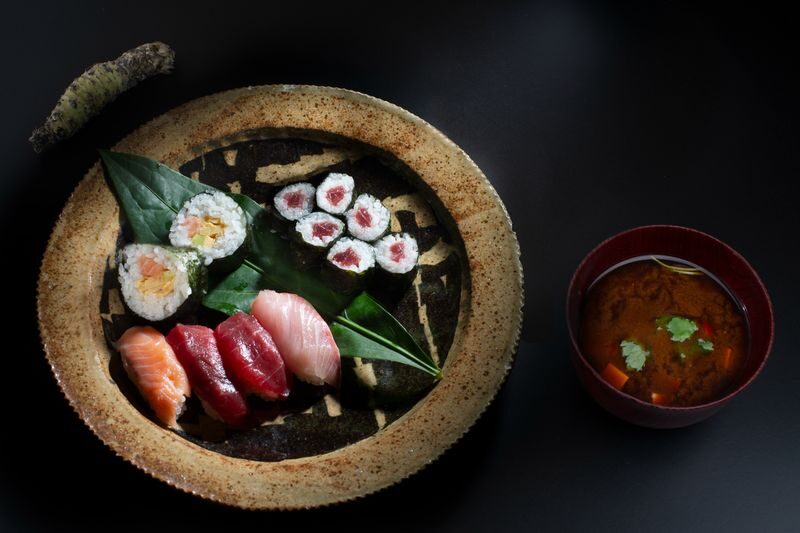
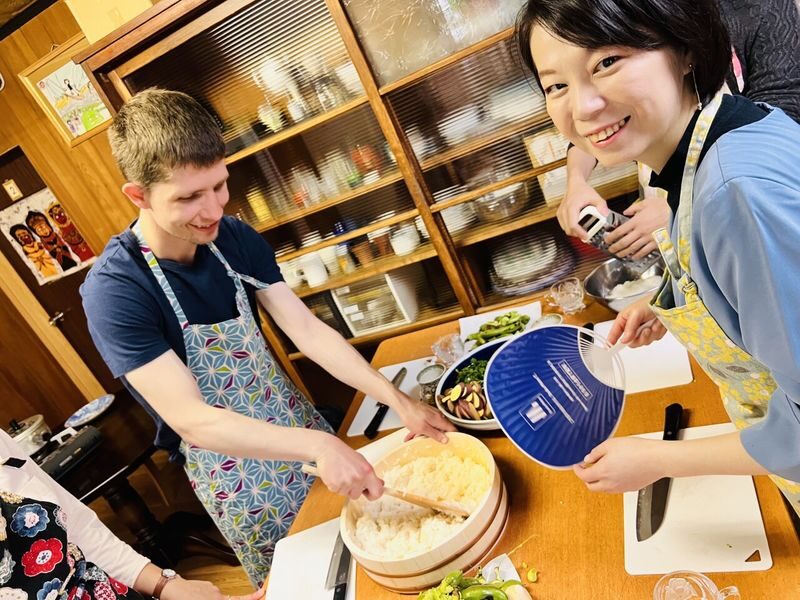
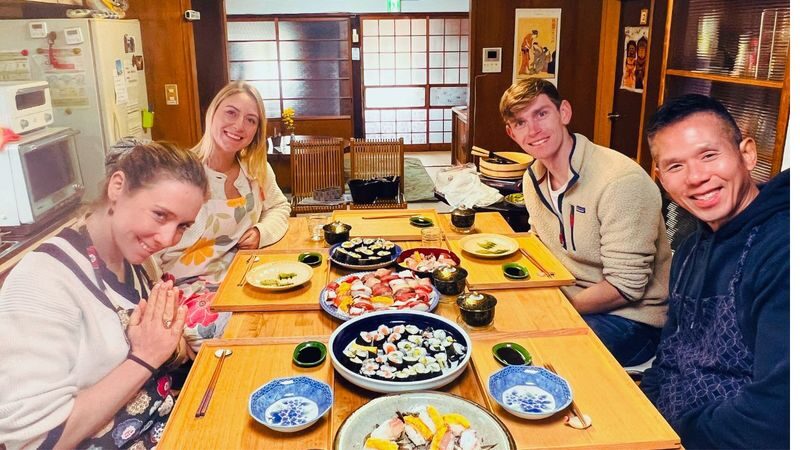
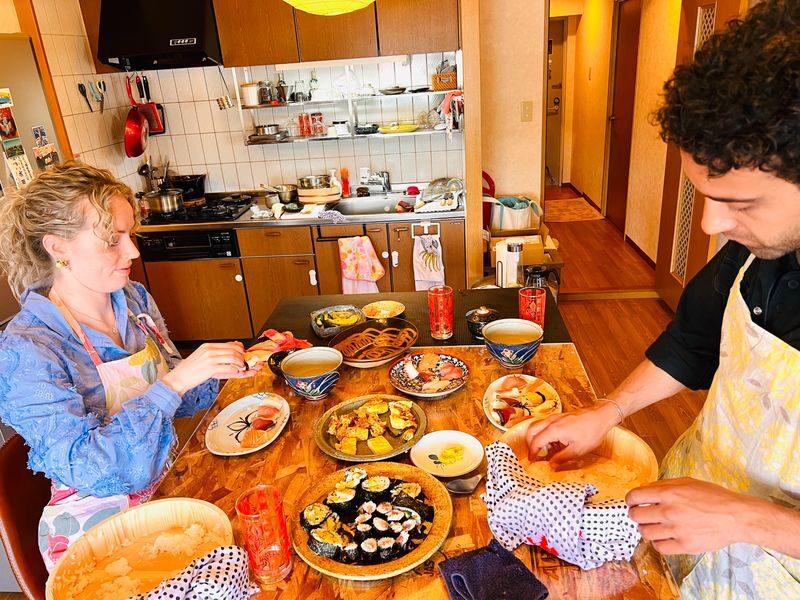
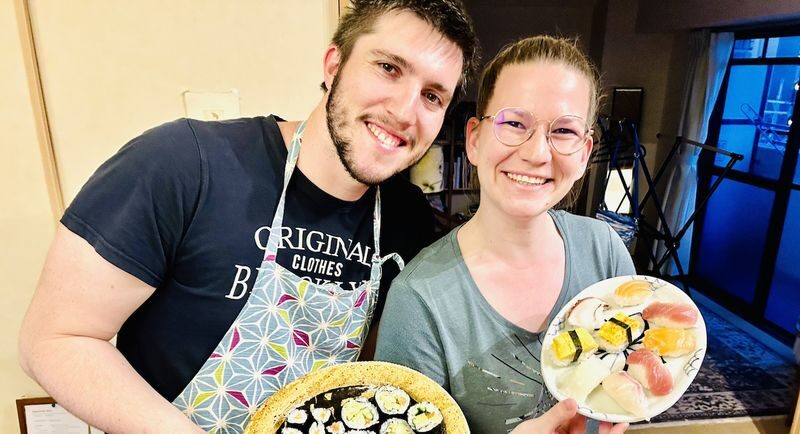
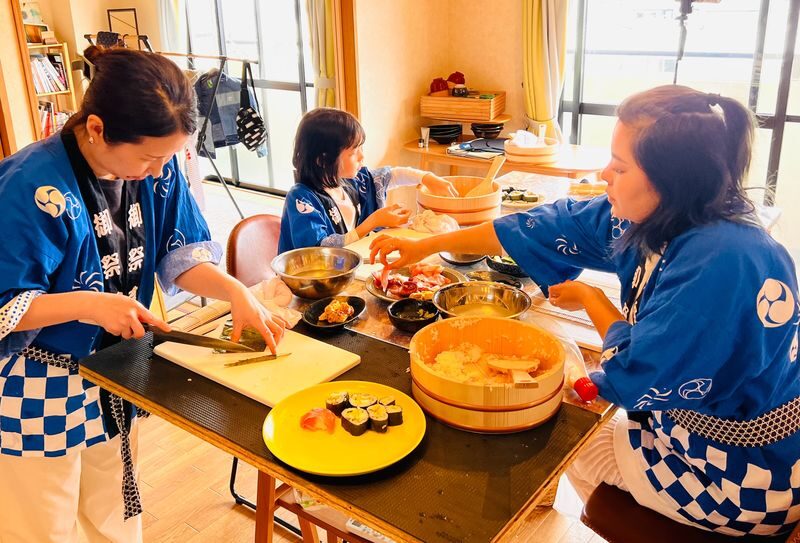
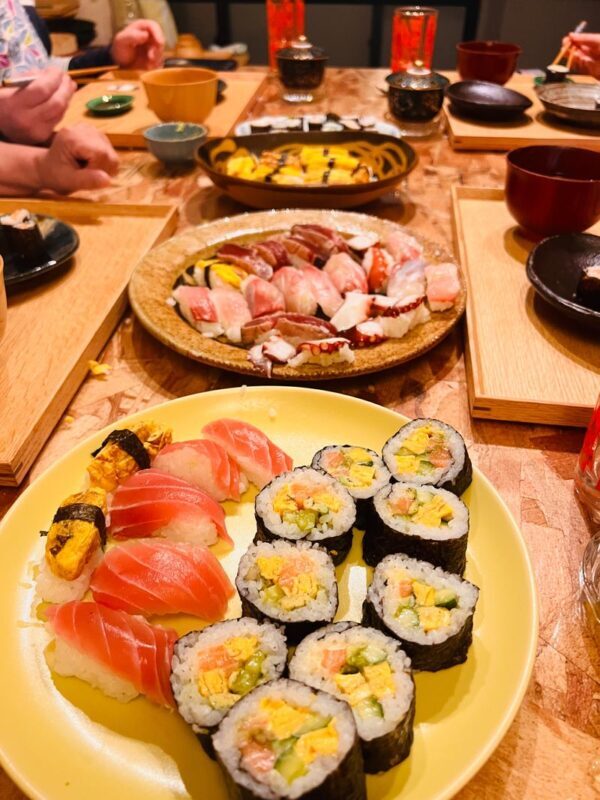
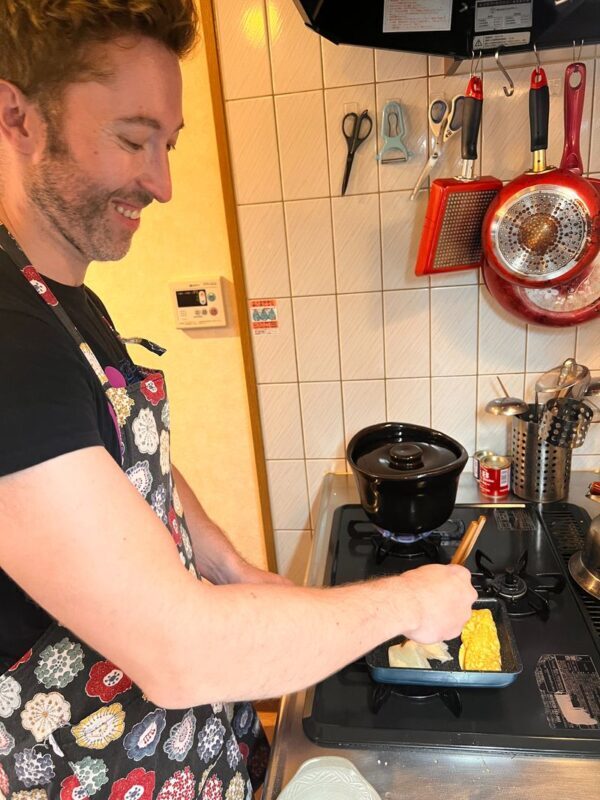
Chef Yuki’s class is for people who want to understand the practical craft behind sushi, not just watch someone else handle the knife and rice. You get to make the food yourself, with guidance through nigiri, thin rolls, and larger futomaki. That range matters: one lesson lets you practice a few different skills rather than repeating a single recipe.
The course is presented as a three-hour experience, with lunch included. Its focus is hands-on learning, and the menu can change with the season and ingredient availability. That flexibility is normal for a cooking class built around fresh produce and fish, but it means you should think of the named dishes as a guide to the skills, not a guaranteed fixed menu.
Chef Yuki has more than a decade of experience and learned from a sushi master. The appeal here is the chance to ask questions while you work. The class is described as suitable for beginners, and the instruction is in English or Japanese, so you do not need to arrive with knife skills or prior sushi practice.
You can also read our reviews of more tours and experiences in Osaka



From nigiri to futomaki, one skill at a time
Nigiri is a useful place to learn the basics because small differences in rice shape and handling affect the finished piece. You practice forming rice by hand and pairing it with a topping. The point is not to produce restaurant-perfect sushi on the first try. It is to learn the feel of the rice and how to make a piece that holds together without being packed too tightly.
Hosomaki, the slim roll, asks you to manage filling and shape with a lighter touch. Futomaki is larger and gives you room to work with more than one filling. Together, the two rolls make a good lesson in proportion: a roll needs enough filling to taste balanced, but not so much that it becomes difficult to close or slice.
Tamagoyaki, the Japanese rolled omelette, is another useful skill included in the course description. It can be a fiddly first attempt, especially if you have not made an omelette in layers before. That is part of the charm of a cooking class: you learn a technique that is easier to understand with a teacher beside you than from a finished plate.
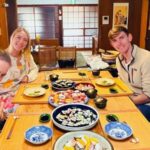
Past class menus have also included miso soup, and the meal is part of the experience rather than an extra stop afterward. The food you make becomes lunch, so the class offers both a practical lesson and a chance to sit down with the results. Plan on arriving hungry, especially if you enjoy tasting as you go.
What the teaching style means for beginners
The class is built around clear, step-by-step instruction. Chef Yuki is described as patient and encouraging, and the teaching is meant to help beginners follow each stage without feeling rushed. That approach suits a first cooking class in Japan, where learning the method can be as valuable as the meal.
The experience also reaches beyond sushi. Participants have learned Japanese cooking techniques alongside the main lesson, and the recipe instructions are provided for taking home. That gives you something to use after the trip, rather than leaving with only a few photos and a full stomach.
The class has been described as a small, close-feeling experience, but an exact group size is not specified. If you value one-to-one attention, ask about the expected class size when booking. The activity is listed as a join-in class, so do not assume it will be private unless that is confirmed.
The optional sake pairing, and how to taste it
The sake add-on includes three 45-milliliter pours per person: chilled junmai, chilled junmai ginjo from the same brand, and one warm sake. Comparing two sakes from one producer gives you a simple way to notice how style affects aroma and taste. The warm pour adds a second comparison, since serving temperature can change the way sake comes across.
A practical tip for the pairing: taste a bite of sushi first, then take a sip. Pay attention to how the drink changes the fish’s flavor. Light, dry sake can work well with white fish or shellfish, but the class gives you a chance to test combinations and decide what you like.
The regular sushi course starts at US$94.85. The sushi course with sake pairing starts at US$106.19, a difference of US$11.34 at the listed starting prices. If you enjoy sake or want a guided introduction to tasting it, that is a modest extra for three small pours. If your main goal is learning to cook, the standard option already includes the lesson and lunch.
Three hours in Higashi-osaka
The session begins at the cooking class location in Higashi-osaka and returns to the same area. Available start times are listed as 10:00 and 16:30, with return times of 13:00 and 19:30 respectively. The total duration is listed as three hours, though the overview also describes the class as two and a half hours. Treat three hours as the safer block in your day, and avoid scheduling a tight connection afterward.
The supplied directions say Chef Yuki will pick you up at Higashi-Hanazono Station and walk with you to the venue. They also give a venue address of 4-5-40 Yoshida, while the meeting point is listed as 4-19 Nukatacho. Those details do not match, so confirm the precise pickup and destination after booking rather than relying on a map pin alone.
The train ride from Namba is listed as about 20 minutes. You still need time to reach the correct station and find the meeting point. Arrive one minute before your selected departure time, as late arrivals and no-shows are not refundable. The voucher is mobile, and the activity is valid only for the date and time you booked.
You can also read our reviews of more tours and experiences in Osaka


Is the price worth it?
At US$94.85, this is not a bargain meal, but it is more than lunch. You are paying for a three-hour cooking lesson, ingredients, instruction, and a meal you prepare yourself. That can be good value if you want a lasting skill and enjoy taking part in the cooking. If you are only looking for an inexpensive sushi lunch, a restaurant will cost less and take less time.
The class becomes more appealing if you want an activity that connects food with local culture. You learn the difference between sushi forms by making them, and you can ask why a particular technique matters while trying it. Recipes to take home also give the session value after your visit to Osaka.
The sake add-on is priced separately, so compare the options based on your interest in tasting. You do not need it to get the central experience. The course itself includes lunch, while personal expenses beyond the class are not included.
Who should book this class?
I would put this class high on the list for curious cooks, sushi fans, and visitors who want a participatory break from sightseeing. It is particularly suited to beginners: the course is designed around direct instruction, and the lesson covers several techniques rather than assuming you already know the basics.
It can also work well for families, with a few age rules to keep in mind. Children aged 0 to 6 are free. Children aged 1 to 13 must come with a paying adult, and those aged 14 or older pay the adult rate. Since the youngest age group overlaps with the accompaniment rule, check the specific terms for your party before booking.
You may want to skip it if your schedule is packed or you are staying far from Higashi-osaka. The class takes a half-day once you include the journey, and the meeting details deserve a quick check. But if you can set aside the time, the mix of cooking, lunch, and optional sake offers a more personal food experience than simply ordering sushi at a counter.
Should you book it?
Book this class if you want to learn sushi by doing, and if making nigiri, rolls, and miso soup sounds as appealing as eating them. Chef Yuki’s hands-on teaching and the range of techniques are the main reasons to go. Choose the sake option if tasting different styles is part of your interest, and confirm the exact meeting point before you travel to Higashi-osaka.
If you want a quick meal or prefer to stay in central Osaka, this is probably not the best fit. For anyone willing to make the trip, it offers practical cooking skills, lunch, and a closer look at Japanese food traditions in one compact session.
Sushi making class in Osaka: Mastering Sushi (3 Hours)
“She is amazing! She is very knowledgeable and explains what to do thoroughly. It is such a fun class! She is very encouraging and very kind. I lear…”
FAQ
How long is the sushi-making class?
The experience is listed as three hours. The overview also describes it as two and a half hours, so it is sensible to leave a full three-hour block in your schedule.
Where does the class take place?
The cooking class is in Higashi-osaka at Yuki Wada Cooking Classes. The directions say Chef Yuki will meet you at Higashi-Hanazono Station and walk with you to the venue.
What sushi will I learn to make?
The course covers nigiri, hosomaki, and futomaki. Tamagoyaki techniques are also included in the class description.
Is lunch included?
Yes. Lunch is included, and the food you prepare forms part of the meal.
What is included in the sake pairing?
The pairing includes three 45-milliliter servings per person: chilled junmai, chilled junmai ginjo from the same brand, and one warm sake.
What languages are used for instruction?
Instruction is available in English or Japanese.
What are the available start times?
The listed start times are 10:00 and 16:30. The corresponding return times are 13:00 and 19:30.
Can children join the class?
Children aged 0 to 6 are free. Children aged 1 to 13 must be accompanied by a paying adult, and children aged 14 or older pay the adult rate.