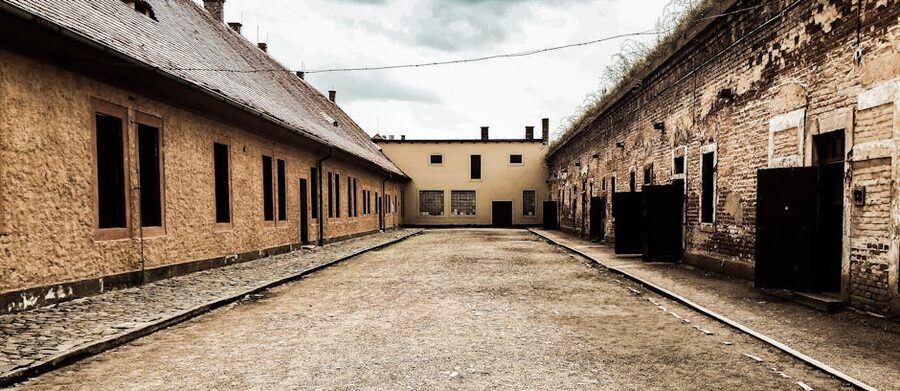
A traveller I read about boarded the 413 bus at Letňany station in Prague, suitcase nowhere in sight, dressed for a regular day out. The driver took one look at her, said “Terezín?” and waved her to a seat near the front so he could tell her when to get off. He didn’t need to ask why she was going. He knew. Everyone on that bus was going to the same place.
Terezín is a Holocaust memorial about 60 km north of Prague, built inside an 18th-century fortress town that the Nazis turned into a Jewish ghetto and a transit camp for Auschwitz. Around 150,000 Jews passed through here. Roughly 33,000 died inside the ghetto from starvation and disease. Another 88,000 were sent on to the death camps. This is not a sightseeing day trip. It’s a memorial visit, and it deserves to be approached as one.
- In a Hurry?
- What Terezín Actually Is
- The Three Ways to Book
- Tours Worth Booking
- 1. From Prague: Terezín Concentration Camp Guided Tour with Audio:
- 2. From Prague: Tour of Terezín Concentration Camp:
- 3. Terezín Concentration Camp Day Tour from Prague: .70
- What You’ll See on a Visit
- The Ghetto Museum
- The Magdeburg Barracks and Smaller Sites
- The Crematorium and the Memorials by the River
- How Long the Visit Takes
- How to Approach the Visit
- Practical Booking Notes
- If You’re Combining Terezín With Other Prague Day Trips
- Pairing With the Saxon Switzerland Day
- Before You Go
- The Visit, in One Line
In a Hurry?
Three booking shapes for Terezín. All depart from central Prague, all return the same day. Pick by what you want from the visit.
- Audio-guide coach tour, $69: the most-booked option, comfy bus from central Prague, audio commentary on the way and a guide on site. Check availability
- Walking-tour-led with on-site guide, $66: 5 hours, smaller-scale, the guide walks you through both the Small Fortress and the Ghetto. Check availability
- Longer 6-hour day tour, $78.70: a slower pace if you’d rather not feel rushed inside the fortress. Check availability
What Terezín Actually Is
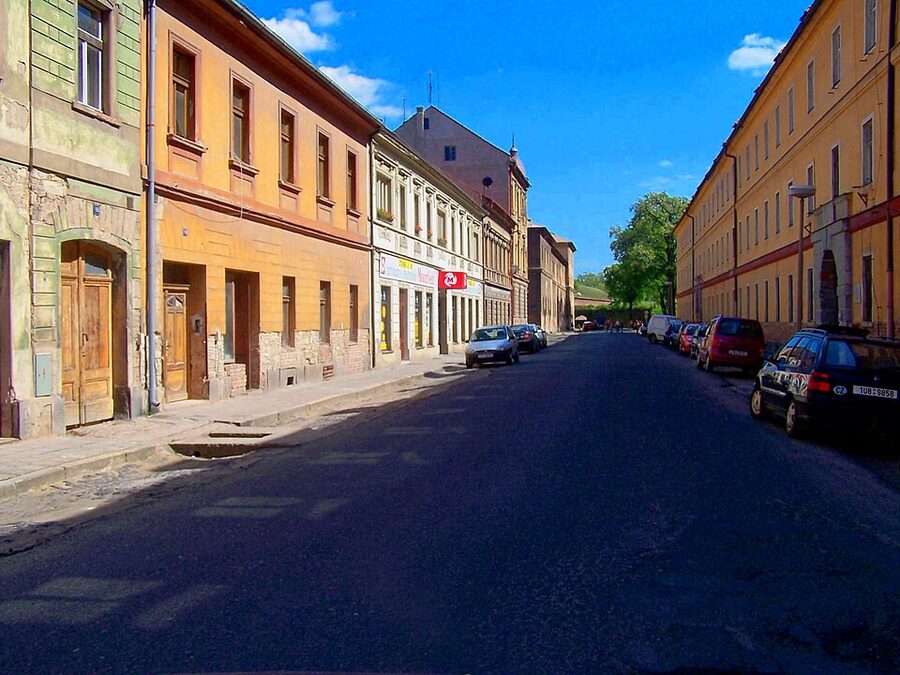
Terezín is two things in one place. The first is the Small Fortress, a former Habsburg-era prison the Gestapo took over in 1940 and used as a political prison. The second is the town of Terezín itself, which the Nazis emptied of its Czech residents and turned into a sealed Jewish ghetto called Theresienstadt. Most visitors see both on the same day. They sit about a 15-minute walk apart.
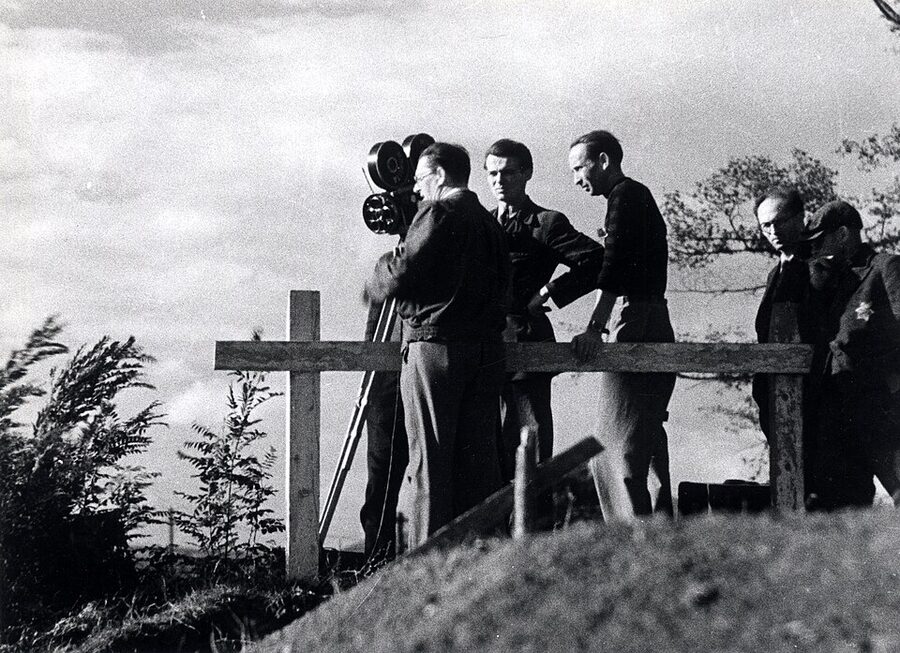
The ghetto was a transit camp. Jews from across the German-occupied territories were brought to Terezín, held in horrific conditions, and then put on trains to Auschwitz, Treblinka and other death camps. The Nazis also used Terezín as a propaganda set. They cleaned it up for a Red Cross delegation in 1944, planted flowers, opened fake cafés, and even forced a Jewish filmmaker named Kurt Gerron to direct a film called The Führer Gives a City to the Jews. As soon as filming ended, the cast and crew were sent to the Auschwitz gas chambers.
The Three Ways to Book
I want to be straight about how this works. Terezín is open to walk-up visitors. You don’t need a tour to enter. You can take the public 413 bus from Letňany station for about 100 koruna (around $4) each way, pay the driver, and buy a single combined ticket on arrival. If you’re confident with public transport and you’d rather move at your own pace, that’s a perfectly good way to go.
The reason most people book a tour is the bus connection eats time. The 413 runs roughly hourly, the journey is around an hour each way, and Terezín is not a place where you want to be checking your watch. A guided coach trip from central Prague takes the logistics off your plate, builds the historical context on the way out, and gets you back to the city without a transfer. Of the tour shapes available, three are worth knowing about.
Tours Worth Booking
1. From Prague: Terezín Concentration Camp Guided Tour with Audio: $69
This is the most-booked Terezín tour out of Prague, and the format works for a reason: about 4.5 hours total, audio commentary on the coach, and an in-person guide who walks you through the Small Fortress on arrival. Our full review covers the pickup logistics and what the audio actually covers. A visitor named Olivia who joined in early 2026 said the camp guide gave a very detailed and interesting account; the warm coach matters more than you’d think on a winter visit.
2. From Prague: Tour of Terezín Concentration Camp: $66
A 5-hour walking-led format that swaps the audio commentary for a guide who stays with you both at the Small Fortress and in the Ghetto. Our review goes into the difference between this and the audio-led version. I’d pick this one if you’re someone who wants to ask questions and prefers the slower walking pace over the structured audio loop.
3. Terezín Concentration Camp Day Tour from Prague: $78.70
The longest of the three at six hours, and the one I’d recommend if you’ve never visited a former camp before. Our review notes the extra time mainly goes into the Ghetto Museum and the side memorials, which the shorter tours skip past. A guest named Dolores called it “absolutely an amazing experience” with a knowledgeable guide; that pace is the difference.
What You’ll See on a Visit
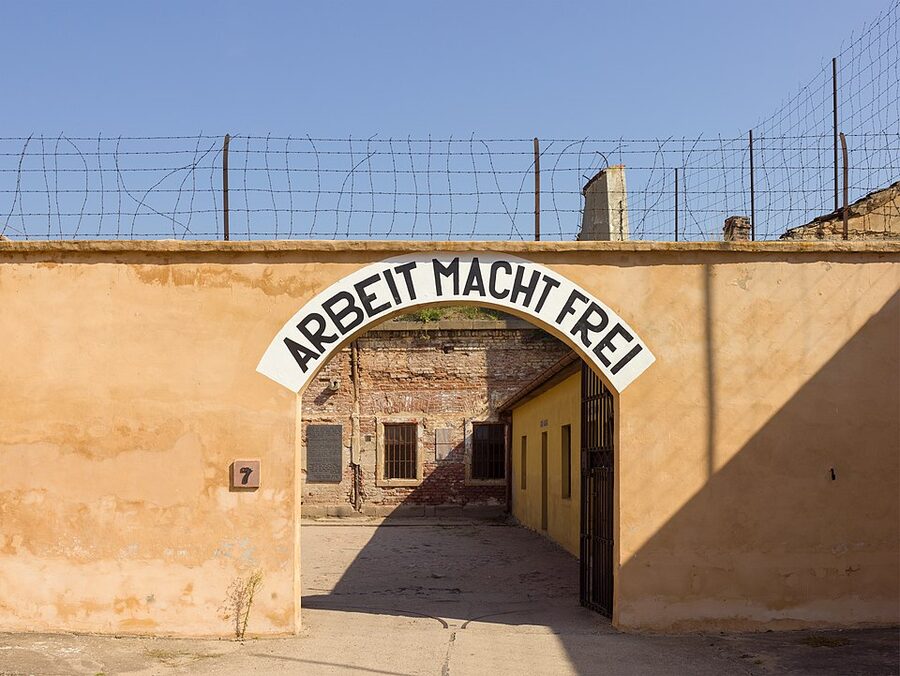
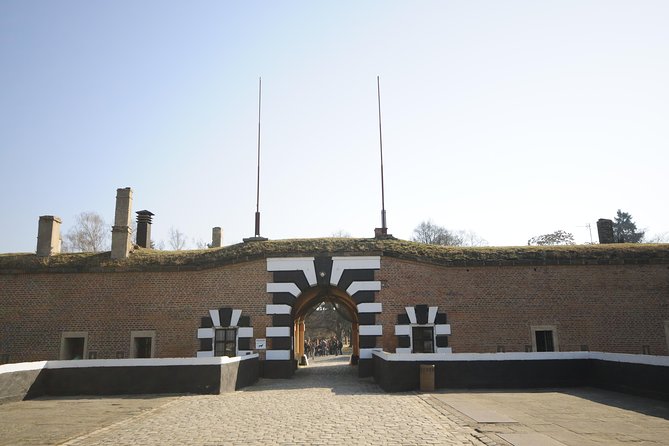
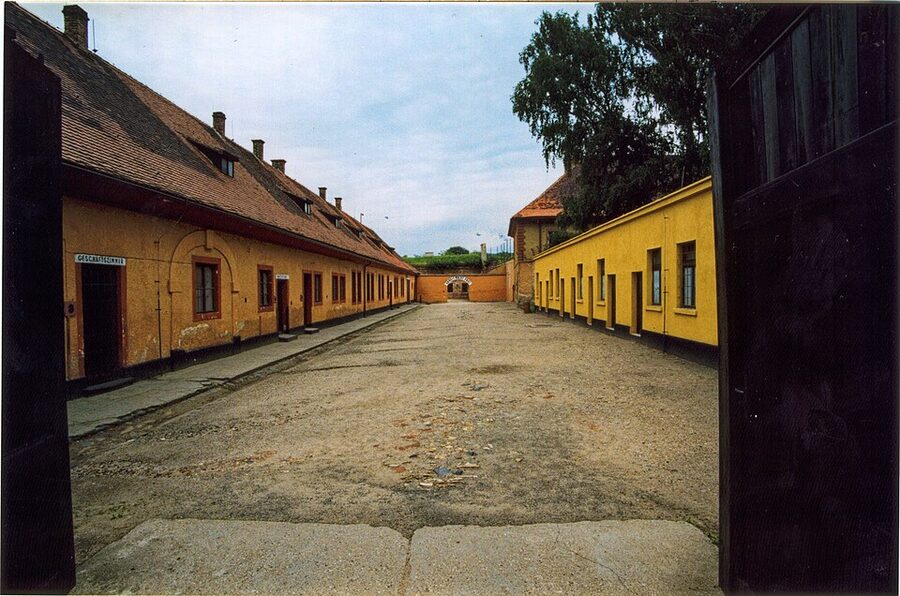
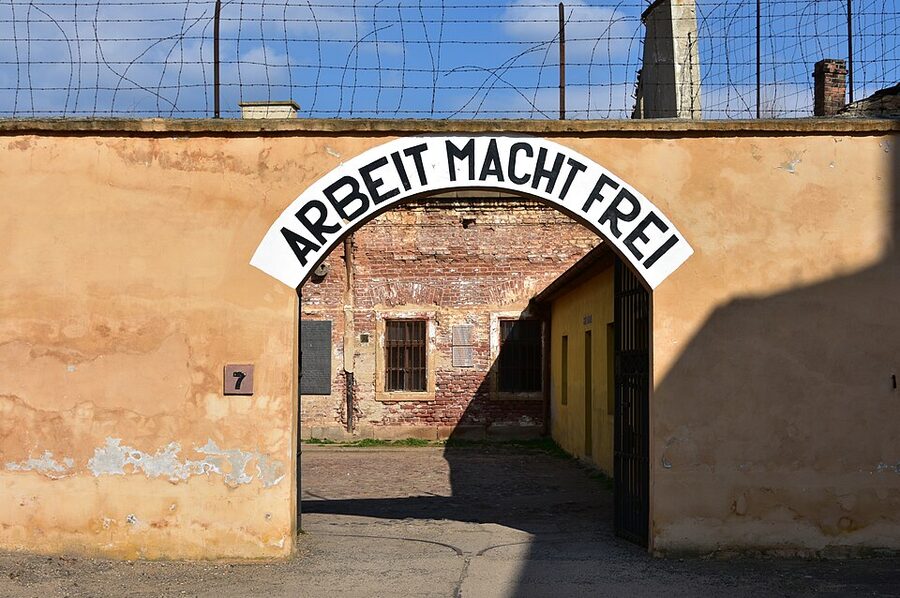
The Small Fortress is the part most people picture when they think of a concentration camp. Stone gate, watchtowers, prison cells, courtyards, the Arbeit Macht Frei sign over the entrance. A guided tour usually starts here.
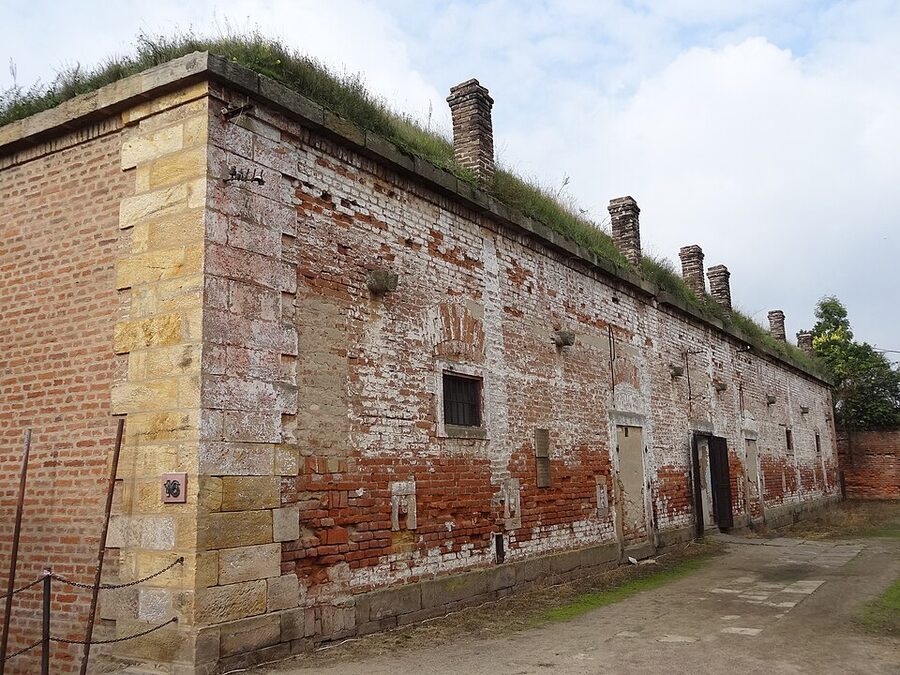
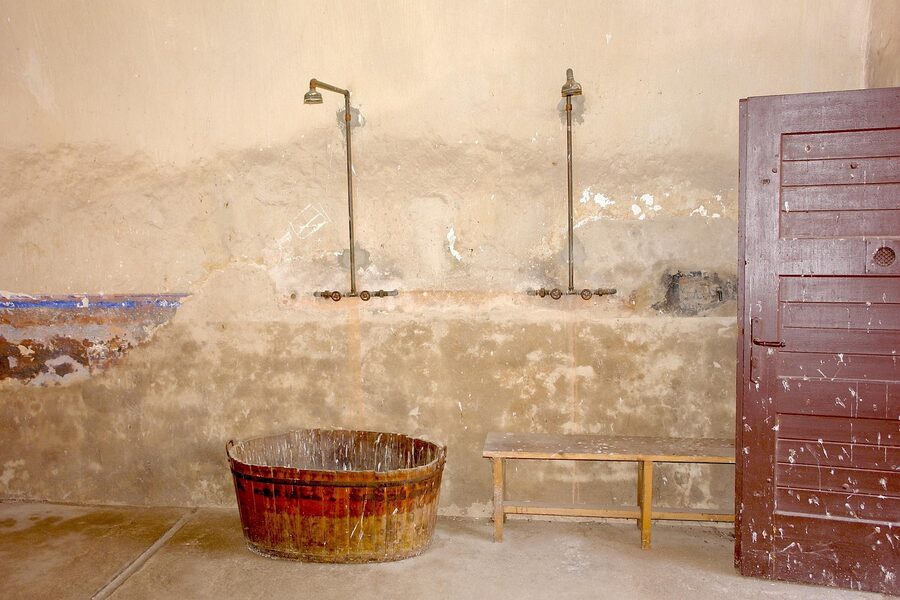
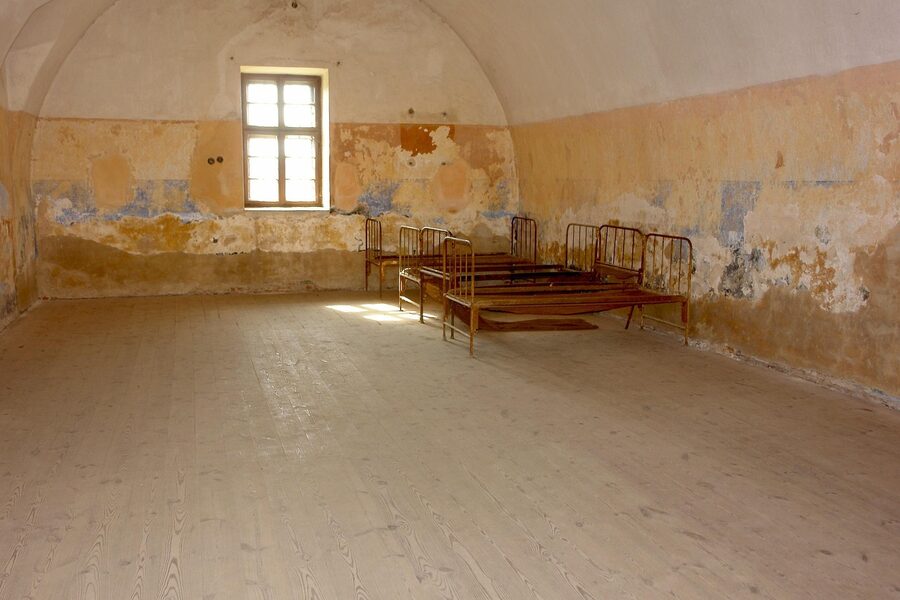
Inside the fortress walls are the prison cells, the medical wing, the delousing rooms, the execution yard, and a tunnel system that loops under the ramparts. The tunnels are a long, dark, narrow walk and they take maybe 15 minutes to get through. Some visitors find them harder than the cells. If you’re claustrophobic you can skip them and rejoin the group on the other side. Nobody will say anything.
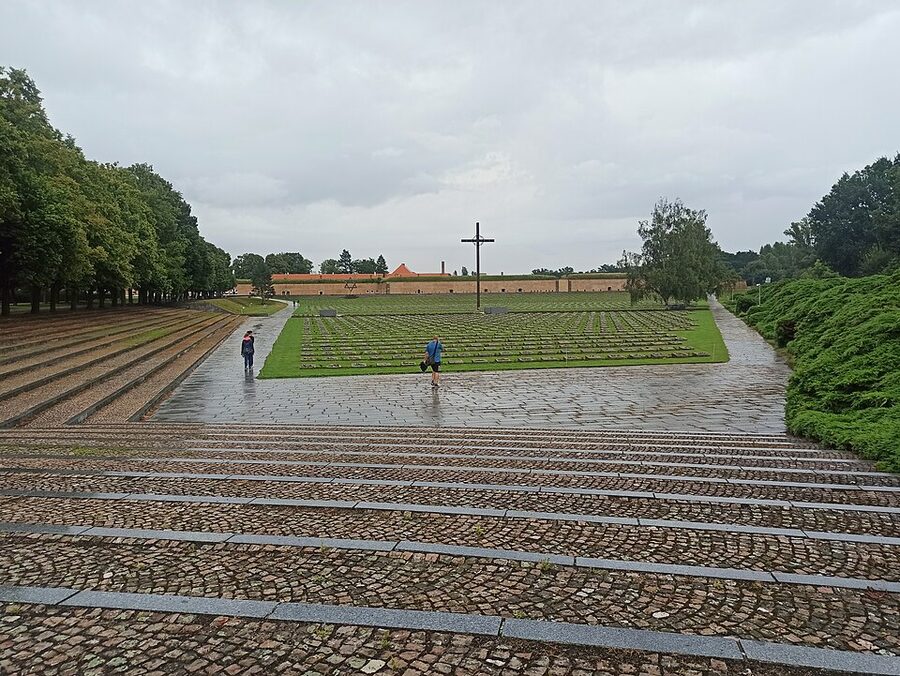
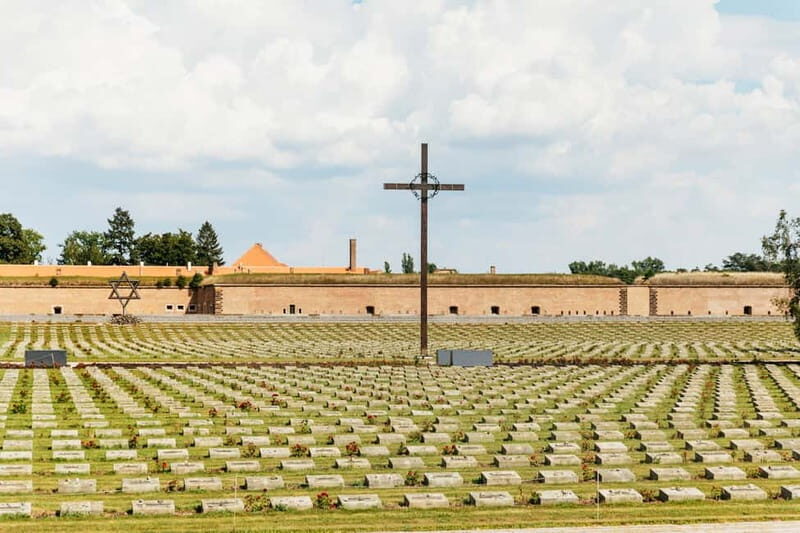
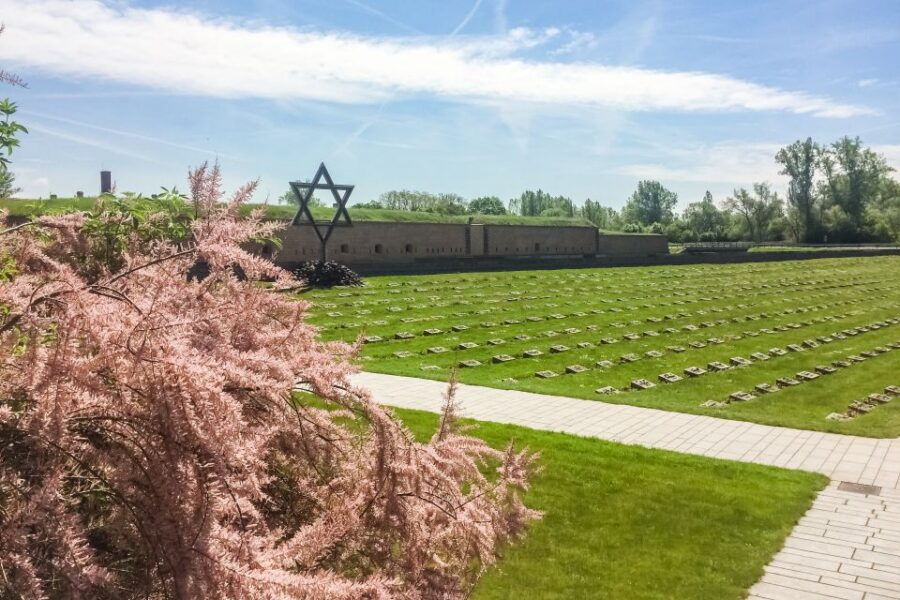
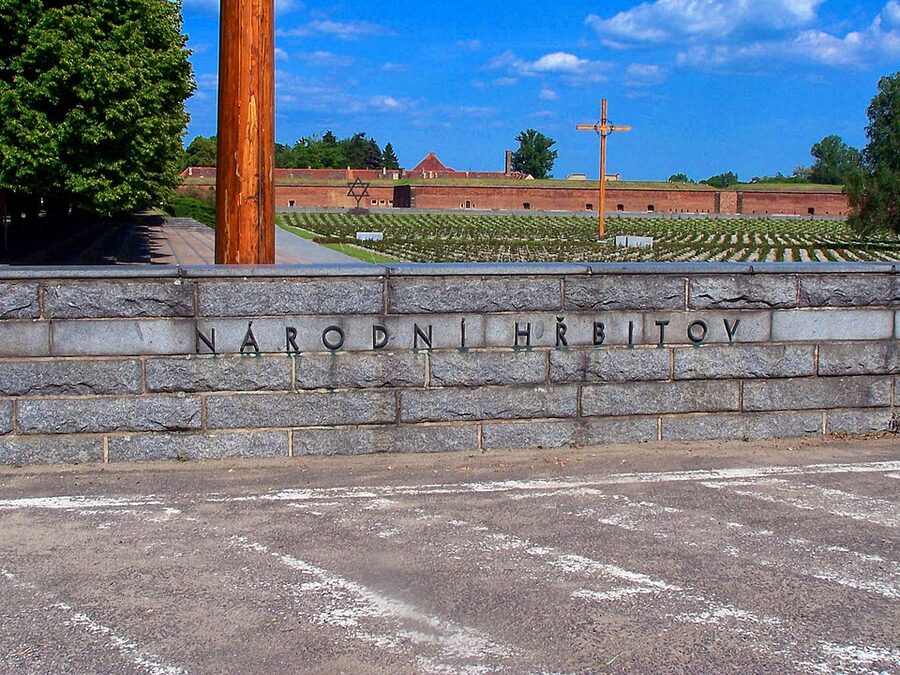
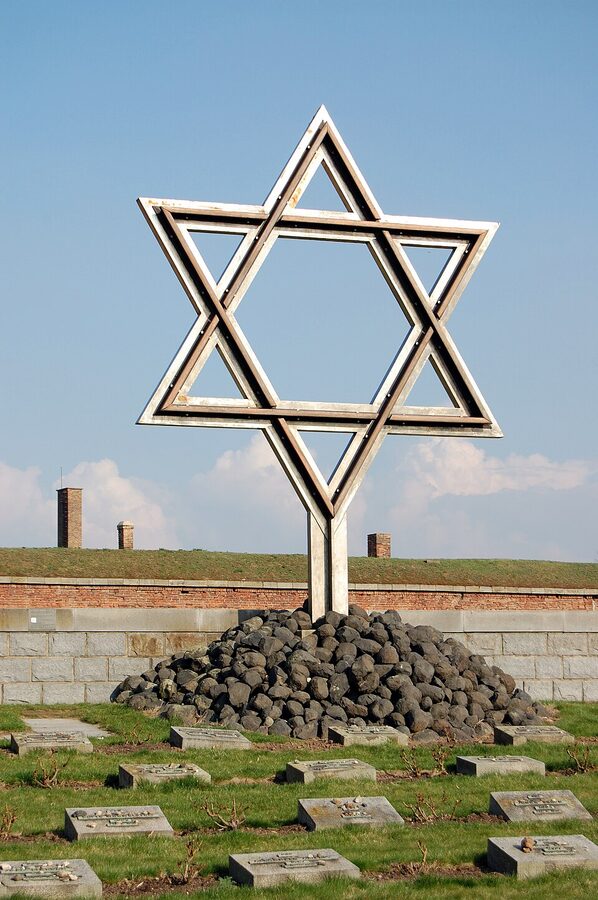
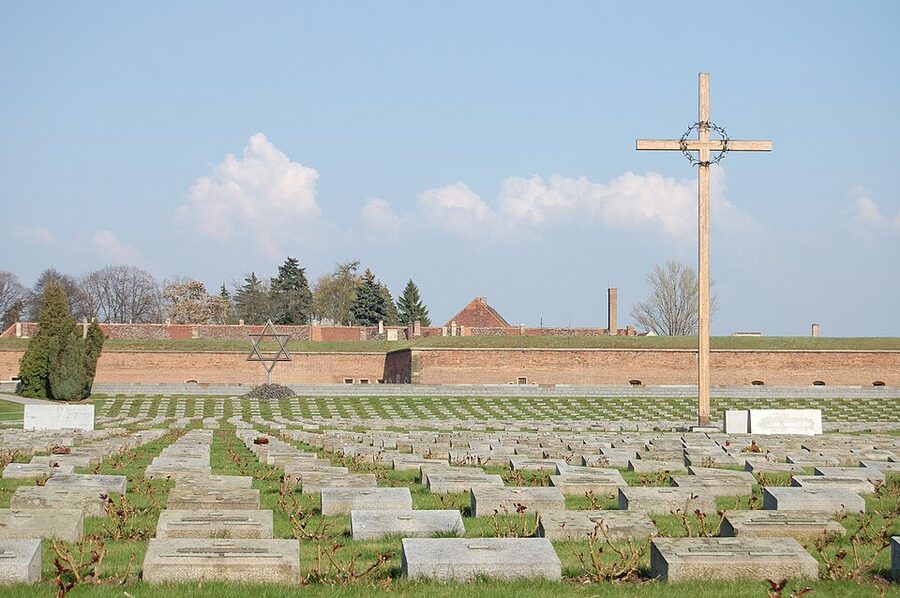
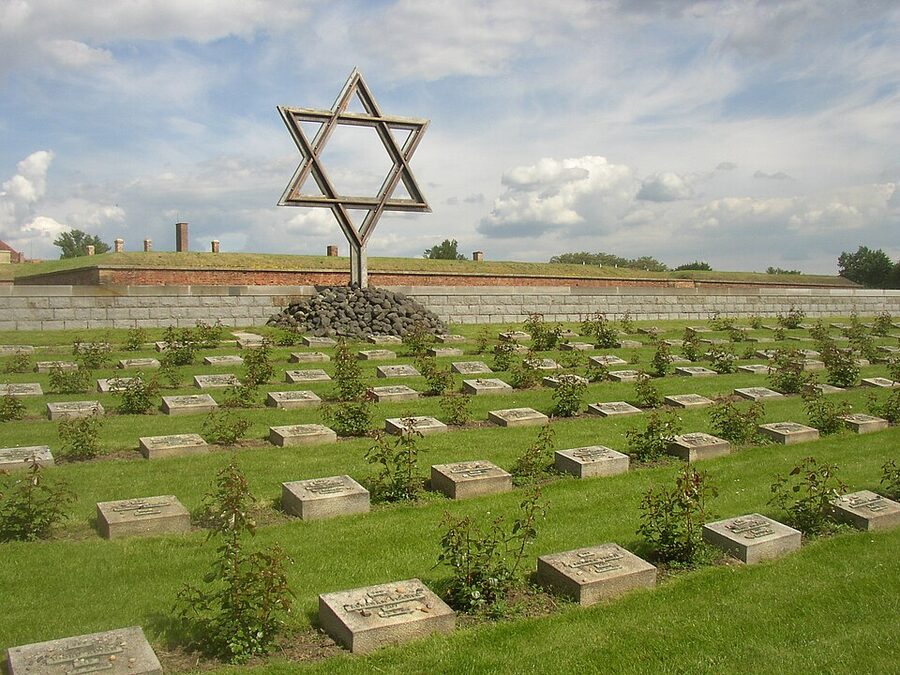
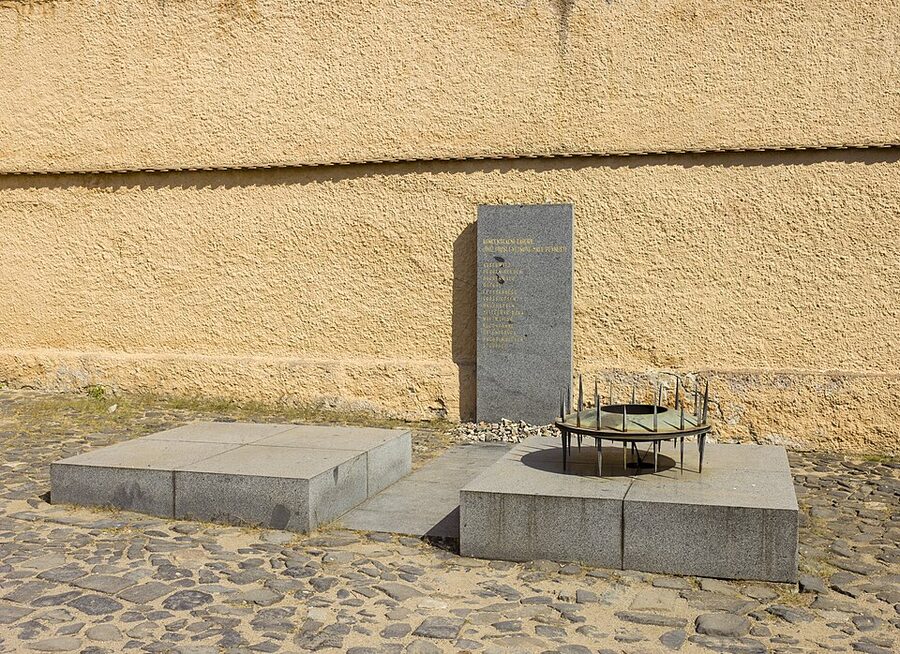
From the Small Fortress, the road into the town of Terezín is about a 15-minute walk. You’ll pass the National Cemetery on the way, a wide field of small individual headstones laid out under a giant Star of David sculpture. Around 10,000 victims are buried there.
The Ghetto Museum
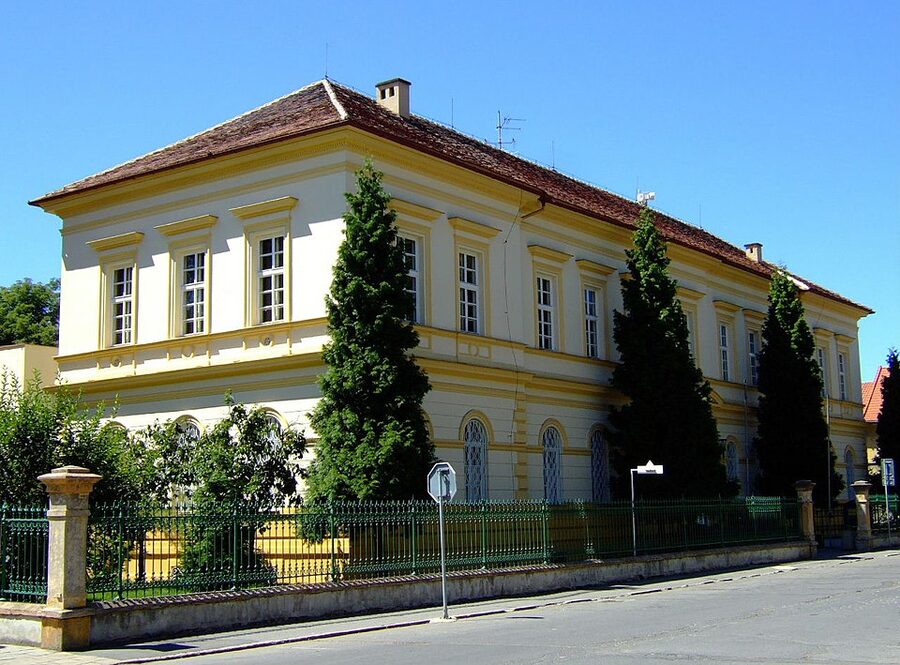
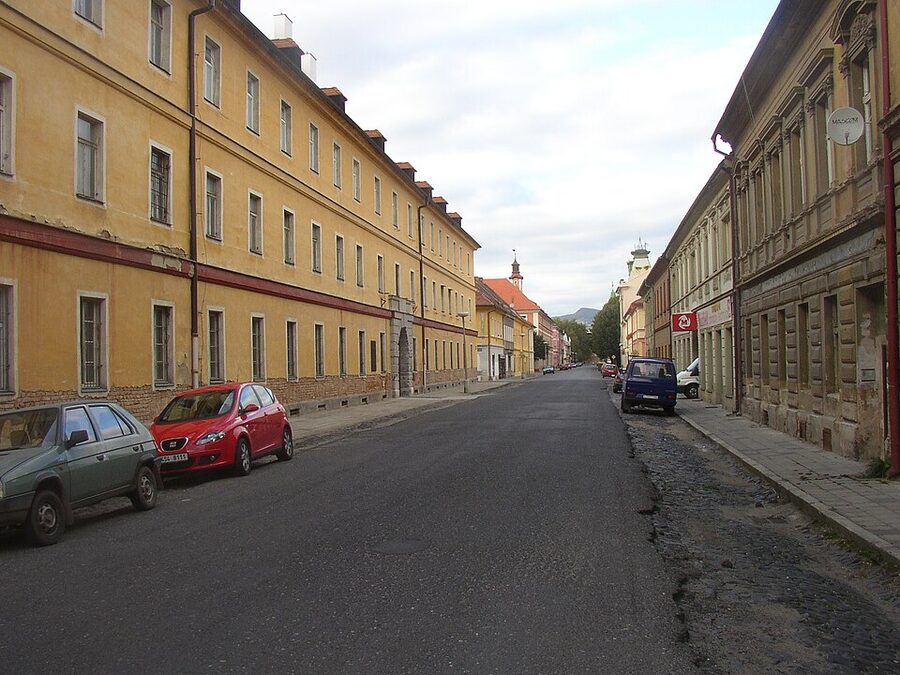
Inside the town, the Ghetto Museum is the second main stop. It’s small, dense, and absolutely worth the time. The exhibitions cover the daily life of the prisoners, the cultural activities they organised in secret (concerts, lectures, even an opera for children), the deportations, and the propaganda film. The museum is housed in the former boys’ school where the ghetto’s children were held. The building is part of the exhibition.
The Magdeburg Barracks and Smaller Sites
A few blocks from the Ghetto Museum is the Magdeburg Barracks, a separate exhibition focused on the cultural life of the prisoners: the artwork, the music, the secret literary magazines they passed around. There’s a reconstructed dormitory upstairs that gives you a sense of the sleeping conditions in the ghetto, which were not the same as the Small Fortress, but were grim in their own way.
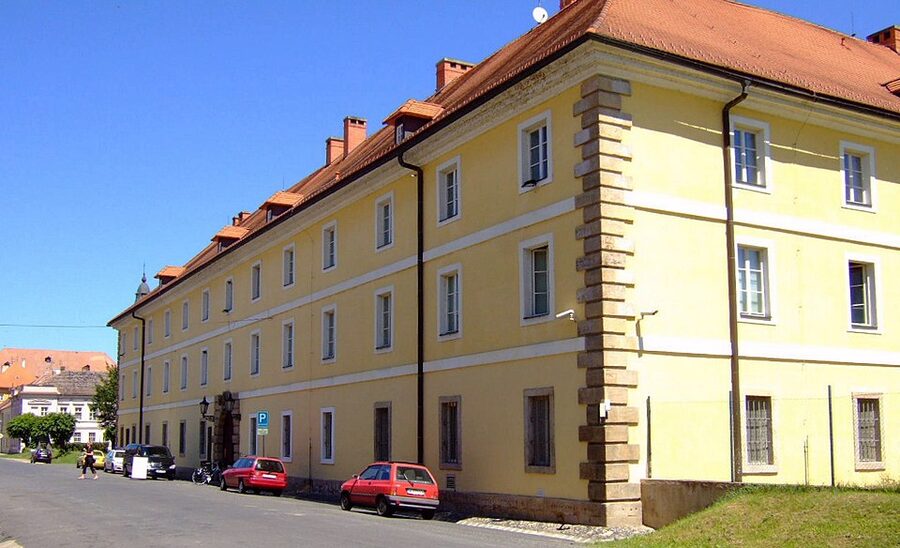
The Hamburg Barracks and the Bodenbach Barracks are also open to walk past, although the interiors aren’t on the standard tour route. They’re worth a slow walk-through if you’ve come on the longer 6-hour tour and have time after the Ghetto Museum.
The Crematorium and the Memorials by the River
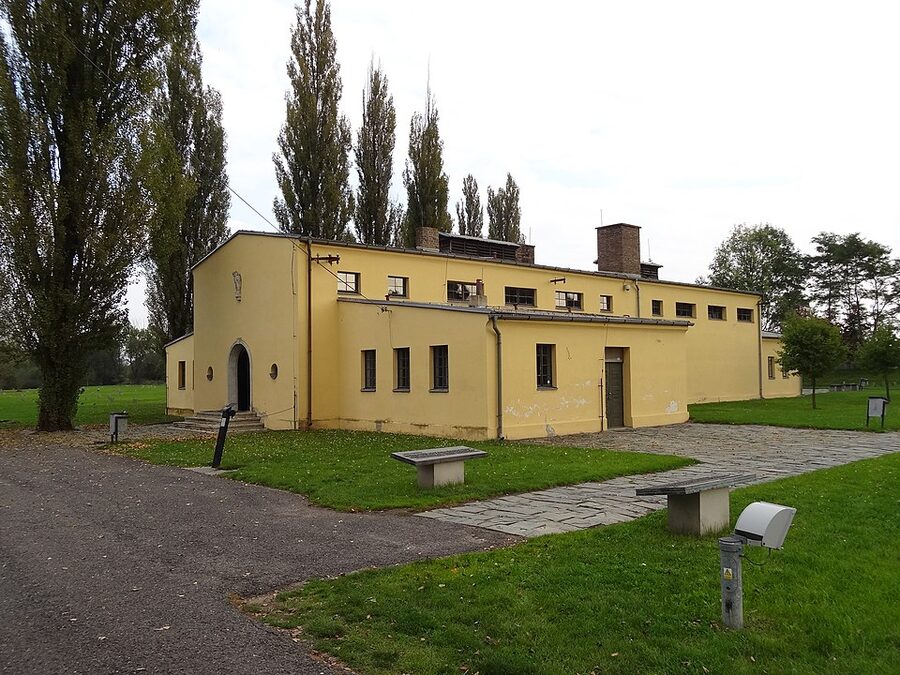
About a half-hour walk from the town centre, on the south side, is the camp’s crematorium. Don’t be misled by the official line that Terezín “wasn’t a death camp.” Over 30,000 people died here from starvation, disease, and brutality, and most were cremated in this building. It still holds the original furnaces, a morgue, and an autopsy room. There are also two cemeteries directly adjacent: the Jewish Cemetery and the Cemetery of Soviet Soldiers who died liberating the camp.
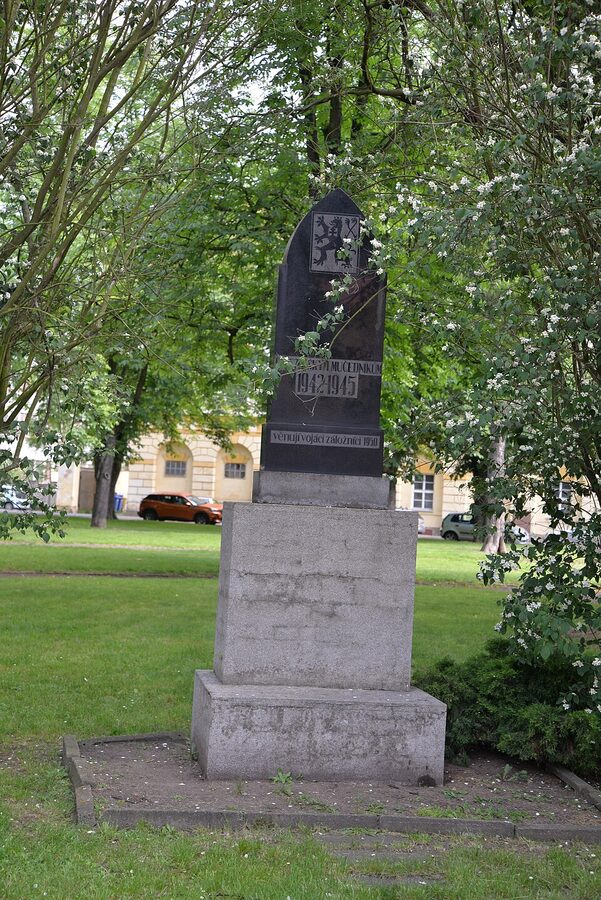
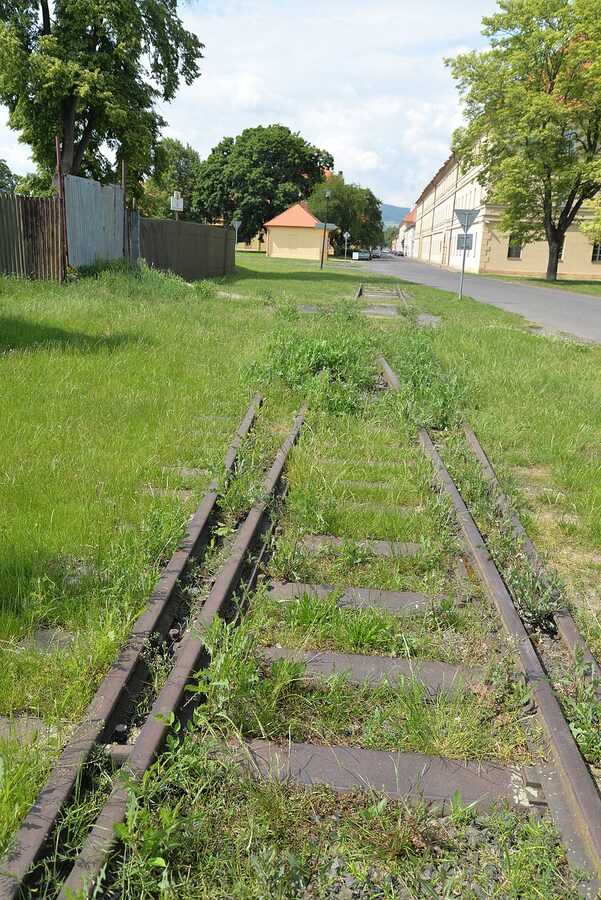
On the bank of the Ohře river, just outside the town, is a memorial that’s easy to miss but worth the walk. It commemorates the 22,000 victims whose ashes were dumped from the crematorium into the river. Camp prisoners were forced to do this work themselves. There is also a railway-siding memorial near the old transport ramp where the deportation trains left for Auschwitz.
How Long the Visit Takes
If you’re going on the audio-coach tour, plan for around 4.5 hours total door-to-door. The walking-led tour runs about 5. The longer 6-hour day trip does what the name says. None of the tours include lunch in the price, although the longer version typically builds in a 30-minute break in the town. There’s a small café near the Small Fortress entrance and a couple of restaurants in the town square.
If you’re going by yourself on the bus, give yourself a full day. An hour each way on the bus, plus 3 to 4 hours on site if you want to do the Small Fortress, the National Cemetery, the Ghetto Museum, and at least one of the smaller memorials. You can buy a combined ticket at the Small Fortress entrance or at the Ghetto Museum that covers everything. As of 2026 the combined adult ticket runs around 290 Kč.
How to Approach the Visit
This is the part of the article that matters most. A visit to Terezín is not a sightseeing stop. It’s a place where over 33,000 people died and from which 88,000 more were sent to be murdered. Some practical things that help:
Don’t take selfies at the gates. The Arbeit Macht Frei archway, the prison cells, the railway siding. People still do this and it’s appalling. If you want a photo, take a photo of the place, not yourself in front of it.
Don’t skip the children’s exhibition. Around 15,000 children passed through Terezín. Fewer than 150 survived. The art they made in secret is on display at the Ghetto Museum. It is the single most important thing in the building.
Stay quiet inside the cells and the gas-chamber-room reconstructions. Other visitors are processing what they’re seeing. Loud commentary or jokes are not appropriate.
If you’re travelling with kids, think it through. Some tour operators say age 12+. I’d say it depends on the kid more than the age. The Small Fortress and the Ghetto Museum are both unflinching. There’s no way to soft-pedal what’s in there.
Practical Booking Notes
Best time of year: Spring and autumn are easiest weather-wise. The Small Fortress is partly outdoors and the wind through the ramparts is biting in winter. Summer is fine but crowded and the cells are stuffy.
Pickup points: The audio-coach tour leaves from the Hilton Prague Old Town and a couple of other central pickup spots. The longer 6-hour version usually includes hotel pickup if you’re staying within central Prague. Confirm the meeting point on the booking confirmation, not from old reviews.
Cancellation: Both GetYourGuide options offer free cancellation up to 24 hours before. The Viator 6-hour tour has the same window. If the weather looks rough or you’re feeling under the weather, no penalty for moving the date.
Combined tickets: If you go independently, buy the all-sites combined ticket. Buying individual entries to the Small Fortress and the Ghetto Museum separately costs more and they don’t always offer the same access to the smaller memorials.
If You’re Combining Terezín With Other Prague Day Trips
Most travellers doing Terezín are giving it a full day on its own, and that’s the right choice. If you’re in Prague for four or five days and you want a second, lighter day trip afterwards, the natural pairing is Kutná Hora, which sits east of Prague and runs about half a day. It’s a UNESCO town with a Gothic cathedral and the Sedlec Bone Chapel; emotionally a very different visit, but a similar logistical shape. Český Krumlov is the other classic Prague day trip but it’s a longer journey south, so I’d save it for its own day rather than back-to-back with Terezín.
For travellers piecing together a broader WWII-history itinerary, Terezín pairs naturally with the Berlin Third Reich walking tour if your trip continues into Germany. The two cities are around five hours apart by direct train. The Sachsenhausen memorial outside Berlin is the closest comparable site in Germany and the difference between the two is worth experiencing first-hand. Sachsenhausen was a brutal labour camp; Theresienstadt was a transit camp dressed up as a model ghetto. Same era, very different stories.
For a similar visit on the Munich side of Germany, the Dachau day trip from Munich covers the same emotional territory and runs as a similar half-day shape from a major city.
Pairing With the Saxon Switzerland Day
One thing worth knowing: there are combined tours that pair Terezín with the Saxon Switzerland national park day in a single long trip. I’d avoid those. Terezín deserves its own day. Switching from a memorial visit to a hiking and sandstone-arch photo trip in the same afternoon doesn’t sit right with most people who try it. Do them on separate days.
If you’re planning the Prague side of your trip more broadly, the Prague Jewish Quarter walking tour is the natural pre-Terezín visit. It covers the Pinkas Synagogue (the names of 80,000 Bohemian and Moravian Holocaust victims are written on the walls there, including most of those murdered after passing through Terezín) and gives the city-side context. Doing the Jewish Quarter the day before Terezín, in that order, makes both visits land harder.
Before You Go
If you have time before the trip, watching The Lady in Number 6 (a short documentary about Alice Herz-Sommer, a Theresienstadt survivor and the world’s oldest pianist when she was filmed) makes the Magdeburg Barracks cultural-life exhibition land much harder. It’s about 38 minutes long. Anne Frank’s diary is the obvious reading recommendation; Heda Margolius Kovály’s Under a Cruel Star is the Czech-Jewish memoir that more directly tracks the Terezín-to-Auschwitz path.
The official memorial site at pamatnik-terezin.cz publishes the survivor testimonies online. They’re worth a slow read on the bus on the way out.
The Visit, in One Line
Terezín is one of the most important memorial sites in central Europe and one of the most accessible from a major capital. Book the audio-coach tour if you want the most-booked, easy-to-arrange option; book the longer 6-hour day tour if you want to do the Ghetto Museum properly. Don’t combine it with another day trip. Give it the day it deserves.