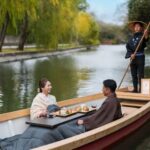
Yanagawa’s canals are best seen from a low wooden boat, where willow branches skim the water and the boatman’s songs set the pace. I like that the 30-minute cruise ticket is included, and that the bus links places that take more effort to reach on your own.
I also like the chance to pair Yanagawa with a very different stop, from Dazaifu Tenmangu to the red torii gates of Ukiha-Inari Shrine, depending on your package. The trade-off is a fixed, full-day schedule, and strawberry picking is not included in the fare.
- Key points before you book
- Yanagawa’s canals are the heart of the day
- Dazaifu adds shrine grounds, bridges and snacks
- Yanagawa gives you time for eel and a wander
- Strawberry picking costs extra
- Ukiha-Inari and Itoshima belong to a different route
- The bus makes a scattered day practical
- What the price includes, and what it does not
- Who will get the most from this day trip?
- Should you book the Yanagawa day trip?
- FAQ
- How long is the tour?
- Is the Yanagawa River Boat ride included?
- Is strawberry picking included in the price?
- Which places does the tour visit?
- Is matcha grinding part of every package?
- Are meals included?
- Where does the tour depart from?
- How early should I arrive?
- Is the tour wheelchair-accessible?
- Can I cancel for a refund?
- More Tours in Yanagawa
- More Tour Reviews in Yanagawa
- Not for you? Here's more nearby things to do in Yanagawa we have reviewed
Key points before you book
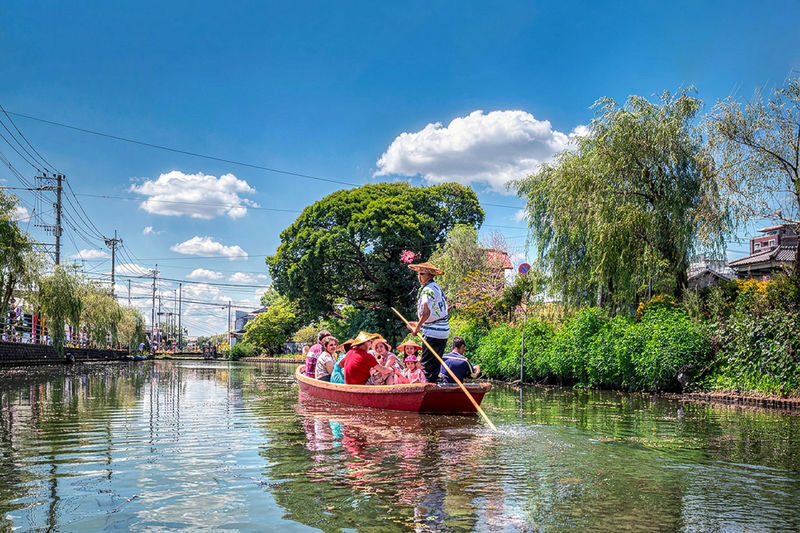
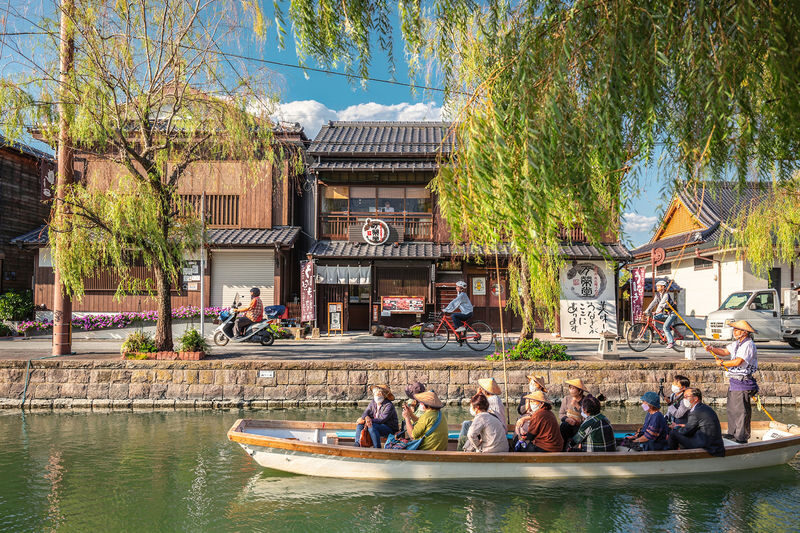

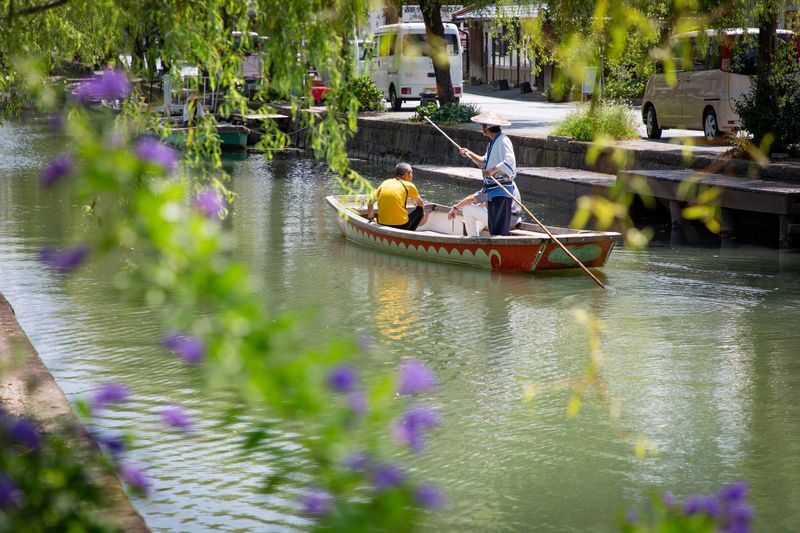
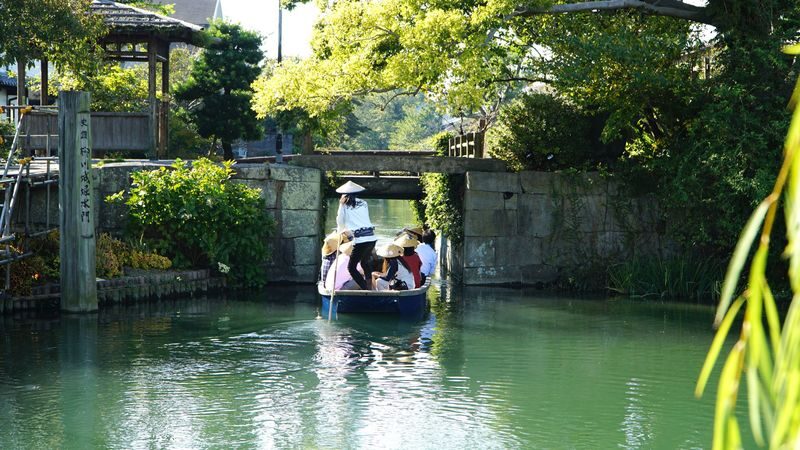
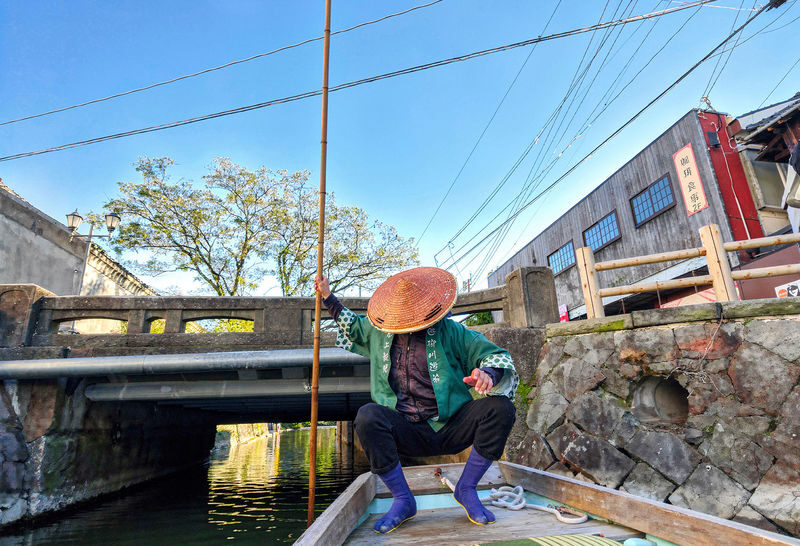
- The Yanagawa boat ride is included: A traditional flat-bottomed Donko boat follows the city’s historic canals for about 30 minutes.
- Choose the route with care: Packages vary. One pairs Dazaifu with Yanagawa and a strawberry farm or brewery cafe; another pairs Yanagawa with Itoshima and Ukiha-Inari Shrine.
- You get a guide and round-trip bus transport: That saves the work of joining several separate public transport legs.
- Lunch is your responsibility: Yanagawa has time set aside for a meal, and unagi no seiro-mushi, steamed eel rice, is a local specialty.
- Expect a long day and changing timings: Departures are around 7:50 or 8:10, with the return listed around 16:20 or 16:40. Traffic, weather and local conditions can alter the plan.
Yanagawa’s canals are the heart of the day
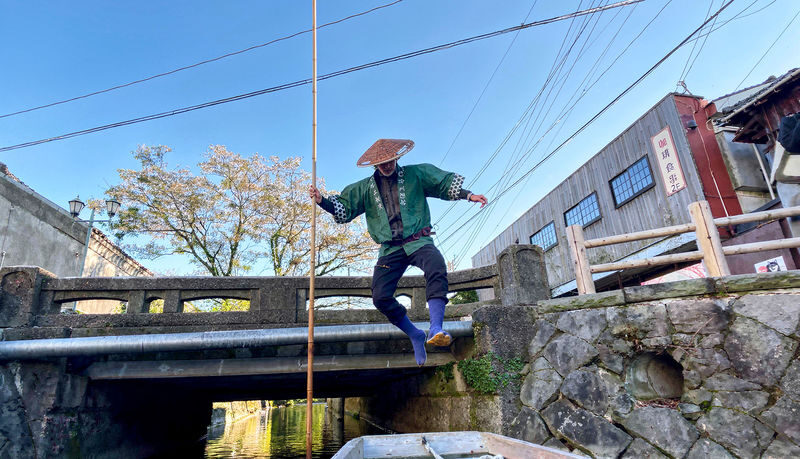
Yanagawa is often called the City of Water, and its canals are more than a pretty backdrop. The town’s moat system is part of its character, and seeing it from a Donko boat gives you a slower, closer view than you get from the road.
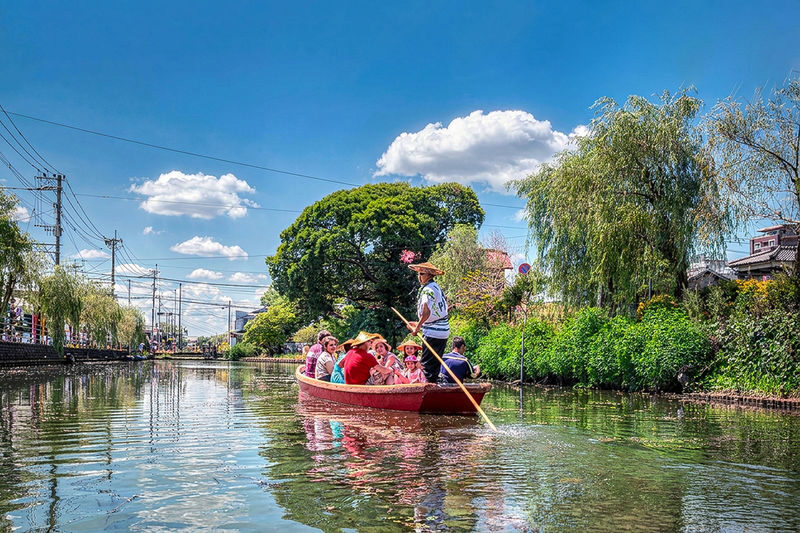
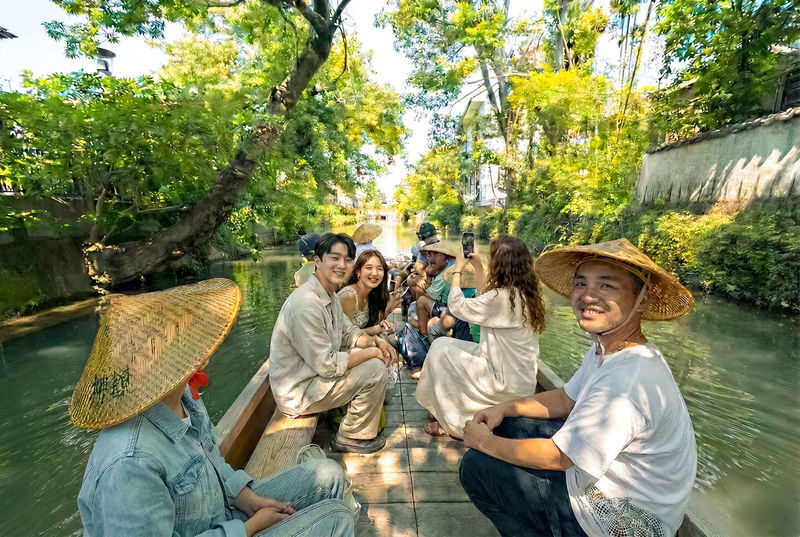
The ride lasts about 30 minutes. You sit low in a traditional flat-bottomed boat as the boatman guides it through the waterways. The canals are lined with willows, and the route passes historic buildings that are easy to miss from a bus. Boatmen may sing as they row, giving the ride a distinctly local feel rather than making it just a transfer between sights.
Conditions matter. Heavy rain can make the boat ride wet, so bring a rain jacket even if the operator provides a raincoat. In bright weather, the open boat offers little shelter from the sun, so a hat or sun-protective clothing is sensible. Water levels can also affect what the boatman can do along the route.
The included cruise ticket is a real convenience. You do not have to sort out a separate boat booking when you arrive, and the group can move through the stop together. The compromise is that you take the cruise at the time arranged for the tour, rather than choosing your own departure.
You can also read our reviews of more tours and experiences in Yanagawa.


Dazaifu adds shrine grounds, bridges and snacks
The Dazaifu version begins at Dazaifu Tenmangu, with roughly 1 hour and 15 minutes scheduled for the visit. The approach is lined with small shops, including stalls selling umegae mochi, a local sweet. It is a good place to pause for a snack and see a busy shrine approach as well as the main grounds.
Three red bridges on the grounds are traditionally associated with the past, present and future. That detail gives your walk a simple theme to follow, even if you are not planning a long shrine visit. With a little over an hour, you can see the main setting and browse the approach, but you should not expect enough time to linger over every corner.
One point to weigh is the pace. A shrine visit, a bus journey and several more stops have to fit into one day. If you like to read every sign or spend a long time at a single site, this schedule may feel brisk. If you want a guided introduction and a look around before moving on, the allotted time is more workable.
Yanagawa gives you time for eel and a wander
After the boat ride, the itinerary allows about 90 minutes of free time in Yanagawa. This is your chance to choose lunch, browse local shops or make a short visit to a nearby attraction such as Shoto-en Garden. The tour does not include meals, so budget separately for lunch and drinks.
If you want to try a local dish, look for unagi no seiro-mushi, eel steamed with rice in a wooden box. It is a signature Yanagawa meal and a good reason to make lunch part of the experience rather than treating it as an afterthought. Guides may be able to suggest restaurants, but you should still allow time to get seated and return to the meeting point promptly.
Ninety minutes is useful but not unlimited. A leisurely meal and a quick look around are realistic; a long list of sights is not. Keep an eye on the meeting time and confirm where the bus will be waiting, especially if the group is spread across several stops.
Strawberry picking costs extra
Some Dazaifu packages include a stop at Pu-san’s Strawberry Farm or a brewery cafe. The farm visit is an optional, on-site, all-you-can-eat experience, but its admission is not part of the tour price. Check the current farm fee before booking if strawberries are a main reason for choosing this route.
The experience is seasonal, and the condition of the crop can vary. Strawberry picking has been described as a highlight when the fruit is plentiful, but late-season timing can mean fewer large berries. You also need to eat the strawberries at the farm. Taking them away is not allowed.
Allow for the time limit, too. The farm visit is scheduled for about an hour, and that hour includes the activity itself. If you would rather not pay extra or are not interested in picking, the package may offer a brewery cafe alternative, but confirm which stop applies to your selected date and option.
Ukiha-Inari and Itoshima belong to a different route
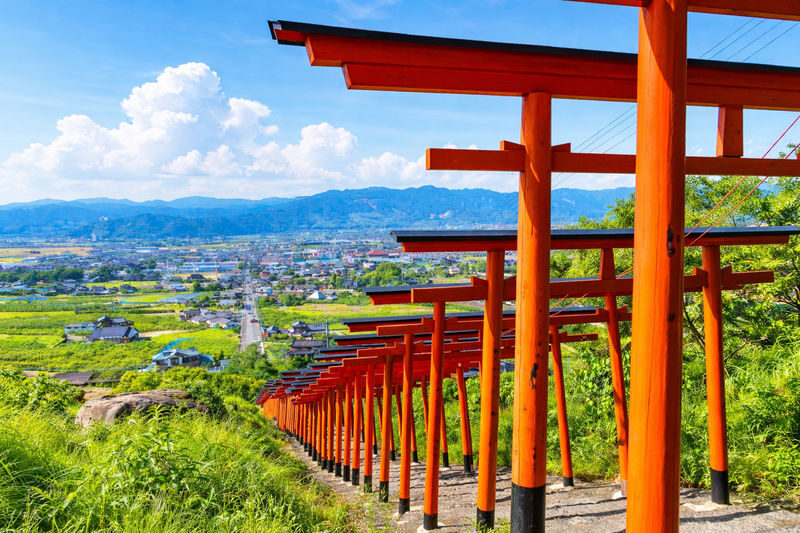
The Ukiha-Inari option is a separate package, not simply an extra stop added to the Dazaifu route. Its standout sight is a long line of red torii gates climbing toward a viewpoint over the countryside. It is an appealing choice if you enjoy photography and do not mind steps or an uphill walk.
The climb can feel demanding, especially in heat or rain. The shrine visit is mainly about the gates and the view, so it may not hold your interest as long as a larger temple or museum. Some visitors value the quiet setting; others may find the effort worthwhile chiefly for the photos. Wear shoes you can walk uphill in and leave time to descend safely.
The package options also include an Itoshima route, paired with Yanagawa and Ukiha-Inari Shrine. Itoshima is named in the tour highlights, but the supplied schedule does not give a precise stop duration or a detailed stop-by-stop plan for that option. Check the exact route before booking rather than assuming every destination in the promotional overview appears on every version.
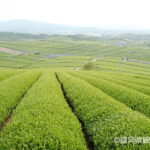
The activity details also describe a matcha-grinding experience at Hoshino Tea Museum, while the listed package choices focus on the Dazaifu and Itoshima routes. Matcha appears in descriptions of another route, so confirm that it is included in the option you select. Do not book one package expecting an activity that belongs to another.
You can also read our reviews of more boat tours in Yanagawa
The bus makes a scattered day practical
The main practical advantage is transport. Yanagawa, Dazaifu and the countryside stops are spread out, and connecting them by public transport takes planning. The round-trip bus removes the need to coordinate those journeys yourself and keeps the day moving between stops.
The tour runs about 8.5 hours. Departures are listed at 7:50 and 8:10, with return times around 16:20 and 16:40. The meeting point is in Fukuoka, with options associated with Tenjin and Hakata. Check the exact location and time on your voucher, then arrive at least 10 minutes early. The bus leaves on schedule, and missed departures are not refundable.
The vehicle can hold up to 49 passengers, though some departures have been much smaller. Group size is not fixed, so do not count on a private or small-group outing. Guides may speak English, Chinese or Korean depending on the package and group. Past guides have included Daisuke, Seiya and Xu, but guide assignments can change.
Most of the guide feedback has focused on practical help: explaining sights, keeping the group together, recommending places to eat and helping with photos. That can make a real difference on a day with several bus departures and unfamiliar meeting points. There has also been an isolated complaint about uneven communication between language groups and confusion over bus timing, so listen carefully to the guide’s instructions and confirm the next meeting time.
What the price includes, and what it does not
The advertised starting price is from $51.30, though the amount can vary by date and package. For that fare, the core value is the bus transport, an English-speaking guide for the English option and admission to the Yanagawa cruise. The boat ride is the one major activity that is explicitly included.
Meals, drinks, personal expenses and insurance are not included. Strawberry farm admission is extra, too. That distinction matters: a low starting price does not necessarily cover every activity described in the package overview. If you plan to pick strawberries, add the farm fee to your budget. If you plan to eat eel, allow for lunch as well.
I see the best value here for someone who wants to visit several places in one day without renting a car or working out connections. It is less compelling if you prefer a single destination at your own pace, or if you are comfortable arranging Yanagawa’s cruise and local transport independently.
Who will get the most from this day trip?
This tour suits first-time visitors to Fukuoka who want a guided day outside the city, families who appreciate bus transport and a set plan, and anyone keen to see Yanagawa from the water. The lack of an age limit makes it open to all ages, and children aged zero to two can join free if they do not need their own seat.
It is stroller-friendly but not wheelchair-accessible. For the Ukiha-Inari route, be prepared for an uphill walk and stairs. For any version, pack cash, as the tour recommends bringing it, and dress for the forecast. Rain gear and sun protection are especially useful on an open boat.
You can cancel for a full refund up to 24 hours before the activity date. The operator may cancel for extreme weather or unforeseen events, in which case you can reschedule or request a refund. Late arrivals and no-shows are not refundable. If you need to bring luggage or a stroller, contact the operator in advance because luggage space depends on the bus used that day.
Should you book the Yanagawa day trip?
Book it if you want the included canal cruise, a guide and a simple way to connect Yanagawa with Dazaifu or countryside sights. The boat ride, time for a local eel lunch and the chance to add a seasonal strawberry stop make a satisfying mix, provided you choose the right package and account for the extra costs.
Skip it if you want long, unhurried visits or prefer to set your own meal and sightseeing schedule. Before paying, check the precise route, language, meeting point and whether strawberry picking or matcha is included. Those details shape the day more than the broad tour title suggests.
Fukuoka: Yanagawa Boat with Ticket & Dazaifu or Ukiha-Inari
“Thanks to our tour guide, Seyia, for the detailed explanations in both English and Chinese, and for taking wonderful family photos that gave us suc…”
FAQ
How long is the tour?
The activity lasts about 8.5 hours. Departures are listed around 7:50 or 8:10, with returns around 16:20 or 16:40. Traffic and weather can change the schedule.
Is the Yanagawa River Boat ride included?
Yes. Admission to the Yanagawa River Boat is included, and the cruise takes about 30 minutes.
Is strawberry picking included in the price?
No. Strawberry farm admission is not included. The picking experience is an on-site, all-you-can-eat activity, and strawberries cannot be taken out of the farm.
Which places does the tour visit?
That depends on the package. Options include Dazaifu, Yanagawa and strawberry picking or a brewery cafe, and another route combining Yanagawa, Itoshima and Ukiha-Inari Shrine. Confirm the exact route when booking.
Is matcha grinding part of every package?
No. The activity information mentions a matcha-grinding experience, but package options vary. Check that your selected package specifically includes it.
Are meals included?
No. Meals and drinks are not included. Yanagawa has free time for lunch, and unagi no seiro-mushi is a local specialty.
Where does the tour depart from?
The tour meets in Fukuoka, with departure options associated with Tenjin and Hakata. Check your voucher for the specific meeting point and time.
How early should I arrive?
Arrive at least 10 minutes before departure. The bus leaves on time, and late arrivals or no-shows are not eligible for a refund.
Is the tour wheelchair-accessible?
No. The activity is not wheelchair-accessible. It is described as stroller-friendly.
Can I cancel for a refund?
You can receive a full refund if you cancel at least 24 hours before the activity date, based on local time. Late arrivals and no-shows are not refundable.