Kintsugi turns a repair into part of a vessel’s story. In Kyoto, you’ll work beside Master Matsuda, an artisan recognized for his traditional craft and backed by more than 50 years of experience. Instead of hiding a break, you use gold powder to make the repaired lines visible.
I like two things about this workshop: you learn directly from a working master, and the quiet pause for tea and sweets gives you time to ask about his work, including the restoration of Buddhist altars. English interpreter Shin helps carry those conversations across the language gap.
The main consideration is the price: from $320.85 for a three-hour experience, it is a special-interest splurge, not a casual craft class. The schedule also appears to allow about three to three and a half hours, so leave room around it rather than planning a tight connection.
- What makes this workshop special
- A Kyoto craft lesson, not a quick make-and-take
- Working with Master Matsuda and interpreter Shin
- Restoring a vessel with gold powder
- Tea, sweets, and conversation while the work dries
- Timing, meeting point, and getting there
- Is 0.85 a fair price?
- Who will enjoy this most
- Should you book this kintsugi workshop?
- FAQ
- How long does the workshop take?
- Where does the workshop take place?
- How do I get to Matsuda Urushi Kogei?
- Is the workshop taught in English?
- What is included in the price?
- What is the minimum age to participate?
- The Best Of Kyoto!
- More Workshops & Classes in Kyoto
- More Tours in Kyoto
- More Tour Reviews in Kyoto
- Not for you? Here's more nearby things to do in Kyoto we have reviewed
What makes this workshop special
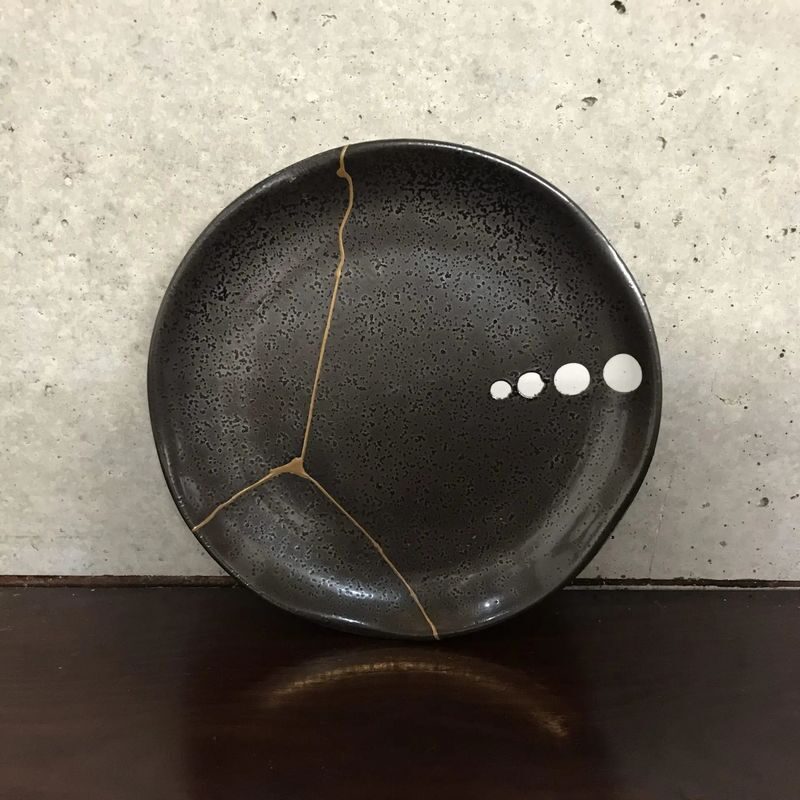
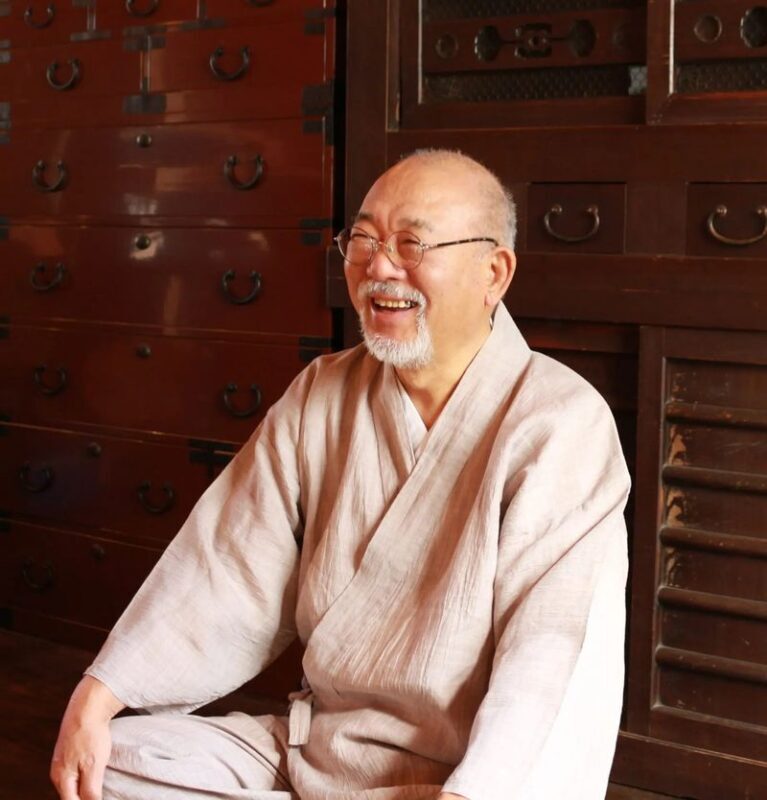
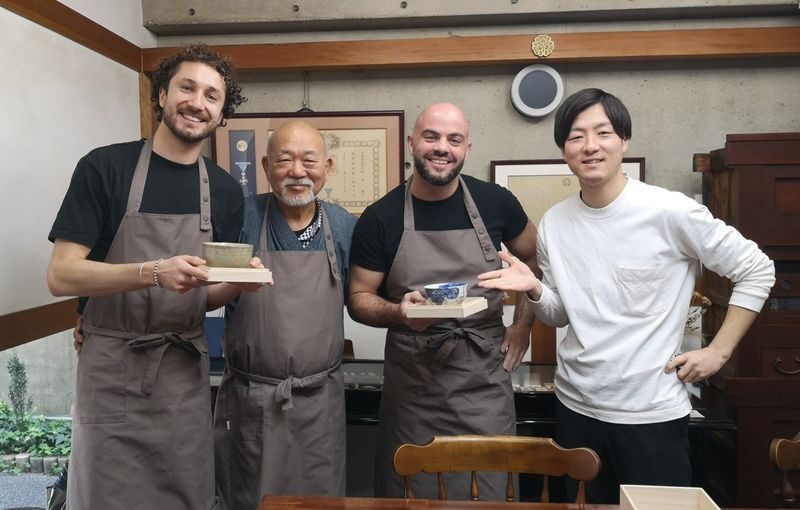
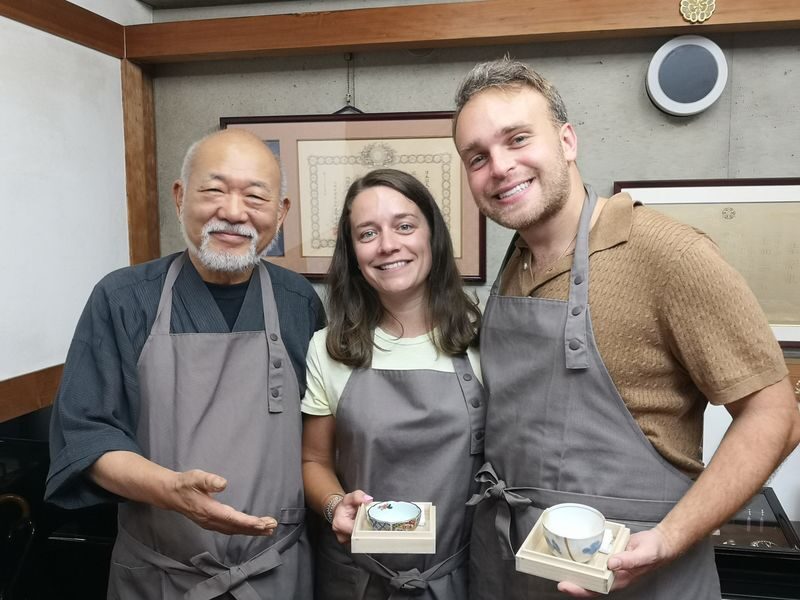
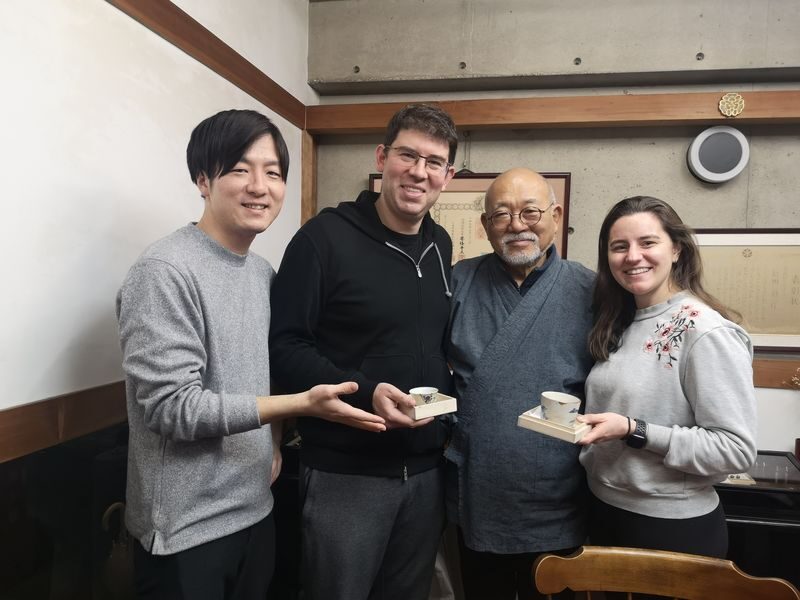
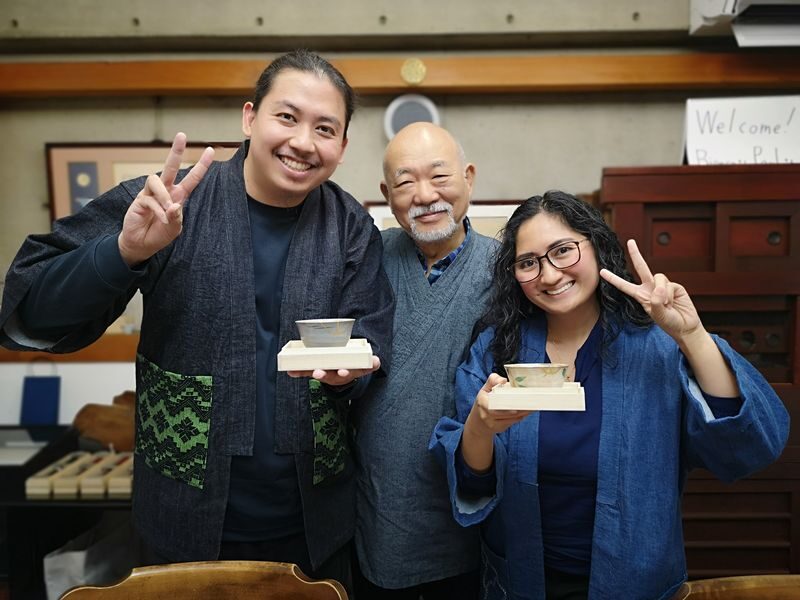
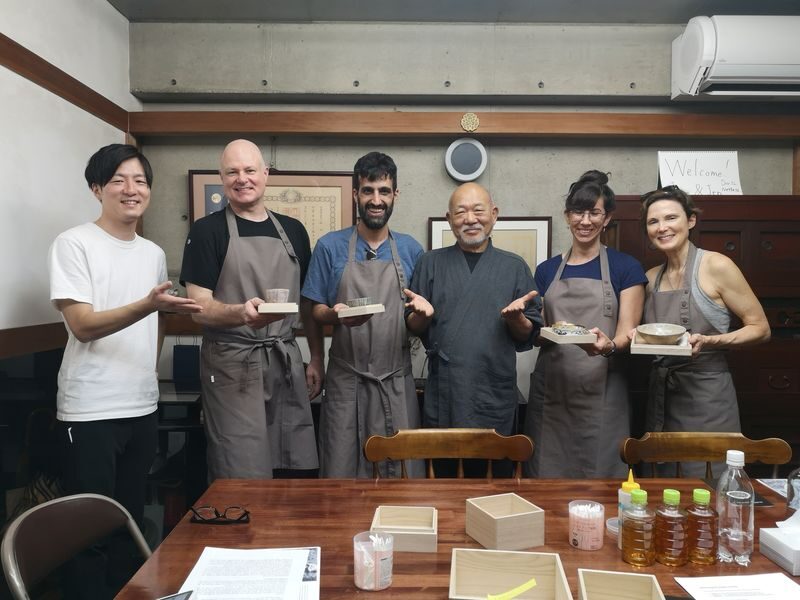
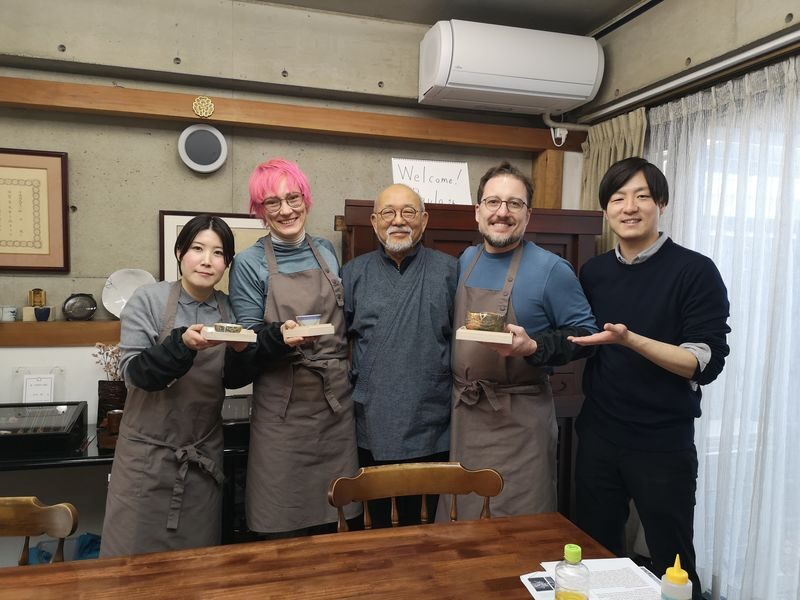
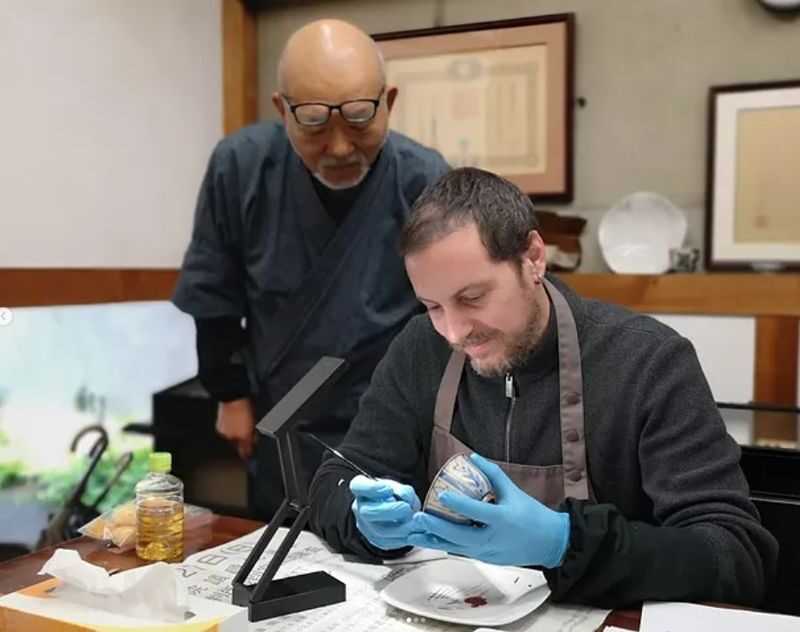
- Learn from Master Matsuda: He brings more than 50 years of experience to a small-scale, hands-on lesson in traditional kintsugi.
- Use gold powder: You restore a vessel with the technique’s defining material, guided through methods passed down through generations.
- Hear about the craft’s philosophy: Kintsugi offers a practical lesson in Japan’s aesthetic of accepting imperfection rather than concealing it.
- Pause for tea and sweets: While your work dries, enjoy refreshments served in vessels made by the master and ask questions about his craft.
- Take home your repaired vessel: Your finished piece is packed in a wooden box, making it a useful keepsake rather than a souvenir you’ll leave on a shelf.
- Get help in English: Interpreter Shin helps convey the master’s words and ideas, an important part of an experience built around conversation.
👉 See our pick of the 25 Best Workshops And Classes In Kyoto
A Kyoto craft lesson, not a quick make-and-take
This workshop takes place at Matsuda Urushi Kogei, in Kyoto’s Shimogyo ward. Its appeal is not a long list of activities. You spend the time learning one traditional craft from someone who has devoted decades to it, then leave with a vessel you helped restore.
Kintsugi is often described as the art of repairing broken pottery with gold. Here, the emphasis is on the actual work and the thinking behind it. You handle gold powder as part of the restoration, while Master Matsuda guides you through the technique and explains the traditions that inform it.
That direct instruction matters. A short workshop cannot make you a kintsugi practitioner, and this one does not need to. The value is in seeing how much care a repair can require, and in understanding why the repaired lines are treated as part of an object’s history rather than flaws to disguise.
Master Matsuda is recognized by the Japanese government for his traditional craft and has more than 50 years of experience. His work includes the restoration of Buddhist altars, a detail that gives you a wider sense of the skill involved. You are not just learning a decorative trick; you are meeting a craftsperson whose work has a place in the care of important cultural objects.
You can also read our reviews of more tours and experiences in Kyoto

Working with Master Matsuda and interpreter Shin
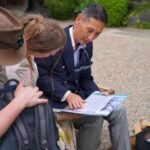
The experience is led by Master Matsuda, with English interpretation from Shin. That pairing is useful for more than following instructions. The workshop includes discussion of the techniques and philosophies behind Japanese traditional crafts, and a good interpreter helps carry the meaning, not just the words.
A previous mother and daughter described the workshop as one of the best days of their trip. Another participant particularly valued Shin’s ability to translate the master’s ideas and the openness of the conversation. Those personal exchanges seem central to the experience: Master Matsuda is described as curious about the people joining his workshop and willing to talk about his life and work.
His wife is also part of the warm welcome described by participants. That does not mean you should expect a formal lecture or a scripted show. Think of it as time in a working craft setting, with a master who is happy to share what he knows and an interpreter helping you take it in.
The format should suit you if you enjoy asking questions and learning through conversation. If you prefer a fast-paced sightseeing tour with several stops, this is a different kind of outing. Its focus is narrow by design: one vessel, one craft, and a few hours to understand both.
Restoring a vessel with gold powder
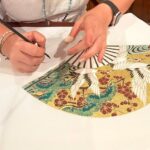
You’ll work on restoring a vessel using traditional kintsugi methods, with materials and the vessel included in the fee. The hands-on element makes the idea of kintsugi concrete. You are not simply watching a demonstration or decorating a finished object; you take part in the repair under the master’s guidance.
The workshop information does not spell out every technical step, so it is best not to arrive expecting a full professional training course. The point is to try the method with expert help and gain a clearer sense of the patience and care it involves. The gold powder is a memorable part of the process, but the deeper takeaway is the way the repair becomes visible.
That approach offers a thoughtful counterpoint to the habit of treating damage as something to hide. Kintsugi makes room for the object’s past. You leave with a tangible example of that idea, not just a photograph or a general impression from a museum display.
The finished vessel is carefully packed in a wooden box for you to take home. That is a practical touch, especially if you are carrying it through the rest of your trip. The supplied details do not specify the vessel’s size or the exact packing dimensions, so if you have strict luggage limits, ask the operator before booking.
Tea, sweets, and conversation while the work dries
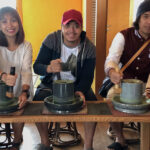
While your piece dries, you’ll have tea and sweets served in vessels made by Master Matsuda. This pause is part of the workshop, not dead time. It gives you a chance to rest your hands, look closely at the craft around you, and ask about the master’s work.
The conversation can range beyond the repair in front of you. You can ask about Kintsugi techniques, the restoration of Buddhist altars, and the philosophy behind Japanese traditional crafts. For many people, this exchange will be as valuable as the hands-on portion, particularly if they want context rather than just a souvenir-making activity.
There is a nice balance here: you get to work with the material, then step back and listen. The refreshments also offer a small demonstration of the master’s craft in everyday use, since they are served in vessels he made. It is a quiet detail, but it helps connect the workshop’s ideas to objects meant to be handled and used.
Timing, meeting point, and getting there
The workshop takes place at Matsuda Urushi Kogei, at 7-7 Nishizuya-cho, Shimogyo-ku, Kyoto. It is about a 15-minute trip from JR Kyoto Station, and the venue is listed as a seven-minute walk from Umekoji-Nishi Station on the JR line.
You can also take City Bus No. 207 toward Toji Temple and get off at Shichijo Omiya, in front of Kyoto Aquarium. Check your route on the day, since the exact departure instructions and meeting time are confirmed after booking.
Available start times are 09:30, 13:00, and 14:00, but you must choose your time when booking and arrive five minutes early. Late arrivals and no-shows are not refundable, so do not cut it close. The listed experience duration is three hours, while the schedule’s departure and return options suggest a window of roughly three to three and a half hours. Build in a little flexibility.
The activity is for participants aged 10 and older. The itinerary may change with traffic or weather, and the workshop needs at least two participants to run. If that minimum is not met, the operator offers a different time or a refund.




Is $320.85 a fair price?
At a starting price of $320.85, this is expensive compared with a basic craft class. But the fee includes the kintsugi experience, materials, vessel, English-speaking guide, snacks, and the wooden box for your finished piece. More important, you are learning from a master craftsman with decades of experience rather than following a generic set of instructions.
The price makes the most sense if you care about Japanese craft, value a personal exchange with an artisan, or want a lasting souvenir with a story attached. It may feel steep if you mainly want a fun activity to fill an hour, or if you are comparing it with a standard pottery or craft workshop. This is a specialist experience, and its value depends on your interest in the technique and the person teaching it.
The small number of available reviews gives only a limited picture, but their strongest themes are consistent: Master Matsuda’s kindness, the warmth of the welcome, and the quality of the interaction with Shin. One participant came with her daughter; another emphasized the sense of being treated like a student, even within a short session. Those are useful clues if you are deciding whether the workshop will feel too formal or impersonal. It sounds more like a shared lesson than a performance.
Who will enjoy this most
I’d choose this workshop if you want to understand a Japanese craft from the inside, even briefly. It is especially appealing for adults and families with children aged 10 or older who enjoy making things, asking questions, and hearing the story behind a technique.
It can also work well as a change of pace from Kyoto’s temples and busy sightseeing areas. You spend several hours in one place, with no rush between attractions. That slower rhythm is part of the appeal, though it means the workshop will not suit someone trying to pack several major sights into the same morning or afternoon.
You do not need to be an experienced artist to take part. The workshop is designed as a guided experience, with materials and a vessel provided. Still, the activity asks for patience and attention. If you want a polished item made entirely by a professional, this is not that. The point is to take part in the repair yourself.
Should you book this kintsugi workshop?
Book it if you want an unusually personal craft experience and are willing to pay for time with Master Matsuda, hands-on instruction, and the chance to hear what kintsugi means beyond its gold-finished appearance. The tea, sweets, English interpretation, and wooden box all add to the value.
Skip it if you want a low-cost activity, a quick demonstration, or a broad tour of Kyoto. And if you do book, keep the rest of your schedule loose: the session may take up to three and a half hours, and the workshop’s best moments seem to come from having time to work, listen, and talk. For the right person, you’ll leave with more than a repaired vessel. You’ll have a small, useful reminder that a careful repair can become part of an object’s character.
Traditional Kintsugi Workshop with a Master Craftsman
“Master Matsuda was incredibly kind. My daughter and I did his workshop together. One of the best days of our trip. Absolutely recommend!”
FAQ
How long does the workshop take?
The experience is described as three hours. The available departure and return times allow about three to three and a half hours, so leave some flexibility in your schedule.
Where does the workshop take place?
It takes place at Matsuda Urushi Kogei, 7-7 Nishizuya-cho, Shimogyo-ku, Kyoto. The venue is about a 15-minute trip from JR Kyoto Station.
How do I get to Matsuda Urushi Kogei?
You can walk about seven minutes from Umekoji-Nishi Station on the JR line. City Bus No. 207 toward Toji Temple also stops at Shichijo Omiya, in front of Kyoto Aquarium.
Is the workshop taught in English?
An English-speaking guide is included. Interpreter Shin helps communicate Master Matsuda’s instruction and discussion.
What is included in the price?
The fee includes the kintsugi experience, materials and vessel, an English-speaking guide, and snacks. Other personal expenses are not included.
What is the minimum age to participate?
Participants must be at least 10 years old.