Tennoji Zoo puts a compact animal collection right in the middle of Osaka, a short walk from several train stations and the lively Shinsekai district. You can see familiar favorites such as polar bears, lions, giraffes, hippos, and red pandas, then step back into the city without losing half a day to transport.
I like two things especially: the low entry price makes this an easy family outing, and the ecological exhibits aim to show animals in settings based on their natural habitats. The zoo’s manageable size also suits a two-hour visit, with room to pair it with nearby sights.
The trade-off is that a small city zoo cannot offer the space or scale of a major wildlife park. Some animals may be resting, exhibits can close, and hot weather has drawn concerns about animal comfort, so go with realistic expectations.
- At a glance
- A small zoo in the middle of Osaka
- What the ecological exhibits add
- A sensible two-hour route
- The value of a low-cost ticket
- Animal welfare and what to expect
- Getting there and timing your visit
- Who will enjoy Tennoji Zoo most?
- Should you book Tennoji Zoo?
- FAQ
- How long should I allow for Tennoji Zoo?
- What are Tennoji Zoo’s regular opening hours?
- Does the zoo have longer hours on some days?
- How do I get to the Shinsekai Gate?
- How do I get to the Tenshiba Gate?
- What is included with the donation ticket?
- Do preschool children pay admission?
- How long is the mobile voucher valid?
- Can I cancel or get a refund after buying the ticket?
- The Best Of Osaka!
- More Tickets in Osaka
- More Tours in Osaka
- More Tour Reviews in Osaka
- Not for you? Here's more nearby things to do in Osaka we have reviewed
At a glance
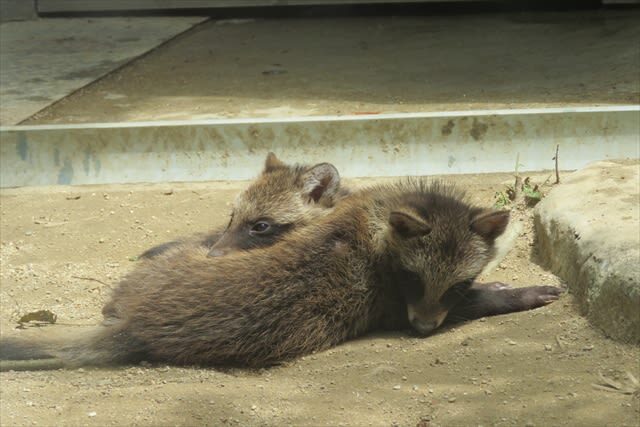

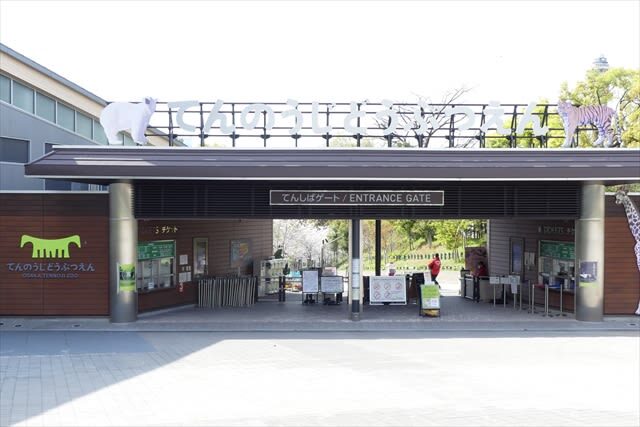
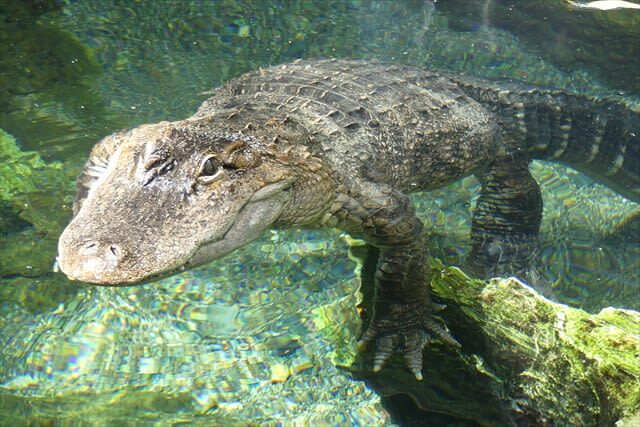

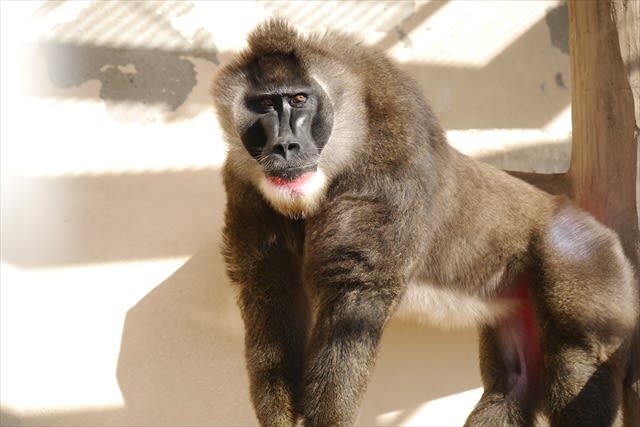
- A century-old city zoo: Tennoji Zoo opened on January 1, 1915, and celebrated its 100th anniversary in 2015.
- A compact collection: About 11 hectares hold roughly 1,000 animals from approximately 170 species.
- Habitat-focused exhibits: Ecological displays are designed to represent animals’ natural environments as faithfully as possible.
- An easy half-day outing: Allow around two to three hours, though a brisk visit can take less.
- Two convenient entrances: Reach the Shinsekai Gate from Dobutsuen-mae or Ebisucho, or use the Tenshiba Gate near Tennoji Station.
- Low-cost ticket choices: Options include a standard admission ticket, a ticket with a gacha badge gift, and a ticket with a 200-yen donation and thank-you card.

👉 See our pick of the 24 Best Workshops And Classes In Osaka
A small zoo in the middle of Osaka
Tennoji Zoo is a practical change of pace from Osaka’s shopping streets, train stations, and food districts. It opened in 1915 and now occupies about 11 hectares in Tennoji Ward. That is enough ground for a worthwhile walk, but not so much that you need to commit your whole day.
The collection is reported at around 170 species and 1,000 animals. For you, that means a good mix of familiar animals and a handful of less expected ones, without the long distances that can turn a zoo visit into a march. Families with young children may especially value the compact scale. You can see several exhibits, take a break, and still have time for another Osaka stop.
The zoo’s location is part of its appeal. It sits close to Tennoji, Shinsekai, and Tsutenkaku Tower, so it can fit into a day that already includes city sightseeing. If you are staying nearby or have a free morning, it is an easy outing to add. Just remember that being central also means this is a popular urban attraction, and crowds can make viewing harder at busy times.
You can also read our reviews of more tours and experiences in Osaka



What the ecological exhibits add
The zoo’s ecological exhibits are intended to recreate animal habitats as faithfully as possible. The idea is to give you more context than a simple lineup of cages: you can look at how an animal’s surroundings relate to the way it lives. This approach is one of Tennoji Zoo’s defining features, though the quality and openness of individual enclosures can vary.
The species range includes animals visitors often come hoping to see, such as polar bears, lions, bears, giraffes, hippos, wolves, monkeys, and red pandas. There is also a small nocturnal animal house and some indoor educational exhibits. These indoor spaces can add welcome variety, particularly if the weather is hot or you want a break from walking outdoors.
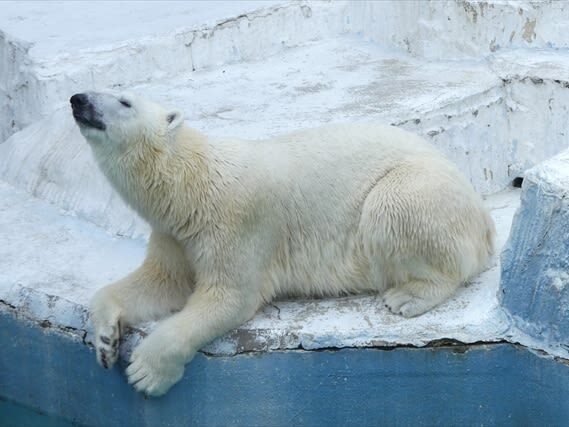
The polar bears are a particular draw. They have delighted many families with active swimming and play, but exhibit conditions can change: renovation or seasonal restrictions may affect access. And animal activity is never guaranteed. A lion may be asleep, a bear may be resting, and the monkeys may be the only ones in motion. If seeing one particular animal is the main reason for your visit, check for current exhibit information before setting out.
A sensible two-hour route
There is no guided itinerary or named guide included with this ticket. You explore the zoo on your own, choosing your pace and the exhibits that interest you. That freedom works well for families, but it also means you should check the map and opening information before arrival if you have limited time.
Start at either entrance, then follow the paths through the exhibits that matter most to you. If you are visiting with children, it may help to agree on a few must-see animals first, rather than trying to hurry through every enclosure. The grounds are compact enough that some visitors cover the main areas in about 90 minutes, while others spend closer to two hours or more.
Take your time at the animals that are active, and keep expectations flexible at the quieter enclosures. Reports of sleeping animals are common in hot weather, and the animals’ schedules do not follow yours. Summer visitors have found the heat uncomfortable for both people and animals. An earlier start can help you avoid the warmest part of the day, but the zoo opens at 9:30 am, not earlier.
If you have time after the zoo, make the outing part of a larger neighborhood day. Tsutenkaku Tower and Shinsekai are nearby, and Tennoji Station offers a convenient link to the wider city. That pairing is more satisfying than trying to stretch the zoo into a full-day attraction.
The value of a low-cost ticket
The advertised price starts at $1.29, making this an unusually inexpensive way to add an activity to an Osaka itinerary. The precise price depends on the ticket option and the offer available when you book, so check the amount shown for your chosen package before paying. High school students and older pay the adult rate; preschool children enter free.
There are three listed ticket types: standard admission, admission with a gacha badge gift, and admission with a 200-yen donation. The donation option includes a thank-you card, with designs subject to change. The donation supports animal welfare initiatives, but no donation receipt is issued. Check which option you select so you know what is included.
The value is strongest if you want a modest, family-friendly outing rather than a full-scale zoo experience. At this price, a couple of hours among a wide range of animals can be a good deal, especially when combined with another nearby attraction. The cost does not guarantee every exhibit will be open or every animal active, so judge the ticket as access to the grounds and exhibits, not a promise of a particular sighting.
Some facilities or activities may close seasonally. If bad weather forces operations to stop, travel expenses to reach the zoo are not covered. That is worth keeping in mind if you are making a special trip across Osaka solely for this visit.
Animal welfare and what to expect
A zoo visit asks you to look at both the animals and the conditions in which they live. Tennoji Zoo describes its ecological exhibits as attempts to represent natural habitats. At the same time, some visitors have been troubled by enclosure size, animal inactivity, or the effects of summer heat. Those concerns are serious, and they are worth considering rather than brushing aside.
A short visit cannot settle questions about an animal’s health or welfare. A resting animal may be following its normal pattern, but heat and limited space can also affect what you see. If you are sensitive to these issues, decide in advance whether visiting a city zoo fits your values. When you go, observe carefully, follow posted rules, and avoid treating animal activity as a performance on demand.
For families, this can be a useful chance to talk with children about wildlife, habitat, and the responsibilities involved in keeping animals in human care. The educational displays may support that conversation. Still, if your priority is seeing animals in large, open habitats, Tennoji may not meet your expectations.




Getting there and timing your visit
Tennoji Zoo has two main entrances, and the best one depends on where you are coming from. For the Shinsekai Gate, Dobutsuen-mae Station Exit 1 and Ebisucho Station Exit 3 are each about a five-to-ten-minute walk away. Shin-Imamiya Station, using the Tsutenkaku or East Exit, is about a ten-minute walk.
For the Tenshiba Gate, allow five to ten minutes from Tennoji Station, either Subway Exit 5 or the JR Central Exit. Osaka-Abenobashi Station Exit 7 is about a ten-minute walk. The address for the zoo is 1-108 Chausuyama-cho, Tennoji Ward, Osaka City.
Regular opening hours are 9:30 am to 5 pm, with last admission at 4 pm. On Saturdays, Sundays, and public holidays in May and September, the zoo stays open until 6 pm, with last admission at 5 pm. Hours and closure dates can change, so check the official website before you go. Do not arrive near closing and expect a relaxed visit: the last-entry time leaves a limited window to see the grounds.
The ticket voucher is valid for 30 days from booking confirmation and expires at 11:59 pm on the final day. Present the mobile voucher at the entrance. Once ordered, the ticket cannot be cancelled or refunded, and it cannot be combined with other coupons.
Who will enjoy Tennoji Zoo most?
I would put Tennoji Zoo on the list for families with younger children, visitors already in the Tennoji or Shinsekai area, and anyone looking for a low-cost activity between city sights. Its compact size makes it less daunting than a sprawling zoo, while the species variety gives children plenty to look for. Vending machines are available around the grounds, a useful detail when you are walking with kids.
It also works well for a short visit when you have a few hours to fill. Couples or solo visitors who enjoy animal exhibits may find it a pleasant change from shopping and sightseeing, especially if they are nearby. But if you want a full day of attractions, or expect spacious habitats and consistently active animals, you may prefer to spend your time elsewhere.
Should you book Tennoji Zoo?
Book Tennoji Zoo if the low price, central location, and chance to see a range of animals appeal to you. The best plan is to allow about two hours, check current hours and exhibit conditions, and pair the visit with Tennoji or Shinsekai. Choose the donation ticket if you want to add the 200-yen animal-welfare contribution and receive the thank-you card.
Skip it if your main goal is a large-scale zoo with expansive habitats, or if a hot day and possible exhibit closures would spoil the outing for you. Tennoji is an accessible urban zoo, not an all-day wildlife park. Go for a modest, convenient animal visit, and you are more likely to find the ticket good value.
Tennoji Zoo Ticket in Osaka
“Two adults spent a full hour and a half exploring. Highly recommended!”
FAQ
How long should I allow for Tennoji Zoo?
Plan for about two to three hours. A brisk visit covering the main animals may take around 90 minutes, while a slower family visit can take longer.
What are Tennoji Zoo’s regular opening hours?
The zoo is generally open every day from 9:30 am to 5 pm. Last admission is at 4 pm.
Does the zoo have longer hours on some days?
On Saturdays, Sundays, and public holidays in May and September, it is open until 6 pm, with last admission at 5 pm. Hours can change, so check the official website before visiting.
How do I get to the Shinsekai Gate?
Dobutsuen-mae Station Exit 1 and Ebisucho Station Exit 3 are each about a five-to-ten-minute walk away. Shin-Imamiya Station’s Tsutenkaku or East Exit is about a ten-minute walk.
How do I get to the Tenshiba Gate?
Tennoji Subway Exit 5 and the JR Tennoji Central Exit are each about a five-to-ten-minute walk away. Osaka-Abenobashi Station Exit 7 is about a ten-minute walk.
What is included with the donation ticket?
The donation ticket includes admission and a 200-yen donation for animal welfare. One thank-you card is provided for each admission ticket with a donation; the design may change.
Do preschool children pay admission?
No. Preschool children enter free. High school students and older are charged the adult rate.
How long is the mobile voucher valid?
It is valid for 30 days from the booking confirmation date and expires at 11:59 pm on the last day. Present the mobile voucher at the entrance.
Can I cancel or get a refund after buying the ticket?
No. The ticket cannot be cancelled or refunded after purchase.