
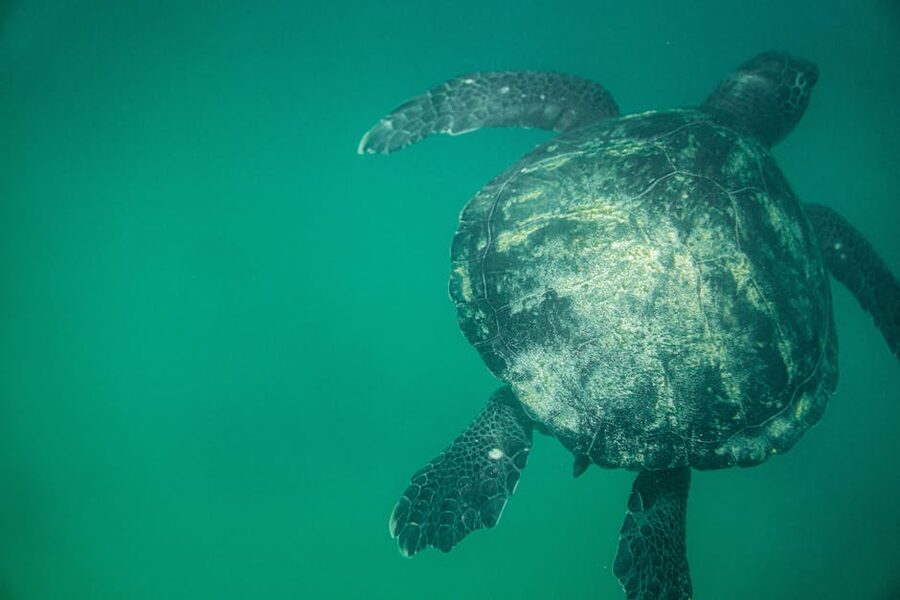
The first stroke pushes you off the dark sand at Las Vistas and the kayak slides into water so clear you can already see the bottom shifting from grey pebbles to bright blue. Twenty minutes of easy paddling along the coast toward Palm Mar, you swing the bow toward the buoy line, slip off the side of the sit-on-top, and a green turtle the size of a car bonnet glides under the hull, slow and unbothered. That moment is the entire reason this tour exists, and it happens almost every single day on this strip of south Tenerife coast.
This is a working guide to booking it well. I’ll cover the standard 3-hour format, the wetsuits-included variant, the family-friendly age limits, and the difference between tours that hand you free underwater photos and ones that charge for them at the end.
- In a Hurry: Quick Picks
- What This Tour Actually Is (And Where the Turtles Live)
- How the 3-Hour Standard Format Works
- Wetsuits Included or Skip Them?
- Family-Friendly Limits and Who Should Skip the Kayak
- Photos: Free, Paid, or Bring Your Own
- Snorkel-Only Alternative (No Kayak)
- PADI Beginner Dive in the Same Zone
- Top 3 Tours to Book
- 1. Kayak and Snorkel with Turtles with Free Videos:
- 2. Kayak and Snorkel with Turtles, Wetsuits Included:
- 3. Snorkelling Trip in a Turtle Habitat:
- Practical Booking Tips
- Turtle Etiquette (Read This Before You Slip In)
- Why South Tenerife and Not Somewhere Else?
- What I’d Skip
- What to Pack the Night Before
- Where to Go Next on the Island
- More Spain Guides Worth Bookmarking
In a Hurry: Quick Picks
Best overall, free videos and photos included: the Kayak and Snorkel with Turtles tour from Xplore Tenerife, $40 per person, 3 hours. Guides chase the turtles in the right zone and send you the GoPro footage afterwards.
Best for cool-water months and sensitive skin, wetsuits provided: the Wetsuits Included version, $35 per person, 3 hours, also includes the Cueva de los Enamorados sea cave detour.
If you don’t want to paddle: the snorkel-only Turtle Habitat trip, $42 per person, around 2.5 hours by speedboat. Less effort, same turtles, photos included.
What This Tour Actually Is (And Where the Turtles Live)
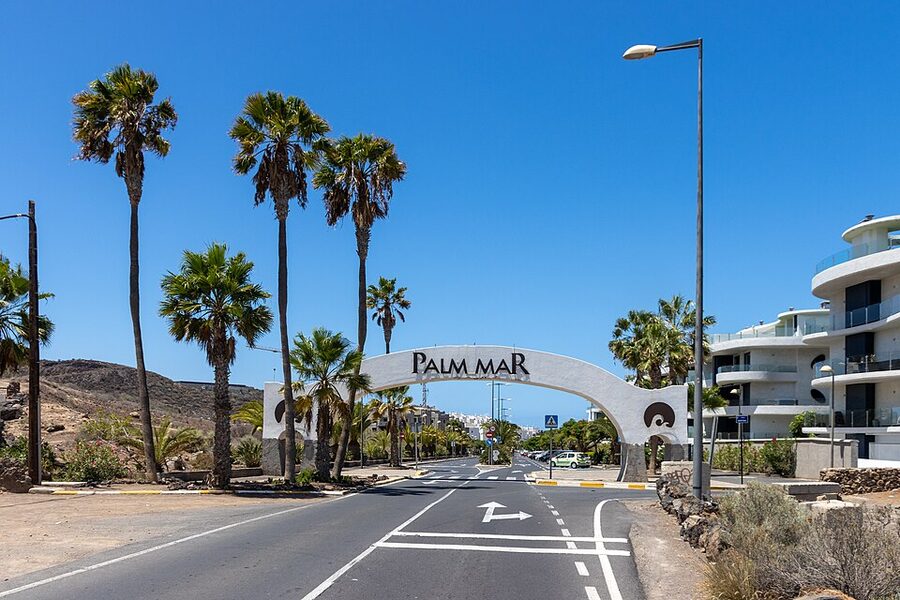
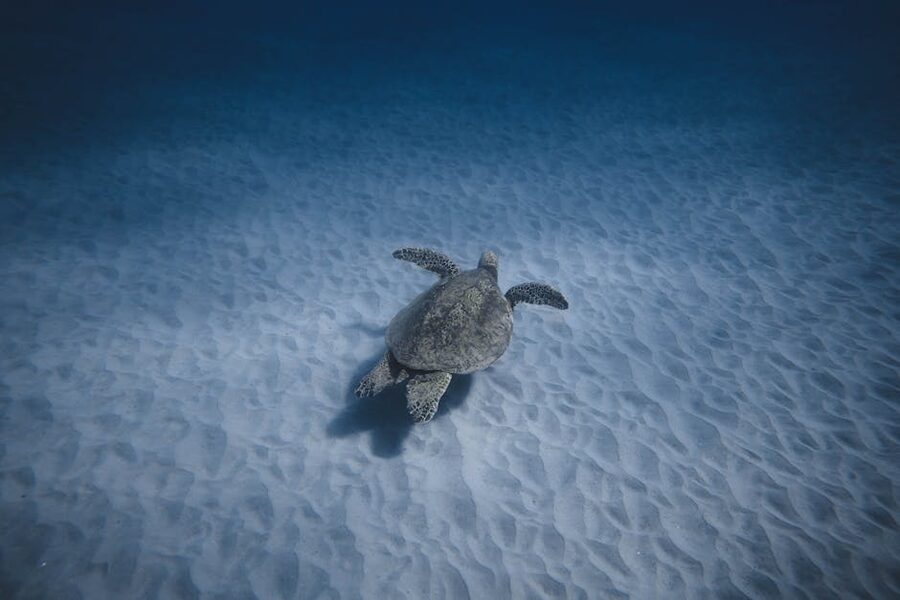
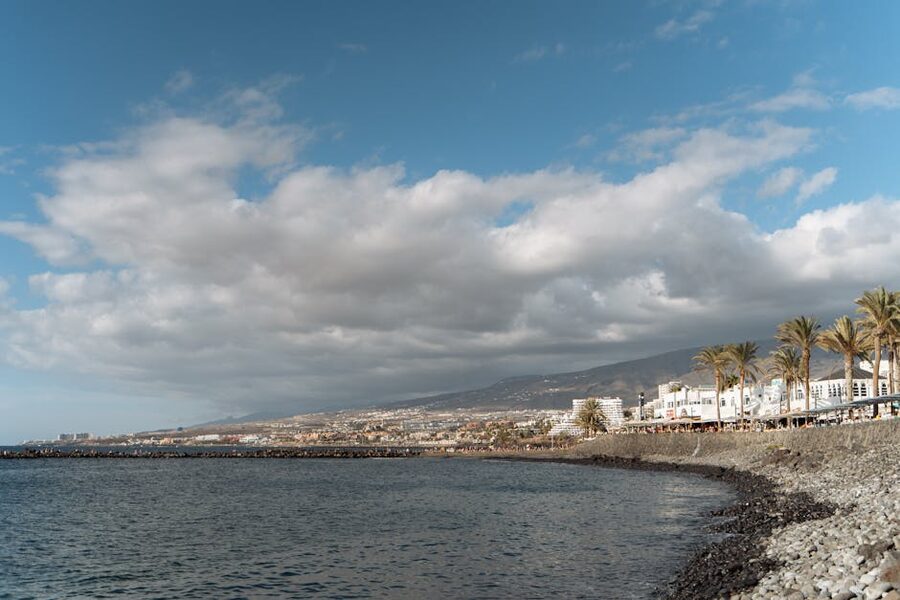
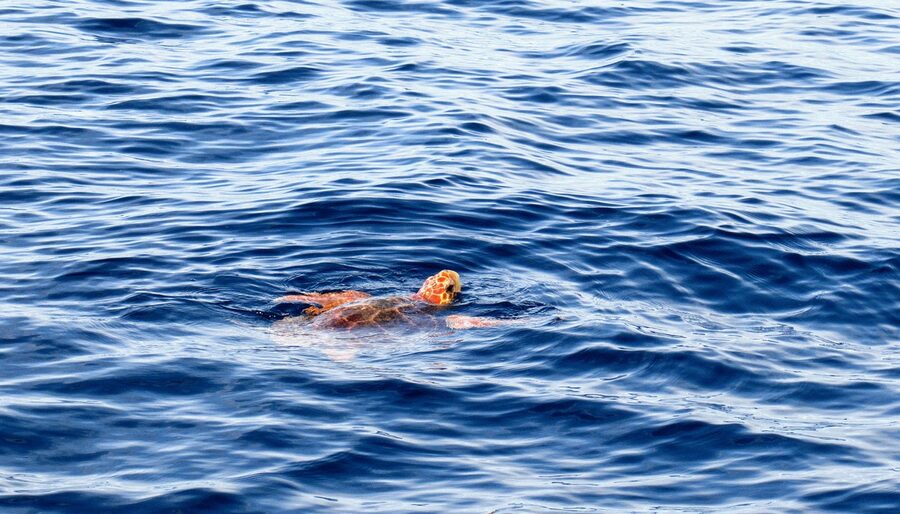
The whole experience hangs on one quiet stretch of coast between Las Vistas in Los Cristianos and the village of Palm Mar, about 4 km south. There’s a floating fish farm anchored offshore here, with a yellow buoy line marking the edge. The fish farm pulls in scraps and small jellyfish, and the resident green sea turtles eat there every day. They’re not migrating. They’re not seasonal. A small population of Chelonia mydas just lives in this zone year round, and the operators know exactly where to look for them.
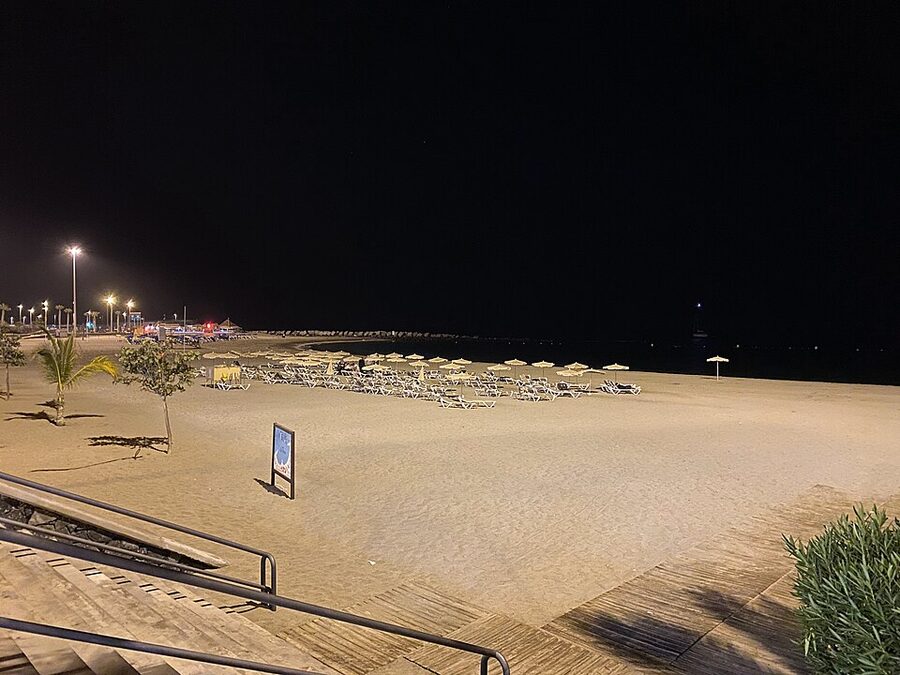
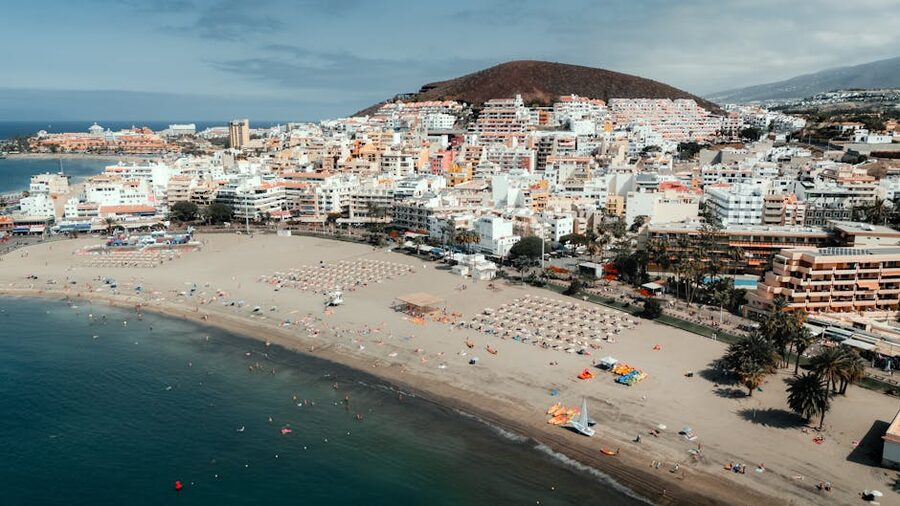
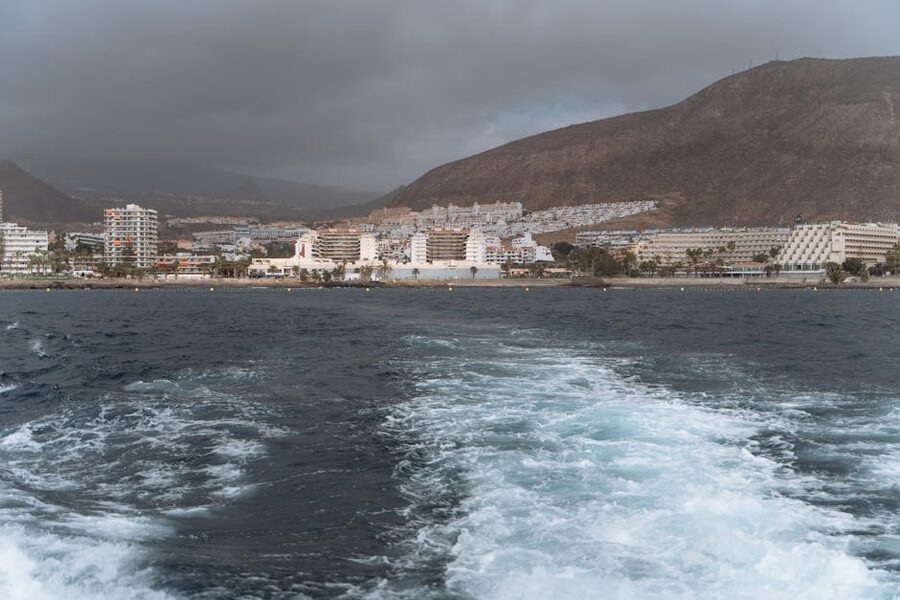
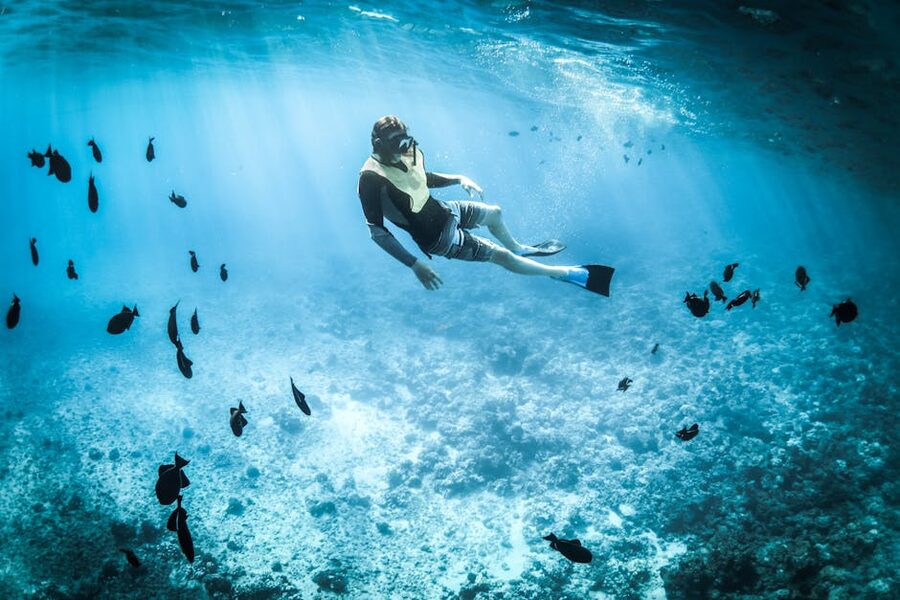
Most tours launch from Las Vistas beach in Los Cristianos, paddle south along the cliffs, drop in at the buoy line, and snorkel in 4 to 8 metres of water. Some smaller operators start directly from Palm Mar, which means less paddling and a faster turtle encounter. The standard package is around 3 hours start to finish, including a safety briefing, the paddle out, the snorkel, and the return. You’re in the water for roughly 30 to 45 minutes, which is more than enough.
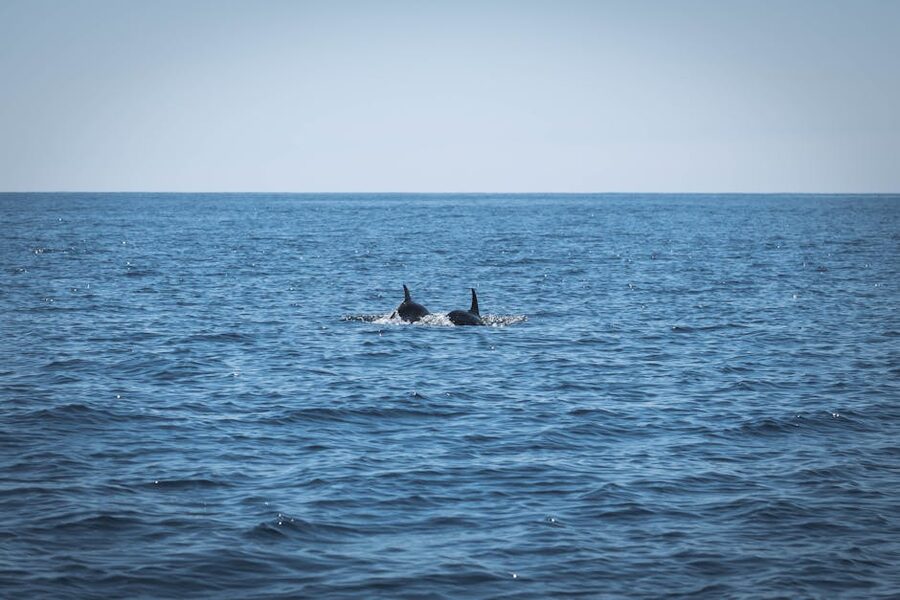
If you’re trying to picture how this slots into a south Tenerife trip, it pairs beautifully with the cetacean side of things. We have a full breakdown in our Tenerife whale watching guide, and the same coastline holds resident pilot whales just a bit further offshore. Different boats, different focus, same sea. A lot of visitors do the kayak in the morning and the whale watching the next afternoon.
How the 3-Hour Standard Format Works
You’ll get a meet-up time, usually 9am or 1pm, at a tour office or directly on Las Vistas beach. The operators want you 15 minutes early because they fit wetsuits and run the safety chat in a group. From there it goes:
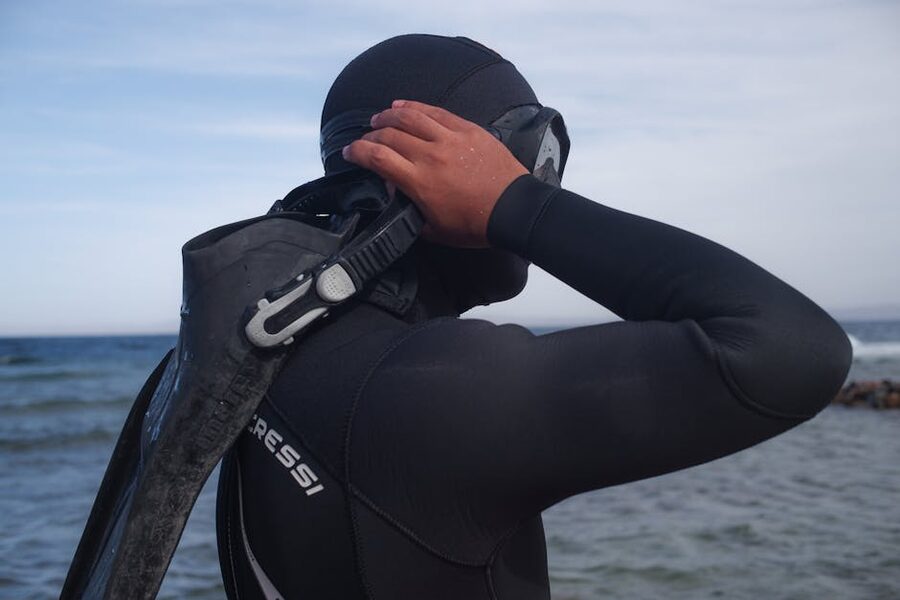
- Briefing and gear: 15-20 minutes. Wetsuit (if included), buoyancy aid, paddle, snorkel mask, fins. Dry bags for phones if you want to bring one.
- Paddle out: 20-30 minutes. Mostly along the coast, sit-on-top kayaks, double or single. Calm water 90% of the time, but you do feel the swell where the cliffs jut out.
- The turtle zone: 30-45 minutes in the water. Guides tie the kayaks together at the buoy line so they don’t drift, then you slip off the side and snorkel. They know which buoy gets the most action.
- Return: 20-30 minutes paddle back, often with a quick swing past the cliffs to see if dolphins are hanging around the fish farm.
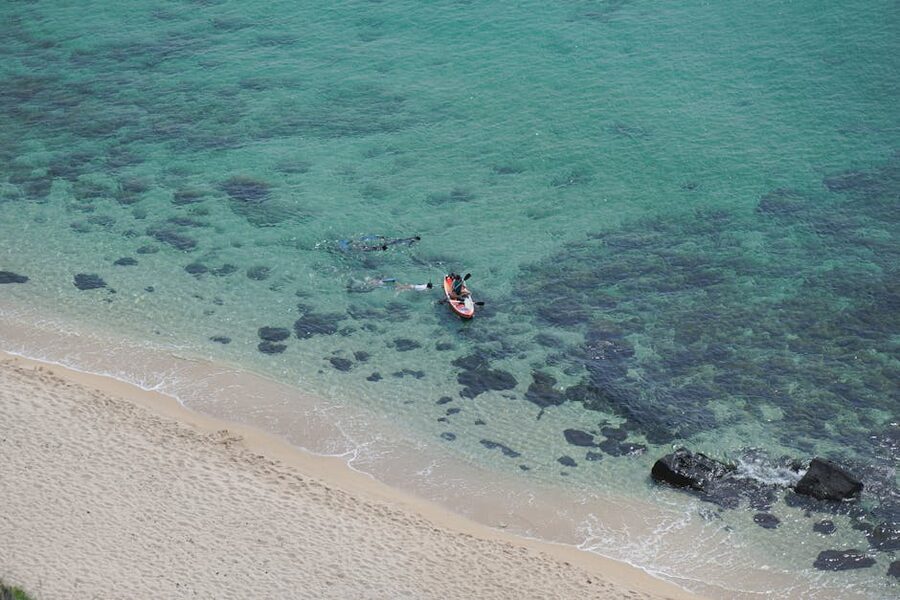
Bring: swimsuit on under your clothes, water, sunscreen (reef-safe, please), a towel for the kayak deck, and shoes you can walk back in across hot sand. Don’t bring your good camera. The tour photos are usually better than anything you’ll manage with a phone.
Wetsuits Included or Skip Them?
Tenerife water sits between 18 and 23 degrees Celsius depending on the month. November to April it’s cold enough that an unprepared swimmer will be shivering after 15 minutes. May to October you can probably get away without a wetsuit, but you’ll still be more comfortable in a thin shortie if your tour throws one in.
The wetsuits-included variant is the one I’d default to from October through May. It’s actually $5 cheaper than the free-videos flagship in most months, and it adds a quick stop at Cueva de los Enamorados, the lover’s cave on the Palm Mar cliffs. You paddle into the cave mouth, the light goes that strange green-blue, and most groups stop to take a photo of each other under the rock. It’s a nice break in the middle of the paddle.
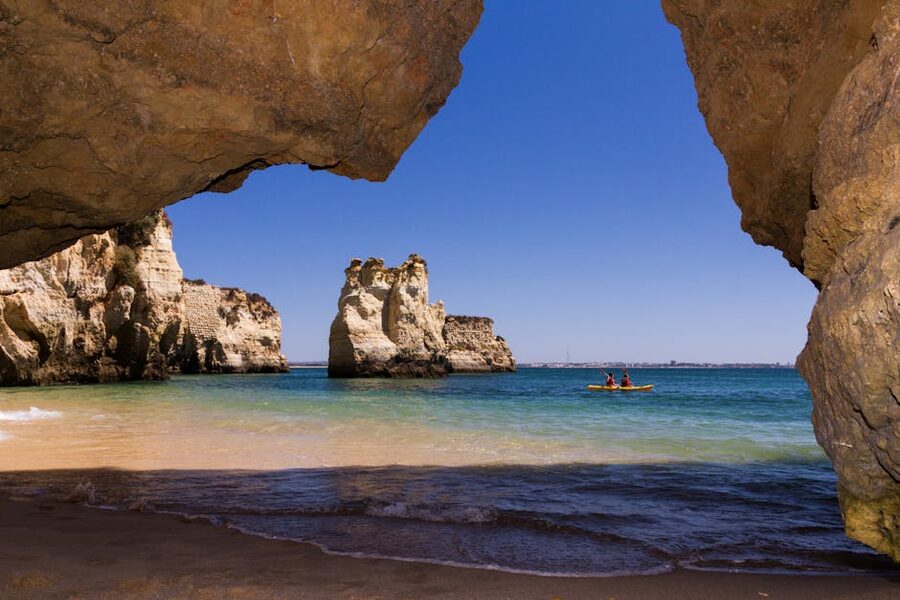
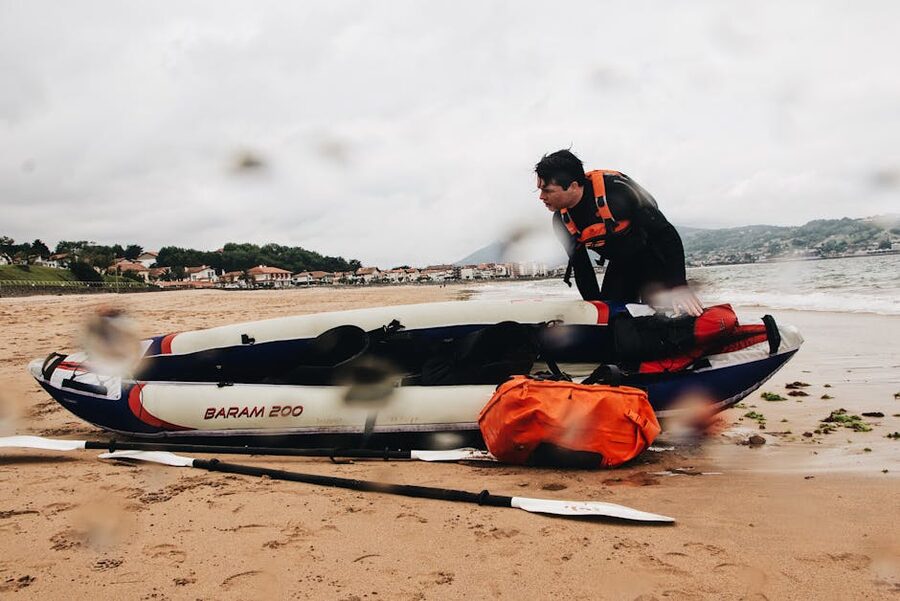
If you’re booking July or August, the wetsuit feels like overkill on a hot 28 degree day. That’s when I’d jump to the free-videos version instead. Same coast, same turtles, but you get every clip the guide shoots on the GoPro emailed to you afterwards. People end up watching that footage more than they expect.
Family-Friendly Limits and Who Should Skip the Kayak
Most operators set a minimum age of 6 or 7 for the kayak version. The reason isn’t the paddling itself, it’s the snorkel section. A 6-year-old can sit in the front of a parent’s double sit-on-top with no issue. Snorkelling for half an hour in 6 metres of open water with a 6-year-old is a different question, and most parents end up doing it as a relay, one parent in the water, one in the kayak with the kid.
If your group includes anyone under 6, anyone who can’t swim confidently, or anyone with mobility issues that make a sit-on-top awkward to climb back into, look at the snorkel-only Turtle Habitat trip instead. It runs from a speedboat with a swim platform, the entry is much easier, and the minimum age is usually 4. You also get more bottom time because nobody’s paddling.
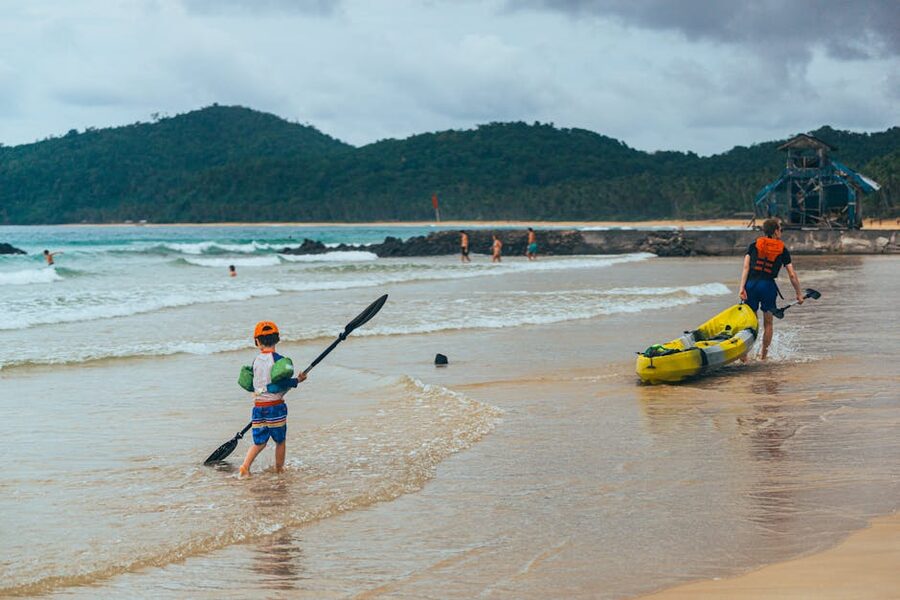
For a different kind of marine day with kids, our Loro Parque guide covers the big aquarium and zoo on the north side, and Siam Park is the obvious water-based alternative if your kids would rather slide down a tower than chase turtles. Both are good rainy-day backups too, though rainy days in south Tenerife are rare.
Photos: Free, Paid, or Bring Your Own
This is the single biggest differentiator between tour listings, and it’s worth getting right before you book.
Free photos and videos. The flagship Kayak and Snorkel with Turtles tour with Free Videos includes everything the guide records on a GoPro, sent to your phone or email after. No upsell. This is the version most return visitors recommend, and it’s why I usually point friends here first. The cost is baked into the $40 ticket.
Paid photos as add-on. Some operators record the trip and then offer the footage for an extra €10-15 at the end. Fine if you didn’t budget for it, but you can pay double for the same content versus the free-videos version. There’s a kayak safari with photos package in this category that’s slightly different in route, but on price alone, the free-videos one wins.
BYO GoPro. The Cueva de los Enamorados is dim, the turtle zone is bright. A normal phone in a waterproof pouch will give you a couple of decent stills and a lot of blurry video. A GoPro Hero 9 or newer with a floaty grip is the actual right tool, and most rental shops in Los Cristianos have them for around €25 a day. If you’ve got one already, the no-frills kayak safari is a few euros cheaper and uses the same route.
Snorkel-Only Alternative (No Kayak)
If the paddling part feels like a chore, or if you’re nervous about getting back into a kayak after snorkelling, the Tenerife snorkelling trip in a turtle habitat is the cleanest alternative. It’s run on a speedboat from Los Cristianos harbour, takes about 2.5 hours, and gives you a longer in-water session because you skip the paddle leg.
The trade-off is volume. You’re sharing the boat with up to 12 people, so the in-water experience can feel busier. The plus side is you cover more coast and often spot dolphins on the speedboat ride out. Guides like Andrea and Maxi run a tight, friendly briefing and the boat has a proper swim platform that drops you straight into the water without any climbing back in.
PADI Beginner Dive in the Same Zone
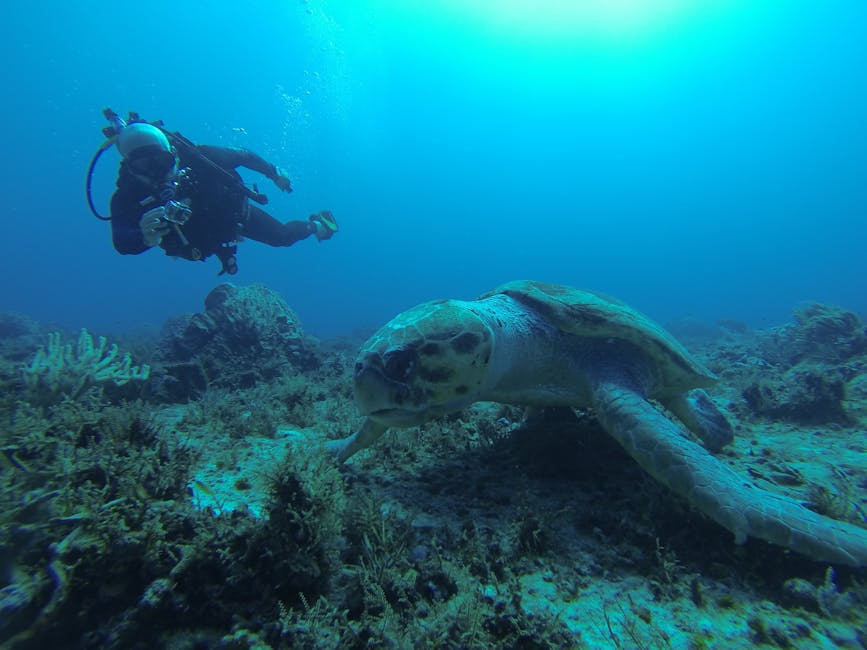
The same patch of water that hosts the turtle snorkel is also where local dive schools run discover-scuba sessions. The PADI beginner scuba dive in the turtle area takes complete first-timers down to about 6 metres with an instructor on a one-to-one or one-to-two ratio. No certification needed.
Why bother going under instead of snorkelling? Because the turtles often feed on the bottom rather than at the surface, and a snorkeller on a deep breath gets maybe 20 seconds with them. A beginner diver gets 30 minutes. If you’ve never tried scuba and you’re going to try it once, here’s a strong argument for doing it in a place where the bottom layer is full of something worth seeing.
One caveat. Discover-scuba sessions need a basic medical questionnaire to be a clean pass. If you have asthma, recent ear infections, heart conditions, or are pregnant, the school will (rightly) ask for a doctor’s note. Bring it with you or sort it before you fly.
Top 3 Tours to Book
These are the three I’d put real money on. Picked from the most-reviewed tours running this exact stretch of coast, ranked by what you actually get for the price.
1. Kayak and Snorkel with Turtles with Free Videos: $40
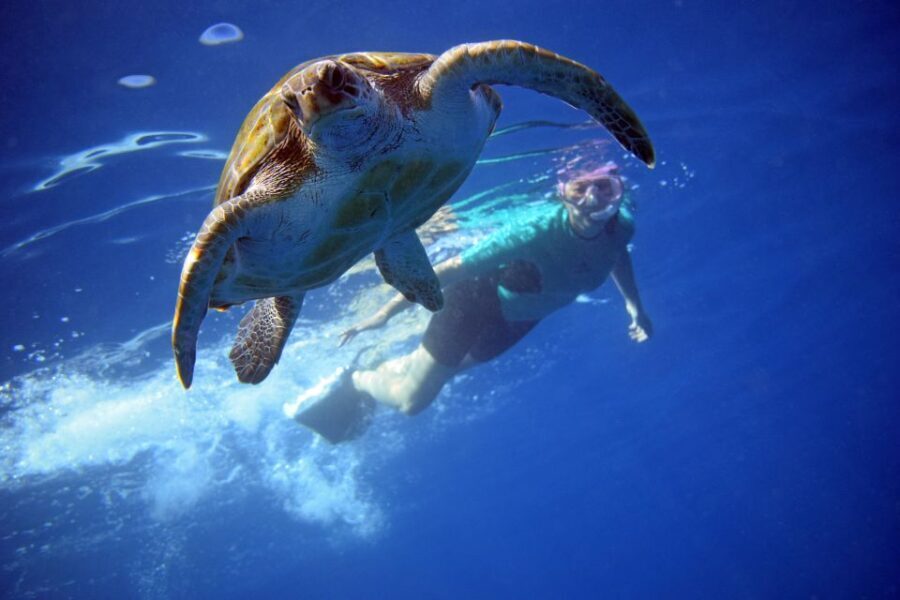
This is the obvious default and the one I’d book without thinking too hard. Three hours total, the standard Las Vistas to Palm Mar route, wild turtle and dolphin chances, and our full review of the free-videos tour covers exactly what’s in the video pack and how the operator hands it over. The free media alone is worth more than the price difference versus rivals.
2. Kayak and Snorkel with Turtles, Wetsuits Included: $35
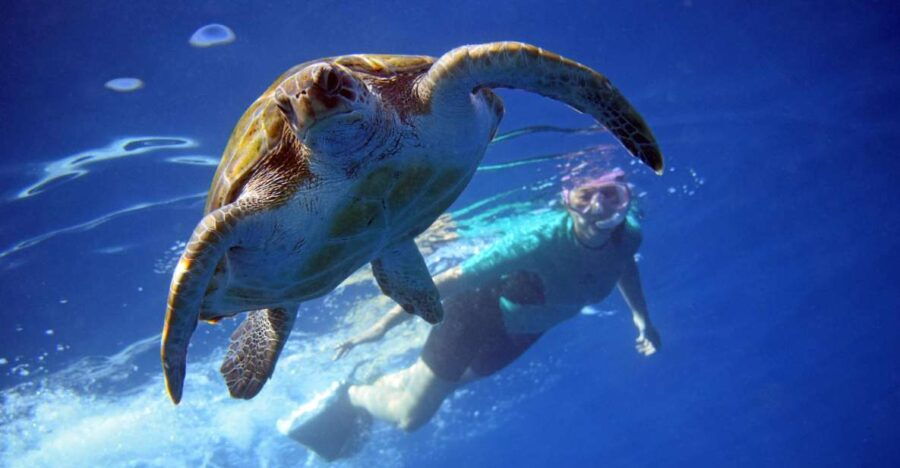
Five dollars cheaper than the flagship, with the wetsuit thrown in and the bonus sea cave detour. Carlos and the other guides keep the group small and run a calm, friendly briefing. Our wetsuits-included review gets into the cave timing and how late in the day the cave light works best.
3. Snorkelling Trip in a Turtle Habitat: $42
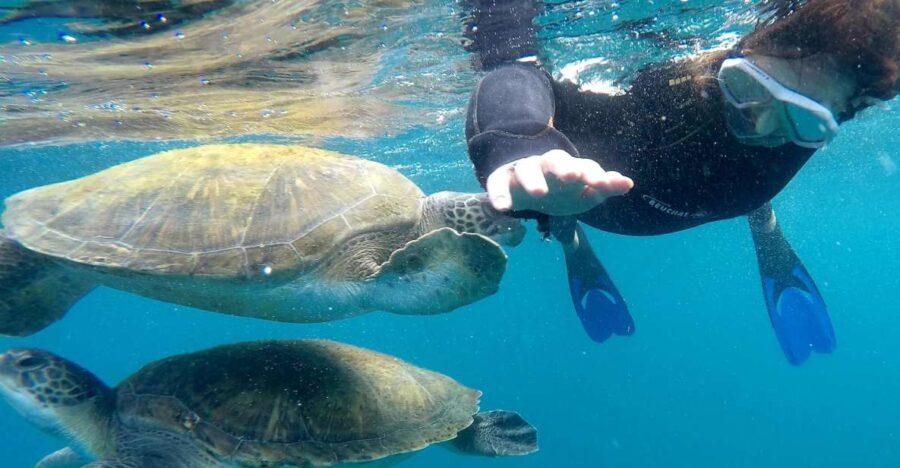
If anyone in your group is wobbly on a sit-on-top or under the age limit for kayaks, this is the call. Andrea and Maxi run friendly, patient sessions with proper safety gear, and our snorkel-habitat review walks through the boat layout and how the swim platform makes it work for first-timers.
Practical Booking Tips
Book 24 to 48 hours in advance in low season, 4 to 7 days in high season. July, August, and Christmas week sell out fastest. The morning slots fill before the afternoons because the wind picks up after 2pm and the paddle gets choppier.
Pick the morning slot if you can. Visibility is consistently better before lunch. The sun angle on the water also helps you spot turtles from the kayak before you slip in. By mid-afternoon the chop kicks up and the turtles can drift out of easy sight.
Don’t book the cheapest unbranded option you find on a flyer in the resort. Some Los Cristianos beach hawkers sell €15 “kayak with turtles” trips that turn out to be a 45-minute paddle around the bay with no snorkel section and no actual turtle zone. You want the operators on the GetYourGuide listings above. If you want a slightly different launch point, the Los Cristianos kayak and snorkel option has its own review.
Cancellation policies. Most GetYourGuide listings for these tours offer free cancellation up to 24 hours before, which matters more than people think. Tenerife gets the occasional Atlantic swell that closes the launch beach, and a free-cancel ticket means you can rebook for the next day instead of losing the deposit.
Turtle Etiquette (Read This Before You Slip In)
The Palm Mar green turtles are habituated to swimmers but they are still wild animals. The rules are simple and the guides will tell you, but here they are anyway, written down where you’ll remember them.
- Never touch a turtle. It feels harmless. It isn’t. Their shells have a protective biofilm that comes off when grabbed and they can pick up infections from human bacteria.
- Approach from the side, never from above or directly in front. Coming over the top spooks them into a fast dive that wastes energy they need for foraging.
- Give them clear surface space. Turtles need to come up for air every 5-10 minutes. If you’re floating directly above one, it can’t surface. Move sideways and let it through.
- Don’t chase a turtle that’s moving away. It’s telling you it’s done. There will be another one along.
- Reef-safe sunscreen, ideally applied 20 minutes before you get in the water so the alcohol carrier has time to absorb. Most regular sunscreens contain oxybenzone, which is genuinely bad for marine life.
Why South Tenerife and Not Somewhere Else?
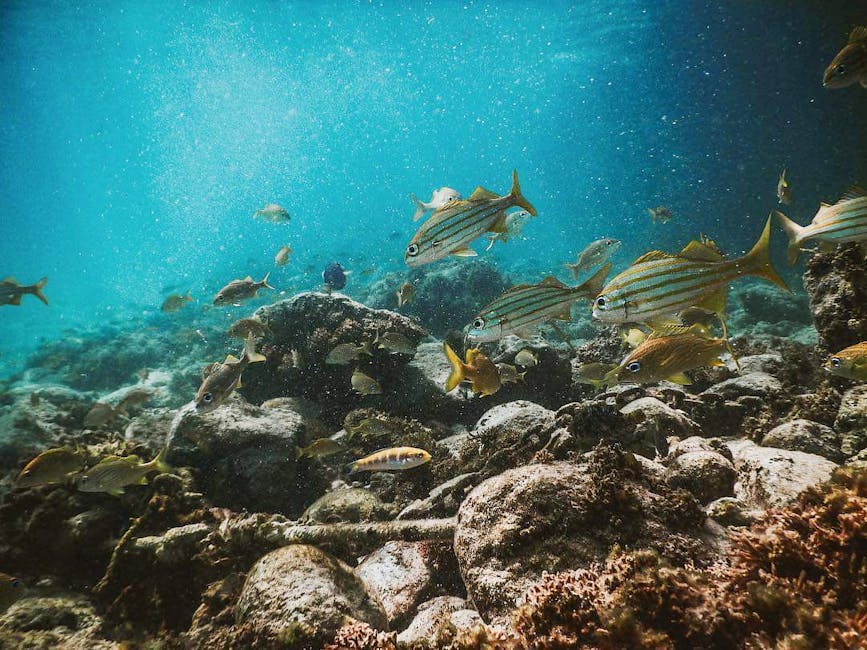
Sea turtles live in plenty of places. Hawaii has them. Sri Lanka. The Greek islands. So why is Tenerife such a reliable spot? Three reasons. The Canary Current pushes nutrient-rich water along this coast year round, so the food supply for green turtles never disappears. The water clarity averages 15 to 25 metres of visibility on a calm day, which is far better than the Med. And the tours are properly regulated, with capacity limits per buoy and trained guides who know which animals are local residents versus passing migrants.
The Palm Mar population specifically has been monitored since the early 2000s. Some of the turtles you see today have nicknames among the local guides because they’ve been in the same zone for over 15 years. That kind of stability is rare.
If the marine life angle is what’s pulling you to this part of Spain, you’ll find more in the same vein around the islands. Our Costa Adeje dolphin and whale cruise guide covers the bigger eco-cruise option from Puerto Colón just up the coast. On Fuerteventura, the Morro Jable dolphin and whale tour works on the same Atlantic-Canary current logic but with smaller crowds. And inland, the Valencia Oceanogràfic aquarium and the Barcelona Aquarium are the equivalents for travellers who’d rather see marine life behind glass.
What I’d Skip
Two warnings worth printing.
First, avoid any operator that promises “guaranteed dolphin sightings” alongside the turtle snorkel. Dolphins around Palm Mar are common but they’re wild. Anyone guaranteeing them is either chasing pods (which is bad for the animals and increasingly illegal in Canarian waters) or selling you a story.
Second, skip the all-day “kayak plus paragliding plus jet ski” combo packages some agencies push. They sound exciting but you end up rushed through everything, and the turtle snorkel section gets cut to 15 minutes. The 3-hour pure tour is the right shape.
What to Pack the Night Before
- Swimsuit (worn under your clothes)
- Towel
- Reef-safe sunscreen, applied early
- Cap or hat for the paddle
- Water bottle, ideally insulated, the kayaks bake in the sun
- Flip-flops or sandals you don’t mind getting wet
- Cash for tips, €5 to €10 per guide is normal
- Phone in a waterproof pouch only if you really must, the GoPro footage from the tour is better
That’s it. Don’t bring valuables, the kayaks have no secure storage. Most operators will keep a small dry bag at the office while you’re out.
Where to Go Next on the Island
If you’ve got the south Tenerife marine itinerary sorted, push inland for a day. Our Mount Teide guide covers the volcano cable car and the night-stargazing options that pair surprisingly well with a morning kayak day, since you’re tired enough to nap on the drive up. Pure-water kids will want Siam Park, and animal-lovers should plan a full day at Loro Parque on the north coast.
More Spain Guides Worth Bookmarking
Once you’re done with Tenerife, the Spanish marine and adventure circuit gets a lot bigger. Our Tenerife whale watching guide is the natural pairing if you want a second water day on the same coast, and the Ibiza western cruise is the easy mainland-jump for snorkel-and-swim travellers heading back from the Canaries via Palma. For a calmer, family-shaped marine fix back on the peninsula, the Valencia Oceanogràfic is the obvious aquarium fixture in Spain.