Singapore’s everyday coffee order can tell a bigger story than its menu suggests. On this Chinatown walk, kopi, cha and Bak Kut Teh open a window onto the work and habits of early immigrants, with tastings and local history along the way.
I like two things in particular: the food is tied to its past, rather than treated as a simple lunch stop, and a visit to an old tea merchant can turn familiar tea into something worth noticing. Guides such as Patrick and Lai Yoke have also been praised for clear, engaging storytelling.
One point to check before booking: although the experience is titled a private tour, the stated group size is 5 to 20 participants. Also confirm which tea-shop activities and tastings are operating on your date, since the hands-on elements have not always been available.
- The tour at a glance
- Chinatown’s street stories set the scene
- Bak Kut Teh brings the working past to lunch
- An old tea shop makes the past tangible
- Kopi explains the language of the kopitiam
- What the three-hour route feels like
- Is the price fair for what’s included?
- Booking details to keep handy
- Should you book the Kopi & Cha walk?
- FAQ
- How long is the tour?
- Where does the tour meet?
- Is this a private tour?
- What food and drink are included?
- Can children join?
- Is the tour wheelchair- and stroller-accessible?
- The Best Of Singapore!
- More Guided Tours in Singapore
- More Tours in Singapore
- More Tour Reviews in Singapore
- Not for you? Here's more nearby things to do in Singapore we have reviewed
The tour at a glance
 1 / 2
 2 / 2
- Three hours on foot: Meet at 10:00 at the Squatters & Squalor statue, 12 Nankin Street, and return around 13:00.
- Bak Kut Teh with context: Lunch is paired with tea and a story about the dish’s coolie-era associations.
- Kopi and cha tastings: Learn about Singapore-style coffee, tea traditions and kopitiam ordering language.
- An old tea merchant: The visit may include tea fragrances, a look at different tea styles and a traditional packet-folding activity.
- A small take-home extra: The package includes a gift packet of Nanyang tea.
👉 See our pick of the 25 Best Guided Tours In Singapore
Chinatown’s street stories set the scene
The walk begins at the Squatters & Squalor statue on Nankin Street. Your guide uses the statue and surrounding streets to introduce the lives of early immigrants and coolies, the laborers whose work helped shape Singapore. It’s a useful start because the tour’s food and drinks are not presented as isolated curiosities: they connect to the routines, wages and tastes of people who made a life here.
This opening can be one of the most rewarding parts of the outing. Guides including Patrick Lee and Lai Yoke have been singled out for making local history easy to follow, with anecdotes that link street details to the people who once lived and worked nearby. The audio headsets help, too. Chinatown’s streets can be noisy, and a clear signal makes it easier to listen without clustering around the guide.
Expect a walking tour, not a seated history talk. You’ll move through Chinatown’s lanes and stop to hear short explanations, so comfortable shoes and a bottle of water are sensible. The group is listed at five to 20 people, which is intimate enough for questions but not a private outing unless your particular booking says otherwise.
You can also read our reviews of more guided tours in Singapore


Bak Kut Teh brings the working past to lunch
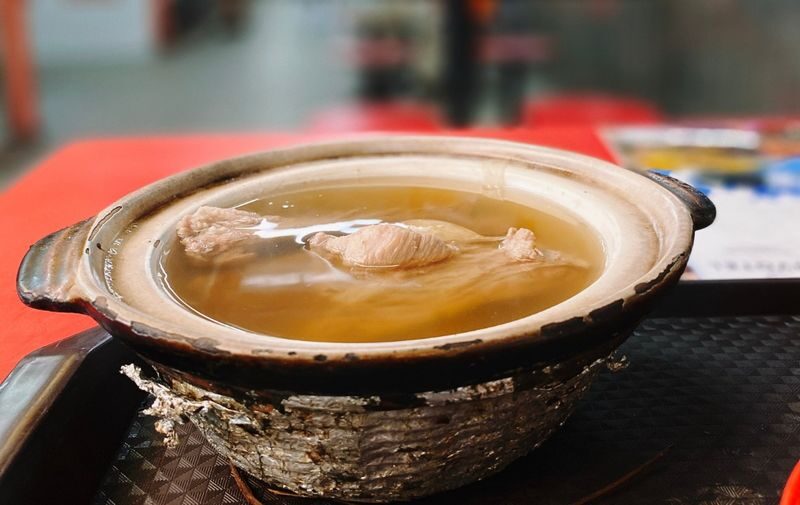
The meal is a central part of the experience, not a snack tacked onto a sightseeing walk. Bak Kut Teh, a pork-rib soup associated with Chinese immigrant communities, is introduced through its origins and its connection to coolie life. The tour includes lunch at a Michelin-recommended stall, with tea pairing intended to add another layer to the story.
A number of outings have taken place around Hong Lim Food Centre, including at Hokkien Street Bak Kut Teh. The food stop has been praised for its soup, and some participants especially enjoyed the Hokkien-style version. One practical tip: skip a large breakfast if you want to arrive hungry. The walk begins at 10:00, and lunch comes early in the three-hour schedule.
The experience may not suit every palate. Bak Kut Teh is pork-based, and the soup’s herbal character can be an acquired taste. One diner found the meal average, while others enjoyed it enough to plan a return visit. If you have dietary restrictions, check directly with the operator before booking; the supplied details do not describe substitute meals.
The tea pairing is also an aspect worth confirming. It is meant to connect the meal to tea traditions, but the depth of explanation and what is served can vary. If the pairing is a main reason you’re considering the tour, ask what the current version includes rather than assuming it will be a formal tasting.
An old tea shop makes the past tangible
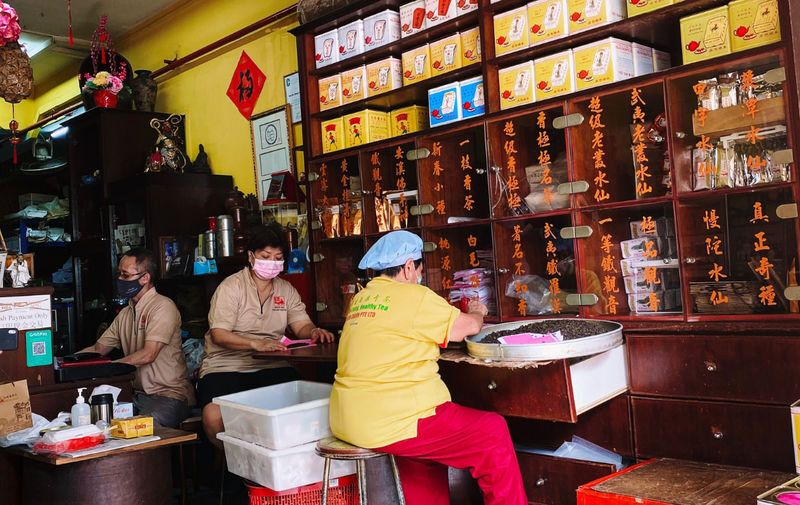
The tea merchant visit offers a change of pace from the street-side storytelling. The shop is described as one of Singapore’s oldest original tea merchants, with tea roasting and blending still part of its work. You may learn how Temple, Nanyang and Ping Pong teas differ, smell several tea varieties and try folding a traditional tea packet.
That hands-on side is what can make this stop memorable. Tea fragrance is a simple way to compare varieties, while packet-folding gives you a small task to connect with an older trade. You also receive a packet of Nanyang tea to take home, a modest but fitting souvenir.
Do not assume every outing includes the full workshop. Some sessions have included a shop visit and interaction with the owner; one reported experience was limited to a short explanation from the sidewalk, without the planned tea tasting or packet-folding. The tour’s value changes noticeably if this stop is only a brief introduction. Check in advance that the shop visit and hands-on activities are running on your date.
The tour also introduces the distinction between traditional Chinese tea and newer tea-shop offerings, including bubble tea. That contrast helps place old habits beside present-day tastes without pretending that one has simply replaced the other.
Kopi explains the language of the kopitiam
The coffee portion brings the walk back to Singapore’s familiar breakfast table. You’ll hear about local kopi styles, the language used to order them and the ways several languages meet in a kopitiam. The tour also explores why some coolies preferred butter in their coffee, a detail that gives an everyday drink a more specific past.
The final stop is associated with Nanyang Old Coffee, where participants have enjoyed local coffee and kaya toast. The location also houses a simple coffee museum, adding a little context to the tasting. In practice, the drink may be a coffee of your choice rather than a structured flight of several styles. If you’re expecting to taste many variations, ask what is included in the current program.
The best reason to join is not simply to get a cup of kopi. It’s to learn the vocabulary and customs behind it, then notice how a familiar order carries traces of migration and work. Even if you already drink kopi or teh, you may come away paying closer attention to the way it’s prepared and ordered.
What the three-hour route feels like
The schedule runs from 10:00 to about 13:00. It combines a street introduction, lunch, tea-related stops and a coffee finish, with walking between locations. That makes it a compact way to spend a mid-morning in Chinatown, especially if you want food and local history in the same outing rather than a general overview of the city.
Past outings have included details beyond the food theme, such as Chinatown alleys, murals and old crockery. A secret shop selling old-school kopi cups, bowls and tiffin boxes is among the advertised stops. These smaller places can be the most revealing part of a guided walk: they show how local objects were used, not just how they look behind glass.
The pace has been described as comfortable, with much of the walking along sheltered walkways on some outings. Still, this is not a fully sheltered indoor activity. Singapore’s weather can change quickly, so bring an umbrella and water, and wear comfortable footwear. The schedule can shift with traffic and weather.
The tour is not stroller- or wheelchair-accessible, and it is not recommended for pregnant women. Children aged zero to four may join free, but do not receive food or drinks. Keep those limits in mind if you’re planning a family outing.
You can also read our reviews of more private tours in Singapore


Is the price fair for what’s included?
The listed prices are not entirely consistent: the tour summary says from US$62.89, while the Kopi & Cha package is shown from US$54.69. Check the final price for your date before paying. Some UOB cardmembers in Singapore, Malaysia, Thailand, Vietnam and Indonesia may qualify for a 20% discount with a country-specific promotion code; terms apply, so confirm eligibility at checkout.
The fare includes an English-speaking guide, headset system, lunch, tea and coffee items in the itinerary, the tea merchant visit and a packet of Nanyang tea. That is a fair bundle if you value a guide who connects the stops and explains the cultural background. It is less compelling if you mainly want a generous food crawl or a guaranteed, hands-on tea workshop.
The tour’s strongest asset is the connection between its parts. A bowl of Bak Kut Teh, an old tea merchant and a cup of kopi become more interesting when someone explains how they relate to immigrant life and local customs. Guides Patrick and Lai Yoke have been praised for patient, engaging explanations, and the headsets help those stories carry across busy streets.
Still, the experience depends on what is operating on the day. The stated itinerary promises tastings and interactive tea activities, while actual visits have varied in how much access and participation they provide. Ask about the current route and included tastings before booking if those details are essential to you.
Booking details to keep handy
Meet at the Squatters & Squalor statue, 12 Nankin Street, Singapore 048878. The guide is described as wearing an 8th Wave T-shirt and holding a signboard. Arrive 10 minutes early; late arrivals and no-shows are not refundable, and the voucher is valid only for its specified date and time.
You’ll need to present a mobile voucher. The supplied packing list includes a mobile phone, mask, water bottle and umbrella, along with SafeEntry access and a TraceTogether app or token. Those health-app references may be outdated, so check current instructions with the operator before your visit. Personal expenses beyond the included items are not covered, and the package is listed as non-refundable.
Should you book the Kopi & Cha walk?
Book it if you’re curious about Singapore’s food culture and want a guide to connect drinks and dishes with the lives behind them. It suits food-minded visitors, Singapore residents keen to see Chinatown from a fresh angle, and families with older children who can manage a three-hour walk.
Think twice if you want a private experience, need step-free access, or expect an extensive tasting menu. The listed group size reaches 20, and tea activities may vary. Before paying, confirm the current shop visit, the number of drinks included and the lunch venue. If those details line up with what you want, this is a focused, flavorful way to spend a morning in Chinatown.
Singapore Half-Day Private Guided Tour
“We used our vouchers during the Covid period for this and so from the start it was a value for us and it was nice to get up and about with a group…”
FAQ
How long is the tour?
It is scheduled for three hours, from 10:00 to around 13:00. The timetable may change with traffic and weather.
Where does the tour meet?
Meet at the Squatters & Squalor statue, 12 Nankin Street, Singapore 048878. Arrive 10 minutes before departure.
Is this a private tour?
The activity title describes it as private, but the stated group size is five to 20 participants. Confirm the format for your booking before you reserve.
What food and drink are included?
The package includes a Michelin-recommended Bak Kut Teh lunch and tea and coffee varieties specified in the itinerary. The exact tasting experience may vary, so check what is currently included.
Can children join?
Children aged zero to four can join free, but they do not receive food or drinks. The activity is not recommended for pregnant women.
Is the tour wheelchair- and stroller-accessible?
No. The activity is listed as not wheelchair- or stroller-accessible.