Singapore’s hawker dishes tell stories of migration as clearly as they tell stories of flavor. On this three-hour walk through Chinatown, you’ll taste foods shaped by Cantonese, Hakka, Hokkien and Teochew traditions, while hearing how recipes brought from China changed in their new home.
I like two things in particular: the chance to sample lesser-known hawker foods alongside familiar dishes, and a visit with one of Singapore’s last heritage sauce makers. The guide also connects each bite to the people and food businesses that kept these traditions going.
The main consideration is timing: this tour runs only on Thursdays and Saturdays, from 10 a.m. to 1 p.m., and you’ll need to keep pace on foot between food stops. It is mostly indoors, but it is not wheelchair- or stroller-accessible.
- The tour at a glance
- Chinatown’s hawker food is the main attraction
- Starting at Chinatown Complex
- Meeting a heritage sauce maker
- Crossing to Maxwell Foodcourt
- A cafe finish, not a final hawker stop
- Who gets the most from this walk
- Practical details before you book
- Should you book the Nanyang Rojak tour?
- FAQ
- How long is the tour?
- Which days is the tour available?
- Where does the tour meet?
- What food and drinks are included?
- Can children under five join?
- Is the tour wheelchair- or stroller-accessible?
- The Best Of Singapore!
- More Food & Drink Experiences in Singapore
- More Tours in Singapore
- More Tour Reviews in Singapore
- Not for you? Here's more nearby things to do in Singapore we have reviewed
The tour at a glance
 1 / 9
 2 / 9
 3 / 9
 4 / 9
 5 / 9
 6 / 9
 7 / 9
 8 / 9
 9 / 9
- Chinatown Complex sets the scene: Explore the history of Singapore’s largest hawker centre and meet hawkers, including some whose businesses moved there after street stalls were cleared.
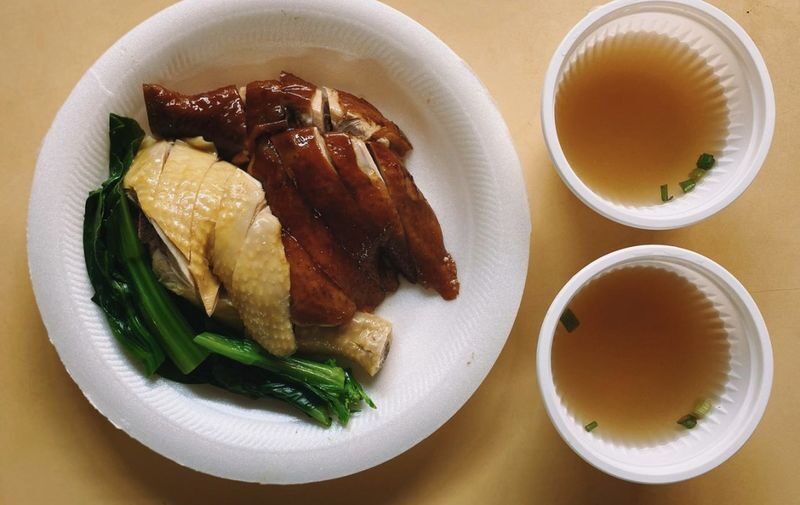
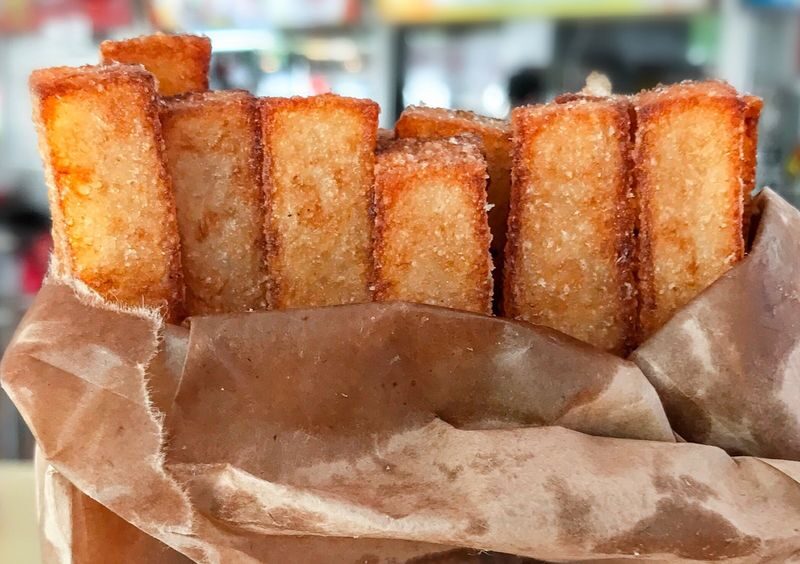
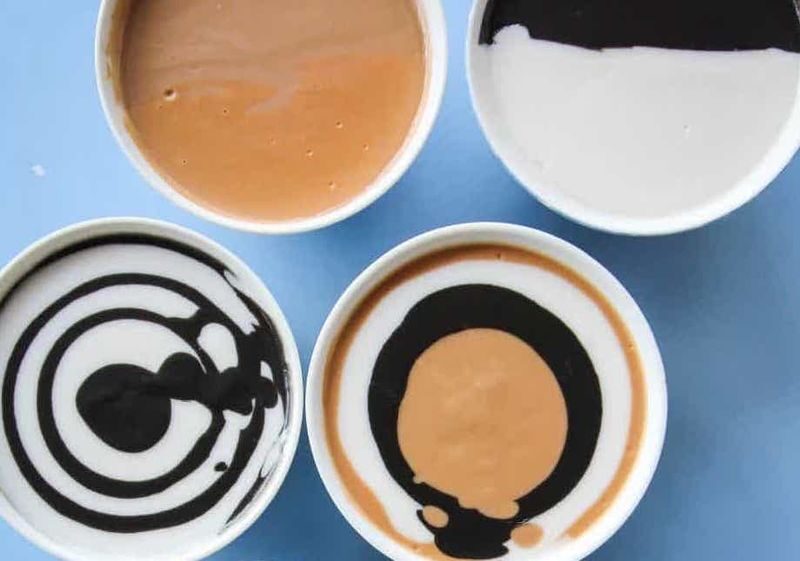
- The food is the lesson: Taste dishes such as carrot cake, soy sauce chicken and stone-ground sesame desserts while learning about their Chinese roots and Singaporean adaptations.
- A heritage sauce maker offers a rare stop: The tour includes a tasting with one of Chinatown’s original classic sauce makers.
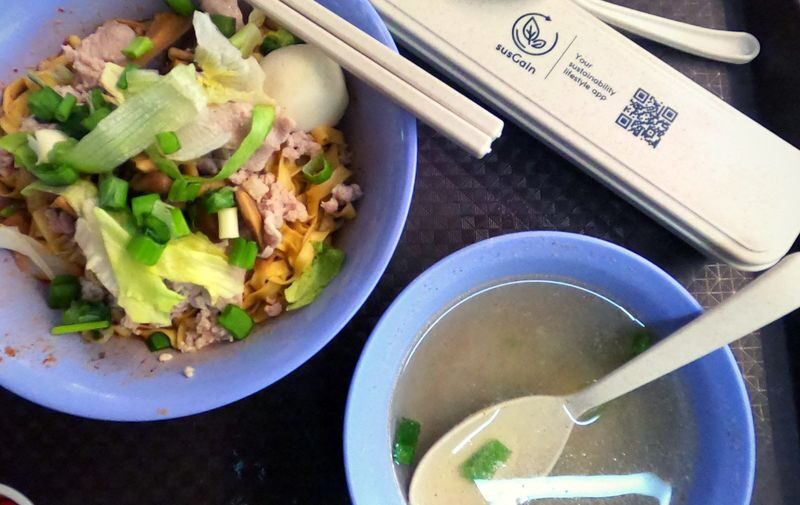
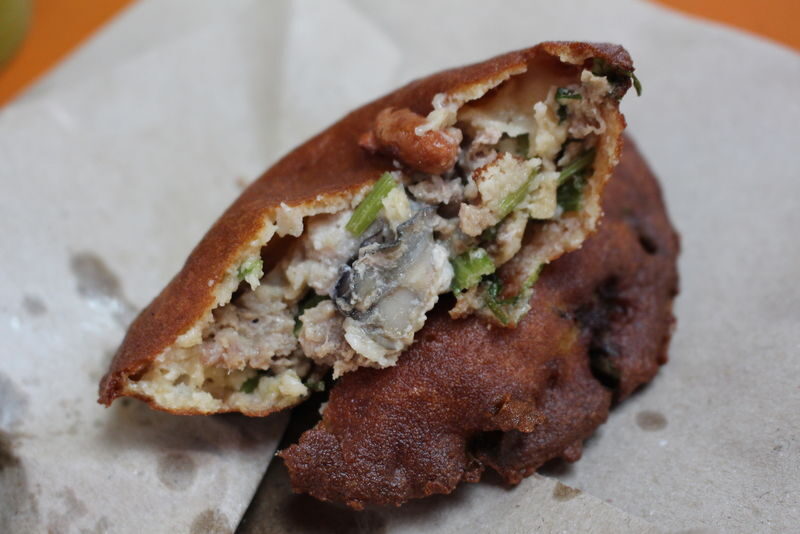
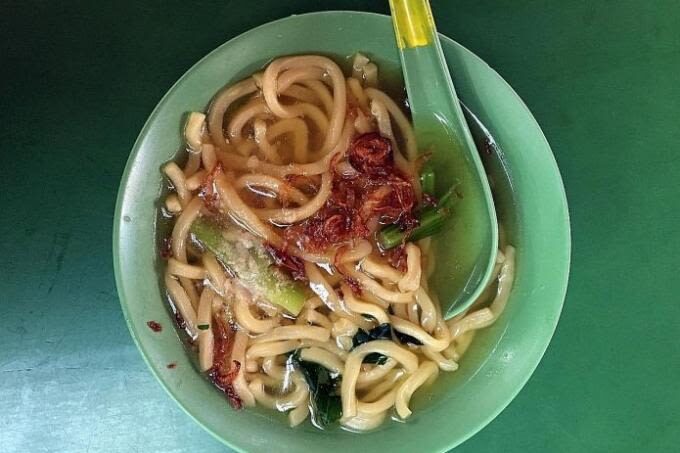
- Maxwell adds more food stories: Try items such as oyster cakes, Shanghai dumplings, Cantonese dough fritters and rickshaw noodles.
- It ends with a small local-flavor treat: Finish at Huggs Epigram Cafe with a drink and Singapore-themed cookies, including chilli crab and ondeh ondeh flavors.
👉 See our pick of the 25 Best Guided Tours In Singapore
Chinatown’s hawker food is the main attraction
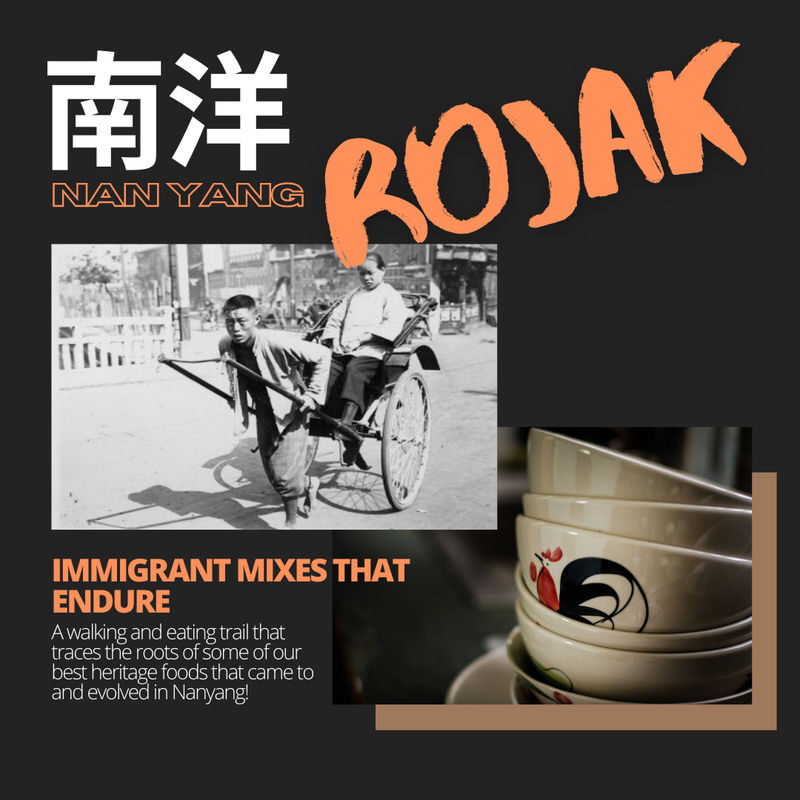
This is a food tour with a clear point of view: Singaporean hawker cooking did not appear fully formed. Chinese immigrants brought recipes and food habits with them, then adjusted them to local tastes and circumstances. The result is a distinctive mix, which the tour calls Nanyang rojak.
That idea gives the walk more purpose than simply moving from one snack to the next. You’ll hear how Cantonese, Hakka, Hokkien and Teochew food traditions met and influenced one another, then try dishes that make those connections tangible. The guide’s stories can help you notice what a dish says about migration, trade and everyday life, not just whether you like its flavor.
The tour is also a chance to look at hawker culture as a living tradition. Some of the people you meet are continuing long-running food businesses; others represent newer generations and ideas. That contrast matters: heritage food is not only about keeping an old recipe unchanged. It also involves deciding what to preserve, what to adapt and how to keep a stall going.
You can also read our reviews of more food & drink experiences in Singapore


Starting at Chinatown Complex
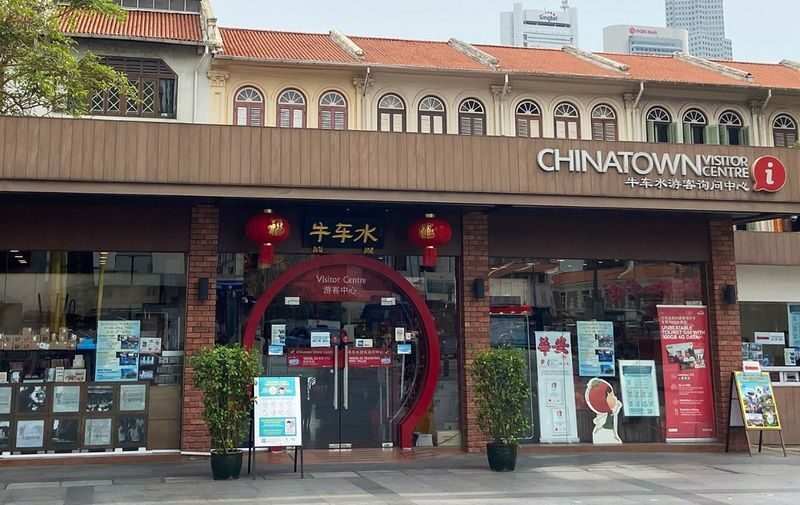
Meet your guide at 10 a.m. at the Chinatown Visitor Centre, near the Buddha Tooth Relic Temple, at 2 Banda Street. The first major stop is Chinatown Complex, described as Singapore’s largest hawker centre. The tour introduces its past and the history of hawkers who moved there after street stalls were cleared.
This opening stop gives you context before the tastings begin. A hawker centre can look like a collection of food counters if you pass through on your own. With the guide explaining the movement from street selling to a shared indoor centre, you can better understand how the setting shaped the way food businesses operate and how Singapore’s food culture became part of daily life.
Expect a mix of samplers and full dishes, rather than a single set meal. The named foods include carrot cake, stone-ground sesame desserts and soy sauce chicken. Singaporean carrot cake is a savory hawker dish, not the sweet cake its name might suggest, so this is a useful place to try it with a guide who can explain the local meaning.
The range is a strong point. You are not limited to one famous dish or one culinary tradition, and the mix of tastes gives the history room to breathe. The trade-off is that a shared tasting format may not let you linger over every plate. If one dish becomes your favorite, you may want to return later and order a full portion at your own pace.
Meeting a heritage sauce maker
One of the tour’s most unusual stops is a tasting with one of Chinatown’s original classic sauce makers, described as among the last heritage sauce makers in Singapore. Sauce making is easy to overlook when a dish arrives at the table, but it can be central to how a recipe tastes and how a food business distinguishes itself.
This encounter is valuable because it brings the story closer to the person doing the work. Rather than hearing only general background about old recipes, you get a chance to taste sauces and learn about a craft that has become less common. The tasting also gives you a practical way to compare flavors and consider how a sauce can link a dish to a particular style or maker.
The details of the tasting are not specified, so don’t expect a particular number of sauces or a production demonstration. Think of it as a focused tasting and conversation, built into a broader food walk. For anyone curious about the small skills that sit behind familiar hawker dishes, it may be the most distinctive part of the morning.
Crossing to Maxwell Foodcourt
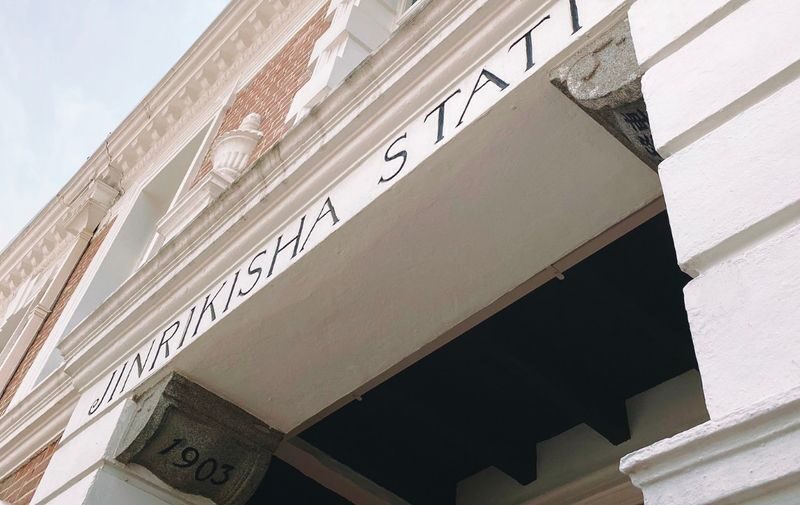
The route then crosses to the old Jinrikshaw station before continuing at Maxwell Foodcourt. The reference to rickshaws sets up another piece of food history: you’ll meet one of the last heritage rickshaw noodle hawkers and hear the story behind the dish.
This stop widens the tour’s focus from recipes to the lives and work of hawkers. A food tradition survives through people who make it day after day, often in changing conditions. Hearing about a noodle seller’s connection to the older rickshaw era gives the dish a social setting, rather than leaving it as just another item on a menu.
At Maxwell, tastings may include oyster cakes, Shanghai dumplings and Cantonese dough fritters. The tour also discusses the rivalry between chicken rice stalls and the history around that competition. That subject is a good reminder that Singaporean food culture is not simply a collection of harmonious influences. Food businesses compete, build reputations and attract loyal customers, even as the wider food scene draws on shared roots.
The variety should suit you if you like trying several kinds of food in one sitting. Still, this is a three-hour tour with multiple stops, so come hungry, but not so hungry that you rush through the guide’s explanations. Food portions are not specified, and the exact tastings may depend on the day.
A cafe finish, not a final hawker stop
At 1 p.m., the tour ends at Huggs Epigram Cafe with a refreshing drink and Singapore-flavored cookies. Listed flavors include chilli crab and ondeh ondeh, a local sweet associated with pandan, coconut and palm sugar.
This is a lighter finish after the hawker tastings, and a convenient moment to pause and let the morning’s food stories settle. It also gives the tour a clear endpoint, rather than leaving you to guess where the walk concludes. The cafe is part of the experience, but the central focus remains the hawker stops and the people behind them.
You can also read our reviews of more tours and experiences in Singapore


Who gets the most from this walk
I’d recommend this tour to anyone who wants more than a checklist of famous Singapore dishes. If you’re curious about how immigrant communities shaped local food, or you want a guide to help connect unfamiliar dishes with their origins, the format makes good sense. It should also work well for Singapore residents who know the classics but want to learn about lesser-known hawker fare and older food businesses.
The tour is less suited to someone who wants a private meal at a relaxed table or prefers to choose every dish independently. You’ll be walking between locations, eating at several stops and following the guide’s route. The group size is listed as five to 20 participants, so it is not a one-on-one food consultation.
The listed price starts at US$58.55, while the package information also gives a starting figure of US$50.89. Because those figures differ, check the price for your chosen date before booking. For a three-hour guided food walk with lunch, a themed snack, drinks, tastings and a specialist sauce stop, the value depends on what you want from the experience. If you would otherwise spend the morning sampling food without learning the stories behind it, the guide and access to hawkers are a meaningful part of the cost.
The tour’s published score is 5.0 from three ratings, a small sample. The comments describe it as an informative food-and-history walk, with particular appreciation for the guide’s enthusiasm and the range of food. One account names guide Daryl Loke, who waited for a family in rainy weather and shared stories about the stalls; guide assignments can vary. The operator, 8th Wave Pte Ltd, has 120 total reviews and a 90 percent good-review rate, giving you a broader but not tour-specific point of reference.
Practical details before you book
The walk operates on Thursdays and Saturdays, from 10 a.m. to 1 p.m. Arrive at the Chinatown Visitor Centre 10 minutes early; the guide wears an 8th Wave T-shirt and carries a signboard. The activity operates in all weather, and most of it is indoors, though you will walk between locations. Comfortable footwear is recommended, and an umbrella and water bottle are on the suggested packing list.
Bring your mobile voucher for entry. The tour is not wheelchair- or stroller-accessible. Children aged zero to four may join free, but they do not receive food or drinks. Personal expenses beyond the included lunch, themed snack and drinks are not included.
The booking is date-specific, and the stated policy does not allow cancellations or refunds. Check the selected date and price carefully before confirming. The supplied information also lists a mask and SafeEntry and TraceTogether access among items to bring; these are worth checking against current local requirements before your visit.
Should you book the Nanyang Rojak tour?
Book it if you want to understand why Singapore’s hawker food tastes the way it does, and you’re happy to learn while eating rather than simply ordering your favorites. The sauce-maker visit, the rickshaw noodle story and the mix of familiar and less familiar dishes give the morning a clear identity.
Skip it if you need step-free access, want a fully flexible meal or can’t make a Thursday or Saturday morning. For curious eaters who value the human stories behind the stalls as much as the food itself, this is a useful and satisfying way to spend three hours in Chinatown.
Nanyang Rojak: Immigrant Mixes that Endure Food Private Tour
“it's not just a tour, it's very informative and educational, very impressed with the guide, it's like an outdoor history lecture, lots to learn wit…”
FAQ
How long is the tour?
It runs from 10 a.m. to 1 p.m., for a total of three hours.
Which days is the tour available?
It is available on Thursdays and Saturdays.
Where does the tour meet?
Meet at the Chinatown Visitor Centre, at 2 Banda Street, near the Buddha Tooth Relic Temple. Arrive 10 minutes before the start time.
What food and drinks are included?
The tour includes lunch, a themed snack and drinks listed in the itinerary. Tastings include items such as carrot cake, soy sauce chicken, oyster cakes, Shanghai dumplings and Cantonese dough fritters.
Can children under five join?
Yes. Children aged zero to four can join free of charge, but they do not receive food or drinks.
Is the tour wheelchair- or stroller-accessible?
No. The activity is not wheelchair- or stroller-accessible.