Medellín’s downtown tells a story that is bigger than its best-known chapter. On this three-hour walk, you’ll connect Botero’s public art, the old railroad, and civic landmarks with the city’s changing fortunes. I like the candid attention to the 1980s and 1990s and the focus on local life beyond that era. I also like the wireless audio, which lets you listen while looking around or taking photos.
The main trade-off is the walk itself: expect about 8 km on foot, with stops, through a busy central district. Downtown streets can be crowded, and the audio equipment must be collected if rain starts. This is a strong first-day choice if you’re comfortable walking and want context before exploring on your own.
- What makes this walk useful
- Start at Botero Plaza, where art meets city life
- Follow Junín Street into the historic center
- Put Paisa culture and industry in the picture
- Hear the difficult chapters without letting them define the city
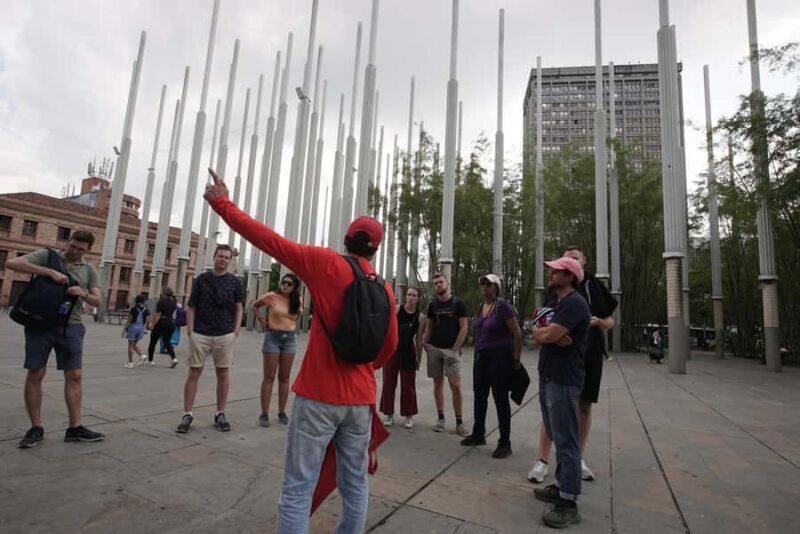
- Read the railroad story at La Alpujarra and the Park of Lights
- Use the guide’s local tips after the walk
- Is good value for three hours?
- What to bring and how to prepare
- Should you book the Medellín downtown tour?
- FAQ
- How long does the tour last?
- How far will I walk?
- Where is the meeting point?
- Is the tour available in English?
- Are food, transport, and entry tickets included?
- Can children use the wireless audio system?
- The Best Of Medellin!
- More Tours in Medellin
- More Tour Reviews in Medellin
- Not for you? Here's more nearby things to do in Medellin we have reviewed
What makes this walk useful
 1 / 10
 2 / 10
 3 / 10
 4 / 10
 5 / 10
 6 / 10
 7 / 10
 8 / 10
 9 / 10
 10 / 10
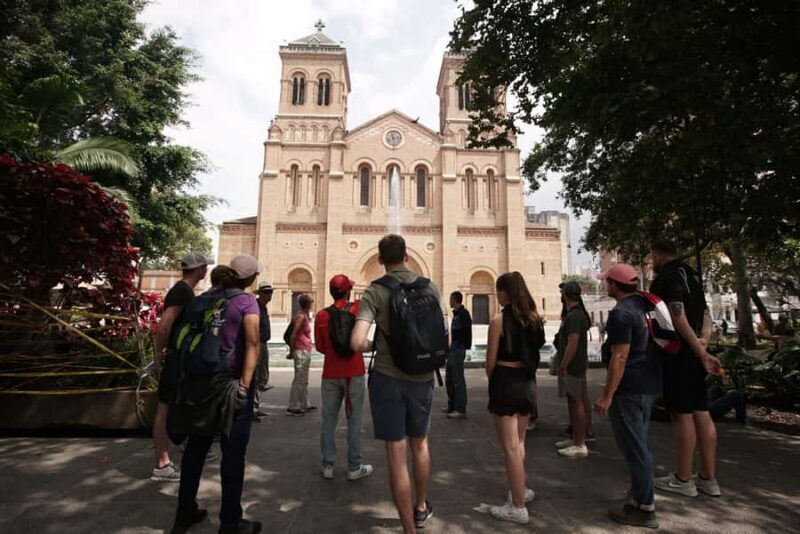
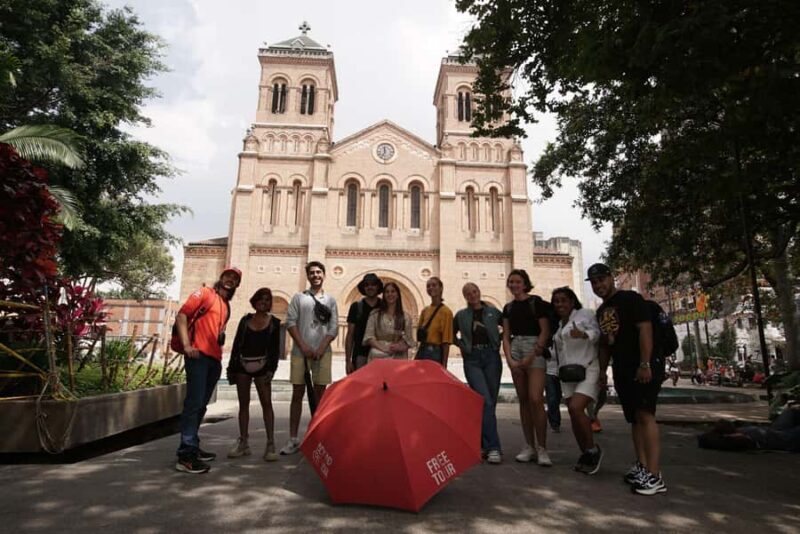
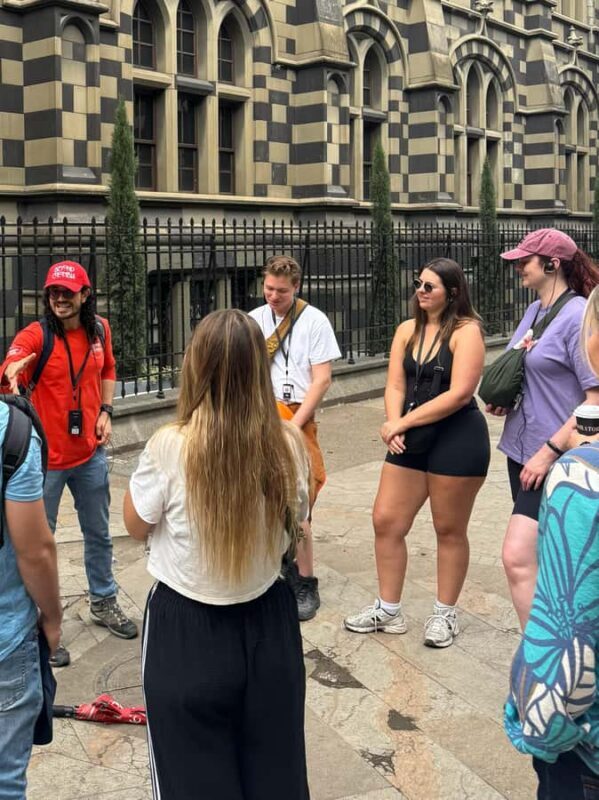
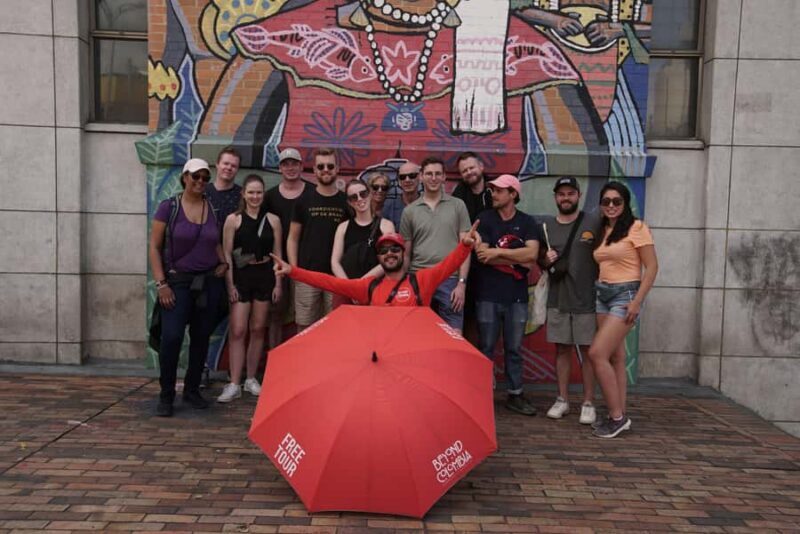
- Botero Plaza is the meeting point and an early anchor. Meet the guide in front of Museo de Antioquia, by the red Beyond Colombia umbrellas.
- The story reaches beyond the drug-trafficking years. The tour also covers Paisa culture, industry, civic development, and social efforts.
- Railroad landmarks help explain Medellín’s growth. La Alpujarra and the Park of Lights connect the city’s transport past with its public spaces.
- Wireless receivers help on noisy streets. You can hear the guide without staying shoulder-to-shoulder, though the devices are not waterproof and are unsuitable for children under 15.
- Local advice is part of the practical value. Guides can recommend places to eat, buy coffee, and shop for souvenirs.

👉 See our pick of the 15 Best Workshops And Classes In Medellin
Start at Botero Plaza, where art meets city life
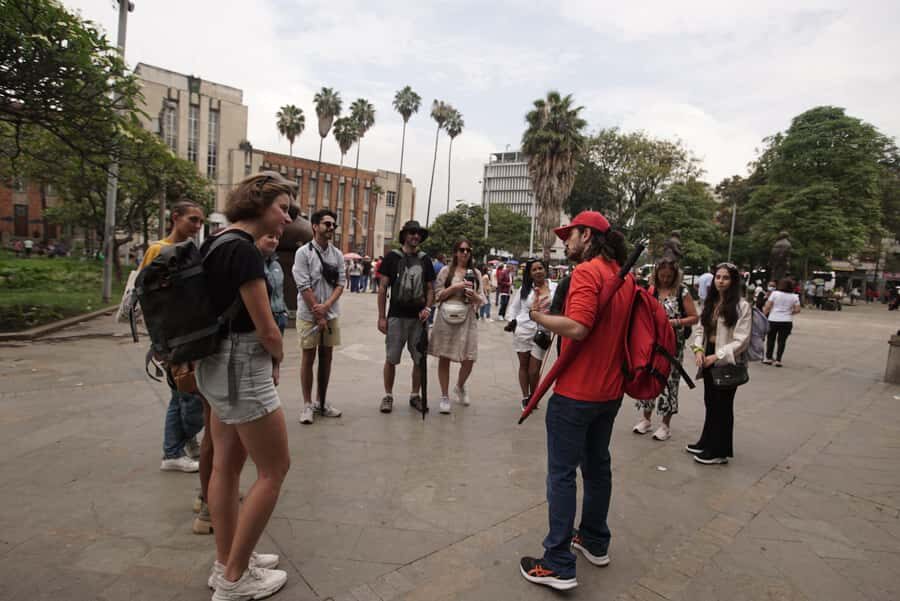
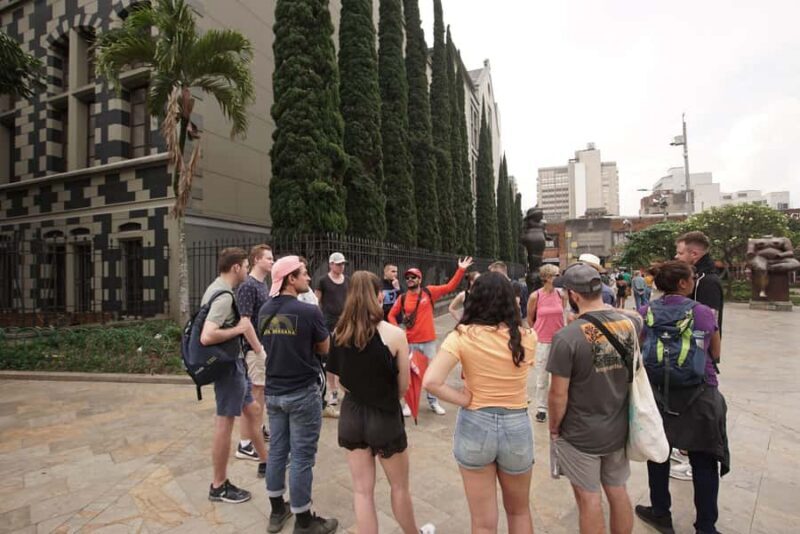
The walk begins at Botero Plaza, outside Museo de Antioquia. Look for the red umbrellas, then allow a moment to orient yourself: the plaza is both a useful landmark and a natural introduction to Medellín’s public art. The tour discusses Fernando Botero, his work, and his contribution to the city and country.
This is more than a photo stop. Botero’s sculptures give the guide a way to talk about art in public spaces and how Medellín presents itself. The plaza is also part of the working center, so you’ll see daily street life alongside the art. That mix is useful context, though it can feel intense if you expect a quiet museum forecourt.
The meeting point makes sense for a first visit because it is easy to identify and places you at the edge of the historic center. You do not need to arrange transport during the tour: the group walks between stops. Getting to the starting point and back to your hotel is your responsibility.
You can also read our reviews of more tours and experiences in Medellin.


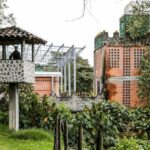
Follow Junín Street into the historic center
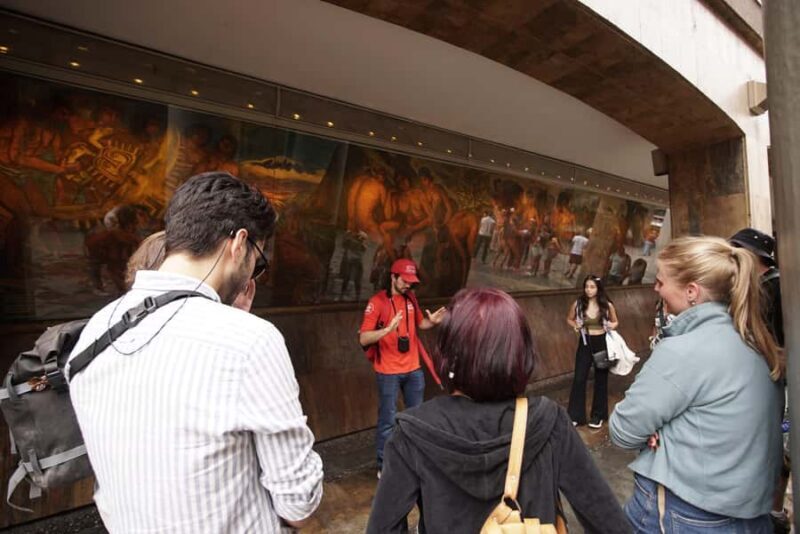
From the plaza, the route moves through downtown passages and crosses Junín Street, a well-known central thoroughfare. The point is not simply to tick off a list of sights. Your guide uses streets and buildings to explain how the center developed and how its commercial and public life fits into the wider story of Medellín.
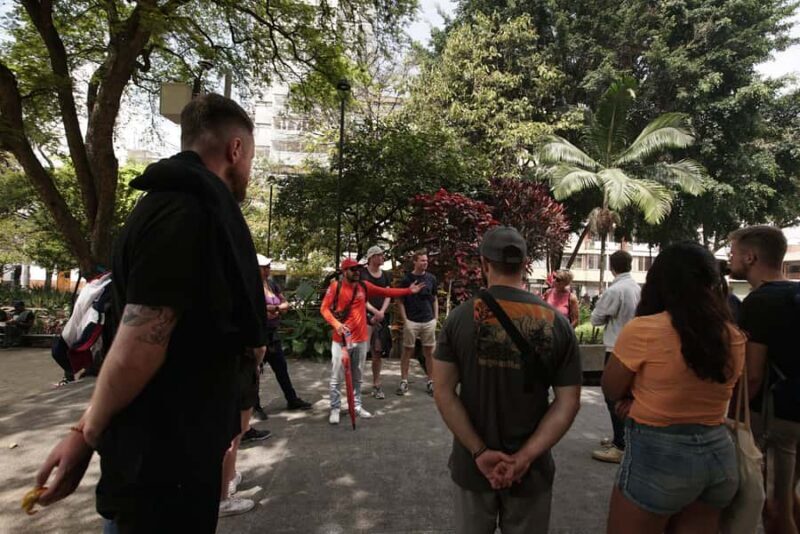
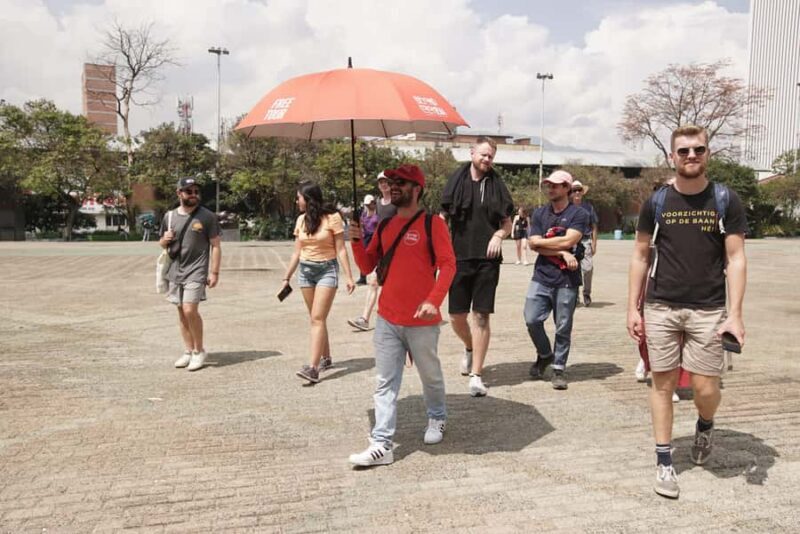
A walking tour is especially useful here because the details are close together. You can watch the city shift from one block to the next while hearing what those places mean. Wireless audio helps in busy spots: rather than crowding around the guide, you can keep a little space to take pictures and still follow the explanation.
The receivers have limits. They are not waterproof, so if rain begins, the guide has to collect and protect them. Bring a rain jacket or umbrella, and keep water handy. Medellín may be known for mild weather, but the tour itself warns you not to count on dry skies.
Put Paisa culture and industry in the picture
A central theme is the Paisa identity, along with the industry and culture that help explain the region’s place in Colombia. The guide links these subjects to the streets and civic landmarks around you, giving you a way to understand the city as more than a collection of tourist stops.
I value this part because it broadens the conversation. Medellín is often introduced through its most violent decades, but the tour also addresses the work, culture, and collective effort behind the city’s development. The focus on social commitment and inclusion gives you context for how Medellín speaks about its present, while leaving room to consider the challenges that remain.
The tour describes its historical approach as accurate and objective, with no side to take. That is a worthwhile aim, but history and civic change can be interpreted differently. Go with an open mind, ask questions, and listen for how your guide distinguishes established events from personal perspective. One visitor felt the account was not entirely unbiased, even while finding it informative. That is a useful reminder that a guided walk gives you one informed frame, not the final word.
Hear the difficult chapters without letting them define the city
The discussion of Medellín in the 1980s and 1990s is deliberately direct. The guide addresses the effects of drug trafficking and the city’s violent past, then connects those years to the resilience, collective effort, and social investment associated with its later development.
For a first-time visitor, this balance matters. You will hear about the painful history without treating it as the city’s whole identity. Several guides have been praised for discussing the past while also explaining current conditions and the changes underway. Daniel, for example, has been described as open about both Medellín’s transformation and its continuing challenges. Sebastian has been noted for giving visitors a view of the city beyond the familiar narco story.
The tone and emphasis can vary with the guide and the group’s questions. Guides named by participants include Miguel, Carolina, Santiago, Deisy, Daniel, Manuel, Sebastian, Alejandro, Alex, and Jhon. You cannot choose a particular guide from the information provided, but the repeated praise for clear explanations, energy, and thoughtful answers suggests that the human guide is a major part of the experience.
Read the railroad story at La Alpujarra and the Park of Lights
The railroad and La Alpujarra are presented as symbols of Medellín’s development. The tour also visits the Park of Lights, described as a tribute to the father of railroads in Medellín. These stops give the walk a different emphasis from the art and street scenes around Botero Plaza: here, the focus turns to transport, public projects, and the people connected with the city’s growth.
The value is in the links your guide draws between places. A landmark becomes more useful when you understand why it matters to the city, rather than just taking a picture and moving on. The Park of Lights, in particular, is framed as a memorial as well as a public space.
Expect to see these places as part of a walking route, not as a museum visit with extended time indoors. The tour does not include admission tickets, and it says it will not take you to places with unexpected entry charges. If you hope to go inside a particular building or church, ask your guide what is open on the day. Public holidays and opening hours can affect access.



Use the guide’s local tips after the walk
Recommendations for lunch, coffee, and souvenirs are included, which makes the tour more useful than a history lesson alone. A good orientation walk can save you time later: you’ll have names and places to follow up on, and a better sense of which parts of downtown you want to revisit.
The guides’ willingness to answer questions is a recurring strength. Some visitors have especially valued discussions that moved from historical facts to current affairs, while others appreciated advice for later activities in Medellín and elsewhere in Colombia. If something catches your interest, ask while you are there. The wireless audio makes listening easier, but the conversation is still the heart of the outing.
Do keep your belongings close. The tour warns that some parts of the center are crowded, and one visitor found persistent requests for money uncomfortable. That is a feature of the street environment, not something the tour can control. Stay aware, avoid displaying valuables, and follow your guide’s directions.
Is $13 good value for three hours?
At $13 per person, the price is modest for a guided walk of roughly two and a half to three hours, especially with wireless audio and a guide who can explain the context behind the sights. You are paying for interpretation, not transport, food, admissions, or a private guide. The group is shared, so you’ll meet other people rather than have the guide to yourself.
The value is highest if you’re new to Medellín and want an accessible introduction before deciding what to explore in more depth. It is also a good fit if you enjoy asking questions and want the city’s recent past treated as part of a wider story. If you already know the historic center well, or prefer a slower pace with frequent indoor stops, the long route may feel less rewarding.
The listed duration ranges from 150 minutes to three hours, while the tour description says to plan for about three hours. Treat the longer estimate as the safer one, especially if you have another activity booked afterward. You’ll walk about 8 km, with resting stops, and the tour is not suitable for people with mobility impairments.
What to bring and how to prepare
Wear comfortable shoes and clothing you can walk in. Bring water, a camera, and rain protection. There is no need to dress up; practical comfort matters more than looking polished when you’ll be on foot for hours.
The tour is offered in English or Spanish. If you’re joining in a language you speak less confidently, tell your guide if you need a point repeated. Visitors have appreciated guides checking whether everyone is following, and the audio equipment can help make explanations clearer in street noise.
The receivers are not suitable for children under 15, and they must be kept dry. Smoking, alcohol, drugs, and littering are not allowed. Bookings can be cancelled up to 24 hours ahead for a full refund, and reserve-now, pay-later booking is available.
Should you book the Medellín downtown tour?
Book it if you want a grounded first look at the historic center, with local context on Botero, Paisa culture, rail development, and Medellín’s difficult recent decades. The strongest reason to go is the combination of clear historical explanation and the chance to ask a local guide about the city as it is now. It is especially helpful early in your stay, when you can use the guide’s recommendations for the days ahead.
Skip it if an 8 km walk sounds tiring, if you need a private pace, or if you want a tour focused only on art or architecture. For most visitors who are ready to walk and listen, the price is fair and the subject matter gives you a more complete starting point than a quick photo circuit.
Shared Medellín Downtown Tour with Wireless Audio
FAQ
How long does the tour last?
Plan for about three hours. The stated duration is 150 minutes to three hours.
How far will I walk?
The walk covers about 8 km, with stops to listen to the guide and rest.
Where is the meeting point?
Meet in front of Museo de Antioquia at Botero Plaza. Look for the red Beyond Colombia umbrellas.
Is the tour available in English?
Yes. The live guide speaks English or Spanish, depending on the tour you choose.
Are food, transport, and entry tickets included?
No. Food, drinks, souvenirs, transport to and from your hotel, transport during the walk, and entrance tickets are not included.
Can children use the wireless audio system?
The audio system is not suitable for children under 15. It is also not waterproof, so the devices must be collected if it rains.
You can check availability for your dates here: