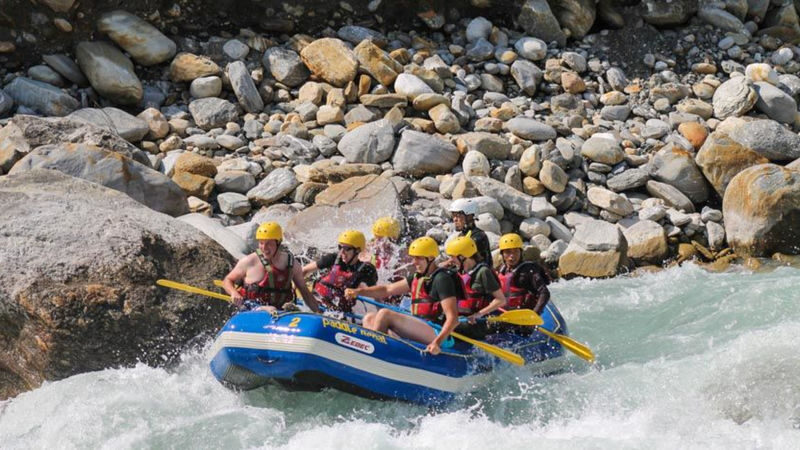
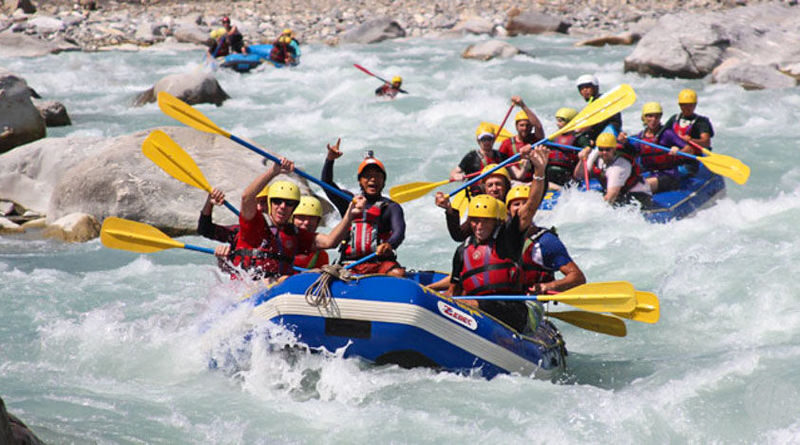
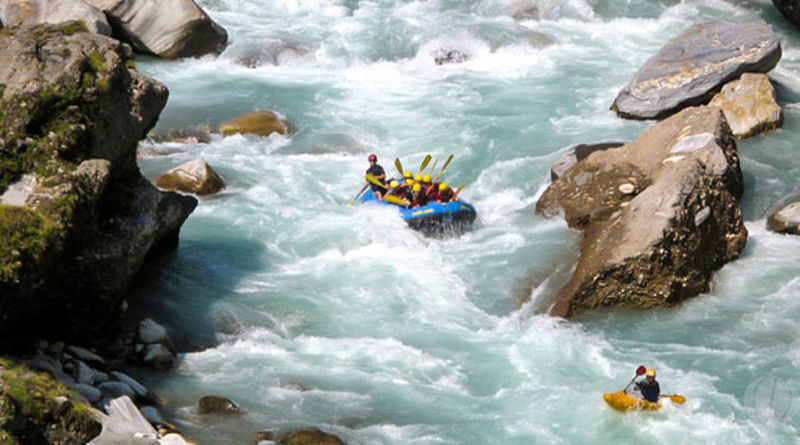
The Upper Seti packs a serious whitewater run into a half-day from Pokhara. You get about 1.5 hours on the river, with rapids that call for everyone to paddle, and the Annapurna range as a possible mountain backdrop.
I like two things here: the ride is close enough to Lakeside to fit around other Pokhara plans, and the package includes transport and protective gear rather than leaving you to sort out river logistics. The main consideration is the water: Class IV and IV+ rapids are listed for much of the season, so this is an active adventure, not a gentle float.
- Upper Seti at a glance
- A half-day run close to Pokhara
- What those rapids mean for you
- The view from the river
- Safety, guides, and equipment
- What the timing looks like
- What to bring, and what to leave behind
- Is to good value?
- Who should book this rafting trip?
- Booking details worth checking
- Should you book Upper Seti rafting?
- FAQ
- How long does the Upper Seti rafting trip take?
- What rapid grades are listed?
- What is included in the price?
- What should I bring?
- Is the trip suitable for someone who wants a calm float?
- Where does the trip meet?
- Can I cancel and receive a refund?
- The Best Of Pokhara!
- More Tours in Pokhara
- More Tour Reviews in Pokhara
- Not for you? Here's more nearby things to do in Pokhara we have reviewed
Upper Seti at a glance
 1 / 6
 2 / 6
 3 / 6
 4 / 6
 5 / 6
 6 / 6
- Short drive, big river feel: The drive to the Upper Seti takes about 30 minutes from the pickup area.
- About 1.5 hours of paddling: You need to listen, work with your crew, and keep paddling through the rapids.
- Season affects the grade: The stated ratings range from Class III and III+ to Class IV and IV+.
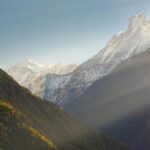
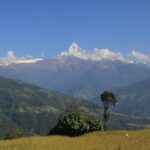
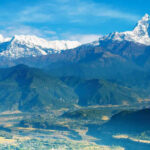
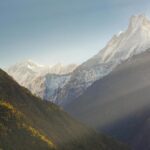
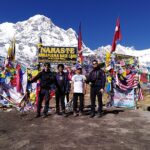
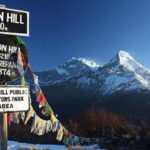
- Annapurna views from the river: Snow-capped peaks, suspension bridges, and prayer flags may frame the run.
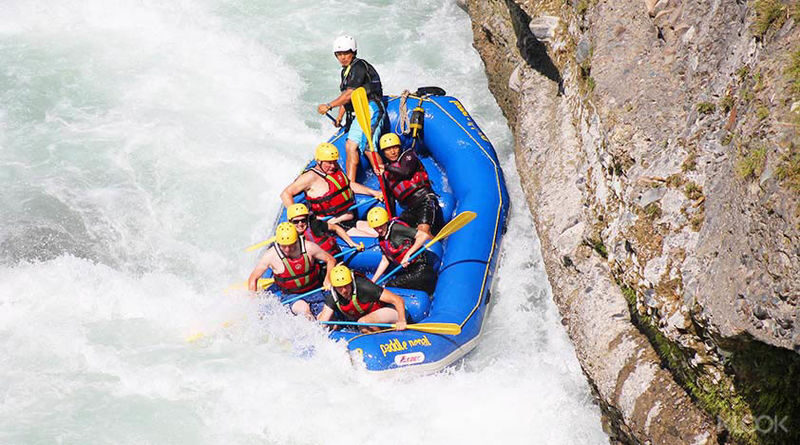
- Gear and transport are included: Helmets, life jackets, wetsuits, dry tops, paddles, and a trained first-aid team are part of the package.
- Bring your own change of clothes: Meals, drinks, towels, and photos are not included.
👉 See our pick of the 6 Best Shopping Tours In Pokhara
A half-day run close to Pokhara
The Upper Seti is a practical choice if you want a substantial whitewater outing without giving up a full day to travel. The meeting point is in Pokhara Lekhnath Metropolitan Ward No. 25, and the planned schedule places hotel pickup at about 10:00. From there, it is roughly a 30-minute drive to the river.
That short transfer matters. Some rafting options require a longer journey from town, while this run makes it possible to spend the morning on the water and return to Pokhara around 13:00. The schedule is approximate, so leave breathing room in your day rather than planning a tight appointment immediately afterward.
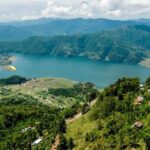
The location also gives the trip a nice contrast. You start close to Pokhara’s familiar lakeside routine, then reach a river corridor where the city recedes and the Himalayan setting takes over. You are not heading far into the mountains, but you still get the sense of being out in the open, moving through a place shaped by fast water.
You can also read our reviews of more tours and experiences in Pokhara.
What those rapids mean for you
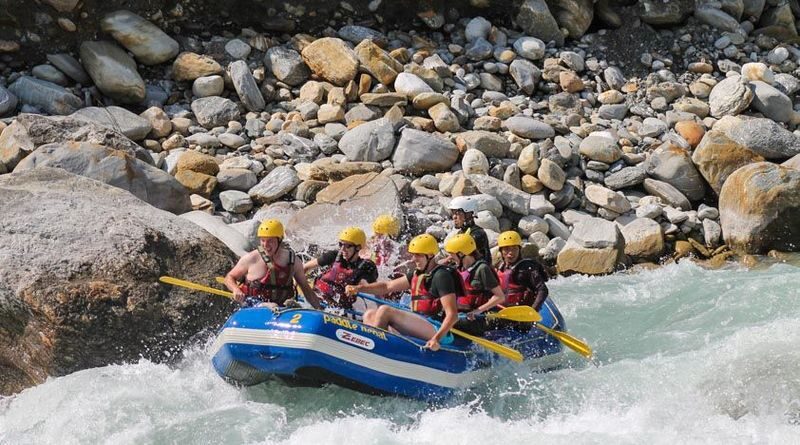
The Upper Seti is promoted as a high-participation run. You are not simply sitting back while a guide does the work. The crew needs to paddle together, respond to instructions, and keep its attention on the river. That teamwork is part of the appeal, but it also means you should be comfortable with an energetic outing.
The stated rapid grades vary by season. From October through June, the run is described as Class IV and IV+. From December through March, it is described as Class III and III+. Those date ranges overlap, so the information does not make the seasonal distinction entirely clear. Ask the operator what grade is expected on your chosen date, especially if you are deciding between a demanding run and a milder one.
The descriptions also make clear that conditions and the level of challenge matter. The river can begin in a way that feels manageable, then become more intense. One person reported falling out twice, which is a useful reminder that getting wet is part of the possibility, not a remote technicality. Follow the safety briefing closely and treat the guide’s instructions as essential.
A cliff-jump opportunity has been part of some outings, but it is not specified as a guaranteed stop in the planned itinerary. Ask the operator before you book if that particular activity matters to you. And do not assume it will be offered on the day.
The view from the river
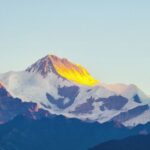
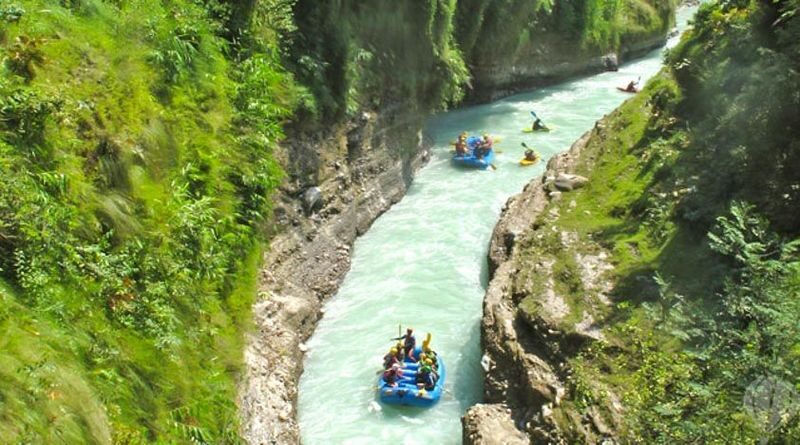
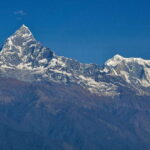
The mountain scenery is a welcome counterpoint to the concentration the rapids demand. You may look up toward the Annapurna range between paddling commands, with snow-capped peaks above the river corridor. Suspension bridges and prayer flags add local detail to the route, while the clear Himalayan water keeps the focus close at hand.
The scenery is not a substitute for the rafting itself. The run is described as continuous paddling, so you may not have long stretches to sit quietly and take in the view. Think of the mountains as part of the setting rather than a sightseeing stop. If you want a leisurely landscape tour, this is not the right format. If you enjoy scenery with a dose of physical effort, the mix makes sense.
Safety, guides, and equipment
The package includes international, ISO-certified rafting and kayaking equipment: paddles, helmets, life jackets, dry tops, and wetsuits. It also includes a trained, safety-certified first-aid team and insurance provided by the operator. That is a useful foundation for a river trip, but proper gear works best when you wear it as instructed and pay attention throughout the safety talk.
A careful briefing is one of the most important parts of this outing. Guides explain how to paddle and how to respond to instructions on the water. Previous trips have singled out guide Min for making the run enjoyable, while other guide teams have been noted for being firm when paddling discipline slipped. Names and assignments can change, so do not book on the assumption that Min will be your guide. What matters more is that you listen, ask questions before launch, and follow directions when the river gets loud.
The guide’s serious moments are not a sign that the fun has stopped. They are a reminder that a raft works as a team. If the crew does not paddle when asked, the boat cannot respond as intended. Expect a friendly atmosphere, but also expect the guide to put safety and coordination ahead of jokes.
What the timing looks like
The plan is straightforward: pickup at about 10:00, a half-hour drive to the Upper Seti, roughly 1.5 hours rafting, and a return to your hotel around 13:00. The three-hour window is helpful when you are fitting the activity into a Pokhara stay.
The water time is the core of the outing, but the transfer and preparation are part of the experience too. You will need time to get into the supplied gear and hear the instructions before setting off. The details do not give an exact check-in or launch time, so arrive ready to go and confirm pickup arrangements when booking.
Transport is included, which saves you from arranging your own trip to the river. Hotel pickup and drop-off are described in the itinerary, while the formal meeting point is listed in Ward No. 25. Confirm the exact pickup details for your accommodation rather than assuming every hotel is covered in the same way.

What to bring, and what to leave behind
Pack a change of clothes, a water bottle, and closed shoes. The first two are practical after a wet outing; closed shoes are specifically requested, so avoid planning to raft in sandals. Towels are not included, and neither are meals or beverages. Bring what you need for after the river rather than counting on refreshments being supplied.
Photos are not included either. Earlier outings have had differing arrangements for pictures, and some participants could not get photos or videos during the run. If you want images, ask the operator in advance what is available now, who takes them, and whether there is an extra charge. Do not expect to use your own camera on the water unless the operator confirms it is permitted and safe.
Is $50 to $55 good value?
The package price is shown from US$50, while the experience summary gives a starting figure of $55. The amount you see at checkout may depend on the option or booking details, so check the final price before paying. At either starting figure, the value is strongest if you want a guided river outing with transport and a full set of protective equipment included.
You are paying for more than 1.5 hours of paddling. The package also covers the drive, gear, insurance provided by the operator, and a safety-trained first-aid team. Those inclusions save you from arranging several practical pieces yourself, and the short journey from Pokhara helps keep the outing compact.
The trade-off is that food, drinks, towels, and photographs are extra or your responsibility. The trip is also brief compared with a multi-day rafting journey, so it is best judged as a high-energy half-day activity rather than an extended river expedition. If you want a taste of Himalayan whitewater without committing a whole day to travel, that compact format is part of the value.
Who should book this rafting trip?
I would consider the Upper Seti if you want active whitewater close to Pokhara and are happy to take instructions, paddle hard, and get wet. It suits people who like a shared challenge more than a passive sightseeing ride. The mountain views add a memorable setting, but the rapid work remains the main event.
It may be a poor fit if you want calm water, long photo stops, or a predictable, low-effort outing. The listed grades reach Class IV and IV+, and the details do not specify age limits, swimming requirements, or fitness restrictions. If you have concerns about your ability to take part, ask the operator directly before booking rather than guessing from the general description.
Booking details worth checking
The activity uses a mobile voucher, valid for the selected date and time. Booking changes are allowed up to 24 hours before the activity, with stated exceptions for certain passes, presales, freebies, vouchers not yet issued, and bookings using SG Culture Pass or Taiwan Culture Points. A full refund is available if you cancel at least 24 hours before the activity date in local time.
The operator named for this experience is Epic Adventures. The activity information does not give a group size or a minimum age, so ask if either affects your decision. You should also confirm the expected rapid grade for your date, the hotel pickup point, and current photo arrangements.
Should you book Upper Seti rafting?
Book it if you want a short but substantial whitewater adventure and value having transport, gear, and a safety team included. The river’s close reach from Pokhara, active paddling, and mountain setting make it an efficient way to add a real outdoor challenge to your stay.
Pause before booking if you are looking for a gentle float or need a precise answer about the seasonal difficulty. The listed rapid grades overlap by date, and the outing requires everyone to take part. Confirm the conditions and your pickup details, bring a change of clothes, then go ready to paddle as a team.
Upper Seti River Rafting
“Exhilirating experience! Never thought I can do this but thanks to our guide, Min, who made the rafting enjoyable. Hope that the company can provid…”
FAQ
How long does the Upper Seti rafting trip take?
The itinerary allows about three hours overall, including a 30-minute drive to the river, around 1.5 hours of rafting, and transport back to your hotel. The schedule lists pickup around 10:00 and drop-off around 13:00.
What rapid grades are listed?
The information gives Class IV and IV+ for October through June, and Class III and III+ for December through March. Because those date ranges overlap, confirm the expected grade with the operator for your chosen date.
What is included in the price?
Transport, insurance provided by the operator, rafting and kayaking equipment, paddles, helmets, life jackets, dry tops, wetsuits, and the service of a trained, safety-certified first-aid team are included.
What should I bring?
Bring a change of clothes, a water bottle, and closed shoes. Towels, meals, beverages, and photos are not included.
Is the trip suitable for someone who wants a calm float?
The run requires active paddling and is described as involving Class III to Class IV+ rapids, depending on season. It is better suited to someone prepared for an energetic, team-based outing than to someone seeking a quiet float.
Where does the trip meet?
The meeting point is in Pokhara Lekhnath Metropolitan Ward No. 25. The itinerary also describes hotel pickup and drop-off, so confirm the exact pickup location for your stay.
Can I cancel and receive a refund?
A full refund is available if you cancel at least 24 hours before the activity date, using destination local time. Booking changes are also allowed up to 24 hours before the activity, with stated exceptions for some booking types.