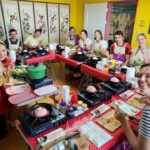
A 100-year-old hanok in central Seoul is an appealing place to learn Korean cooking: this is a working class in a traditional home, not a demonstration behind a restaurant counter. You’ll prepare several dishes with an English-speaking instructor, then sit down to eat what you’ve made on handmade bangjja tableware.
I like two things here: the small group, capped at six, gives the instructor room to help beginners, and the food lessons come with stories about Korean dishes and customs. The recipes are meant to be practical enough to try again at home, too.
One consideration: the menu changes with the season and ingredient supply, so you can’t count on making a particular dish. The scheduled session runs about two hours and 15 minutes, though the experience is also described as two hours, and one person found the dishes too simple and the meal too small. If you’re counting on a large lunch, arrive hungry but keep expectations flexible.
- What makes this class worth considering
- A home setting in Ikseon-dong
- Cooking dishes you can make again
- Park and Ricky bring the food to life
- The meal and the bangjja plates
- Timing and the choice of lunch or dinner
- Is the price good value?
- Who will enjoy this class most
- Before you book
- Should you book it?
- FAQ
- Where does the cooking class take place?
- How long does the class last?
- What dishes will I cook?
- Is the class taught in English?
- How many people can join?
- What is the minimum age?
- Are lunch and dinner both available?
- What is included in the price?
- What happens if I need to cancel?
- The Best Of Seoul!
- More Cooking Classes in Seoul
- More Tours in Seoul
- More Tour Reviews in Seoul
- Not for you? Here's more nearby things to do in Seoul we have reviewed
What makes this class worth considering
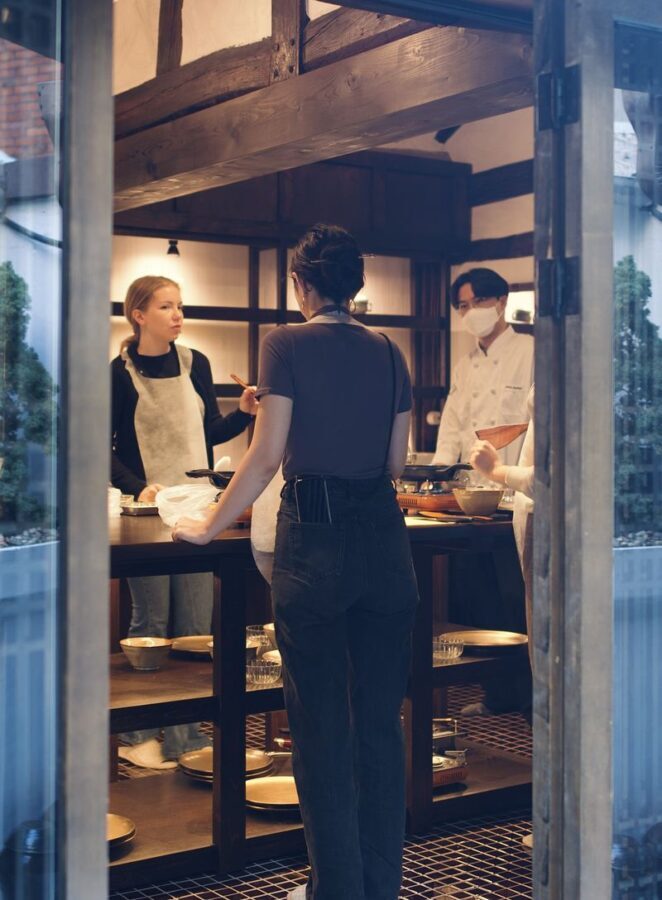
- A class inside a century-old hanok: The Ikseon-dong home brings traditional Korean architecture and domestic culture into the experience.
- A rotating menu of Korean dishes: You may cook LA galbi, fresh kimchi, pajeon, or tapyeongchae, with the exact selection subject to seasonal ingredients.
- An English-speaking instructor: Chefs including Park and Ricky lead the class, explain the cooking steps, and share food and cultural context.
- A maximum of six participants: The small group format suits beginners and gives you a chance to ask questions as you cook.
- A meal served on bangjja tableware: You’ll eat the food you prepared using traditional handmade Korean plates.
- Lunch or dinner options: Both packages are listed from US$92.19, while the experience summary gives a starting price of US$101.39. Check the price for your selected date and package before booking.

👉 See our pick of the 25 Best Guided Tours In Seoul
A home setting in Ikseon-dong
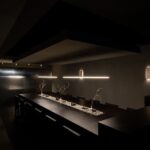
The class takes place at 36-2 Ikseon-dong, in Jongno District, Seoul. Ikseon-dong is a central neighborhood known for its hanok buildings, and this class offers a chance to step inside one rather than simply admire its exterior as you walk past.
The building is described as a renovated 100-year-old hanok. That mix of old structure and modern cooking space is part of the appeal: you get the feel of a traditional Korean home without being asked to treat it like a museum. The setting gives the lesson a domestic scale, which fits a class about food made and shared at home.
The meeting point is just behind the Insadong IBIS Ambassador Hotel. There are several Ibis Ambassador hotels in Seoul, so make sure you’re heading to the Insadong location, not another branch. Arrive five minutes before the stated start time. The directions point to a specific address, and a late arrival or no-show is not refundable.
You can also read our reviews of more cooking classes in Seoul


Cooking dishes you can make again
The class centers on hands-on preparation of Korean dishes. The examples include LA galbi, fresh kimchi, pajeon, and tapyeongchae, a dish associated with royal cuisine. The menu may change with the season and ingredient availability, so treat these as examples rather than a guaranteed list.
That changing menu is not a bad thing. It lets the class work with ingredients available at the time of your visit, but it does mean you should book for the broader cooking experience rather than one must-have recipe. If there’s a dish you especially hope to learn, ask about the menu before booking.
The class is designed for people without cooking experience. Instructors guide the steps and help participants work at a manageable pace. That matters if you’re new to Korean food preparation, or if you’re cooking alongside someone with more experience: the goal is for everyone to take part, not to test your knife skills.
The dishes are presented as accessible recipes you can try at home. Several people have found the instructions clear enough to recreate the food later, and recipes may be sent by email. Don’t assume that is guaranteed for every session, but do ask your instructor how to get the recipes before you leave.
Park and Ricky bring the food to life
The class is led by certified professional instructors, with English-speaking staff included. Park and Ricky are among the instructors named by participants. Both are described as welcoming teachers who explain techniques clearly and make room for questions.
The useful part is not only learning what to do, but hearing why a dish is prepared a certain way. The class includes stories about Korean food history, ingredients, and traditions. That context turns a simple cooking step into a better way to understand what you’re eating during the rest of your stay.
You don’t need to arrive with a list of questions, but this is a good setting to ask them. People have asked about Korean cooking, food culture, and even places to eat in Seoul. The small group size makes that sort of conversation easier than it would be in a large demonstration class.
The atmosphere is warm and informal, and solo visitors can join a group as well. If you’re traveling alone, you won’t need to bring a cooking partner. If you’re going with family or friends, the shared work gives everyone a role, though the stated minimum age is 12.
The meal and the bangjja plates
After cooking, you sit down to eat the dishes you’ve made. Lunch and beverages are included, and the meal is part of the class rather than a separate restaurant stop. You’ll serve your food on bangjja, traditional Korean handmade tableware, which adds a tactile, distinctly local touch to the meal.
Portion expectations deserve a little caution. Some people find the meal generous enough to count as dinner, while one person left hungry and felt the dishes were simple. Your appetite, the menu, and the amount prepared may affect how filling it feels. If you’re especially hungry, it’s sensible to avoid arriving after a large meal, but don’t rely on this as a guaranteed feast.
Food preferences can matter in a cooking class, especially when the menu rotates. One participant had an allergy accommodated, but that does not establish a standard policy for every dietary need. Contact the operator before booking if you have an allergy or restriction, and get clear confirmation rather than assuming the kitchen can adapt.
The spice level may also be less of a worry than you expect. A participant concerned about heat found the food manageable, and the class has been described as suitable for different preferences. Still, ingredients and recipes vary, so mention your needs in advance.
Timing and the choice of lunch or dinner
The listed lunch schedule starts at 11:30 and ends at 13:45, a span of two hours and 15 minutes. The general description calls the experience two hours, so leave a little breathing room rather than planning a tight appointment immediately afterward. The schedule may change with weather and other conditions.
The lunch and dinner packages are both listed from US$92.19. The summary price is US$101.39, so the exact amount can differ depending on the package and booking details. Compare the final price for your chosen date before paying, and remember that lunch and dinner may have different start times.
Lunch works well if you want a mid-day activity and a meal before continuing around central Seoul. Dinner is a good fit if you prefer to make cooking the evening’s main event. The supplied timing applies to lunch, so check the specific dinner schedule rather than assuming it follows the same hours.
You can also read our reviews of more tours and experiences in Seoul



Is the price good value?
At roughly US$92.19 to US$101.39 as listed, this costs more than a casual meal. You’re paying for a guided cooking session, ingredients, an English-speaking instructor, a meal, and the chance to use a traditional home as your classroom. The maximum group size of six also means the class is built around participation rather than watching from the back.
Value depends on what you want from Seoul. If your priority is a cheap lunch, this is not the right choice. If you want a hands-on activity that combines food, local domestic culture, and a meal, the cost makes more sense. The opportunity to learn recipes you can repeat at home adds value beyond the meal itself.
The class’s strongest point is the blend of cooking and cultural explanation. It is not a specialist culinary course, and the dishes may be straightforward. That is a plus for beginners, but experienced cooks seeking advanced technique may want a more demanding class.
Who will enjoy this class most
This suits first-time visitors who want an activity with more participation than a food tour, and anyone curious about Korean cooking beyond ordering at restaurants. It also works for couples, small families with participants aged 12 or older, and solo visitors who are comfortable sharing a class with other people.
It’s a practical choice for beginners. The instructors make the steps approachable, and you don’t need to bring cooking skills with you. If you already cook Korean food, you may still enjoy the stories and local setting, but the class may feel basic if you’re looking for advanced methods.
The class is less suitable if you want a fixed menu, a very long culinary workshop, or a guaranteed large meal. The seasonal menu is flexible, and the scheduled session is compact. Think of it as a cultural cooking experience with lunch or dinner, not a full-day food course.
Before you book
Participants must be at least 12, and the group size is listed as one to six people. The voucher is valid only for the date and time selected. Changes are generally allowed up to 24 hours before the activity, with some booking types excluded, and cancellations made at least 24 hours ahead receive a full refund.
The exact meeting point matters. Use the Insadong IBIS Ambassador Hotel as your landmark, not another Ibis Ambassador in Seoul, and follow the address to 36-2 Ikseon-dong. Arrive five minutes early, since late arrivals and no-shows are not refundable.
Should you book it?
Book this class if you want to cook, eat, and learn about Korean food in an intimate hanok setting. Its best features are the small group, clear English instruction from chefs such as Park and Ricky, and the chance to take home recipes and cultural context along with a full meal.
Skip it if you mainly want an advanced cooking course, a guaranteed menu, or the lowest-cost way to eat lunch. For most curious beginners, though, it’s a memorable use of two hours in central Seoul, with more personal contact than a restaurant meal and something practical to bring home.
Royal Seoul Cooking Class in a 100-Year-Old Hanok
“I booked this activity for my mom and she truly enjoyed it. The chef was very kind and explained everything clearly. He really took care of the cus…”
FAQ
Where does the cooking class take place?
It takes place at 36-2 Ikseon-dong, Jongno District, Seoul. The meeting point is just behind the Insadong IBIS Ambassador Hotel.
How long does the class last?
The experience is described as two hours, while the lunch schedule runs from 11:30 to 13:45, or two hours and 15 minutes. Allow for the longer timing when planning your day.
What dishes will I cook?
The sample dishes include LA galbi, fresh kimchi, pajeon, and tapyeongchae. The menu may change with the season and ingredient availability.
Is the class taught in English?
Yes. English-speaking staff are included, and the class is led by a professional instructor.
How many people can join?
The group size is listed as one to six participants.
What is the minimum age?
Participants must be 12 or older.
Are lunch and dinner both available?
Yes. Lunch Class and Dinner Class packages are offered. The stated 11:30 to 13:45 schedule is for lunch, so check the selected dinner session’s timing.
What is included in the price?
English-speaking staff, a certified professional instructor, meals and beverages, and lunch are listed as included. The experience is also offered as a dinner class.
What happens if I need to cancel?
A full refund is available if you cancel at least 24 hours before the activity date, in destination local time. The voucher is valid only for the date and time selected.