A chimney cake is more fun when you make it yourself. In this 65-minute central Prague workshop, you shape dough around a wooden spit, brush it with butter and sugar, and watch it turn golden in a rotating oven. Then comes the best part: topping your warm trdelník and eating it.
I like two things here: you get hands-on time with the dough and the baking, not just a demonstration, and the friendly, patient teaching helps even first-time bakers follow along. The coffee or tea and certificate make the short class feel like a complete little outing, too.
One point to know before booking: the dough needs about 75 minutes to rise, so it is prepared before you arrive. You take part in the shaping and baking, but you do not make the dough entirely from scratch. The workshop also uses several allergens in a small shared space.
- At a glance
- From prepared dough to your own chimney cake
- Rolling dough around a wooden spit
- Waiting for the oven, not just watching it
- Toppings, tasting, and the certificate
- What buys you
- Finding the door and checking allergens
- Who will enjoy this class most?
- Should you book it?
- FAQ
- How long does the trdelník workshop last?
- What do I do during the class?
- Do I make the dough from the beginning?
- Is the workshop taught in English?
- What is included in the price?
- Which toppings can I choose?
- Is the workshop suitable for children or beginners?
- Can I attend if I have a food allergy?
- The Best Of Prague!
- More Dessert Tours in Prague
- More Tours in Prague
- More Tour Reviews in Prague
- Not for you? Here's more nearby things to do in Prague we have reviewed
At a glance
 1 / 9
 2 / 9
 3 / 9
 4 / 9
 5 / 9
 6 / 9
 7 / 9
 8 / 9
 9 / 9
- Shape and bake your own cake: Work the prepared dough into strips, wrap it around a traditional wooden spit, then bake it in a rotating oven.
- Choose a classic topping: Cinnamon sugar, vanilla, walnuts, or coconut are listed options.
- Get a short history lesson: Your English-speaking instructor introduces the pastry and explains the process.
- Have a warm drink while you wait: Coffee or tea is included, giving you a chance to chat with the group.
- Take home a small souvenir: You receive a certificate, and you can enjoy your cake there or take it with you.
- Plan for allergens and the meeting point: Wheat, milk, eggs, nuts, and coconut are used, and the venue can be tricky to spot on a map.
👉 See our pick of the 25 Best Guided Tours In Prague
From prepared dough to your own chimney cake
The workshop lasts 65 minutes, so it fits neatly into a Prague day without taking over the schedule. It is an indoor activity and a welcome change of pace if you have spent the morning walking the city or want a relaxed plan for colder weather.
Your instructor starts with a welcome and a short introduction to trdelník. The class is in English, and instructors named by participants include Miki, Tatjana, Viktoria, Mila, and Reed. The particular instructor depends on your session, but the teaching style described across the workshop is hands-on and patient, with help available as you work.
The pastry is often presented as a Prague favorite, and the class promises some history along with baking tips. It does not specify which historical details you will cover, so think of this as a light introduction rather than a full food-history lecture. If the pastry’s origins interest you, ask your instructor while the cakes bake.
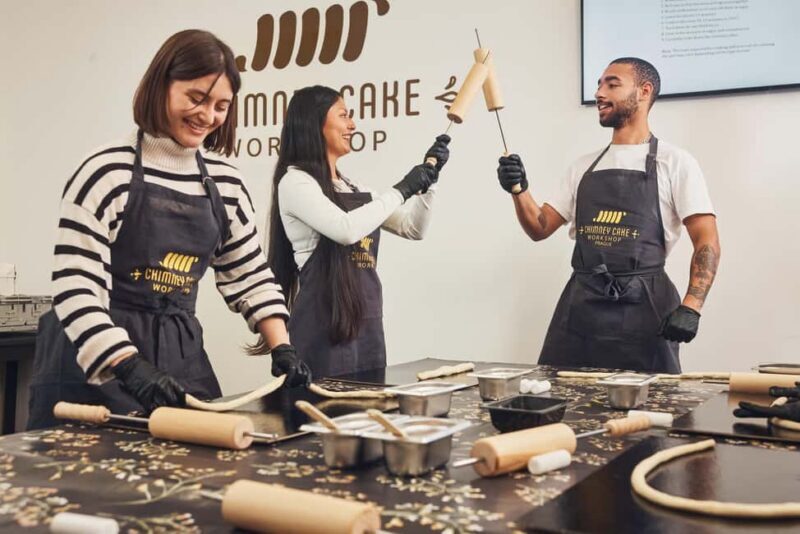
One important distinction: the dough is already prepared because it needs around 75 minutes to rise. You still get to work it, roll it into long strips, and shape it, but the full process from mixing to risen dough is not part of this short session. That is a practical compromise. It keeps the class to just over an hour and leaves time for the part you came to do: form and bake the pastry.
You can also read our reviews of more tours and experiences in Prague


Rolling dough around a wooden spit
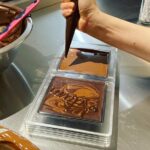
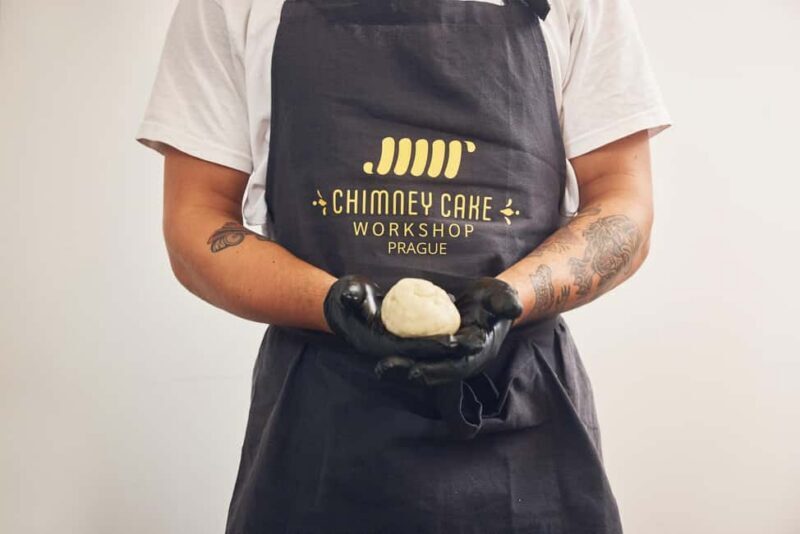
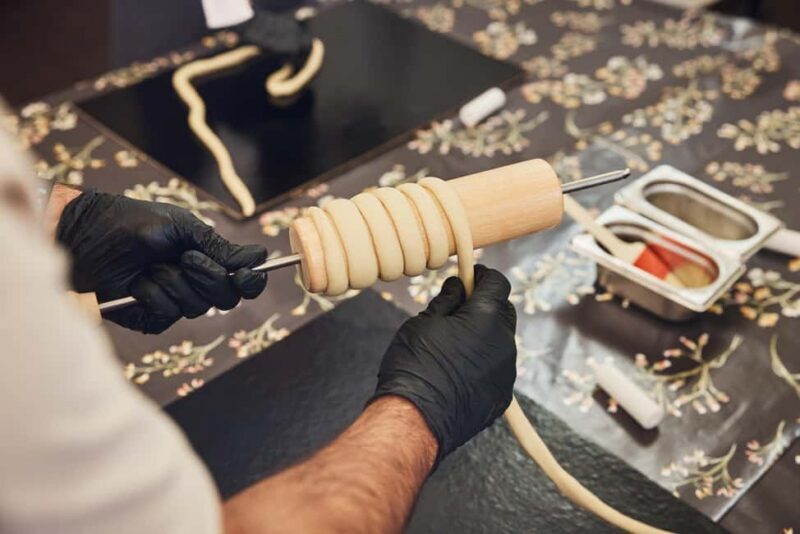
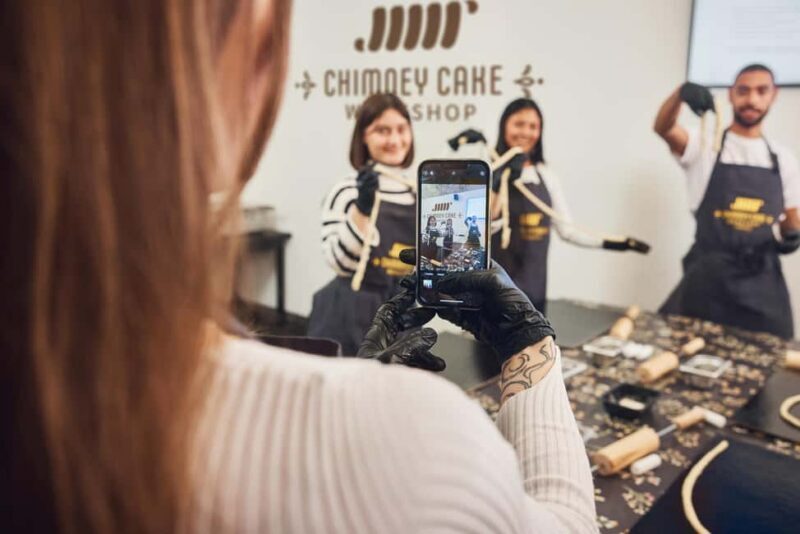
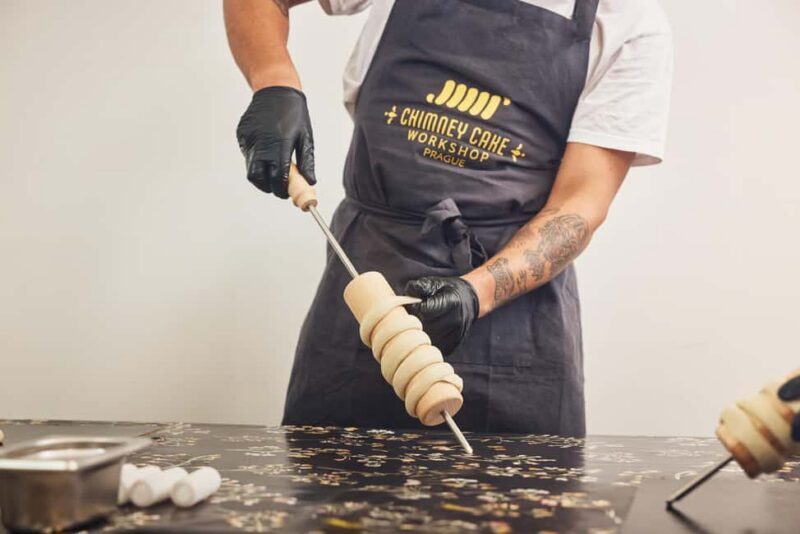
Once the instructor has shown the steps, you get your own turn. You roll the dough into strips and wrap them around a wooden spit. The shape matters: the dough must sit around the spit so it can bake into a hollow cylinder, the form that gives chimney cake its name.
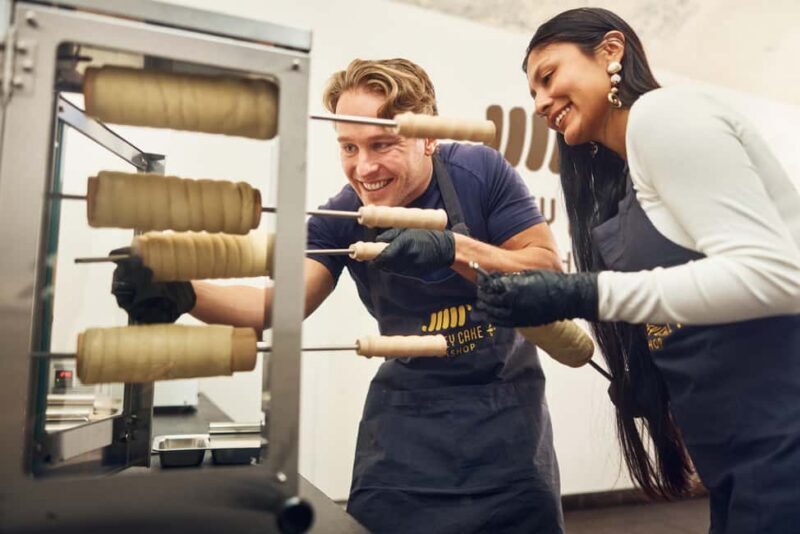
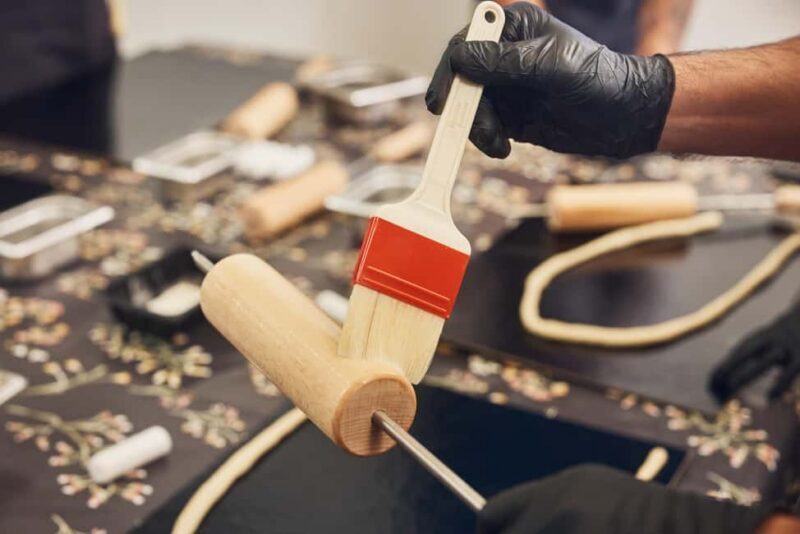
You then brush the dough with butter and sugar before it goes into a rotating oven. Watching it turn and brown is part of the fun, and the process makes the workshop more memorable than simply buying a pastry from a stall. You see how the familiar crisp, sweet exterior develops, then get to eat the result while it is fresh.
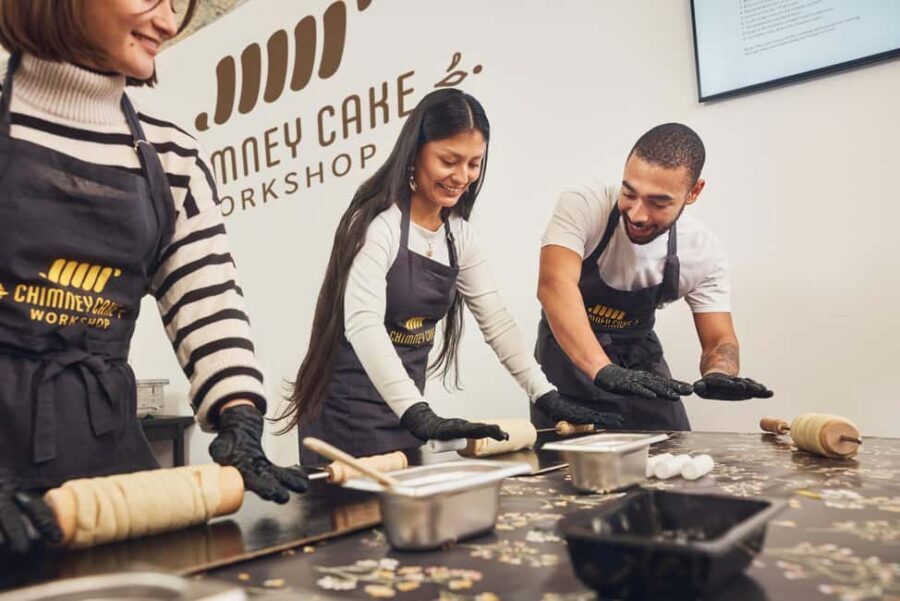
No previous baking experience is required, and the activity is described as suitable for all ages. The instructor guides the steps and helps when needed. One participant who had trouble with a first attempt was offered another try, but extra dough should be treated as a kindness rather than something guaranteed. If you are worried about getting the shape right, just ask for help as you go.
Waiting for the oven, not just watching it
The baking gives the session a natural pause. Coffee or tea is included, and you can use the time to relax and talk with the instructor and other participants. The groups can bring together people from different places, which lends the class a sociable feel without making conversation the main event.
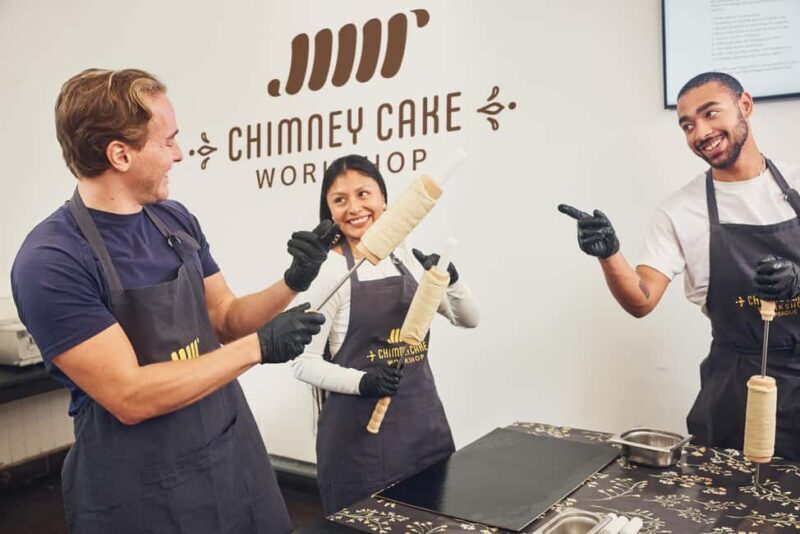
That balance is useful if you want something light and interactive rather than a formal cooking course. Couples can make a shared activity of it, friends can turn it into a small challenge, and families can give children a hands-on task. Several instructors have been praised for making people feel welcome and keeping the mood easygoing.
The class can also suit a small celebration or team outing. It has been used for a hen party and an anniversary, and the short format makes it easier to fit into a group plan. Still, the information does not promise a private session or a particular group size, so do not book expecting exclusive use of the space unless that is confirmed separately.
Toppings, tasting, and the certificate
Once the cake is baked, you choose from the listed toppings: cinnamon sugar, vanilla, walnuts, or coconut. Your included trdelník is yours to eat on the spot or take away. It is a simple but satisfying finish: you have made the pastry, watched it bake, and can taste the result while it is still warm.
Coffee or tea is part of the price, a welcome extra while you wait. The certificate is a small souvenir rather than a serious culinary qualification, but it gives the workshop a playful finish and a keepsake to take home. If you are collecting memories rather than kitchen credentials, that is about the right scale.
The strongest appeal is the combination of making and tasting. You do not just learn a recipe in theory, and you do not leave with only a demonstration to remember. You make a pastry with your own hands, then get to enjoy it.
More Great Tours NearbyWhat $23 buys you
At $23 per person, the price covers the 65-minute class, ingredients and baking materials, apron and tools, instructor guidance, one freshly baked cake, your choice of topping, coffee or tea, and the certificate. That is a solid package for a short activity, especially if you value doing something rather than simply adding another café stop to your day.
It is not a full baking course. The dough is prepared in advance, and the class is designed around shaping, baking, and tasting one cake. If you want to learn every stage of dough-making or take home a batch of pastries, this is not that kind of workshop. If you want an easy introduction to the technique and a warm snack at the end, the price makes sense.
The activity also has practical booking flexibility: you can reserve without paying immediately, and cancellation is free up to 24 hours before the start. Check the available times when booking, since the session lasts just over an hour and specific start times are not fixed here.
You can also read our reviews of more tours and experiences in Prague





Finding the door and checking allergens
The venue is in central Prague, but the exact street address is not included in the details here. Check the meeting-point information carefully before setting off. A few people have found the map pin or older door image confusing; one useful clue is a small yellow sign marked Jama Garden Pub. If you have trouble finding the entrance, calling the venue may help. The door opens five minutes before the workshop, so arriving a little early gives you time to locate it without waiting long outside.
The more important planning point is allergies. The workshop uses wheat (gluten), milk, eggs, nuts, and coconut in a small shared space, and the environment cannot be made free of these allergens. If you are allergic to any of them, the instructions say not to book or attend. This is not a setting where you should rely on substitutions or assume cross-contact can be avoided.
Who will enjoy this class most?
I would choose this workshop if you want a short, cheerful activity that breaks up sightseeing and gives you something to eat at the end. It is particularly well suited to couples, families with children, friends, and solo visitors who enjoy meeting people while doing something practical. You do not need to be a baker, and the instructor’s guidance keeps the task approachable.
It is also a good indoor option for a chilly day. The relaxed pace, warm drink, and hands-on steps make it a gentler plan than another long walk or museum visit. For children, the chance to shape and decorate their own pastry is likely to be the main attraction; for adults, the appeal is as much the shared activity as the finished cake.
I would skip it if you have a listed allergy, expect to mix dough from the beginning, or want a detailed course in Czech pastry history. And if your schedule is very tight, allow time to find the entrance as well as the 65-minute class itself.
Should you book it?
Book this if making a sweet, warm pastry sounds more appealing than simply buying one, and you have an hour to spare in central Prague. The combination of hands-on shaping, instructor help, a fresh cake, and a drink is good value at $23. Just remember that the dough is pre-risen, check the meeting details before you head out, and do not attend if you have an allergy to any of the ingredients used.
Prague: Traditional Chimney Cake (Trdelník) Making Workshop
FAQ
How long does the trdelník workshop last?
The workshop lasts 65 minutes. Check the available start times when booking.
What do I do during the class?
You work the prepared dough, roll it into strips, wrap it around a wooden spit, brush it with butter and sugar, and bake it in a rotating oven.
Do I make the dough from the beginning?
No. The dough needs about 75 minutes to rise, so it is prepared before you arrive. You take part in shaping and baking it.
Is the workshop taught in English?
Yes. The instructor teaches in English.
What is included in the price?
The price includes ingredients and baking materials, an apron and tools, instructor guidance, one freshly baked trdelník, a choice of topping, coffee or tea, and a certificate.
Which toppings can I choose?
The listed choices are cinnamon sugar, vanilla, walnuts, and coconut.
Is the workshop suitable for children or beginners?
Yes. It is described as suitable for all ages and requires no previous baking experience.
Can I attend if I have a food allergy?
The workshop uses wheat (gluten), milk, eggs, nuts, and coconut in a small shared space, and those allergens cannot be eliminated from the environment. The instructions say not to book or attend if you are allergic to any of them.
You can check availability for your dates here: