The best part of this Milan cooking class is that you work in a real restaurant kitchen, not a demonstration room. You make fresh pasta and tiramisu with a chef, then sit down to eat what you prepared, with wine included.
I like two things in particular: the chef walks you through practical details, from choosing flour to handling dough, and the class turns cooking into a relaxed shared meal. One consideration: some sessions meet outside the central tourist area, and the exact location depends on your start time, so check the address before you go.
- At a glance
- A restaurant kitchen, not a cooking theater
- Prosecco, aprons, and the first lesson
- Making tiramisu and fresh pasta
- The meal is part of the lesson
- Getting there and choosing a time
- What the price includes, and what it does not
- Who will enjoy this class most
- Should you book the Milan pasta and tiramisu class?
- FAQ
- How long is the cooking class?
- What will I make?
- Is wine included?
- Where does the class meet?
- Can children take part?
- Should I tell the operator about food allergies?
- What is the cancellation policy?
- The Best Of Milan!
- More Cooking Classes in Milan
- More Tours in Milan
- More Tour Reviews in Milan
- Not for you? Here's more nearby things to do in Milan we have reviewed
At a glance
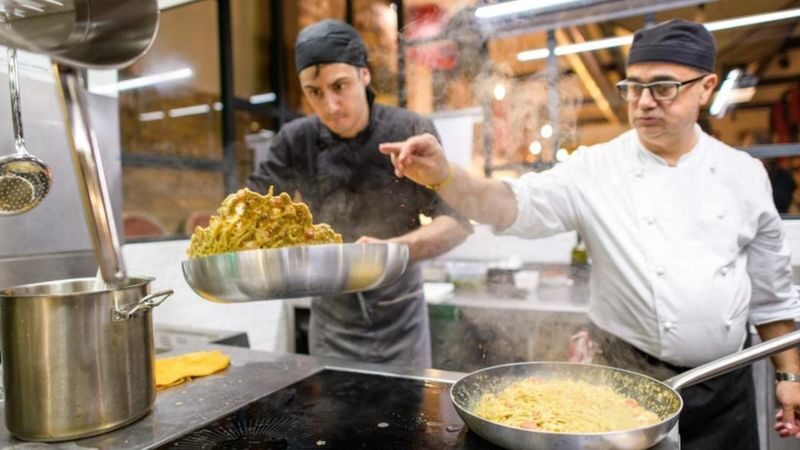
- You cook two Italian staples: fresh pasta and tiramisu, with step-by-step help from an English-speaking chef.
- You eat what you make: the class finishes at the table with your pasta, dessert, and included wine.
- You get kitchen access: instruction takes place in a working restaurant rather than a separate classroom.
- The class runs for three hours: allow enough time for cooking, eating, and getting to the correct meeting point.
- Meeting locations vary by time: some sessions start in Navigli, while others meet at Orecchiette e Vino.
- The price needs a quick check: the listed starting prices differ, so confirm the total for your selected date and package.

👉 See our pick of the 25 Best Workshops And Classes In Milan
A restaurant kitchen, not a cooking theater
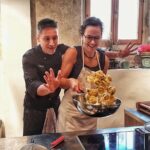
This class offers a useful slice of everyday Italian food culture: you step into a working restaurant, put on an apron, and learn by doing. The setting matters. You are not only watching a chef explain pasta; you are handling the ingredients and making a meal in the place where food is prepared for diners.
The class is based at one of two Milan restaurants, depending on the time you book. The Navigli meeting point is Come ‘Na Vorta – Pasta e Vino Navigli, at Ripa di Porta Ticinese 3-5. Other sessions meet at Orecchiette e Vino, at Via Marco Bruto 7. Don’t assume the restaurant name in the general activity details is your start point. Check the address assigned to your time slot.
Some sessions are described as small-group classes, which can make hands-on teaching easier. The exact group size is not specified, so I would not book expecting a private lesson. Still, the format is more personal than a large demonstration: the chef and staff guide participants through the steps, rather than leaving you to puzzle over a bowl of dough alone.
You can also read our reviews of more cooking classes in Milan

Prosecco, aprons, and the first lesson
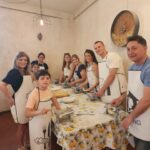
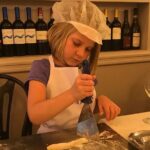
The welcome begins with a glass of Prosecco, then you move into the kitchen and get set up to cook. That opening drink helps the class feel social rather than formal, but the main value comes once the chef starts explaining what you are doing and why.
Your instructor speaks English and demonstrates each stage. Damiano is one named instructor, and his patient, detailed teaching style is a particular plus if you want to understand the method rather than simply follow a recipe. Other classes may have a different chef, so you should not assume Damiano will lead every session.
One useful part of the pasta lesson is learning about flour and the difference between pasta fresca and pasta secca. Those terms refer to fresh and dried pasta, and the distinction helps put the cooking in context. You are not just making a dish for lunch or dinner; you are getting a clearer idea of how basic choices affect the pasta you make at home.
The chef explains the process carefully, and staff also offer hands-on help. That is good news if you have never made pasta. It also means you can ask for guidance while you work, rather than hoping you remembered every step from a quick demonstration.
Making tiramisu and fresh pasta
The class focuses on two crowd-pleasers: tiramisu and handmade pasta. The order can vary. One described session began with dessert, followed by two kinds of pasta, while the general plan also describes pasta before tiramisu. Either way, expect to work on both during the three-hour class.
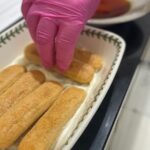
Tiramisu gives you a chance to learn how the familiar dessert comes together, rather than just ordering it after dinner. The class is hands-on, though the available details do not specify every ingredient or technique, so don’t expect a fixed regional recipe or a full pastry course. The menu may change with the season and ingredient availability.
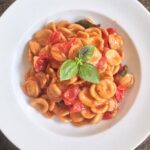
Then comes the pasta. You learn how to prepare dough, choose the right flour, and work through the steps with the chef’s help. One class account describes making two types of handmade pasta, with the chef helping cook the finished pasta and diners choosing a flavor. The exact pasta shapes and sauces are not guaranteed, so think of the lesson as a practical introduction, not a promise of a particular recipe.
That distinction is important when you book. You should come away with new skills and recipes, but the supplied information does not promise a printed recipe sheet. If you want to recreate the dishes later, take notes as you go, or ask the instructor whether recipes are available. There is a lot to absorb when you are shaping dough, listening, and having a good time at once.
The meal is part of the lesson
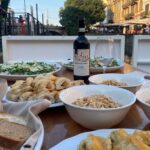
After the cooking, you sit down together and eat the food you have prepared. This is more than a handy finish to the class. You get to see how your work turns out on the plate, and you can enjoy the meal with the other people at your table.
Wine is included, and the stated package includes a glass to accompany the meal. One participant described receiving more than one glass, along with lemon vodka, but those extras are not part of the stated inclusions. Count on the listed glass of wine, not additional drinks, and ask the operator if you want to know exactly what is served on your date.
The meal can be scheduled for lunch or dinner, depending on the class time you choose. For a three-hour activity, that can make the class a substantial part of your day. It works well if you want an activity that combines a lesson and a meal, rather than a short class followed by another restaurant booking.
The social side is a bonus. You cook alongside other participants, then share the result. That makes this a good fit for couples, families, and people who enjoy meeting others over food. Children aged six and up may participate, but anyone aged six to 17 must come with a paying adult. Children aged 13 and older pay the adult rate.
Getting there and choosing a time
The meeting point changes according to the session time, so check your booking carefully before leaving. The 11:00 and 16:30 classes meet at Come ‘Na Vorta – Pasta e Vino Navigli. The 10:30, 15:00, and 18:00 classes meet at Orecchiette e Vino.
The Navigli address is Ripa di Porta Ticinese 3-5, 20143 Milan. Bus N25 stops at P.Za Ventiquattro Maggio, a two-minute walk away. Orecchiette e Vino is at Via Marco Bruto 7, 20138 Milan, with a two-minute walk from the Via Repetti stop on bus K511 or N27.
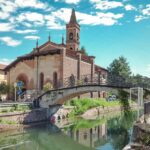
The Navigli restaurant is not in the main tourist zone, but it is reachable by public transport. That can be a plus if you want to spend time in a neighborhood beyond the central sights, but it does mean you should plan your route rather than assume you can walk over from the Duomo in a few minutes.
Arrive 15 minutes early. The voucher is valid only for the date and time booked, and late arrivals or no-shows are not refundable. If you have food allergies, tell the operator in advance. Do the same for accessibility needs, so the operator can discuss available options with you.
You can also read our reviews of more tours and experiences in Milan


What the price includes, and what it does not
The package information gives a starting price of US$88.79 for the three-hour class, while the summary lists a starting price of US$97.65. Because those figures differ, check the price for your selected date and booking before you pay. The final amount may depend on the option you choose.
For the money, the value is strongest if you want all three parts: instruction, a hands-on cooking session, and a meal with wine. You are not paying only for a bowl of pasta. You get access to the kitchen, an English-speaking chef, fresh pasta and tiramisu, and the chance to eat the dishes you make.
It is less compelling if you only want a quick cooking demonstration or if you are looking for a restaurant meal without participation. You will spend time working, listening, and sharing a table, so the class suits people who want to take part. Personal expenses and tips are not included.
The class has a five-star rating from seven published ratings, and the experience provider lists 43 reviews overall with a 90 percent good-review rate. That is encouraging, though the small number of ratings for this specific class is not enough to guarantee that every session will feel the same. The most consistent strengths are the patient, detailed teaching, friendly staff, and the quality of the food participants prepare.
Who will enjoy this class most
I would choose this activity if you want to learn a useful cooking skill while leaving room for a relaxed meal. It is especially suitable for couples and families who like doing something together, and for beginners who want close guidance without needing prior kitchen experience.
Food-minded visitors will get more from the class than people who simply want a recipe to take home. You will learn through practice, and the meal gives you a chance to taste the result. If you are trying to fit a lot of Milan sightseeing into one day, keep in mind that three hours plus travel time is a real commitment.
This is also a good choice for a rainy or low-energy day when you would rather spend time indoors and eat well. Just don’t expect a private class, a fixed menu, or a printed recipe booklet. The ingredients and menu can change by season, and the instructor may vary.
Should you book the Milan pasta and tiramisu class?
Book it if you want to get your hands into the dough, learn from a chef, and sit down for the meal afterward. The combination of a working restaurant kitchen, patient instruction, fresh pasta, tiramisu, and wine makes the three hours feel like a full activity rather than a cooking demo.
Think twice if you are short on time, uncomfortable participating in a group, or expect a specific pasta shape and recipe handout. Before booking, confirm the current price, meeting address, meal time, and any allergy or accessibility needs. Arrive early, bring ID if you are 18 or older and plan to drink alcohol, and keep your phone handy for notes. If those details suit you, this is a practical and tasty way to learn more than how to order pasta in Milan.
Pasta and tiramisu cooking class in Milan
“Although the restaurant isn't in a tourist area, it's easily accessible by metro or tram. The owner is friendly and a great teacher, and the staff…”
FAQ
How long is the cooking class?
The package described is a three-hour cooking class.
What will I make?
You will prepare fresh pasta and tiramisu. The exact menu can change depending on the season and ingredient availability.
Is wine included?
Yes. The stated package includes wine with the meal. The listed inclusion is a glass of wine.
Where does the class meet?
It depends on the start time. The 11:00 and 16:30 sessions meet at Come ‘Na Vorta – Pasta e Vino Navigli. The 10:30, 15:00, and 18:00 sessions meet at Orecchiette e Vino.
Can children take part?
Yes. Participants must be at least six years old. Children aged six to 17 must be accompanied by a paying adult, and children aged 13 and older pay the adult rate.
Should I tell the operator about food allergies?
Yes. You should communicate food allergies to the operator in advance.
What is the cancellation policy?
You can receive a full refund if you cancel at least 48 hours before the activity date, using local time at the destination. If the operator cancels because of an unforeseen event or extreme weather, you can request a full refund.