Munich’s Nazi past is not tucked away in a museum. It is written into the city’s streets, former headquarters, memorials, and the beer hall where Hitler attended an early party meeting and made major speeches. This walk follows those places to explain how Munich became the Nazi movement’s capital.
I like two things about this route: it connects specific buildings to the events that unfolded there, and the guide can use historical images to help you compare past and present. It also passes through central Munich, so you get a close look at the city while learning a difficult chapter of its history.
The main consideration is pace and length. The tour is advertised as two hours, but its itinerary and past outings point to about two and a half hours on foot, with one account describing roughly four kilometers. A fast pace or a large group can make it harder to hear and tiring for some.
- Munich as the movement’s center: Learn why the city was called Hauptstadt der Bewegung, or Capital of the Movement.
- A beer hall with a consequential past: Visit the place where Hitler attended his first party meeting and delivered early speeches.
- Former Nazi headquarters: See buildings associated with the leadership and planning of the regime.
- Wartime traces and memorials: Look at the scars of World War II and places that keep its victims in view.
- A central meeting point: Start and finish at the Radius Tours office on Dachauer Str. 4, with morning, midday, and afternoon departures.
- Following Munich’s path into the Nazi era
- The beer hall and the movement’s early speeches
- Former headquarters and the buildings of power
- Memorials, memory, and the cost of the story
- What the walk feels like on the ground
- Guides who bring dates and places together
- Is the price worth it?
- Who should take this walk?
- Should you book the Munich Third Reich Walking Tour?
- FAQ
- How long does the tour take?
- Where does the tour start and finish?
- What departure times are available?
- What language is the tour in?
- How large is the group?
- Is the tour suitable for children?
- What should I wear?
- Are meals and drinks included?
- The Best Of Munich!
- More Walking Tours in Munich
- More Tours in Munich
- More Tour Reviews in Munich
- Not for you? Here's more nearby things to do in Munich we have reviewed
Following Munich’s path into the Nazi era
 1 / 5
 2 / 5
 3 / 5
 4 / 5
 5 / 5
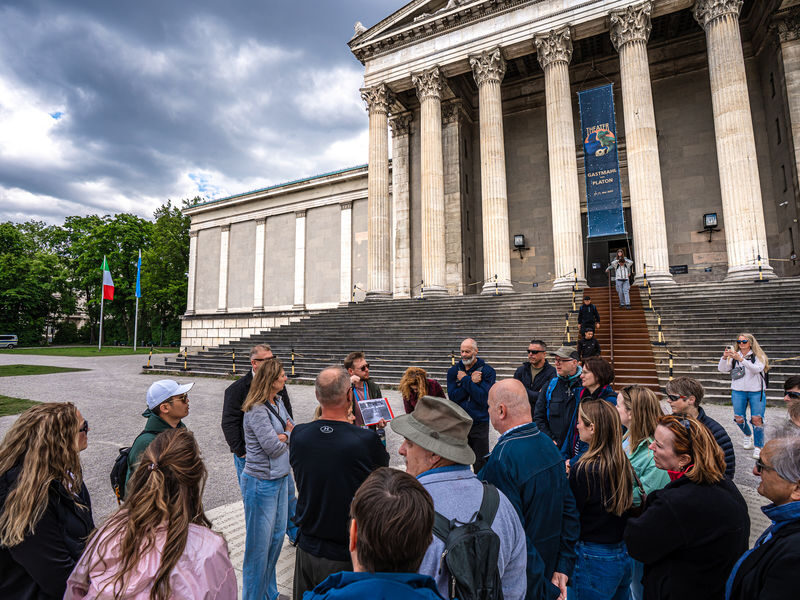
This is a history walk, not a general city tour with a few grim stops added on. Its focus is the rise and reach of the Nazi movement in Munich, where Hitler and his party built support before taking power across Germany. The tour connects that political history to actual places in the city.
The title’s phrase, Capital of the Movement, captures why Munich matters to this story. The city was an early center of Nazi activity, and the tour visits sites connected with the party’s meetings, speeches, offices, and public image. The guide’s job is to tie those places together, so you can understand how a movement took root and gained influence.
You should expect a sober account of political ambition, propaganda, violence, and war. The tour also looks beyond the rise of the regime to its consequences and the ways the past is remembered. That broader frame is valuable: it keeps the experience from becoming a parade of dates and infamous names.
The subject is heavy, and a little levity from a guide may help keep a long walk engaging. But humor is not the point. The strongest parts of the tour are the moments when a building or memorial makes history feel close, and when the guide explains what happened there and why it still matters.

👉 See our pick of the 9 Best Shopping Tours In Munich
The beer hall and the movement’s early speeches
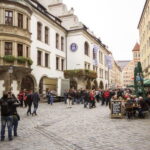
One of the route’s most telling stops is a beer hall where Hitler attended his first party meeting and made some of his first major speeches. It offers a direct link between an ordinary urban venue and the early growth of a political movement that would bring catastrophe to Europe.
The value of seeing a site like this is not that the building alone explains history. It is that your guide can place it within a story: how meetings and speeches helped build a following, and how Munich became a center for Nazi activity. Without that context, a beer hall can look like just another stop on a city walk.
Do not expect the tour to treat the site as a novelty. Its significance lies in what took place there, not in any claim that the building is a shrine or an attraction in itself. The guide’s interpretation helps make clear the difference between understanding the past and glamorizing it.
You can also read our reviews of more walking tours in Munich
Former headquarters and the buildings of power
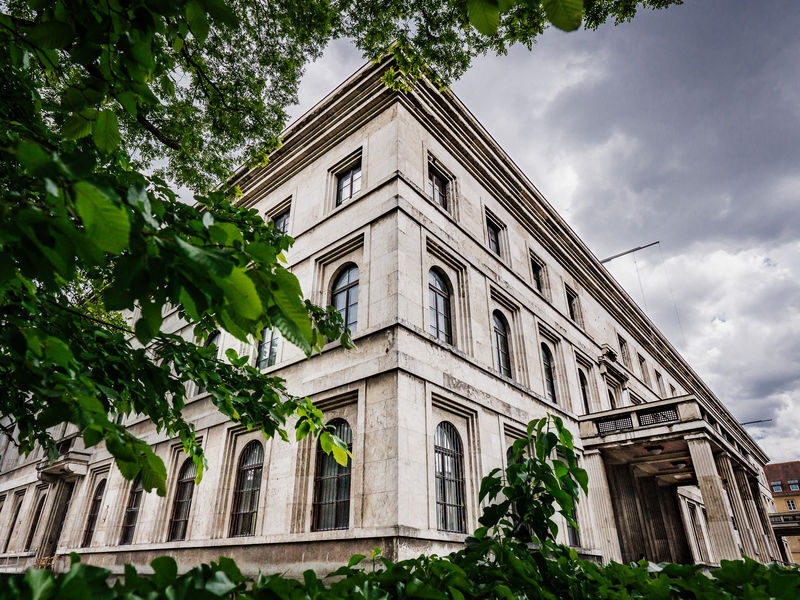
The walk also visits old Nazi headquarters and meeting halls linked to the regime’s planning and administration. These locations show how political power became organized and put into action. A headquarters is not just an address: it connects ideas and speeches to decisions, institutions, and the people affected by them.
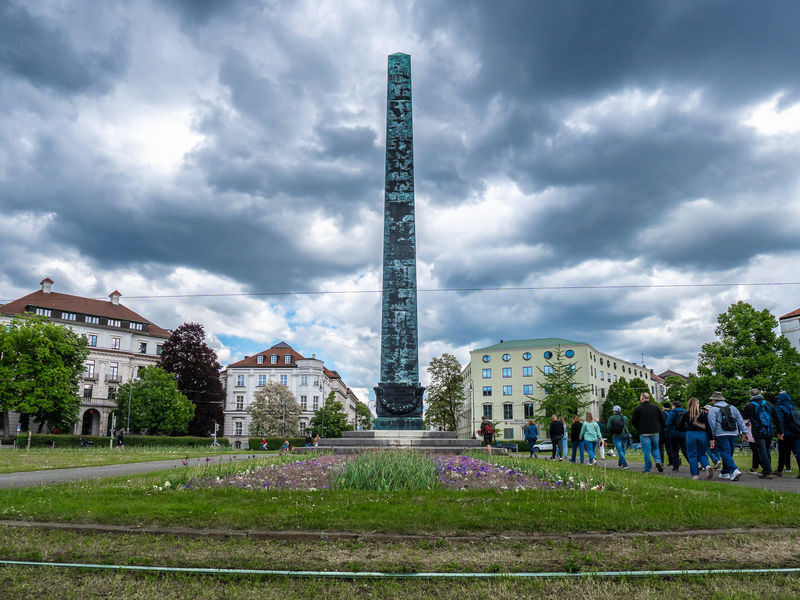
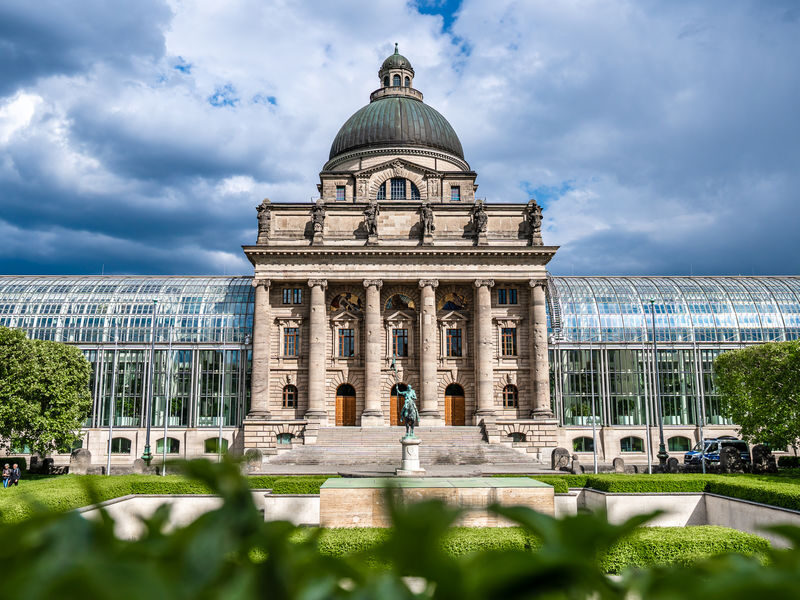
The route includes buildings that bear the marks of World War II, along with examples of Nazi-era architecture. Together, they reveal how the city’s physical fabric carries several layers of history: the regime’s ambitions, the destruction of war, and the later effort to remember what happened.
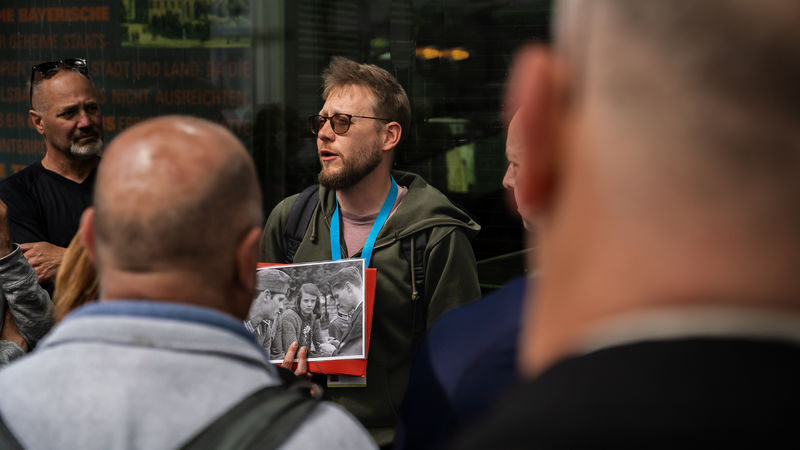
A guide can make these stops much more useful than a quick look at a facade. In particular, historical images shown on a tablet can help you compare a present-day location with how it looked in the past. That side-by-side view gives you a clearer sense of what changed and what remains.
Keep your expectations grounded. The information provided names categories of sites, not a fixed list of every building on every departure. The precise sequence may change with conditions, so think of the tour as a guided route through Munich’s Third Reich history rather than a guaranteed checklist of named landmarks.
Memorials, memory, and the cost of the story
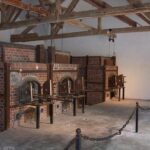
World War II memorials are part of the experience, as is the question of how the period should be remembered. This matters because a tour about the Nazi movement should not stop at the rise of its leaders. It needs to address the crimes and human suffering that followed.
Some guides have brought in personal family connections to the period. Dan, for example, has shared how his family was affected by Nazi rule. That kind of perspective can make the history feel less abstract, though the guide assigned to your departure may be someone else.
The tour’s educational value comes from the mix of places and explanation. You walk from sites of political activity to buildings marked by war and memorials that ask you to remember its victims. The route cannot cover every aspect of the period in a few hours, but it gives you a framework for understanding Munich’s role and for noticing the history around you afterward.
What the walk feels like on the ground
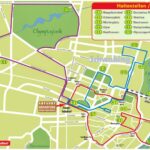
The meeting point is the Radius Tours office at Dachauer Str. 4, 80335 Munich. The address is central, and the office has been described as easy to find. Still, allow time to locate it, especially if the building or street is affected by work. Arrive 15 minutes before your chosen departure.
Available start times are 8:45 a.m., 11:30 a.m., and 3 p.m. Return times are listed as 12:15 p.m., 2 p.m., and 5:30 p.m., but the return option depends on your departure and the length of that outing. The route begins and ends at the Radius Tours office.
The listed duration is two hours, while the itinerary describes a two-and-a-half-hour guided tour. Accounts of the walk also describe about two and a half hours and roughly four kilometers. I would keep a two-and-a-half-hour window free rather than plan a tight connection immediately afterward.
The terrain has been described as mostly flat and generally easy, but flat does not mean effortless. You are on your feet for a sustained stretch, stopping to listen and moving between locations. Wear comfortable walking shoes, and dress for the day’s weather. A windproof, rainproof layer is a sensible choice, particularly in cold or wet conditions.
The group size is listed as four to 25 people, with a minimum of four required. A larger group can make it harder to hear the guide, particularly outdoors or when everyone gathers around a stop. Stay close enough to hear, and ask for clarification if you miss a point. The walking pace has sometimes felt brisk, so this may not suit you if you need frequent rests or prefer a slow stroll.
The tour is conducted in English. You will get more from it if you can follow spoken English comfortably, since the guide’s explanation is central to the experience. Some prior knowledge of the period may help, but you do not need to arrive as a history specialist. A good guide should give you the context to make sense of the places.
Guides who bring dates and places together
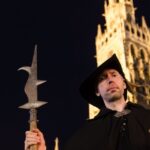
The guide can make or break a history walk. This route relies on narration to connect buildings, events, and human consequences, and the guides who have led it include Jake, Keith, Iain, Nicola, Mark, Dan, Sam, Josh, and Hein. Guide assignments vary, so you should not book expecting a particular person.
A strong guide on this subject does more than recite names and dates. They help you see how Munich’s local history fits into the larger story of Nazi rule and World War II. Past tours have used a tablet to show historical images at the sites, which is a practical tool: you can compare the old view with the city in front of you.
The best experience is one where the guide balances detail with clarity. There is a lot to cover, and two to two and a half hours cannot hold everything. That means some stops will get a short explanation, and the guide has to choose what matters most. If a particular topic catches your interest, ask a question while there is time.
Is the price worth it?
The join-in tour is listed from US$42.59, while the experience summary gives a price from US$48.95. Prices can vary, so check the amount shown for your selected date and package before booking. The fee covers an English-speaking guide, and the experience is built around the route and the history explained along the way.
For a focused, guided introduction to Munich’s role in the Nazi movement, that can be good value. You are paying for a structured account of sites that may otherwise appear to be just buildings or plaques. The central route also makes efficient use of time if you want to learn about the period while seeing parts of the city.
It is less compelling if you want a museum visit, a broad overview of Munich, or a leisurely walk with lots of free time at each stop. Meals, beverages, tips, and personal expenses are not included. The value depends on whether you want a concentrated history lesson and are comfortable spending several hours walking and listening.
Who should take this walk?
I would choose this tour if you want to understand how Munich became an early center of the Nazi movement and prefer a guide to connect the history with real places. It suits history-minded adults, students, and anyone who wants a serious account of the city beyond its more familiar sights.
Families can bring children, but think about the subject and the length before booking. Children aged 14 and older are charged the adult rate; children aged zero to five are free. Infants and children still need to be included in the passenger headcount.
This is not the best pick if you have limited stamina, struggle to follow spoken English, or want a light introduction to the city. The pace can be quick, and the group can be large enough to affect how easily you hear. If you are keen on the history but unsure about the distance, contact the operator before booking to check whether the walking demands suit you.
Should you book the Munich Third Reich Walking Tour?
Book it if you want a clear, place-based account of Munich’s part in the Nazi era, and you are prepared for a brisk walk and difficult subject matter. The beer hall, former headquarters, wartime traces, and memorials give the guide a strong set of landmarks to work with.
Skip it if you would rather explore at your own pace or need a shorter, quieter outing. If you do go, arrive early, dress for the weather, wear proper walking shoes, and leave room in your schedule for the longer end of the stated duration. That small bit of planning helps you focus on the history rather than the clock.
Munich Third Reich Walking Tour
“The detailed explanation of Hitler's life and the expansion of the Nazis was very informative. Additionally, since the tour passed through Munich's…”
FAQ
How long does the tour take?
The experience is described as two hours, while the itinerary gives a duration of two hours and 30 minutes. Plan for about two and a half hours.
Where does the tour start and finish?
It starts and finishes at the Radius Tours office, Dachauer Str. 4, 80335 Munich.
What departure times are available?
The listed departure times are 8:45 a.m., 11:30 a.m., and 3 p.m. Choose your time when booking and arrive 15 minutes early.
What language is the tour in?
The tour has an English-speaking guide.
How large is the group?
The listed group size is four to 25 participants. The activity requires at least four participants to run.
Is the tour suitable for children?
Children aged zero to five can join for free, and children aged 14 and older pay the adult rate. Infants and children must be included in the passenger headcount.
What should I wear?
Wear walking shoes and dress for the weather. A windproof or rainproof jacket can be useful in wet or cold conditions.
Are meals and drinks included?
No. Meals, beverages, tips, and other personal expenses are not included.