Ramses II’s original coffin is the headline here: an object from more than 3,000 years ago, shown in the UK for the first time. I like that this exhibition pairs it with treasures from royal tombs at Tanis, so the story reaches beyond one ruler and his court.
I also like the clear displays and the chance to see real objects up close, from gold and silver work to animal mummies and colossal stone heads. Historian Dan Snow’s audio guide and the virtual reality tour add useful ways to connect the objects with Ramses’ world.
One caution: the title may suggest a roomful of objects belonging to Ramses himself, but the collection also features other pharaohs. And while the VR tour is promoted as part of the experience, it may cost extra, so check what your ticket includes before you go.
- The coffin of Ramses II is the star object, on display in the UK for the first time.
- Tanis tomb treasures include King Amenemope’s gold mask and Shoshenq II’s silver coffin.
- Animal mummies and amulets offer a glimpse of Egyptian religious beliefs and ideas about the afterlife.
- Dan Snow’s audio guide and the VR temple tour help explain the setting and the objects.
- The visit takes about 90 minutes, though you may want longer if you read every label or take your time.
- The exhibition is at NEON, Battersea Power Station, and is wheelchair accessible.
- Ramses’ coffin sets the tone
- From royal tombs to animal mummies
- Stone faces and the scale of kingship
- Dan Snow’s audio and the VR temple tour
- How much time to allow
- Is the ticket good value?
- Who will enjoy this exhibition?
- Should you book it?
- FAQ
- How long does the exhibition take?
- Where is the exhibition held?
- What is the ticket price?
- Is the virtual reality tour included?
- Is there an audio guide?
- Which objects are on display?
- Are there human mummies?
- Is the exhibition wheelchair accessible?
- Are children under five allowed?
- The Best Of London!
- More Tickets in London
- More Tours in London
- More Tour Reviews in London
- Not for you? Here's more nearby things to do in London we have reviewed
Ramses’ coffin sets the tone
 1 / 5
 2 / 5
 3 / 5
 4 / 5
 5 / 5
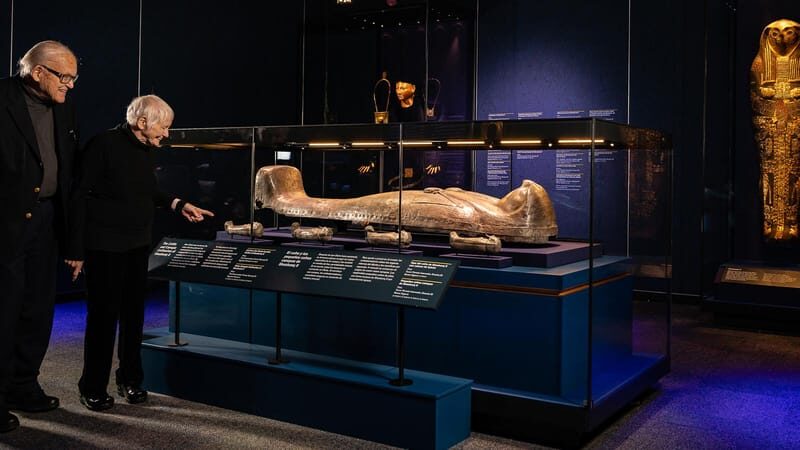
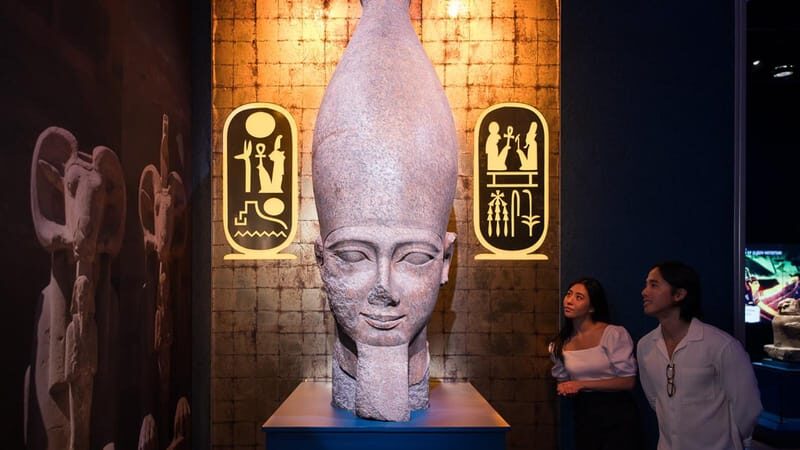
The exhibition’s most striking object is the coffin of Ramses II, one of ancient Egypt’s most powerful rulers. Seeing a royal burial object in person gives the story a physical scale that a textbook or screen cannot quite match. You are not just reading about a pharaoh’s power; you are looking at an object made for the afterlife of a real person who ruled more than three millennia ago.
The coffin is also a useful starting point for understanding the exhibition’s promise and its limits. This is a collection about Ramses and the wider world of Egyptian kingship, not a display made up solely of objects that belonged to him. Some of the most impressive items come from the royal tombs of Tanis and belong to other rulers, including Amenemope and Shoshenq II.
That broader focus can be a plus. It puts Ramses’ reign in a longer royal tradition, and the mix of coffins, burial objects, sculpture and smaller personal or religious items gives you more than one angle on ancient Egyptian life. But if you expect every case to be directly tied to Ramses, the title may set you up for a mismatch.

👉 See our pick of the 25 Best Workshops And Classes In London
From royal tombs to animal mummies
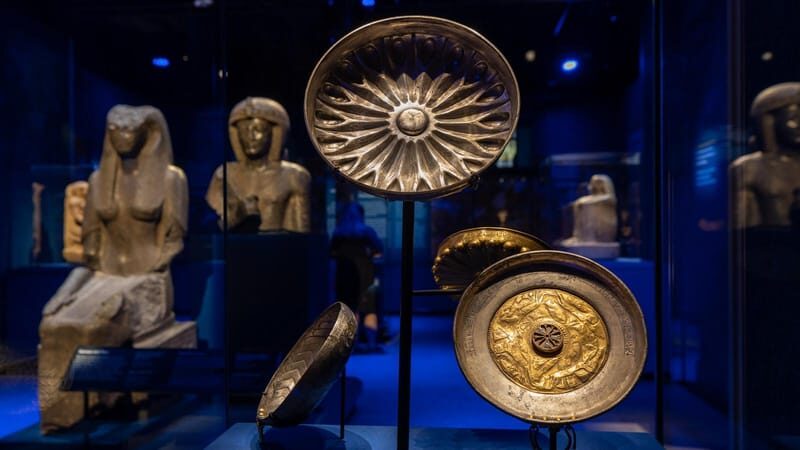
After the central royal objects, the range of the collection helps keep the visit moving. The gold mask of King Amenemope and the silver coffin of Shoshenq II bring attention to the skill and materials used in royal burial. Gold catches the eye; silver offers a less familiar counterpoint. Together, they show that the exhibition’s appeal is not limited to Ramses’ own story.
Look, too, for the animal mummies and amulets. These objects shift the focus from rulers to spiritual belief and daily ideas about protection and the afterlife. They are smaller than the statues and coffins, but they help explain how religious practices reached beyond the royal household.
A useful expectation to set: the exhibition includes beautifully preserved animal mummies, but it is not a display of human mummies. If a human mummy is the main reason you are considering a ticket, this may not give you what you have in mind. The attraction is the variety of authentic objects and the way they build a picture of Egyptian beliefs and royal life.
You can also read our reviews of more tours and experiences in London


Stone faces and the scale of kingship
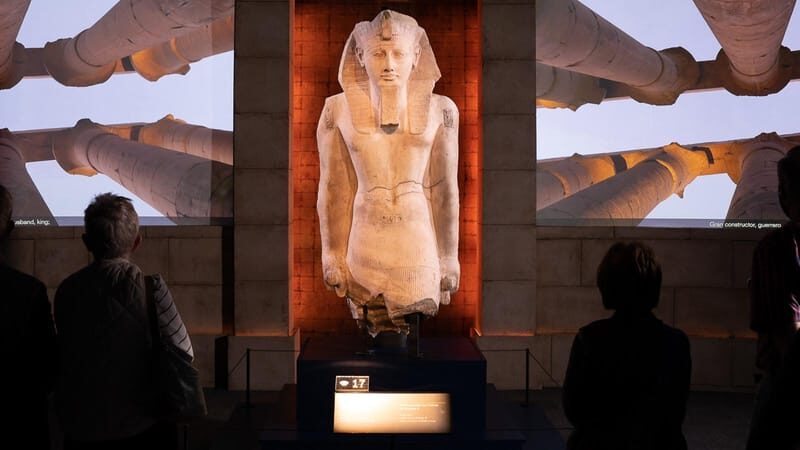
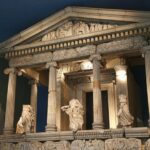
Colossal sculptures, statues and stone heads depicting Ramses II and his queens give the exhibition a change of pace. After looking closely at fine metalwork and burial objects, you can step back and take in the scale of royal imagery. These pieces were made to project authority, and their size helps explain why rulers used monumental art to shape how people saw them.
The display also includes objects connected with Ramses’ queens. That detail broadens a story that might otherwise turn into a parade of kings and titles. For visitors interested in sculpture, the objects can prompt questions about how stone was carved and how the pieces were made. The exhibition’s labels provide context, but some visitors may want more technical detail about materials and carving methods.
The layout and lighting are part of the experience. Displays are arranged so you can move between objects without feeling pressed for space, and the lighting gives the artefacts a dramatic presence. It can also make the exhibition feel quite dark. If you prefer bright galleries or need to read every label comfortably, take your time and don’t rush through the rooms.
Dan Snow’s audio and the VR temple tour
The audio guide, narrated by historian Dan Snow, offers a useful layer of explanation as you move through the displays. It can help connect individual objects with the people, beliefs and events around them, especially if you are new to Egyptian history. Look for information about the guide near the entrance; it is easy to miss if you head straight into the exhibition.
Bring headphones, as requested. The audio guide’s availability and the way it is supplied may depend on your ticket or the arrangement on the day, so check what is included before paying for an extra. If you want the narration in a language other than English, confirm that the version you need is available; translated audio has not always covered every part of the exhibition.
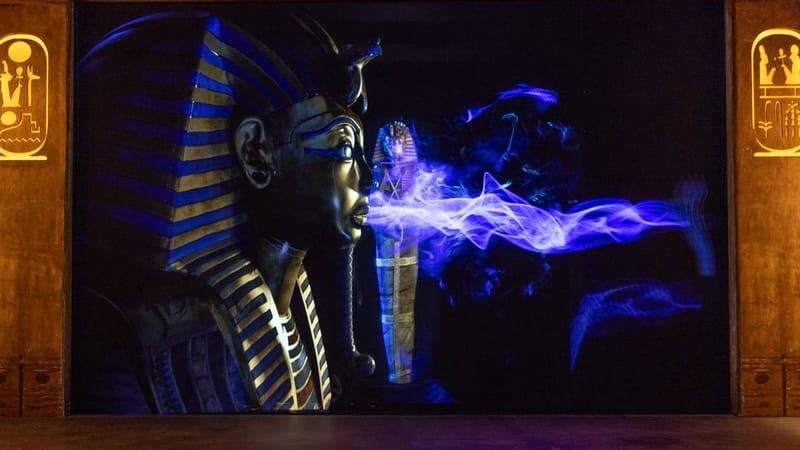
The VR experience takes you to Ramses’ temples, offering a digital sense of place beyond the objects in the cases. It is an appealing option if you like technology and want a more spatial picture of the ancient sites. But it may be an add-on rather than part of the standard ticket. Some ticket holders have found the extra charge steep, so decide in advance whether the virtual visit matters to you and check the current price.
How much time to allow
The stated duration is 1.5 hours, a sensible starting point for a visit at a measured pace. You can see the main objects and read many of the labels within that time, but there is no need to treat 90 minutes as a firm exit deadline. If you enjoy Egyptology, want to listen to the audio guide or stop for the VR tour, give yourself room to stay longer.
The displays are ticketed, and the space has been described as comfortable to move around in, with room between objects. That matters in an exhibition where you will want to pause and look closely rather than shuffle past a crowded case. The experience can feel more personal when you have time to take in the fine detail on a mask, coffin or amulet.
A few practical points are worth keeping in mind. The venue is NEON at Battersea Power Station, but finding the exhibition entrance can take some care; the wayfinding has not always been clear. Check your directions before setting off and allow a little extra time to find the right entrance, especially if you have a timed slot.
Is the $21 ticket good value?
At about $21 per person, the ticket buys access to a focused exhibition of 180 artefacts, including objects rarely seen in the UK and Ramses II’s original coffin. That makes the price easier to justify if you are keen on ancient Egypt, want to see the Tanis tomb treasures, or value the chance to look closely at genuine objects in a dedicated setting.
Value depends on what you expect. This is a 90-minute exhibition, not a full day of museum galleries, and it may feel short if you want a much larger collection. London’s major museums offer Egyptian objects in a broader setting, often without a separate exhibition ticket, so compare the experience you want: a focused, dramatically presented show, or a wider museum visit with more to see.
Remember that the headline ticket may not cover every extra. The VR tour and audio arrangements can affect the final cost, so check the inclusions before booking. If you are interested mainly in the physical artefacts, the core exhibition may be enough. If the temple simulation is a must for you, include its cost in your calculation.
You can also read our reviews of more museum experiences in London



Who will enjoy this exhibition?
I’d recommend the exhibition to anyone with a real interest in ancient Egypt, especially if seeing Ramses II’s coffin in person is a priority. It also suits visitors who want a manageable cultural stop rather than a sprawling museum visit, and those who appreciate clear displays, historical context and a mix of large monuments and small objects.
You do not need to arrive as an Egyptology expert. The presentation gives you a route into the subject, and the audio guide can add context as you go. If you are already well read on Ramses, you may find parts of the show familiar, and you may wish for more technical information about how some objects were made.
Children under five are not considered suitable for the activity. The exhibition is wheelchair accessible, which makes it an option for a wider range of visitors, though you should still check any specific access needs directly with the venue. Flash photography is not allowed, so leave the flash off while taking pictures.
Should you book it?
Book if you want to see Ramses II’s coffin, enjoy carefully presented Egyptian artefacts, or are curious about royal burial and beliefs about the afterlife. The Tanis treasures, animal mummies and monumental sculpture make the visit broader than the title alone suggests, while the audio and VR options can add context if they suit your budget.
Think twice if you expect a large collection devoted only to Ramses, a human mummy display, or several hours of galleries. The ticket offers a focused visit, and the extras may increase the cost. For the right visitor, though, standing before the pharaoh’s original coffin makes this a memorable way to meet ancient Egypt in London.
London: Ramses and the Pharaohs’ Gold Exhibition Ticket
FAQ
How long does the exhibition take?
The listed duration is 1.5 hours. You may want longer if you listen to the audio guide, use the VR experience or spend extra time reading the displays.
Where is the exhibition held?
It is held at NEON, Battersea Power Station, in London.
What is the ticket price?
The listed price is $21 per person. Check the current booking details for the price that applies to your visit.
Is the virtual reality tour included?
The VR temple tour is available, but it may cost extra. Check your ticket’s inclusions and the current add-on price before booking.
Is there an audio guide?
An audio guide narrated by historian Dan Snow is part of the experience. Bring headphones, and check the ticket details for information about access and language options.
Which objects are on display?
The collection includes the coffin of Ramses II, the gold mask of King Amenemope, the silver coffin of Shoshenq II, animal mummies, amulets, statues and colossal stone heads depicting Ramses II and his queens.
Are there human mummies?
The exhibition includes animal mummies. The provided information does not list human mummies, so do not book expecting to see one.
Is the exhibition wheelchair accessible?
Yes, the activity is listed as wheelchair accessible.
Are children under five allowed?
The exhibition is not suitable for children under five.
You can check availability for your dates here: