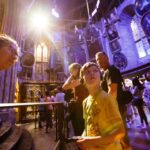
The British Museum can feel like a whole city of objects under one roof. This two-hour guided tour gives you a route through landmark rooms and artifacts, including the Rosetta Stone, Egyptian mummies and Sutton Hoo treasures, with stories to help you make sense of what you’re seeing.
I like two things in particular: the headsets, which let you follow the guide without having to crowd close, and the brisk, focused route, which helps you get your bearings in a vast museum. Guides named in visitor feedback include Daniel, Ethan, James, Joey and Tara, with Daniel praised especially often for clear, engaging explanations.
The main trade-off is time. Two hours is enough for major highlights, not a full visit, and the tour is not wheelchair- or stroller-accessible. Think of it as a strong introduction, then plan to stay on and explore further if you have the time.
- A useful first route: See major highlights without trying to navigate the entire museum alone.
- Headsets included: Follow commentary more easily as the group moves through galleries.
- Big-name objects: The route includes the Rosetta Stone, Parthenon Sculptures and Egyptian mummies.
- More than famous objects: Look for the Enlightenment Room, Asian artifacts and Sutton Hoo treasures.
- Two daily start times: Choose 10:30 or 14:00 when booking.
- Two formats: Book the standard tour from the listed starting price, or choose a private group option from US$356.65.
- A two-hour route through a very large museum
- Meeting the guide inside the museum
- The Great Court sets the scene
- Parthenon Sculptures and the questions they raise
- Egyptian mummies, burial customs and the Rosetta Stone
- From the Enlightenment Room to Sutton Hoo
- What the guide adds, and what the feedback suggests
- Is the price worth it?
- Who should book this tour?
- FAQ
- How long is the British Museum guided tour?
- What time can I choose?
- Where is the meeting point?
- How early should I arrive?
- What languages are offered?
- Are headsets provided?
- Is the tour wheelchair- and stroller-accessible?
- Is there an age limit?
- Can I cancel or change my booking?
- The Best Of London!
- More Guided Tours in London
- More Tours in London
- More Tour Reviews in London
- Not for you? Here's more nearby things to do in London we have reviewed
A two-hour route through a very large museum
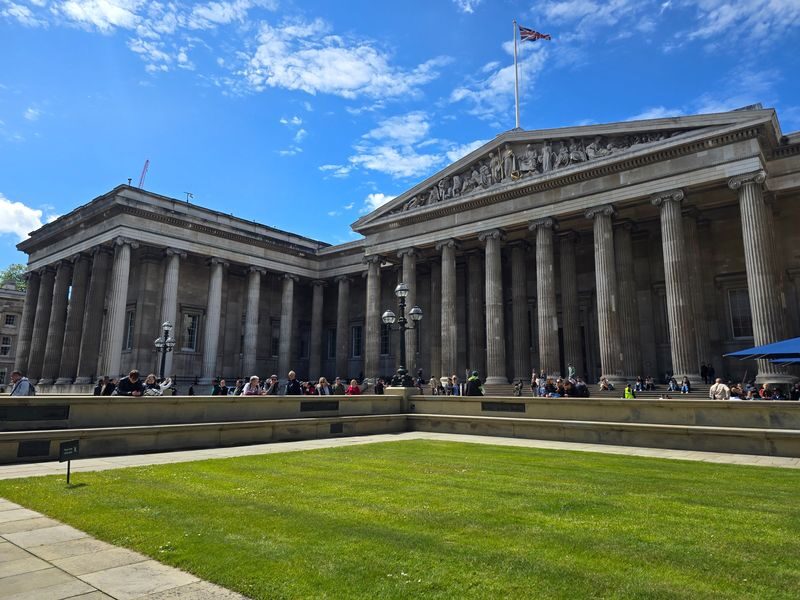
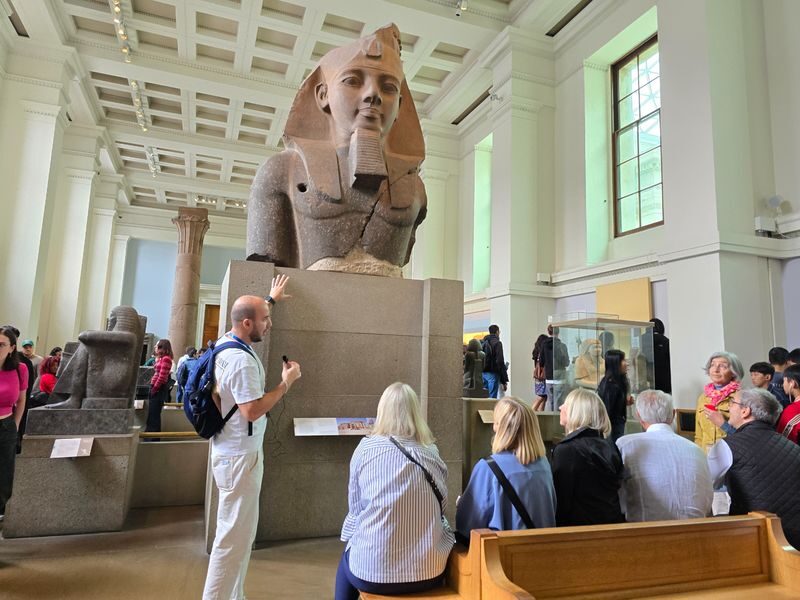
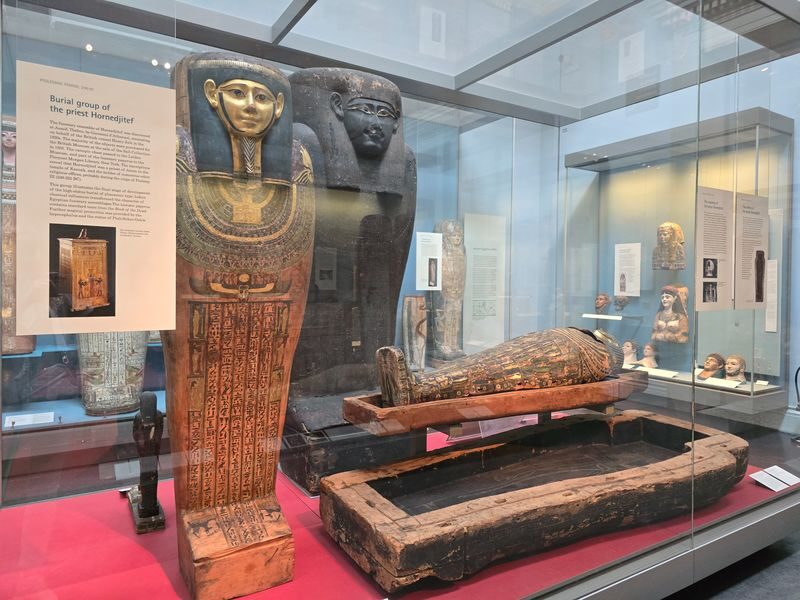
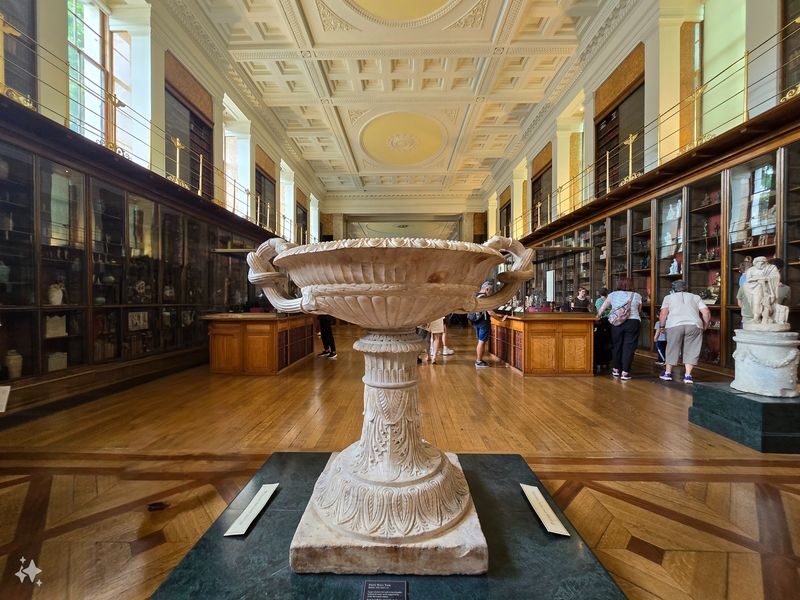
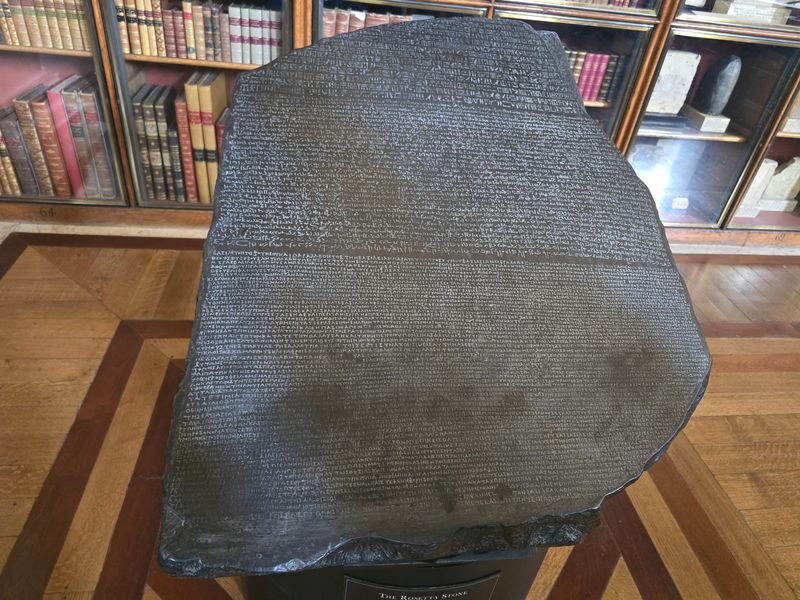
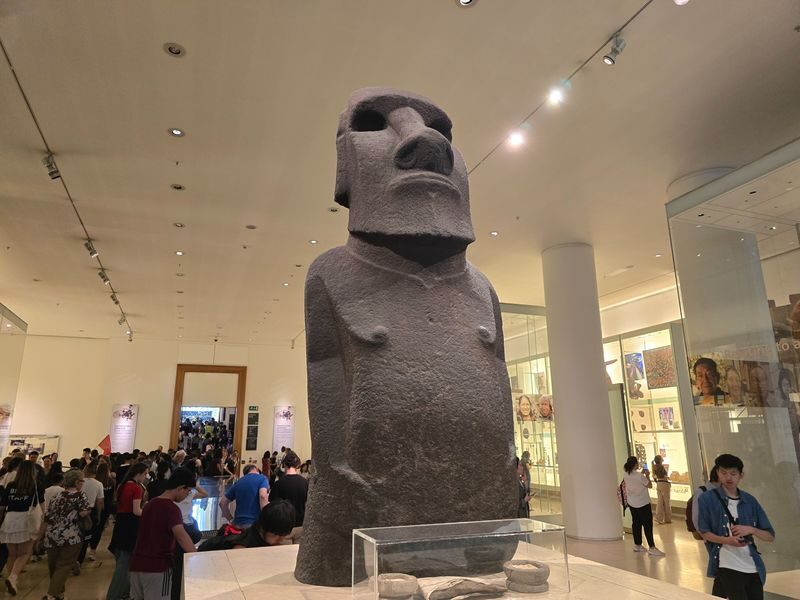
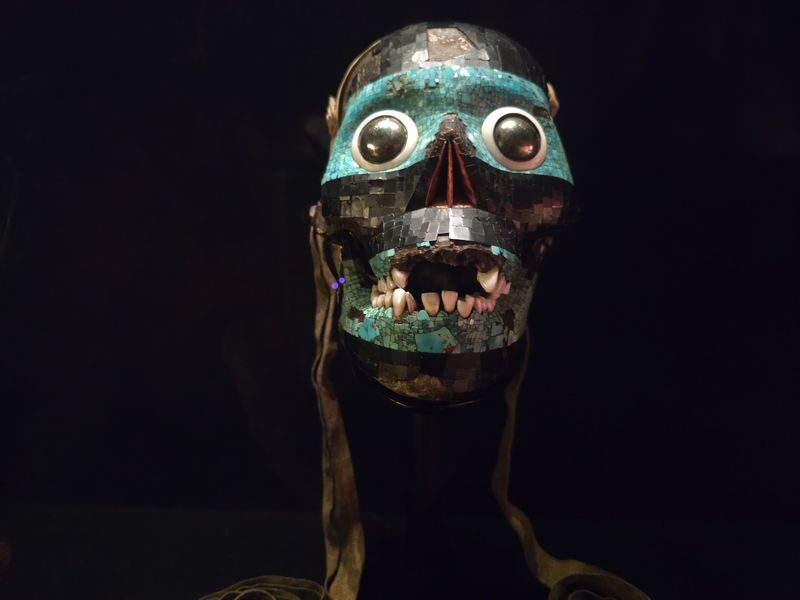
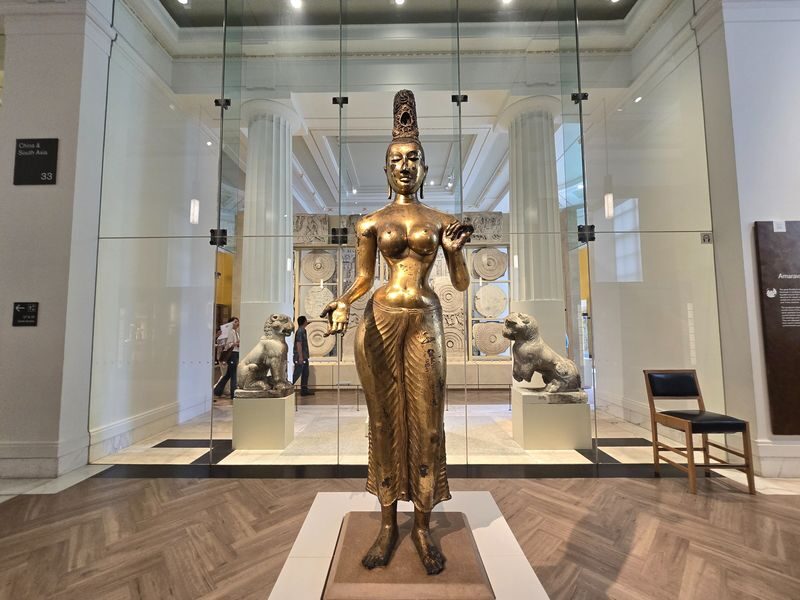
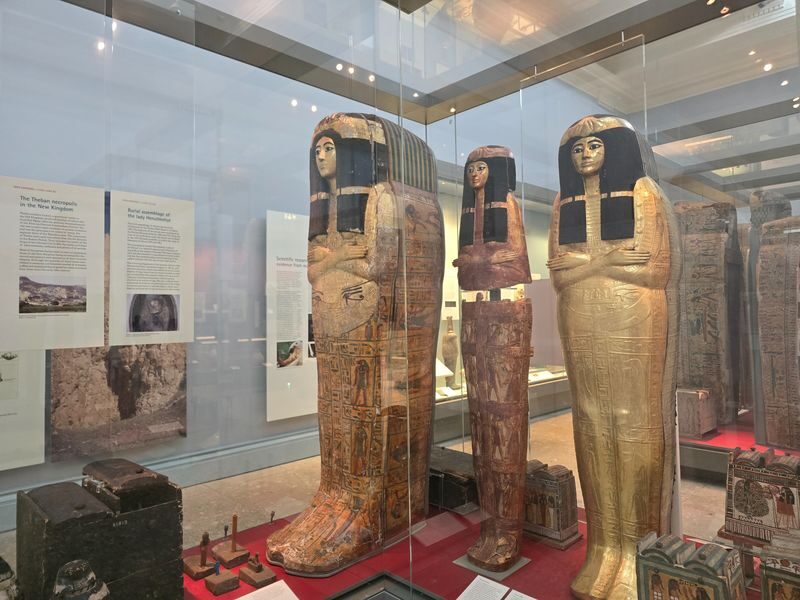
The British Museum holds far more than any two-hour tour can cover. That is exactly why a guided introduction can help: rather than spending your first hour deciding which direction to go, you follow a planned route and hear how selected objects connect to people, beliefs and events.
This is a highlights tour, not a room-by-room survey. The guide’s job is to help you focus, explain why certain objects matter and keep the visit moving. You’ll come away with a better sense of the museum’s scale and a shortlist of places to revisit on your own.
That focus is a practical advantage for a first visit, especially if you have limited time in London. It also means you should not expect to linger over every display. If one room catches your attention, make a note and return after the tour.

👉 See our pick of the 25 Best Workshops And Classes In London
Meeting the guide inside the museum
The meeting point is inside the British Museum, on the right side of the information desk, next to a column. Look for a guide carrying a yellow flag. The guide is due to arrive five to ten minutes before the start, but you should arrive 15 minutes early so you have time to find the spot.
You can choose a 10:30 or 14:00 departure, with the corresponding tour ending at 12:30 or 16:00. Your selected time matters: late arrivals and no-shows are not eligible for a refund, so leave enough time to reach the meeting point without a last-minute dash.
The tour is offered in English or Italian. The guide and headsets are central to the experience: you can listen while moving between displays, rather than relying on the group to gather in a tight circle around the guide. The headsets are especially helpful in busy galleries, though they do not make the museum quiet.
You can also read our reviews of more guided tours in London



The Great Court sets the scene
The Great Court is one of the first visual highlights on the route. Its striking ceiling makes an immediate impression, but it also gives the tour a useful starting point: you’re in a building devoted to collecting and interpreting objects from many places and eras.
A guide can turn that broad idea into a more manageable visit. Instead of seeing the museum as a long list of cases, you start to connect individual objects with the cultures and histories they represent. The tour’s strength is not simply showing you where the famous items are, but giving you a framework for looking at them.
The Great Court is also a good place to get oriented before moving into the galleries. Keep in mind that this is still an active public museum, not a private visit. Priority entrance is part of the package description, but it does not mean you have the galleries to yourself.
Parthenon Sculptures and the questions they raise
The Parthenon Sculptures are among the tour’s major stops. They offer a chance to look closely at ancient Greek art and consider how sculpture once belonged to a larger architectural setting. A guide can help you read details that might otherwise pass by as a stretch of carved stone.
The sculptures also prompt broader questions about how historic objects are collected and displayed. The supplied tour details do not promise a particular debate or point of view, so expect the guide’s interpretation to shape how much time the group spends on those issues. If this subject matters to you, listen for the context and save your own questions for the guide.
A two-hour route has to keep moving, so you may not have time to study every sculpture at length. If this is the section you care most about, consider returning to it after the guided portion ends.
Egyptian mummies, burial customs and the Rosetta Stone
The Egyptian displays give the guide room to explain ancient burial practices and what mummies can tell us about beliefs surrounding death. The subject can be absorbing, but the objects are easier to understand when you know something about the customs behind them. That context is a key benefit of having a guide rather than simply walking past the cases.
The Rosetta Stone is another headline stop. Its importance lies not only in its appearance, but in the story attached to it and its role in understanding ancient writing. A guide can help turn a familiar name into a specific object with a clear place in the museum’s wider story.
These are likely to be busy, popular areas. Headsets help you keep up with commentary as the group moves, but they cannot guarantee an unobstructed view or a long stretch of quiet time at each display. Take in the explanation, then revisit anything you want to study more closely.
From the Enlightenment Room to Sutton Hoo
The route also reaches beyond the most famous ancient objects. In the Enlightenment Room, you get a sense of a period shaped by collecting, classification and the pursuit of knowledge. It offers a different kind of museum experience: rather than focusing on a single celebrated artifact, it points to the habits of inquiry that helped shape collections.
The itinerary also includes Asian artifacts, giving you a view beyond the European and Egyptian highlights. The exact objects and time spent in each area may depend on the guide’s route, so don’t expect an exhaustive survey of Asian art in one visit.
Sutton Hoo brings the tour to Anglo-Saxon treasures connected with a ship burial. It is a memorable shift in subject and period, and a reminder that the museum’s collection ranges well beyond classical antiquity. The guide’s stories are especially useful here, since objects tied to burial and status gain meaning from the customs around them.
You can also read our reviews of more museum experiences in London


What the guide adds, and what the feedback suggests
The strongest recurring theme in the feedback is the guide’s ability to make history clear and enjoyable. Daniel is named often, with visitors describing his explanations as engaging and detailed. Ethan is praised for covering key elements efficiently, while James is remembered for humor and for sharing information about England as well as the displays.
Joey and Tara are also mentioned positively. One visitor described a small tour with Joey that allowed the couple to influence which areas they covered. That is a useful example of how the experience can feel more personal when the group is small, but it is not a promise that every departure will be private or tailored in the same way.
The pace gets consistent praise, too. Several people found the two hours went quickly, and one noted that the tour left time to explore independently afterward. That balance is worth aiming for: let the guide handle the broad route, then use your remaining time to return to the objects that caught your eye.
The experience is not dependent on getting a particular guide, and named guides may vary by departure. Still, the feedback points to a clear strength of the tour: a good guide can turn a fast visit into a series of memorable stories rather than a hurried march past famous objects.
Is the price worth it?
The standard package is shown from US$26.79, while the experience summary gives a starting price of US$30.79. Prices can vary, so check the amount shown for your chosen date and package before booking. A private group option is listed from US$356.65, which is a very different spend and makes most sense if your party values a private format.
The value here is guidance, structure and the convenience of headsets, not access to every part of the museum or a full-day visit. If you would otherwise spend two hours wandering without a plan, the tour can make that time more rewarding. If you already know the museum well or prefer to set your own pace, the guided format may feel restrictive.
You should also judge the price against your plans for the rest of the day. The tour ends back at the British Museum, and several people found they had time to keep exploring afterward. If you can stay on, you get both a guided overview and time to follow your own interests.
Who should book this tour?
I’d recommend it most to first-time visitors, people with limited time, and anyone who enjoys learning the story behind an object rather than just taking a photo. It can also suit families and mixed-age groups: there is no age limit, though children still need to be comfortable following a two-hour museum visit.
It is less suitable if you need wheelchair or stroller access, since the activity is listed as not accessible for either. It may also not be the right fit if you want a slow, specialist visit focused on one collection. This tour aims to cover a range of highlights, and its pace reflects that.
Book it if a clear route, an informed guide and a manageable introduction sound more useful than trying to tackle the museum alone. Then leave yourself time afterward to revisit the rooms that deserve a second look. If you want a private experience, compare the private group price before choosing.
London: British Museum Guided Tour with Priority Entrance & Headsets
“Daniel was an engaging guide and made the visit around the museum really interesting. The stories he shared provided a new perspective behind the a…”
FAQ
How long is the British Museum guided tour?
The guided tour lasts two hours. It covers selected museum highlights rather than every gallery.
What time can I choose?
The listed departure times are 10:30 and 14:00. The corresponding return times are 12:30 and 16:00, depending on the departure you select.
Where is the meeting point?
Meet inside the British Museum, to the right of the information desk, next to a column. The guide will have a yellow flag.
How early should I arrive?
Arrive 15 minutes before departure. The guide is expected to be at the meeting point five to ten minutes before the tour starts.
What languages are offered?
The included guide speaks English or Italian. Check the language available for your chosen booking before you confirm.
Are headsets provided?
Yes. Headsets are included so you can hear the guide’s commentary during the tour.
Is the tour wheelchair- and stroller-accessible?
No. The activity is listed as not wheelchair-accessible and not stroller-accessible.
Is there an age limit?
No. The activity has no age limit.
Can I cancel or change my booking?
You can receive a full refund if you cancel at least 24 hours before the activity date, using local destination time. Changes are allowed until 24 hours before the activity, with stated exceptions for some pass, presale, freebie and voucher situations.