Lake Biwa is more than a broad sheet of water: it is an ancient lake with more than 2,000 species, including creatures found nowhere else. At the Shiga Prefectural Lake Biwa Museum, you can trace how the lake formed, meet some of its freshwater life, and see how it has shaped daily life around its shores.
I like two things here: the museum links natural history to the lives of local people, so the exhibits have a clear sense of place, and the freshwater aquarium gives you a close look at wildlife you might not otherwise notice. The low starting price also makes this an easy addition to a Kusatsu day.
The main consideration is access. The museum is outside central Kusatsu, and buses from the station are infrequent, so check the timetable before setting out. Some aquarium tanks, including the tunnel tank, have been listed as closed for safety checks; confirm what is open if those are a big part of your plan.
- An ancient lake at the center: Exhibits explain Lake Biwa’s formation and the species that make this one of the world’s rare ancient lakes.
- Three permanent exhibition rooms: Follow geology, local human history, and the ways the lake connects with modern life.
- Freshwater aquarium on a large scale: The aquatic exhibition room covers about 2,000 square meters, though some tanks have had closures.
- Hands-on discovery: Microscopes and specimens in the Discovery and Exploration room invite closer looking and, where permitted, touching.
- Good value for families: Admission is free for people under 18, and the museum has indoor exhibits for a rainy-day outing.
- Plan the journey, not just the visit: The bus from Kusatsu Station takes about 25 minutes, but service is infrequent.
- Lake Biwa is the story, not just the view
- Start with geology, then follow the people
- The freshwater aquarium brings the lake close
- Try the Discovery and Exploration room
- What the ticket covers, and what it does not
- Getting there from Kusatsu Station
- Make room for lunch and a lakeside pause
- Who will get the most from this visit
- Should you book the Lake Biwa Museum ticket?
- FAQ
- How long should I plan for the Lake Biwa Museum?
- What does the admission ticket include?
- Is admission free for children?
- How do I get to the museum by public transport?
- What are the museum’s opening hours?
- Are the aquarium tunnel and all tanks open?
- More Tours in Kusatsu
- More Tour Reviews in Kusatsu
- Not for you? Here's more nearby things to do in Kusatsu we have reviewed
Lake Biwa is the story, not just the view
 1 / 7
 2 / 7
 3 / 7
 4 / 7
 5 / 7
 6 / 7
 7 / 7
The museum’s central idea, Lakes and People, gives your visit a useful thread. Lake Biwa is Japan’s largest lake and an ancient one, with a long geological past and a remarkable range of life. The museum connects those facts to the people who have lived beside it and continue to depend on it.
That approach makes this more than an aquarium stop. You can move from the origins of the lake to its animals and plants, then to the ways the water has shaped local life. I like that the exhibits give you context before you look at the creatures themselves. A fish tank means more when you know why that species belongs to this lake.
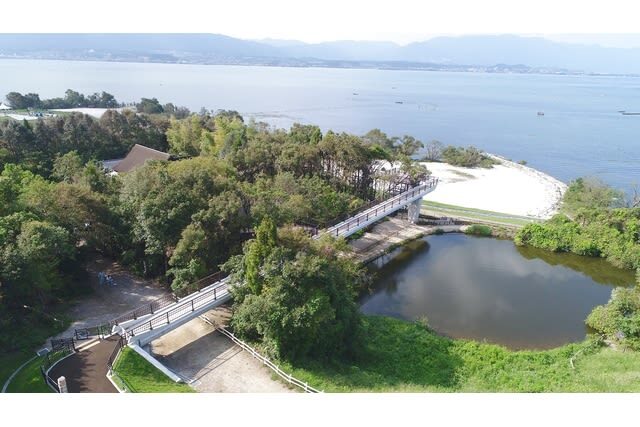
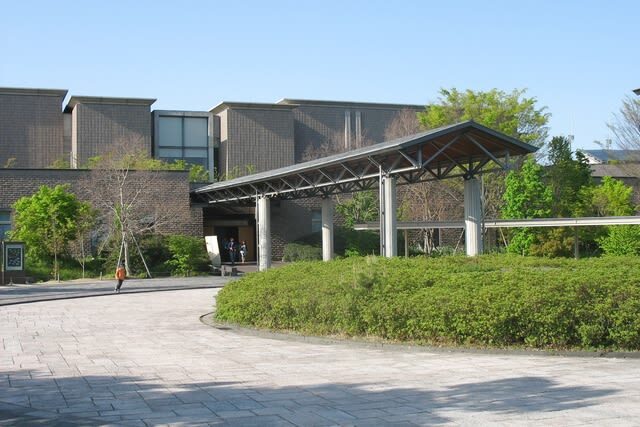
The museum is in Kusatsu, Shiga, beside the lake it studies. The location is part of the appeal: you can pair the indoor exhibits with a look at Lake Biwa itself, and the nearby water offers a calm change of pace after the galleries.
Start with geology, then follow the people
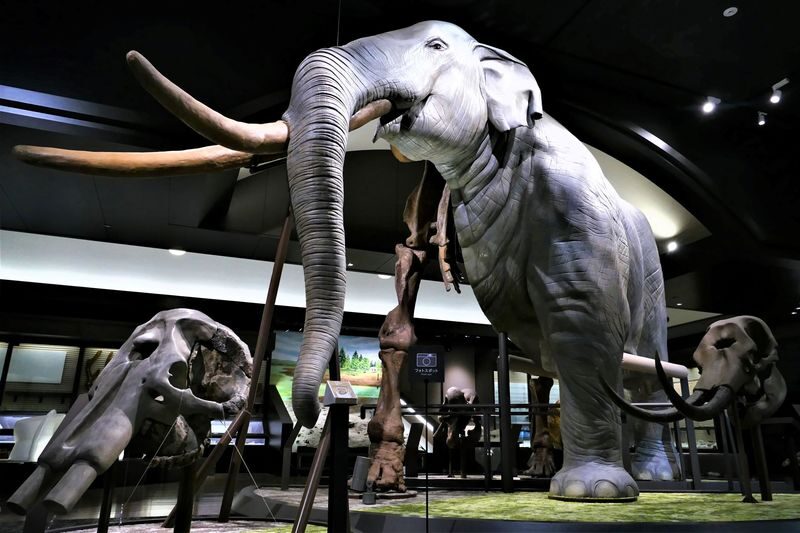
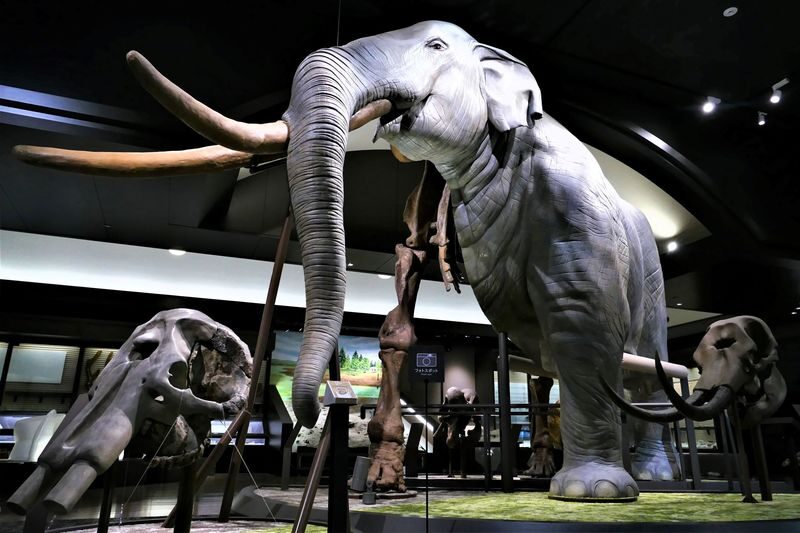
The permanent exhibition is arranged across three rooms covering geological history, human history, and nature related to daily life. The geological section helps explain how Lake Biwa took shape and why its age matters. Ancient lakes can become distinct habitats over long periods, and Lake Biwa is home to more than 2,000 species, including endemic species found nowhere else.
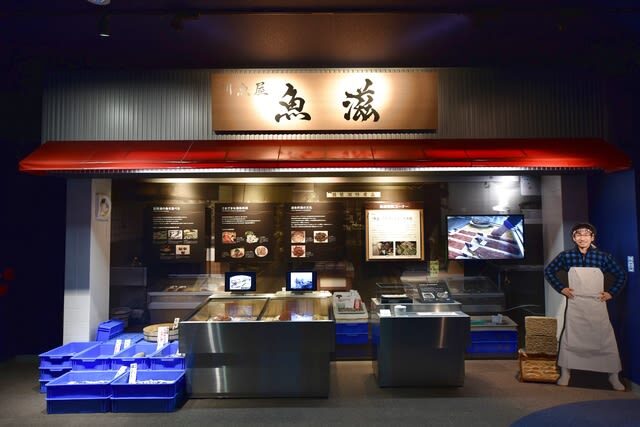
The human history exhibits bring the story down to a local scale. Rather than treating the lake as scenery, the museum considers how people around it have lived with and relied on it. That connection is especially useful if you are visiting Shiga for the first time and want something beyond a quick lakeside photo.
The third exhibition room links nature to modern life. Here, the lake’s environment is not a distant scientific subject: it is part of the region people inhabit today. The overall sequence gives you a solid framework for understanding the aquarium, even if you only have time for a quick visit.
Allow two to three hours if you want to read the exhibits and spend time in the aquarium. One hour can work for a brisk look, but it is a tight visit for a place with several rooms and a large aquatic section. If you have an appointment or another stop afterward, set a firm departure time. The museum closes at 5 p.m., with last admission at 4 p.m.
You can also read our reviews of more tours and experiences in Kusatsu.


The freshwater aquarium brings the lake close
The aquatic exhibition room covers about 2,000 square meters and shows creatures from Lake Biwa and other lakes. It adds a living dimension to the museum’s geology and history galleries, and helps make the lake’s ecology easier to picture. The collection includes species adapted to freshwater environments, a pleasant change from the familiar parade of ocean tanks.
The tunnel aquarium has been designed to give you the sensation of being at the bottom of the lake. It is one of the museum’s notable features, but there is an important caveat: some tanks have been closed for safety inspections, including the tunnel tank and tanks for Lake Biwa giant catfish and koayu. A notice also described the aquatic room as partially reopened, with water drained from certain tanks. Since conditions can change, check the museum’s current information before you make the journey specifically for those displays.
Seals have also caught children’s attention, and the aquarium offers a strong reason to bring younger family members. Still, free admission for children under 18 does not mean the whole day is cost-free: you will need to account for transport, meals, and any personal purchases.
Try the Discovery and Exploration room
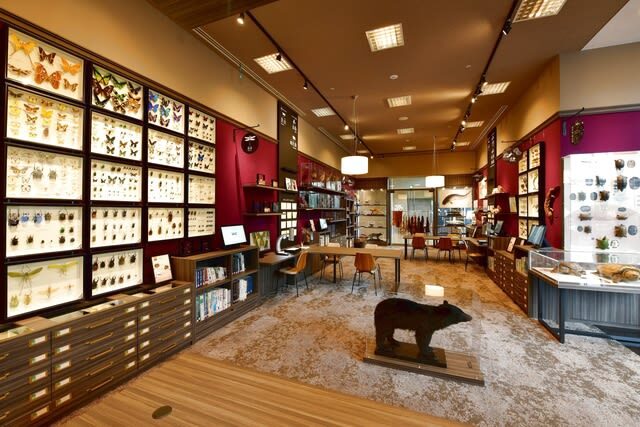
The Discovery and Exploration room is a welcome change of pace from reading labels. It has microscopes and biological, geological, and cultural specimens, with chances to observe and touch many of them. That hands-on element can help children stay interested, and it gives adults a closer look at details that can be easy to miss in a display case.
This is a good room to leave time for rather than squeeze in at the end. The museum’s subject matter can be broad, but close observation makes it tangible: small organisms, rocks, and cultural materials each tell a different part of the lake’s story. Exhibit access can vary, so follow the museum’s current instructions about what may be handled.
The building is spacious and suits school-age children particularly well. For families, that matters on a wet day, when an indoor outing needs enough variety to hold attention. The museum’s combination of galleries, aquarium, and hands-on displays gives you more options than a single-room attraction.
What the ticket covers, and what it does not
The Klook option described here is for the permanent exhibition. It does not include personal expenses or tips, and it should not be confused with a special-exhibition ticket. If a temporary exhibition is part of your reason for going, check its separate admission arrangements before you travel.
The advertised starting price is $5.29, though prices can change. At that level, the permanent exhibition offers strong value if you want a substantial indoor visit: there are multiple galleries, a large freshwater aquarium, and interactive displays. The value is especially good for families because admission is free for individuals under 18, including elementary, middle, and high school students.
Admission is also free for people with a disability certificate and Shiga Prefecture residents aged 65 and over. The ticket cannot be combined with other coupons, complimentary tickets, or discounts, so check whether you qualify for free entry before buying.
This ticket does not shorten waiting times. It can be convenient when you arrive at a busy entrance, but it is not a queue-skipping pass. Booking is available with instant confirmation, and you must show the mobile voucher on a smartphone or another internet-connected device. At entry, let facility staff operate the electronic voucher. Do not activate it yourself, as doing so can make it invalid.
The stated terms say the voucher is valid for 90 days from the participation date and expires at 11:59 p.m. on the final day. The booking is non-refundable, so make sure your date and plans suit you before purchasing.
Getting there from Kusatsu Station
From the west exit of JR Biwako Line’s Kusatsu Station, take the Ohmi Railway bus bound for the Lake Biwa Museum from bus stop number 2. The ride takes about 25 minutes, and the museum stop is right by the entrance. The catch is frequency: buses are infrequent, so check departure and return times before you leave the station.
If you miss a bus, you may have a long wait. That makes a quick timetable check more important than it would be for a city-center museum. Build the schedule into your day, especially if you have a train connection or another fixed appointment afterward.
Driving is another option. The museum is about 30 minutes from Ritto Interchange on the Meishin Expressway, or about 35 minutes from Seta-Nishi Interchange or Kusatsu-Tanokami Interchange. Free parking has been available for museum visitors, but check current conditions before setting out. The listed meeting point is 1091 Oroshimocho, Kusatsu, Shiga 525-0001.
The museum is closed on Mondays and open Tuesday through Sunday from 9:30 a.m. to 5 p.m, including public holidays as stated in the available hours. Last admission is at 4 p.m. If severe weather is forecast, check for operating updates, as services may be suspended and travel costs are not reimbursed.
Make room for lunch and a lakeside pause
The museum has an in-house restaurant, so you can stay for lunch rather than rush back into town. A local dish mentioned at the restaurant is black bass tempura, an option that connects neatly with the lake-focused setting. Restaurant hours and menu availability can change, so treat it as a convenient possibility rather than a guarantee.
There is also a roadside station nearby, which can make a useful extra stop for shopping. The lake itself is close, offering a chance to stretch your legs and take in the setting after time indoors. You do not need to build a full day around the museum, but the grounds and nearby area make it easier to slow down if you have the time.
For a compact visit, choose a few exhibits that matter most to you, then allow time for the aquarium. For a fuller outing, plan on two to three hours inside, plus transport, lunch, and a lakeside pause. An hour is possible if you only want a quick look, but it will leave little room for the museum’s broader story.
Who will get the most from this visit
I would put this museum high on the list for families with school-age children, anyone interested in freshwater wildlife, and visitors who want to understand Shiga beyond its best-known sights. The indoor setting makes it a sound rainy-day choice, and free admission for those under 18 helps keep the cost manageable.
It also suits people who enjoy science museums but prefer a local focus. Lake Biwa’s age, endemic species, and role in regional life give the exhibits a specific purpose. If you are expecting a large general aquarium, this may not be the right match. Its strength is the lake itself, and the aquarium makes most sense as part of that broader story.
For visitors without a car, the bus is workable but requires planning. If you want to arrive and leave whenever you please, the infrequent service may feel inconvenient. Check the schedule first, and decide whether the museum’s subject matter is worth building your day around.
Should you book the Lake Biwa Museum ticket?
Book if you want an affordable, thoughtful indoor visit that combines local history, geology, and freshwater life. The permanent exhibition gives you plenty to explore, and the hands-on room and aquarium make it a particularly good fit for families. Two to three hours is a sensible allowance.
Before you pay, check whether you qualify for free admission, confirm which aquarium tanks are open, and look up the bus timetable. If the tunnel aquarium is your main reason for going, do not assume it will be operating. With those checks done, the museum is a worthwhile way to get to know Lake Biwa beyond its shoreline.
Lake Biwa Museum Adimission in Shiga
“Experience the convenience of booking with Klook: Arrived at a crowded entrance, used Klook on the spot, and saved 15 minutes!”
FAQ
How long should I plan for the Lake Biwa Museum?
Plan on two to three hours for the exhibitions and aquarium. You can make a quicker visit in about an hour, but that leaves less time for the three exhibition rooms and hands-on discovery area.
What does the admission ticket include?
The ticket covers admission to the permanent exhibition. It does not include personal expenses or tips, and it is not a ticket for a special exhibition.
Is admission free for children?
Yes. Admission is free for individuals under 18, including elementary, middle, and high school students. It is also free for people with a disability certificate and Shiga Prefecture residents aged 65 and over.
How do I get to the museum by public transport?
From the west exit of JR Biwako Line’s Kusatsu Station, take the Ohmi Railway bus bound for the Lake Biwa Museum from bus stop number 2. The ride takes about 25 minutes, and the museum stop is immediately by the facility. Check the timetable because buses are infrequent.
What are the museum’s opening hours?
The museum is open Tuesday through Sunday from 9:30 a.m. to 5 p.m. Last admission is at 4 p.m., and it is closed on Mondays.
Are the aquarium tunnel and all tanks open?
No. Some tanks, including the tunnel tank, Lake Biwa giant catfish tank, and koayu tank, have been listed as closed for safety inspections. Check current information before your visit, as exhibit availability can change.
