Fushimi’s old canal, a temple filled with cherry trees, and a 1.4-kilometer blossom tunnel make a strong spring day. This tour links three very different Kyoto-area sights without asking you to manage the transfers yourself.
I like the change of scenery: at Fushimi, you get sake-brewery streets and a historic waterway; at Daigo-ji, temple grounds and varied cherry trees; at Sewaritei, a long riverside path beneath Somei Yoshino blossoms. I also like that the guide can help keep the day moving and offer local tips.
The main catch is important: the boat ride is not included. The Fushimi stop is a riverside walk, and you must book any Jikkokubune cruise separately. Cherry blossoms are also weather-dependent, while the tour proceeds as scheduled if blooms are early, late, or past their peak.
- What to Know Before You Book
- Three Stops, Three Kinds of Spring
- Fushimi’s Canal and Sake District
- Daigo-ji: Temple Grounds and Cherry Trees
- Sewaritei’s 1.4-Kilometer Blossom Tunnel
- How the Guide and Vehicle Make the Day Work
- Price, Extras, and What You Get
- Is This the Right Cherry Blossom Day for You?
- FAQ
- Does the tour include a ride on the Fushimi Jikkokubune boat?
- How long does the tour spend at each stop?
- Is Daigo-ji admission included?
- When is the expected cherry blossom season?
- Where does the tour depart from?
- When does the tour return?
- Are meals and drinks included?
- What languages can the guide speak?
- Is there an age limit?
- What happens if bad weather is forecast?
- The Best Of Yawata!
- More Tour Reviews in Yawata
- Not for you? Here's more nearby things to do in Yawata we have reviewed
What to Know Before You Book
 1 / 6
 2 / 6
 3 / 6
 4 / 6
 5 / 6
 6 / 6
- Fushimi is a riverside walk, not a guaranteed boat cruise. The Jikkokubune ride costs extra and requires separate booking. A boat may sell out, so do not build your plans around riding unless you have confirmed a reservation.
- Sewaritei gives you the longest stop. You have about 1 hour 50 minutes for its 1.4-kilometer cherry tree path, river views, and, during the seasonal festival, food stalls and events.
- Daigo-ji is a large temple complex. The one-hour visit is a useful taste, not time to see every area at leisure. The seasonal adult admission pass is about ¥1,500 and is not included.
- Transport saves effort during a busy season. The vehicle links Osaka or Kyoto with the three stops, so you avoid arranging several separate connections on a day when roads and attractions may be crowded.
- Guides can shape the day. Guides have included Wenling, Mingming, and Mimi. The guide may share site and food tips, help with practical questions, and adjust time at stops when conditions allow.
- Bloom timing is never guaranteed. The estimated season is late March to early April, but weather can shift the best viewing days.

👉 See our pick of the 2 Best Bike Tours In Yawata
Three Stops, Three Kinds of Spring
This is a cherry blossom day built around contrast. Fushimi offers a close look at a historic canal district, Daigo-ji brings temple architecture and a long association with spring flower viewing, and Sewaritei opens out into a broad river setting.
The order is Fushimi first, Daigo-ji second, then Yodo Riverside Park’s Sewaritei District. You get around an hour at the first two stops and nearly two hours at the last. That balance gives you a sampling of each site, with extra time reserved for the long blossom path.
The tour leaves early, with a departure window of 7:40 to 7:50 from Osaka. A Kyoto Station pickup is expected around 8:50 to 9:00, though the vehicle’s arrival can vary with traffic from Osaka. The return is estimated at 16:00 to Kyoto Station and 17:00 to Osaka’s Dotonbori area. Treat these as estimates, not firm appointment times, and avoid booking evening plans that depend on a precise arrival.
You can also read our reviews of more tours and experiences in Yawata.


Fushimi’s Canal and Sake District
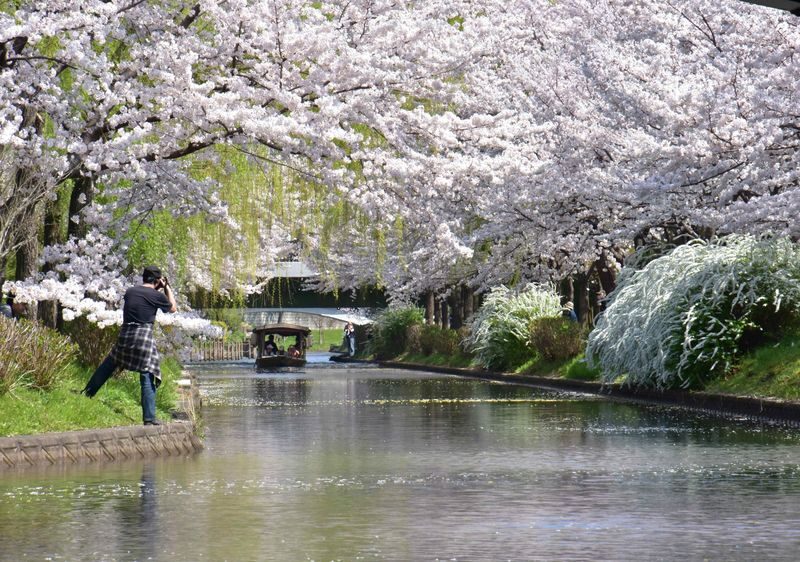
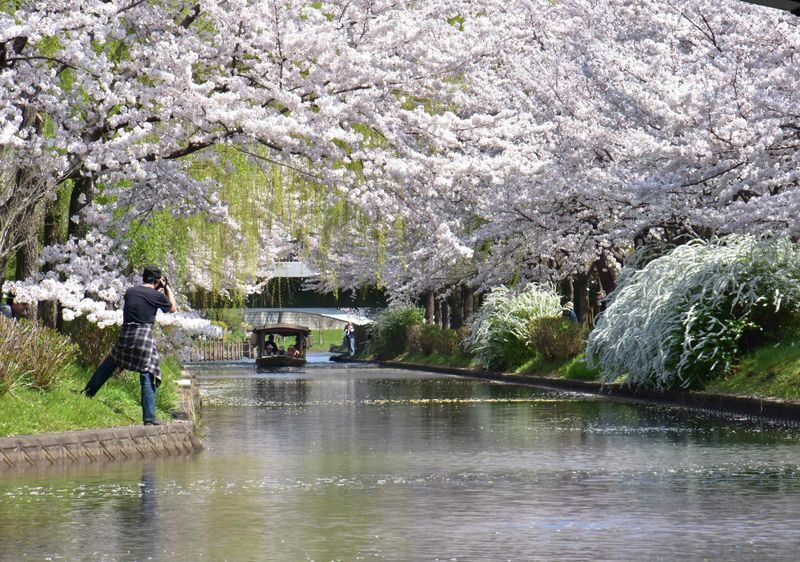
Fushimi’s Ujigawa distributary was once used to move passengers and cargo. Today, a walk beside the water lets you see the connection between the canal, the area’s traditional sake breweries, and the riverside streets. Cherry trees and willows add spring color, but the appeal is not only floral: this stop gives the day a sense of place and a glimpse of Fushimi’s working past.
You have about one hour here for a self-guided visit. That is enough for a stroll and a look around, but it is not a relaxed visit to every nearby attraction. If you want to add a brewery or museum visit, keep an eye on the clock and ask your guide what is practical. One guide has helped a visitor interested in sake find the Gekkeikan Sake Museum when the boat was unavailable, but that kind of adjustment should not be treated as a guaranteed part of the program.
Most important, separate the Fushimi walk from the Jikkokubune boat cruise when deciding whether this tour fits you. The advertised highlights may give the impression that you will ride the boat, but the planned stop is a riverside walk. The ride is not included in the tour price, and you need to reserve it independently. A visitor on a recent departure found the online tickets sold out, so check availability before booking the tour if the boat is a must for you.
If you do secure a cruise, you will need to account for its timing and cost yourself. The tour provides only about an hour at Fushimi, and the group then moves on. If you cannot get a ticket, the riverside area still makes a worthwhile stop, but it will feel different from the boat-centered outing you may have imagined.
Daigo-ji: Temple Grounds and Cherry Trees
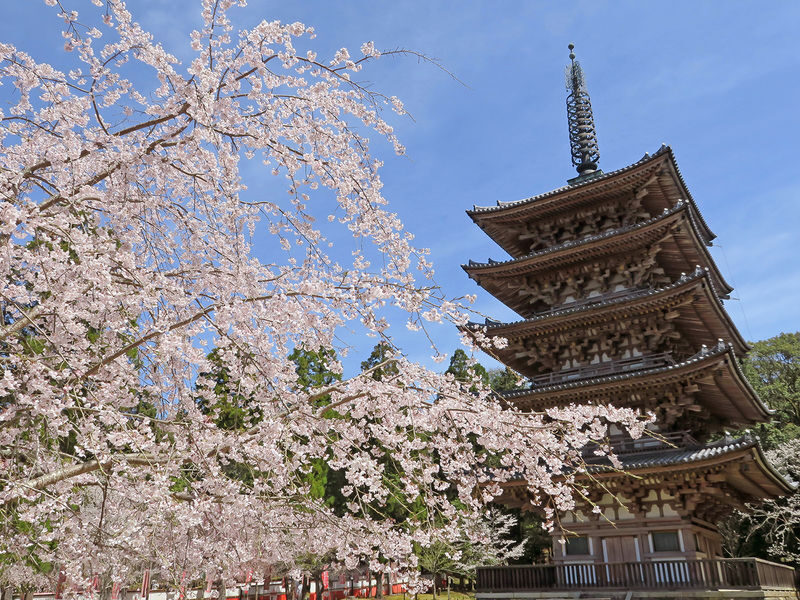
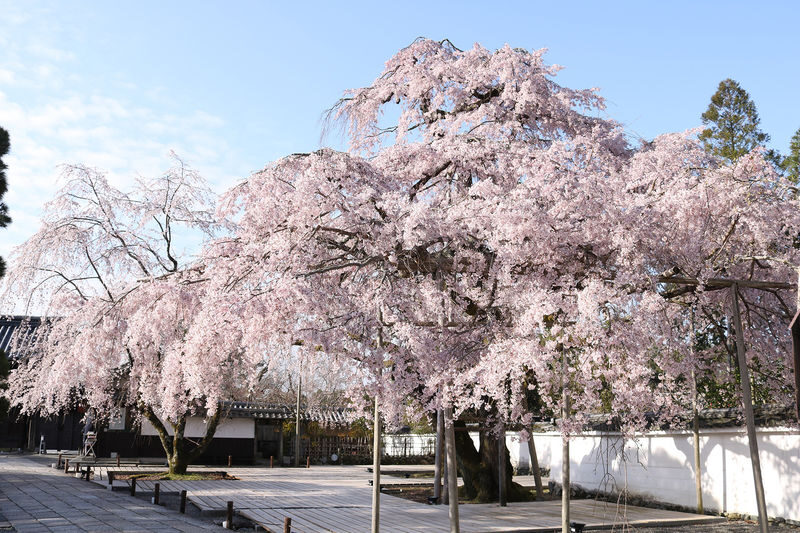
Daigo-ji is a World Heritage site with a major place in Kyoto’s spring traditions. Toyotomi Hideyoshi held his famous Daigo cherry blossom viewing banquet here in 1598, and the temple grounds remain a celebrated place to see sakura. The trees include Somei Yoshino, weeping cherry, and mountain cherry varieties, planted across areas such as Sanbo-in, the Garan complex, and the Reihokan Museum.
The tour allows about an hour for this visit. That is enough to enter, see a portion of the grounds, and appreciate the combination of temple spaces and blossoms, but the site is broad. If you like lingering over temple details, you may wish for more time. One visitor felt that Daigo-ji took too much of the schedule compared with Sewaritei, which is a useful reminder that the ideal allocation depends on what you value most.
Admission is not included. During cherry blossom and autumn foliage seasons, an adult pass is approximately ¥1,500. Budget for that separately, along with any food or drinks you buy during the day. Since this is a self-guided stop, use the guide’s timing instructions to avoid getting separated or missing the departure.
The setting can be especially rewarding when blossoms are at their peak. Petals moving through the air and flowers set against temple buildings make this a different kind of viewing from Sewaritei’s long, open avenue. But the bloom is not controllable: the tour runs even if the trees are not at their best.
Sewaritei’s 1.4-Kilometer Blossom Tunnel
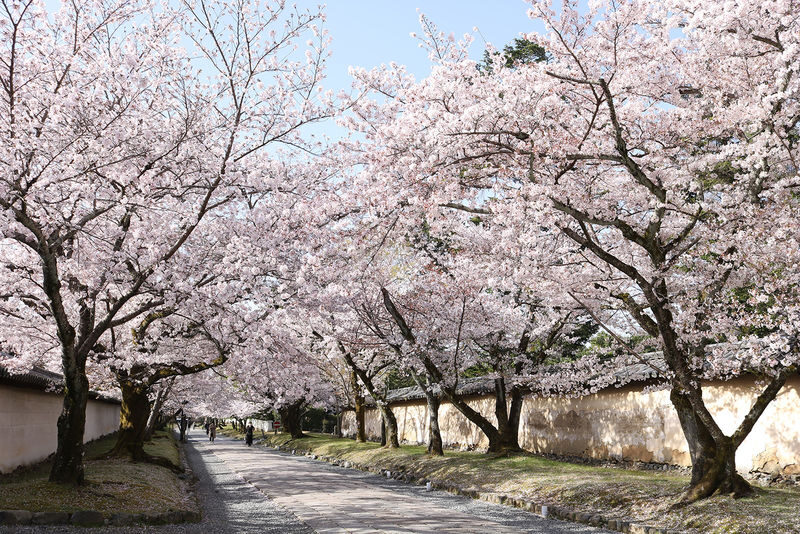
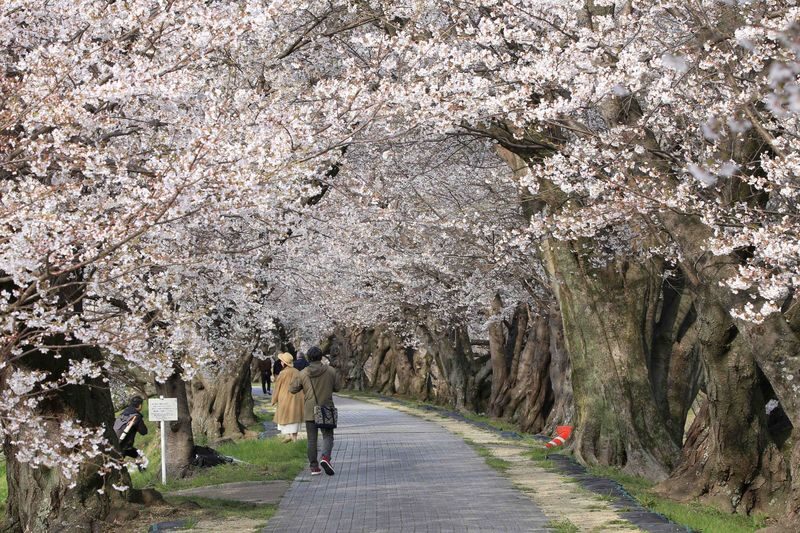
Sewaritei, in Yawata, is the day’s most extended outdoor walk. About 250 Somei Yoshino trees line a 1.4-kilometer embankment, forming an overhead tunnel when they bloom. The path gives you a long stretch to walk beneath the branches, pause for photos, and take in views toward the meeting of the Kizugawa and Yodogawa rivers.
You have roughly 1 hour 50 minutes here, more than at either earlier stop. That sounds generous, but the path is long and the area can draw large spring crowds. You may want to decide whether your priority is to walk the full route, take photos, stop for a snack, or simply sit and enjoy the open river views. Trying to do everything can make the time feel short.
During cherry blossom season, the Sewaritei Sakura Festival brings food stalls, local snacks, and limited-time events. These add a welcome taste of the season, though queues can take time. If you have a particular snack in mind, ask your guide about the best way to use your free time. A guide has helped a group communicate with a food vendor, but festival lines and availability can vary.
This is the stop most likely to suit you if you want a classic blossom tunnel and room to walk. The gentle path and wide views also make it a different experience from standing in a temple garden. Allow for a little flexibility: weather, crowds, and the day’s road conditions may affect how long the group can stay.
How the Guide and Vehicle Make the Day Work
The tour’s practical value lies in linking three sites that would take more planning to combine on your own. You travel by vehicle between stops, avoiding the need to piece together separate train and local transport connections during a heavily visited season. Round-trip transfers from the meetup point are included, along with an English-, Chinese-, or Japanese-speaking guide.
Guides on recent departures have included Wenling, Mingming, and Mimi. Their roles have included explaining the places visited, sharing food suggestions, helping with practical arrangements, and, in some cases, taking photos. The guide assigned to your date may be different, and the exact amount of commentary can vary.
The vehicle is arranged according to the group size. For a small group, the driver may also act as the accompanying staff member, with no separate tour leader. Seats are allocated on site and cannot be reserved. This is a group outing, so you trade the freedom of a private itinerary for simpler transport and a set schedule.
That structure suits people who want to see several places in one day without managing each connection. It is less suited to anyone who prefers to linger, explore side streets at their own pace, or spend a half-day at one temple. Traffic and weather can change the schedule, and the operator may alter or cancel a stop when conditions require it.
Price, Extras, and What You Get
The displayed starting price is from $60.55, while the named Kyoto Cherry Blossom Day Trip package is shown from $75.69. The amount you pay depends on the package and date you select, so check the final price before confirming. The value is strongest if you want transport and a guide to connect the three stops; it is less compelling if you are comfortable planning the route yourself or want a long, unhurried visit at each site.
The tour includes round-trip transfers, a guide who speaks English, Chinese, or Japanese, and operator-provided insurance. It does not include the Jikkokubune cruise, Daigo-ji admission, meals, drinks, personal purchases, or tips. Add the temple pass and any boat fare to your budget, and bring money for festival food if you plan to eat at Sewaritei.
There is no age limit stated for the activity. However, the day includes walking at all three stops and a long path at Sewaritei, so consider your group’s comfort with walking and the allotted free time. Large luggage storage is limited, and you should ask in advance if you plan to bring a large bag.
Is This the Right Cherry Blossom Day for You?
I would choose this tour if I wanted to see three distinct spring settings in one day and valued having transport arranged between them. Sewaritei’s long tunnel, Daigo-ji’s temple grounds, and Fushimi’s historic canal give the schedule variety, while a guide can help you keep track of the day and make practical choices.
I would look elsewhere if the boat ride is the main reason you want to go, unless you have independently confirmed a Jikkokubune reservation. I would also skip it if you want to spend several hours at Daigo-ji or Sewaritei, or if you need a guaranteed full-bloom view. For a convenient sampler of Kyoto-area sakura, with the right expectations about the boat and the schedule, it is a useful spring option.
Kyoto Cherry Blossom Day Tour: Fushimi Jikkokubune Boat Walk / Sewari Dike Cherry Blossom Tunnel / Daigo-ji Temple (Departure from Osaka/Kyoto)
“The tour had a comfortable itinerary. The tour guide was very friendly, patient and helpful. l enjoyed the trip tremendously.”
FAQ
Does the tour include a ride on the Fushimi Jikkokubune boat?
No. The planned Fushimi stop is a riverside walk. Boat cruises must be booked independently, and the fare is not included.
How long does the tour spend at each stop?
The schedule allows about one hour at Fushimi, one hour at Daigo-ji, and 1 hour 50 minutes at Sewaritei. Times may change due to traffic, weather, or other conditions.
Is Daigo-ji admission included?
No. The seasonal spring or autumn pass is approximately ¥1,500 per adult and is paid separately.
When is the expected cherry blossom season?
The estimated blooming period at Fushimi and Sewaritei is late March to early April. Actual timing depends on weather, and the tour runs as scheduled even if the blossoms are not at their peak.
Where does the tour depart from?
The tour departs from Osaka, with a Kyoto Station pickup expected around 8:50 to 9:00. The vehicle’s arrival time in Kyoto can vary with traffic from Osaka.
When does the tour return?
The estimated return is 16:00 at Kyoto Station’s Hachijo Exit and 17:00 at Kani Doraku Dotonbori East Store. Traffic may cause delays.
Are meals and drinks included?
No. Meals and beverages are not included. You can budget separately for food, including any snacks at the Sewaritei Sakura Festival.
What languages can the guide speak?
The included guide speaks English, Chinese, or Japanese. For a small group, the driver may also act as the accompanying staff member, without a separate tour leader.
Is there an age limit?
No age limit is stated for this activity.
What happens if bad weather is forecast?
In severe weather such as a typhoon or blizzard, the operator decides by 18:00 local time on the day before departure whether to cancel and notifies you by email. Weather and traffic may also lead to schedule changes or attraction cancellations.