Cooking ramen and gyoza in a small Osaka studio offers a tasty break from restaurant meals: you get to work with Japanese ingredients, share the food you make, and take home recipes and related souvenirs. The class is at Samurai Cook Kitchen Studio, a five-minute walk from Matsuyamachi Station.
I like two things here: you cook as part of the experience, rather than simply watching a demonstration, and the session ends with sweets and tea as well as your meal. Recipes and souvenirs give you something useful to take away, too.
One thing to check before booking is the exact class menu and duration. The experience is promoted as ramen and gyoza, but the available package information also lists sushi and takoyaki, while the stated duration varies between two and two and a half hours.
- Key points to know before you book
- What the ramen and gyoza session offers
- From Matsuyamachi Station to the cooking studio
- Cooking, eating, and the end-of-class treats
- The menu and timing need a careful check
- Is the price good value?
- Who will enjoy this class most?
- Should you book the ramen and gyoza class?
- FAQ
- Where is the cooking class held?
- How do I get to the studio?
- How long does the class last?
- What is included in the price?
- Can I take the food I make home?
- Can I tell the provider about allergies or dietary needs?
- Are children allowed to attend?
- The Best Of Osaka!
- More Cooking Classes in Osaka
- More Tours in Osaka
- More Tour Reviews in Osaka
- Not for you? Here's more nearby things to do in Osaka we have reviewed
Key points to know before you book
 1 / 8
 2 / 8
 3 / 8
 4 / 8
 5 / 8
 6 / 8
 7 / 8
 8 / 8
- The ramen and gyoza option is one of several classes. Sushi and Osaka-style takoyaki are also listed, so confirm that you select the menu you want.
- You cook and eat at the studio. Ingredients, cooking instruction, tableware, utensils, dessert, and tea are included.
- The studio is close to Matsuyamachi Station. Allow about five minutes on foot from the Nagahori Tsurumi-ryokuchi Line station.
- Recipes and recipe-related souvenirs are included. You cannot take home the food you make.
- Plan for a menu and timing check. The overview says two hours, while the itinerary gives two and a half hours.
- Food needs should be raised early. Send allergy, dietary restriction, or religious food requirements at least one week before your reservation.
👉 See our pick of the 24 Best Workshops And Classes In Osaka
What the ramen and gyoza session offers
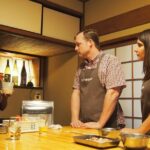
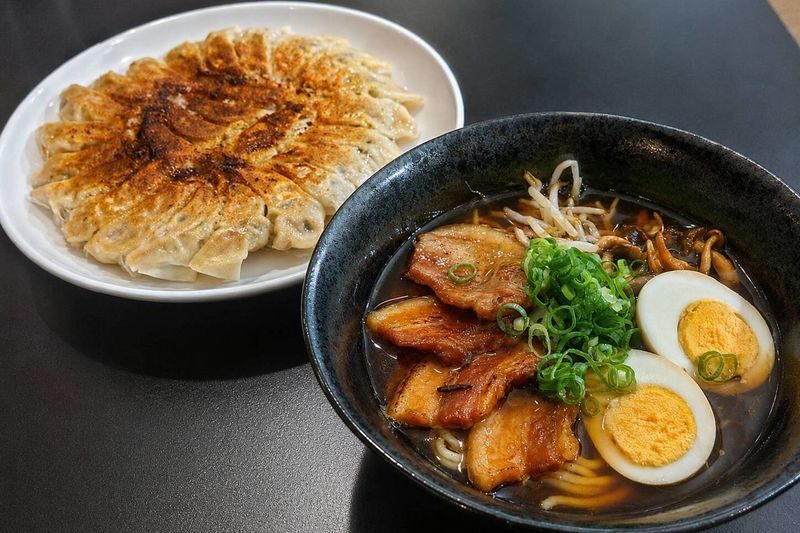
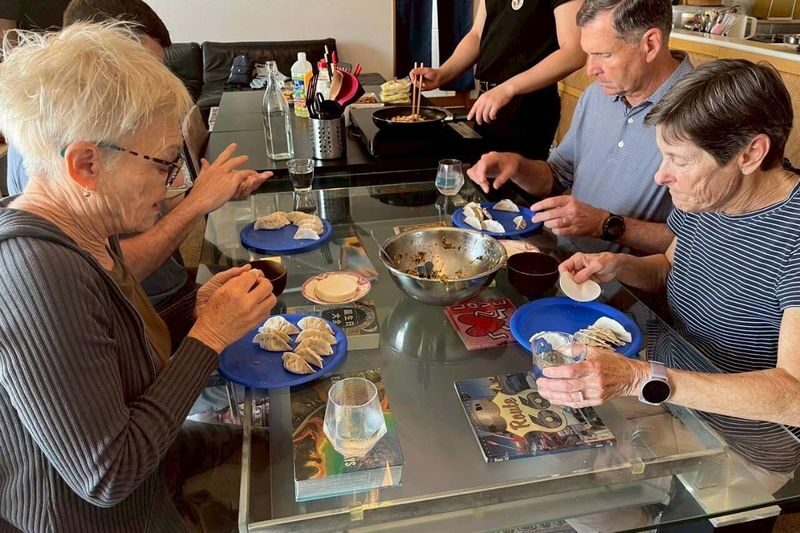
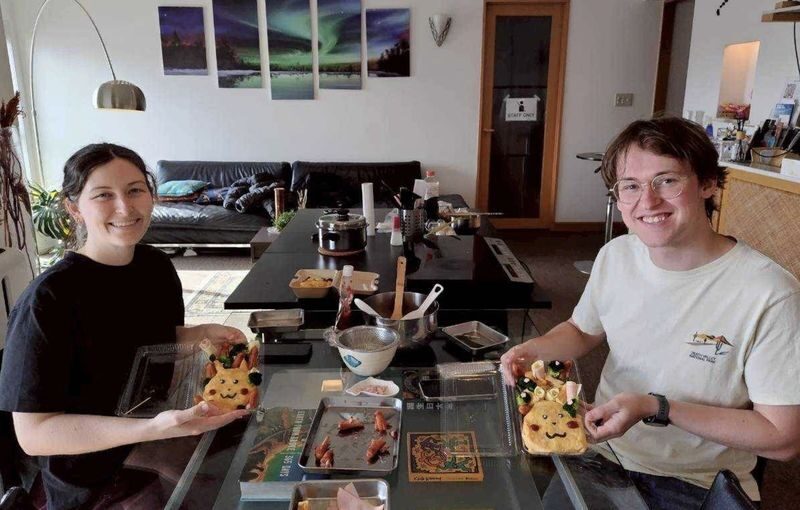
This is a practical cooking activity for a day when you want more than another meal out. The class brings you into a cooking studio, where you prepare Japanese food with a local host and then sit down to enjoy what you have made. The ramen and gyoza option is described as being made from scratch, though the exact steps, recipes, and menu details are not specified in the booking information.
That distinction matters. If you are hoping to learn a particular technique, such as how the broth is prepared or how the dumplings are folded, ask what the selected session covers before you pay. The class is presented as a cooking lesson with a professional chef, but the level of instruction and how much you do yourself are not described in detail.
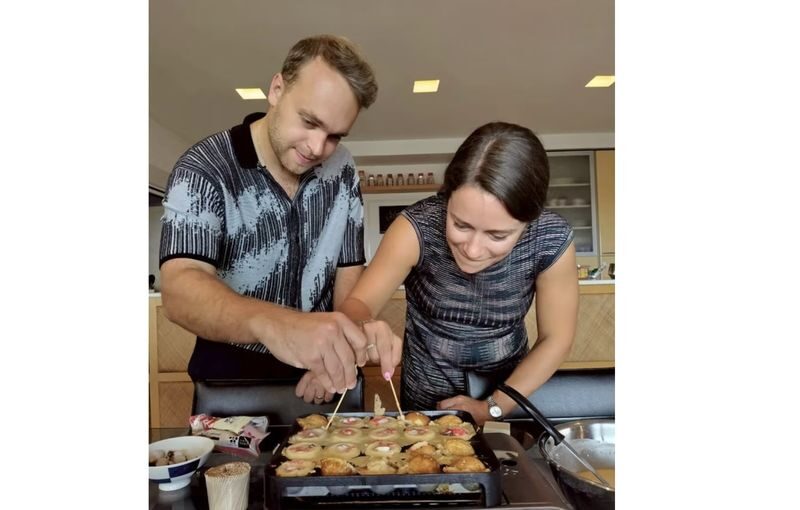
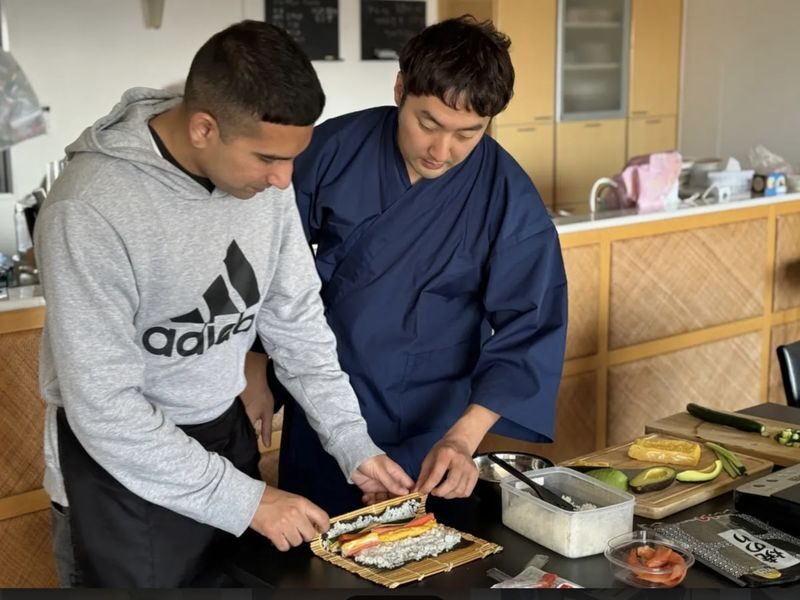
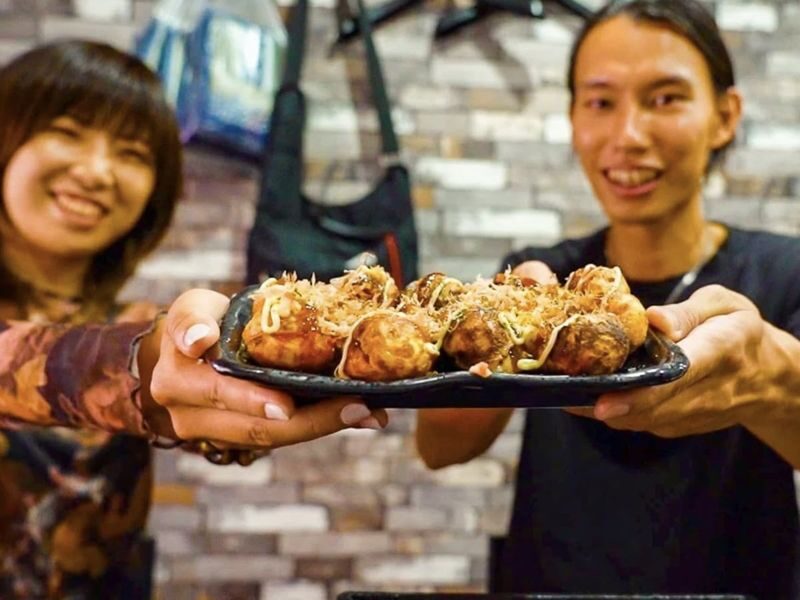
The broader cooking program offers more than 300 Japanese and Japanese-influenced Western dishes to visitors. That gives the studio a food-focused purpose beyond a single ramen class, but it also means menus may vary. The listed options include making three types of sushi, making Osaka-style takoyaki, and making ramen and gyoza. Seasonal ingredients and availability can affect the menu, so go in ready for some flexibility.
A five-star comment about another menu option praised host Sho for being friendly. That comment concerned a takoyaki class, which included yakisoba and Japanese fried chicken, not the ramen and gyoza session. It is a useful sign that warm hosting is part of the experience, but it does not confirm who will lead your class or what your particular menu includes.
You can also read our reviews of more cooking classes in Osaka


From Matsuyamachi Station to the cooking studio
The studio is at 1-8-3-1301 Kawarayacho, Chuo-ku, Osaka, at Grand Maison Matsuyamachi Ichibankan. It is about a five-minute walk from Matsuyamachi Station on the Nagahori Tsurumi-ryokuchi Line. The meeting instructions say to look for a guide dressed as a blue samurai and holding a signboard, a handy landmark if you are unfamiliar with the area.
The meeting point and the cooking venue are closely linked: the class ends at the studio, so you do not need to arrange a separate return transfer. Transport to the meeting point is not included, however. Build your route and fare into your day, and check your chosen departure time before setting out.
Available departure times are 07:30, 11:00, 14:30, and 18:00. The return time depends on the departure selected. Those options can make it easier to fit the class around sightseeing, but the early start may not suit a late night in Osaka, and an evening session will take a portion of your dinner-time plans.
Cooking, eating, and the end-of-class treats
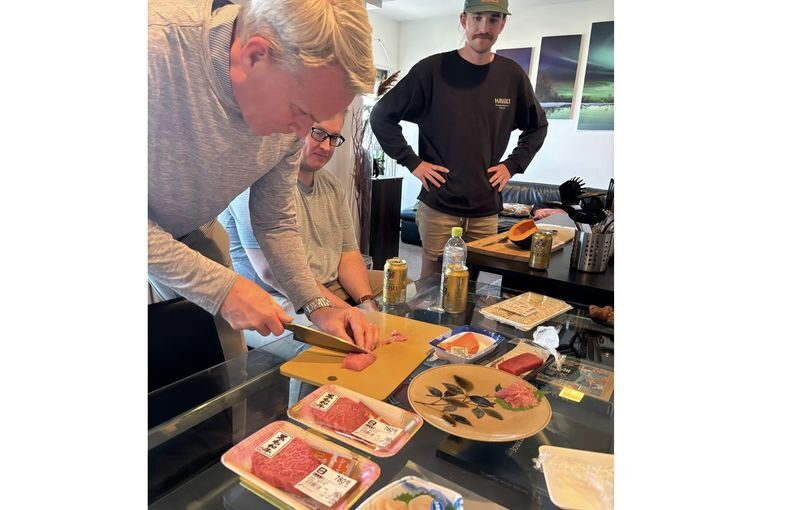
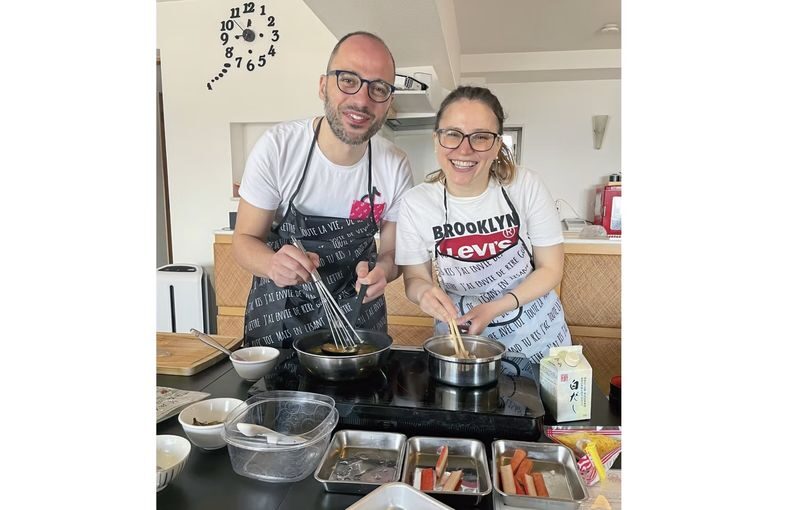
Once at the studio, you cook together using Japanese ingredients. The class fee covers ingredients, instruction, use of the location, and rental of tableware and utensils. That means you do not need to bring kitchen equipment or buy ingredients yourself, and the experience is arranged as one hosted activity rather than a recipe lesson followed by a search for dinner.
The best reason to choose this kind of class is the change of pace. Osaka is easy to explore through its food, but sampling dishes at restaurants can leave you as a spectator. Here, you take part in preparing the meal, then eat it at the same venue. If you enjoy cooking with a partner, family member, or friend, the shared task can be as much fun as the meal.
After the cooking and meal, Japanese sweets and tea are served. That gives the class a gentle finish and adds a small taste of Japanese hospitality without requiring another stop. Recipes from the session are provided, along with souvenirs related to what you made. Those are useful extras if you want to try the dishes again at home, though the information does not specify what the souvenirs are.
You cannot take the food you prepare home. Plan to eat it at the studio, and do not bring outside food or drinks. If you have food allergies, dietary restrictions, or religious requirements, contact the provider at least one week in advance. The kitchen may be able to discuss your needs, but the information does not guarantee that every request can be accommodated.
The menu and timing need a careful check
There is a small but important mismatch in the class details. The experience title and one package option identify ramen and gyoza, while the itinerary heading says Make 3 Different Sushis all at Once. Sushi is also listed as a separate package. Because the menu options are distinct, confirm that you have chosen ramen and gyoza specifically, rather than relying on the general itinerary text.
Timing is also inconsistent. The summary gives a two-hour duration, while the itinerary lists two hours and thirty minutes. The return-time options appear to allow for a two-and-a-half-hour window for some departures. Treat the session as potentially lasting two and a half hours and check the confirmed schedule, especially if you have a timed attraction or dinner reservation afterward.
The menu may change with the season and ingredient availability. That is normal for a cooking class built around Japanese ingredients, but it means you should not assume every listed dish or ingredient will appear in every session. If a particular recipe is the main reason you are booking, confirm it directly before reserving.
Is the price good value?
The experience summary gives a starting price of $65.59 per person. The package options, including ramen and gyoza, show prices from $81.99, with a sale label also shown at that same price. Since the displayed figures do not line up neatly, check the final price for your date and selected package before booking.
For the fee, you get ingredients, the lesson, use of the cooking space, rented utensils and tableware, your meal, dessert, tea, recipes, and souvenirs. That is a reasonable bundle for a hosted activity, particularly if you value learning by doing and want a meal included. It is less compelling if you mainly want a cheap bowl of ramen or expect a long, highly technical chef’s course. Transport and personal expenses cost extra.
The provider, Japanticket inc., has a 91 percent good-review rate across 4,672 total reviews. That figure covers its wider activity range, not just this cooking class. The class itself has limited specific feedback in the details available, so I would put more weight on confirming the menu, duration, and dietary arrangements than on assuming every session will be identical.
You can also read our reviews of more tours and experiences in Osaka


Who will enjoy this class most?
This suits families, couples, and friends who like hands-on activities and are happy to share a kitchen task. Children aged zero to six can attend free, though the information does not explain supervision or age-specific participation, so ask the provider if you are planning to bring young children.
It is also a good fit if you want a structured food activity near central Osaka and appreciate leaving with recipes to revisit at home. You get a clear start and finish, a meal, and a small cultural touch in the sweets and tea. The relatively short session can fit into a sightseeing day, provided you allow for the longer possible duration.
It may be a weaker choice if you have strict dietary needs that cannot be discussed a week ahead, if you need to leave with the food, or if you want a guaranteed, detailed lesson on a specific ramen technique. The class is designed as a shared cooking experience, not a promise of a particular culinary syllabus.
Should you book the ramen and gyoza class?
Book it if you want to cook Japanese food in a studio, eat the results there, and take away recipes and related souvenirs. The included ingredients, utensils, dessert, and tea make the price easier to assess than a cooking lesson with several add-on costs.
Before you commit, confirm three details: that your selected package is ramen and gyoza, which menu will be taught on your date, and whether the session lasts two hours or two and a half. Once those are clear, this is a sensible choice for a food-minded afternoon or evening in Osaka, especially with a companion who likes cooking as much as eating.
Hands-On Ramen & Gyoza Cooking Class in Osaka with a Pro Chef
“We got to do Yakisoba, Takoyaki and Japanese fried chicken. Sho is an amazing host and very friendly. Would defined recommend this experience!”
FAQ
Where is the cooking class held?
It is held at Samurai Cook Kitchen Studio, 1-8-3-1301 Kawarayacho, Chuo-ku, Osaka, Japan. The address is also given as Grand Maison Matsuyamachi Ichibankan.
How do I get to the studio?
The studio is about a five-minute walk from Matsuyamachi Station on the Nagahori Tsurumi-ryokuchi Line. The guide is described as wearing a blue samurai outfit and holding a signboard.
How long does the class last?
The information gives both two hours and two hours and thirty minutes. Check the confirmed duration for your selected session before making plans afterward.
What is included in the price?
Ingredients, cooking instruction, use of the location, tableware and utensil rental, dessert, tea, and souvenirs are included. Transport and other personal expenses are not included.
Can I take the food I make home?
No. The food you prepare is not available to take home.
Can I tell the provider about allergies or dietary needs?
Yes. If you have allergies, food restrictions, or religious dietary requirements, let the provider know at least one week before your reservation date.
Are children allowed to attend?
Children aged zero to six can attend free. The information does not give further details about age-specific activities or supervision.