The German Spy Museum turns espionage into something you can test, not just read about. You’ll trace spying from Julius Caesar’s cipher methods to Cold War operations and modern hacking, with more than 1,000 multimedia exhibits along the way.
I like two things in particular: the hands-on challenges, including code puzzles and a laser maze, make abstract spycraft feel immediate; and the exhibits connect gadgets to the conflicts and politics that shaped their use. The museum also mixes history with lighter material, including a James Bond section.
One consideration: this is a self-guided visit, not a guided tour, and some stations can draw queues. If you prefer quiet galleries with little reading, or have no interest in espionage, the museum may not hold your attention for long.
- Try spy skills yourself: Test Morse code, crack puzzles, check password strength, and take on a laser maze.
- Follow espionage across eras: The exhibits span ancient techniques, the world wars, the Cold War, and modern hacking.
- Give it more time than its size suggests: Many visitors spend around two hours, though the stated visit range is one to three.
- Expect some waiting at popular games: The laser maze and lie detector station can have queues.
- Make your own way through: Admission includes a ticket, but no guide or audio guide.
- Reach it at Potsdamer Platz: The museum is at Leipziger Platz, with S-Bahn, U-Bahn, and bus connections nearby.
- What the museum asks you to do
- From Caesar’s ciphers to modern hacking
- The objects, gadgets, and James Bond detour
- The interactive stations: fun, with a queue caveat
- Is the skip-the-line ticket worth it?
- Planning a visit at Leipziger Platz
- Who will get the most from this museum?
- Should you book the German Spy Museum?
- FAQ
- How long should I plan for the German Spy Museum?
- What are the museum’s opening hours?
- Where is the German Spy Museum?
- How can I get to the museum by public transport?
- What does the ticket include?
- Are there activities to try inside?
- Do children need a ticket?
- Is the museum wheelchair-accessible?
- Is the ticket valid on any date?
- The Best Of Berlin!
- More Tickets in Berlin
- More Tours in Berlin
- More Tour Reviews in Berlin
- Not for you? Here's more nearby things to do in Berlin we have reviewed
What the museum asks you to do


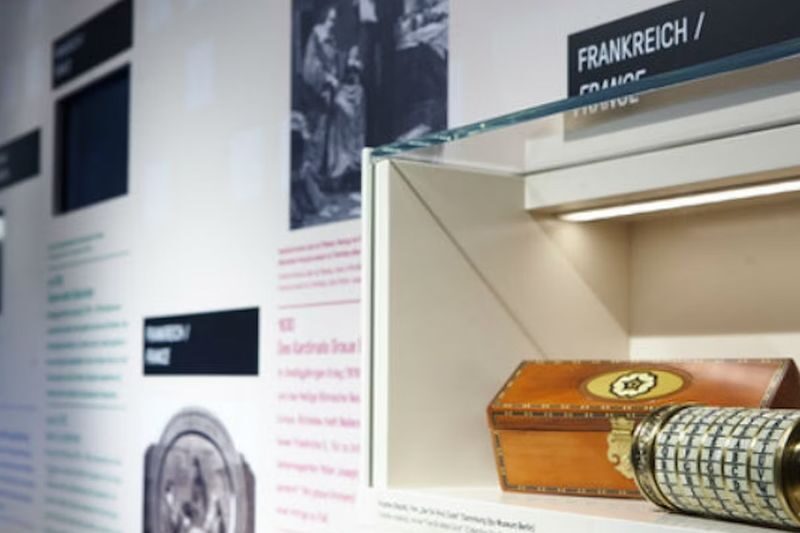
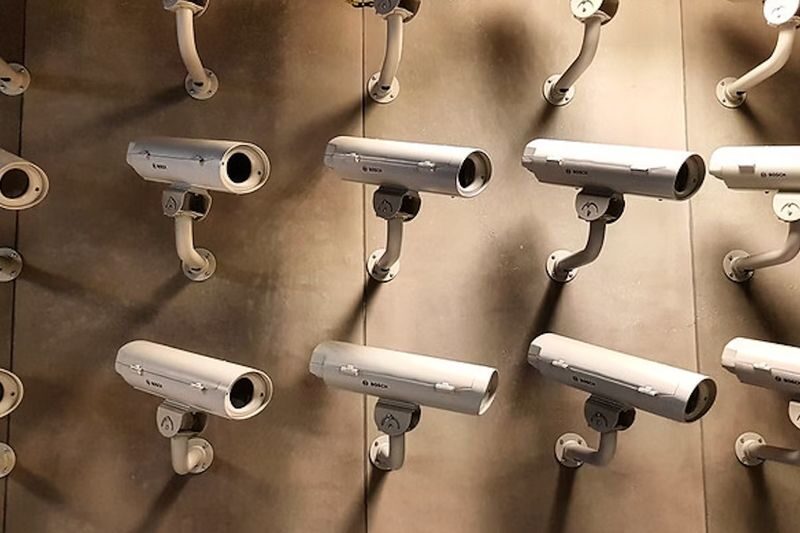
At many history museums, you look at objects and read labels. Here, you are also asked to act: decode a message, test a password, or work your way through a laser maze without setting it off. That shift from passive viewing to trying things is the museum’s best idea. It gives you a feel for the patience, observation, and problem-solving that espionage demands.
The interactive approach is especially useful if you are visiting with children or a group of friends. It gives everyone a reason to talk about the exhibits, rather than moving silently from case to case. Adults who like history get plenty of context too, though the experience is not a substitute for a specialist lecture or a guided account of Berlin’s intelligence history.
The mood changes from serious to playful. You might be reading about wartime operations one moment, then testing a code or attempting a spy-themed challenge the next. That variety keeps the visit lively, but it also means the museum does not have the hushed, object-focused feel of a traditional historical collection.

👉 See our pick of the 2 Best 3 Day Tours In Berlin
From Caesar’s ciphers to modern hacking
The museum follows espionage over a long timeline. It begins with early methods of secret communication, including Julius Caesar’s cipher techniques, then moves through the clandestine operations associated with figures such as Napoleon and Oliver Cromwell. The central idea is that spying did not begin with modern agencies or gadgets: people have long sought ways to conceal messages, gather information, and gain an advantage.
From there, the story moves into the world wars and the Cold War, when intelligence work became closely tied to military strategy and political rivalry. Berlin is a natural place for that part of the story. Even without a tour guide, the city’s Cold War setting gives the subject extra weight, and the museum’s focus helps connect covert methods to events that shaped international relations.
The displays also look beyond earlier conflicts to contemporary hacking. That final stretch matters because it shows how espionage changes with technology. A visitor who comes for old disguises and spy tools can leave thinking about information security and passwords, too.
There is a lot of material to take in, but the presentation combines text, objects, and multimedia rather than relying on one format. Some explanations are grouped on screens, which can be awkward when several people want to read at once. If you like to study every label, allow extra time; if you move quickly, you can still get a broad sense of how methods and tools changed over time.
You can also read our reviews of more tours and experiences in Berlin



The objects, gadgets, and James Bond detour
Spy equipment is a natural draw, and the museum includes devices and examples of covert tools alongside its historical explanations. The appeal is simple: a small object can make an abstract operation feel concrete. You can see how communication, concealment, and surveillance became practical problems for spies, rather than just plot devices in films.
The James Bond section adds a more popular-culture angle. It is a change of tone from the historical material, and it will likely appeal to anyone who enjoys the films or wants a lighter pause in the visit. If your main interest is real espionage, treat it as a bonus rather than the heart of the museum.
The collection is described as detailed, but the museum itself is not especially large. That is a useful distinction when planning. You do not need to set aside a whole day, yet the interactive stations and reading can stretch a visit well beyond a quick walk-through.
The interactive stations: fun, with a queue caveat
The games are the museum’s strongest draw for families and anyone who learns by doing. You can try Morse code, work through secret-message challenges, test how quickly a password might be cracked, and take on a laser maze. A spy role-playing game near the end gives the visit a playful finish.
The laser maze is a memorable challenge, but it can be popular. At busy times, the wait has reached 10 to 20 minutes, and the lie detector game can also attract a line. If those activities are important to you, avoid assuming you can complete every station in a short visit. Give yourself room to wait, or skip a game if the queue is long.
The challenges add energy, but not every part of the museum is a game. There is substantial reading, and some stations have explanations that visitors share on a screen. When the museum is crowded, you may need to wait to read or try an activity. Weekday visits during office hours have been suggested as a way to avoid the busiest conditions, though no visit time guarantees an empty gallery.
I would plan for about two hours as a practical middle ground. A quick visit may take less, while a family that tries most activities and reads the displays could use three hours. The official duration range is one to three hours, so this is best treated as a flexible stop rather than a timed tour.
Is the skip-the-line ticket worth it?
The ticket is listed from $28.35 and includes admission to the German Spy Museum. Its value depends less on the time saved at the door than on how much you enjoy the subject and the interactive stations. If you are curious about spy history, or want a hands-on museum break in Berlin, the price buys a visit with enough variety to occupy a couple of hours.
The phrase skip the line needs a little care. The ticket information says you can enter with your voucher, but some past ticket users have needed to exchange a QR code at the counter for the museum’s admission ticket. Those accounts also describe a quick process, though a queue at the counter is possible. Follow the redemption instructions on your voucher when you arrive, and don’t count on skipping every queue inside: the laser maze and other games have their own waits.
Buying online may be convenient, particularly if you want to have admission arranged before you reach the museum. Onsite family tickets for two adults and their own children are also available, but they do not include line skipping. Children aged zero to five enter free, while children aged six and older pay the adult rate for this ticket. Students aged six and older with a valid student ID, and visitors with disabilities and valid ID, are eligible for reduced admission.
Planning a visit at Leipziger Platz
The German Spy Museum is at 9 Leipziger Platz, 10117 Berlin, beside the Potsdamer Platz transport hub. You can reach Potsdamer Platz by S-Bahn on lines S1, S2, or S25, by U-Bahn on U2, or by buses 200, M41, M48, and M85. From the station, follow the exit for Leipziger Platz.
The museum is open daily from 10:00 a.m. to 8:00 p.m. That long schedule makes it easy to fit into a day of sightseeing, but remember that the interactive games can add time. If you have a fixed onward plan, leave a buffer rather than arriving close to closing and expecting to try every station.
Admission is for the selected date, and the activity is wheelchair-accessible. Infants and children must be included in the passenger headcount when booking, even when a child’s admission is free. The ticket does not include an audio guide, a tour guide, or personal expenses.
Because the visit is self-guided, you can set your own pace. That freedom works well if your group has different interests: you can spend longer with the historical exhibits while someone else tries the games. The trade-off is that you will need to make sense of the material on your own. Displays are available in German and English, but visitors who are comfortable with German may find some parts easier to follow.
You can also read our reviews of more museum experiences in Berlin



Who will get the most from this museum?
This is a good choice for families with school-age children, couples looking for a less conventional museum, and anyone curious about codes, spy tools, or the Cold War. The activities give children a reason to stay engaged, while the historical timeline gives adults more than a collection of games to play.
It also suits visitors who want an indoor activity with a clear theme and flexible timing. You can spend an hour on the highlights or stay longer to read and try more stations. If you are comparing it with Berlin’s larger history museums, think of it as a focused, interactive attraction rather than a deep survey of German history.
The museum may be a weaker fit if you are not interested in espionage, prefer a guide to explain the exhibits, or dislike queues and screen-based displays. Some of the content asks you to read, and the most popular challenges may not be immediately available. Go for the mix of history and participation, not for a quiet gallery visit.
Should you book the German Spy Museum?
I would book this if you want a lively two-hour stop that combines real-world spy history with puzzles and practical challenges. The most compelling parts are the broad timeline, the spy equipment, and the chance to test techniques yourself. The dated ticket is convenient, and the museum’s central location makes it easy to reach.
I would pass if spy stories hold little interest for you, or if you are hoping for a guided, deeply academic account of intelligence work. For the right visitor, though, this is a smart change of pace from Berlin’s more conventional museums. Book with enough time to try the activities, and treat skip-the-line as help with admission, not a promise of instant access to every game.
German Spy Museum in Berlin with Skip the Line Ticket
“very good museum, there are many interactive parts. it's fun but also many interesting facts.”
FAQ
How long should I plan for the German Spy Museum?
The stated visit duration is one to three hours. Around two hours is a useful plan if you want time for exhibits and some interactive activities.
What are the museum’s opening hours?
The German Spy Museum is open Monday through Sunday from 10:00 a.m. to 8:00 p.m.
Where is the German Spy Museum?
It is at 9 Leipziger Platz, 10117 Berlin, near Potsdamer Platz.
How can I get to the museum by public transport?
Take the S-Bahn lines S1, S2, or S25, or the U-Bahn line U2, to Potsdamer Platz. Buses 200, M41, M48, and M85 also stop there.
What does the ticket include?
The package includes a skip-the-line admission ticket to the German Spy Museum. It does not include an audio guide or tour guide.
Are there activities to try inside?
Yes. The museum has interactive challenges that include code puzzles, Morse code, password testing, and a laser maze. Some stations can have queues.
Do children need a ticket?
Children aged zero to five enter free, while children aged six and older are charged the adult rate for this ticket. Infants and children must still be included in the passenger headcount when booking.
Is the museum wheelchair-accessible?
Yes, the activity information states that the museum is wheelchair-accessible.
Is the ticket valid on any date?
No. The voucher is valid only on the selected date, and on the selected time if one applies.