Phuket’s PADI Open Water course takes you from your first pool skills to ocean training in about three days, with no prior scuba experience required. The goal is a globally recognized certification that lets you explore underwater to 18 meters.
I like two things in particular: the two-student limit per instructor, which allows room for questions and reassurance, and the practical package, which includes equipment, hotel transfers in several Phuket areas, meals and training materials. Instructors Sam, Ben and Frank have each helped first-timers build confidence, including students who began with real worries about water or pressure equalization.
The main consideration is that this is a full course, not a casual activity you can squeeze into a spare afternoon. You need to be comfortable swimming 200 meters unaided and floating for 10 minutes, and the ocean sites are chosen on the day, so the exact scenery is not fixed.
- Key points to know before you book
- From first lesson to ocean certification
- The first day: learning the basics
- Pool practice before the sea
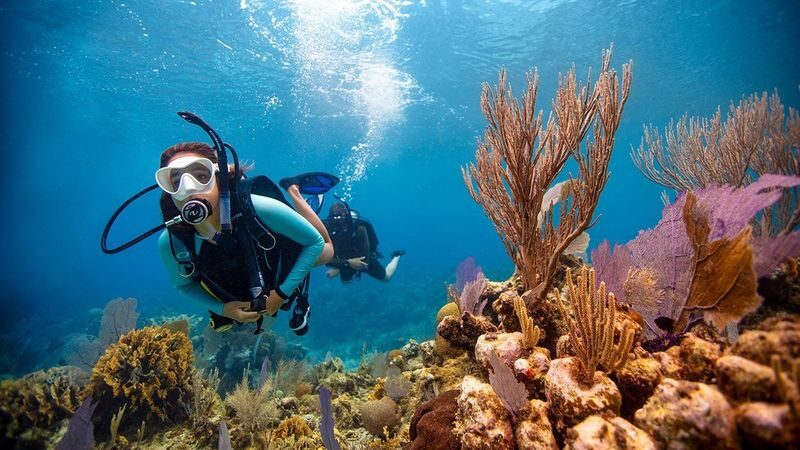
- Ocean sessions and the first underwater world
- Instructors, confidence and group size
- Transfers, food and the long course day
- Price and what the package covers
- Who should choose this course
- Should you book it?
- FAQ
- How long does the course take?
- What time does the activity depart?
- How many dives are included?
- Do I need prior scuba experience?
- What are the age and swimming requirements?
- What certification do I receive?
- Is hotel pickup included?
- What is included in the price?
- The Best Of Phuket!
- More Tours in Phuket
- More Tour Reviews in Phuket
- Not for you? Here's more nearby things to do in Phuket we have reviewed
Key points to know before you book
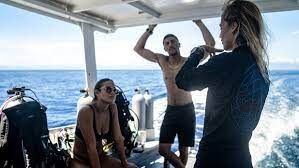
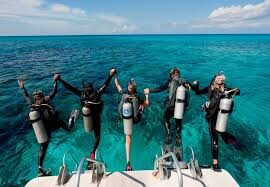
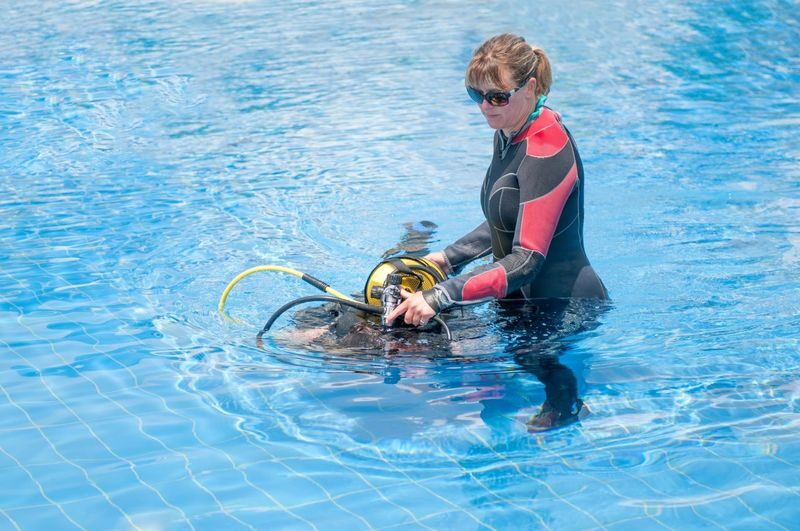
- Three learning stages: Expect knowledge development, confined-water practice and ocean sessions, with six dives included.
- Small instruction groups: The maximum is two students per instructor, a helpful limit for new skills and nervous beginners.
- A proper certification course: Once approved, you can explore underwater worldwide to a maximum depth of 18 meters.
- Meals and transfers are part of the package: Breakfast, lunch, refreshments and hotel pickup are included for Patong, Karon, Kata, Nai Harn and Chalong.
- No previous scuba experience is needed: You must be at least 10 and meet the swimming and fitness requirements.
- The schedule needs room: Plan for about three days, with a 09:00 departure and ocean locations set according to conditions on the day.

👉 See our pick of the 24 Best Shopping Tours In Phuket
From first lesson to ocean certification
This course is designed to take you from beginner to certified scuba diver in a few days. Its structure matters: you do not start by being sent straight into the sea. First comes knowledge development, then practice in confined water, followed by open-water sessions where you apply the skills.
That order is reassuring if you have never used scuba equipment. You can learn the basics and practise before moving into the ocean, rather than trying to understand new equipment and new surroundings at the same time. The instructor guides you through each stage and assesses your progress before certification.
The course includes six dives, but the exact ocean sites are determined on the day. That makes it hard to promise a particular reef, view or marine encounter. I’d book for the training and the chance to explore Phuket’s underwater world, not for one guaranteed location or sighting.
Once you complete the required training and receive approval, you earn PADI Open Water Diver certification. It allows you to explore underwater worldwide to 18 meters. That future use is a large part of the value: the course is not just a Phuket activity, but a qualification you can use on later trips.
You can also read our reviews of more tours and experiences in Phuket.


The first day: learning the basics
The first stage is knowledge development. You learn the fundamentals needed to use scuba equipment and understand the course’s safety practices. Training materials are included, and the instructors speak English, Portuguese, Japanese, German, French and Thai.
You do not need any previous certification or logged dives. That makes the course accessible to a genuine first-timer, though beginner-friendly does not mean effortless. You need to pay attention, practise the skills and be honest with your instructor about anything that worries you.
That last point is worth taking seriously. One student who had a fear of water struggled even to enter the deep end of the pool at first, while another was concerned about equalizing pressure. Instructors Ben and Frank helped those students work through their concerns with patience and clear explanations. If you have a similar worry, say so early. The team can only respond well to concerns they know about.
Pool practice before the sea
The confined-water phase gives you a controlled place to practise scuba skills before the ocean sessions. The pool is where the first sensation of breathing underwater can become less strange and where you can get used to handling equipment with an instructor close by.
For many people, this is the emotional hurdle as much as the technical one. If you feel unsure, there is no need to pretend otherwise. A student who could swim well still found the deep end difficult on the first day, but later completed the ocean training. That is a useful reminder that water confidence and swimming ability are not quite the same thing.
The maximum of two students per instructor is especially valuable here. It gives the instructor more time to notice when you need a demonstration, a pause or a little space to try a skill again. Sam was described as patient and calm, while Ben and Frank were also praised for helping students feel safe and supported. Instructors can differ, of course, but individual attention is built into the group limit.
Ocean sessions and the first underwater world
After pool practice, you move to open-water training. The course includes six dives, and the locations are selected on the day. This flexibility means the schedule can respond to the available conditions, but it also means you should not expect to choose a site in advance.
The first ocean session is likely to feel different from the pool even if you have practised the skills. You are applying what you learned in a real marine setting, with an instructor guiding the process. The point is not simply to look around; it is to show that you can use your training and make progress toward certification.
The experience can be powerful even for someone who has snorkeled before. Scuba gives you a new way to move and breathe underwater, and the course is built around learning that skill rather than just taking you on a sightseeing trip. If your main priority is a short recreational outing, a one-day trip may fit better. If you want a qualification and are willing to commit several days, this course offers a more lasting payoff.
Instructors, confidence and group size
The strongest practical reason to consider this course is the attention available from the instructors. A maximum of two students per instructor is a modest group size for a skills-based course, and it matters most when something feels unfamiliar or intimidating.
The instructors whose names come up are Sam, Ben and Frank. Sam was praised for knowing when to guide and when to let students work things out. Ben helped a student overcome a serious fear of water, and Frank took a concern about pressure equalization seriously, explaining how to respond. These are useful examples of the kind of support a beginner may need, though your own instructor assignment is not specified.
The wider team also handles the practical side. Kunte helped arrange accommodation near the pier for one student, but accommodation is not listed as included, so do not assume that arrangement is part of the package. The detail does show that it may be worth asking the center about nearby lodging if you want to rest close to the departure point.



Transfers, food and the long course day
The activity starts at 09:00, and hotel pickup is available in Patong, Karon, Kata, Nai Harn and Chalong. You need to provide your hotel name and address when booking; the center reconfirms the pickup time and place no later than the day before. If your hotel is outside those areas, the included pickup details do not cover it, so check before you book.
Meals and refreshments are included: breakfast, lunch and surface-interval refreshments. That is practical on a course day, when you have training to focus on and may not want to arrange food between sessions. Full scuba equipment rental and training materials are also part of the package, along with the certification papers or card.
The meeting point is listed as 31 Bangla Road, Patong Beach, but with hotel pickup available in the named areas, you may not need to make your own way there. Confirm the pickup plan before the course begins, rather than assuming the meeting address is your departure point.
Price and what the package covers
The displayed starting prices are not consistent: the experience summary gives US$488.69, while the package option shows US$444.25. Treat those as indicative figures and check the amount shown for your selected date and package before paying.
Price makes more sense when you account for what is bundled. You get instruction, training materials, a full equipment set, confined-water and ocean training, certification papers or card, breakfast, lunch, refreshments and transfers from several key areas. You are paying for a multi-day course and a certification, not just for time on a boat or a single underwater outing.
The course is best value if you intend to use the certification again. If you only want a brief look at the underwater world, the time commitment and price may be more than you need. If learning a lasting skill is part of your Phuket plans, the included instruction and equipment make the package more convenient than arranging those pieces separately.
Who should choose this course
This is a good fit if you are a beginner who wants proper instruction, can set aside about three days and is willing to practise before reaching the ocean. It may suit nervous beginners too, provided you can meet the swimming requirements and are ready to tell your instructor what makes you uneasy.
You must be at least 10 years old, in good physical health, able to swim 200 meters unaided and without stopping, and able to float for 10 minutes. No prior scuba certification or logged dives are required. These are firm requirements, so be candid with yourself before booking.
It is less suitable if you have only one free day, cannot swim the required distance or are looking for a guaranteed visit to a particular ocean site. The locations are set on the day, and the course needs time for all three learning stages.
Should you book it?
Book this course if you want a PADI certification, have roughly three days available and value close instruction over a quick introductory outing. The small student-to-instructor ratio, patient teaching style and included transport, meals and equipment make it a well-rounded choice for beginners.
Hold off if you cannot meet the swim and float requirements, or if you want a short activity with a fixed itinerary. Before paying, confirm the current price, your pickup area and the reconfirmed pickup time. If you have concerns about water confidence or pressure equalization, raise them with the center in advance so your instructor can help you prepare.
Explore Underwater Wonders: Open Water in Phuket with PADI Center
“Sam was an incredible diving instructor. Patient, knowledgable, a calming presence who knows when to step back to give us space to figure things ou…”
FAQ
How long does the course take?
It takes about three days.
What time does the activity depart?
The listed departure time is 09:00.
How many dives are included?
The course includes six dives.
Do I need prior scuba experience?
No. Prior experience, certification and logged dives are not required.
What are the age and swimming requirements?
Participants must be at least 10 years old, in good physical health, able to swim 200 meters unaided without stopping, and able to float for 10 minutes.
What certification do I receive?
After approval, you receive PADI Open Water Diver certification, which allows you to explore underwater worldwide to 18 meters.
Is hotel pickup included?
Pickup is included in Patong, Karon, Kata, Nai Harn and Chalong. You need to provide your hotel name and address, and the center reconfirms the time and place no later than one day in advance.
What is included in the price?
The package includes a guide, a PADI-certified instructor, full scuba equipment rental, training materials, confined-water and open-water sessions, certification papers or card, breakfast, lunch, surface-interval refreshments and eligible hotel transfers.