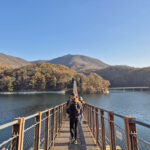
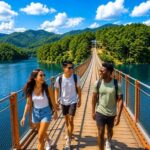
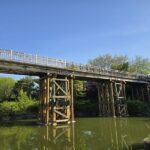
At the DMZ, the Korean division is more than a line on a map. You can walk through the 3rd Infiltration Tunnel and look toward North Korea from Dora Observatory, then spend the second half of the day among the basalt cliffs and water of the Hantan River Geopark. I like that contrast: difficult modern history followed by a real change of pace in nature.
I also like the guide-led storytelling and the included round-trip transport from Seoul. Guides named Edward, John, Richard, and Dragon have been praised for clear explanations, steady organization, and help with photos and local food. The main consideration is the long day: departure can be as early as 05:50, and traffic or weather can change the schedule.
- At a glance
- The DMZ is the heart of the day
- Imjingak’s memorials and bridges
- Walking the 3rd Infiltration Tunnel
- Jaein Falls and the UNESCO Geopark
- A 10-hour day, with an early start
- Guides, communication, and group pace
- Price, inclusions, and what to check
- Who will get the most from this tour
- Should you book it?
- FAQ
- How long is the tour?
- Where does the tour depart from?
- What are the main stops?
- Is admission included?
- Are meals included?
- What should I bring?
- Can young children join?
- The Best Of Gangwon!
- More Tours in Gangwon
- More Tour Reviews in Gangwon
- Not for you? Here's more nearby things to do in Gangwon we have reviewed
At a glance
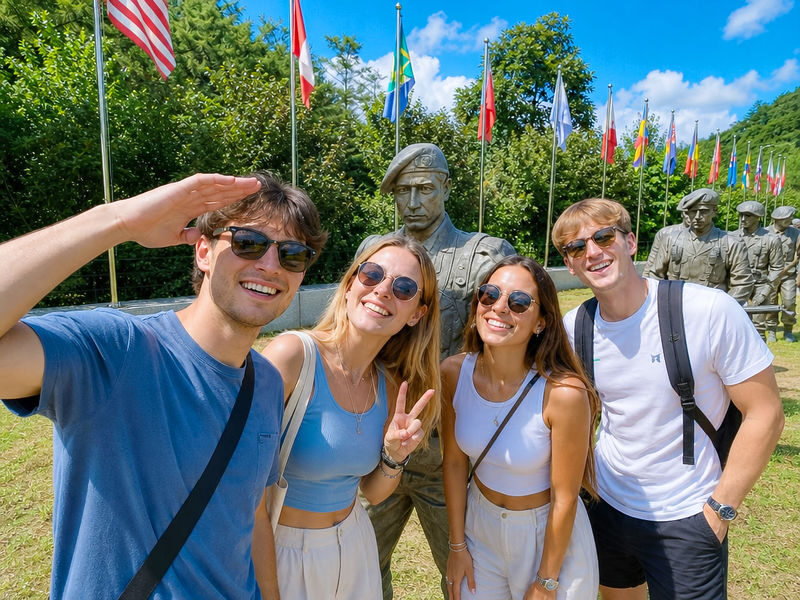 1 / 10
 2 / 10
 3 / 10
 4 / 10
 5 / 10
 6 / 10
 7 / 10
 8 / 10
 9 / 10
 10 / 10
- A rare border visit: See Imjingak, the 3rd Infiltration Tunnel, and Dora Observatory, where you can look across the border toward North Korea.
- History with a change of scene: The day continues at Jaein Falls and the Hantan River UNESCO Global Geopark, with a suspension bridge adding a physical thrill.
- Guides help make sense of the day: English- and Chinese-speaking guides explain the history and practical details. Edward, John, Richard, and Dragon are among the guides named by past participants.
- A full day from Seoul: Plan on about 10 hours, with pickup options around 05:50 to 06:30 and return drop-offs from about 17:30.
- Bring your passport: You need a passport with at least six months of validity for this activity.
- Check the package details: The standard package includes attraction admission, but private-tour admission fees are not included.

👉 See our pick of the 3 Best Tours In Gangwon
The DMZ is the heart of the day
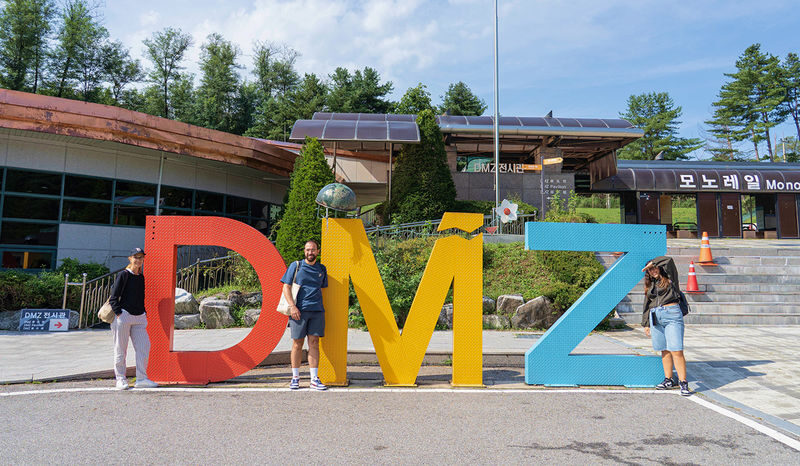
The Demilitarized Zone is a weapons-free buffer between North and South Korea, but it is not a casual sightseeing stop. A visit gives you a close look at how division has shaped the region, with sites that connect present-day border tension to the human cost of separation. Your guide’s explanations matter here. The tunnels and viewpoints are striking on their own, but context helps you understand why they exist and what you are seeing.
This tour combines well-known DMZ stops with a natural attraction farther along the route. That makes it a broader day out than a DMZ-only excursion, though it also means you should expect a packed schedule and considerable time in transit. If your main goal is to spend as long as possible at the border, compare it with a shorter DMZ tour before booking.
You can also read our reviews of more tours and experiences in Gangwon.


Imjingak’s memorials and bridges
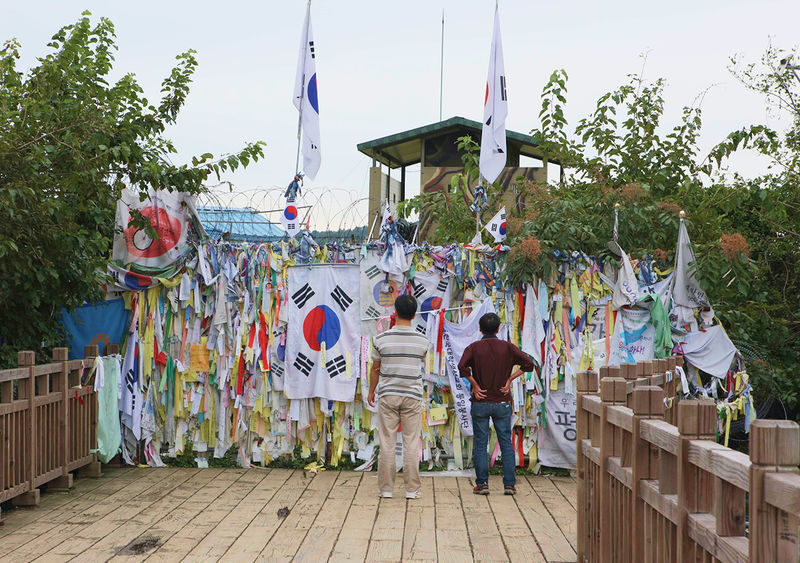
Imjingak Pyeonghwa-Nuri Park is a place of remembrance and hope near the DMZ. Its calm setting gives you room to take in the meaning of the visit before heading farther into the border area. The tour also includes Dokgae Bridge, a reconstructed bridge with ties to Korea’s division, along with Mangbaedan and the Bridge of Freedom.
These are not simply photo stops. Mangbaedan is a sacred site for families separated by the division, while the Bridge of Freedom carries the weight of people’s longing for home and reunion. I would give these places your attention even if the tunnel and observatory are the stops you are most eager to see. They help make the DMZ feel less like a military curiosity and more like a continuing human story.
The schedule gives the DMZ portion roughly three and a half hours, though the exact order and time at each site can vary. Traffic, weather, and conditions at the DMZ may affect the day. Keep some flexibility in your expectations rather than treating every arrival time as fixed.
Walking the 3rd Infiltration Tunnel
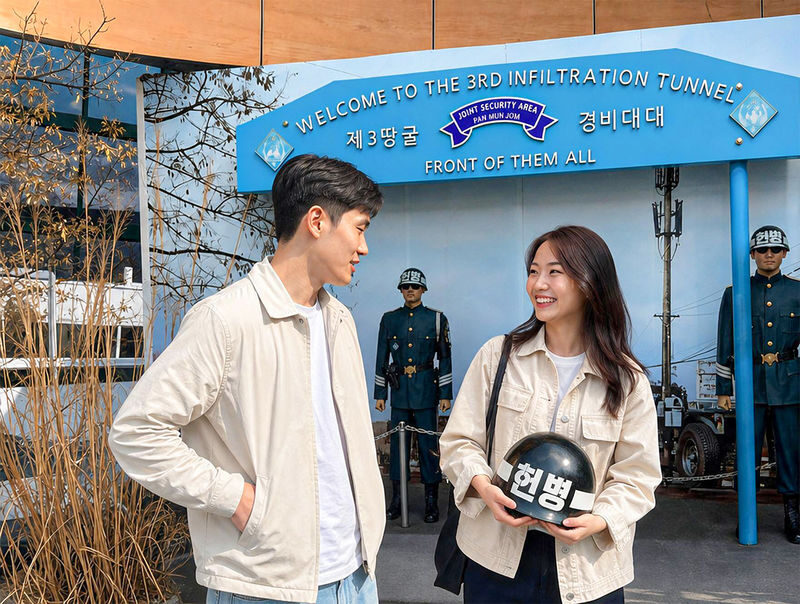
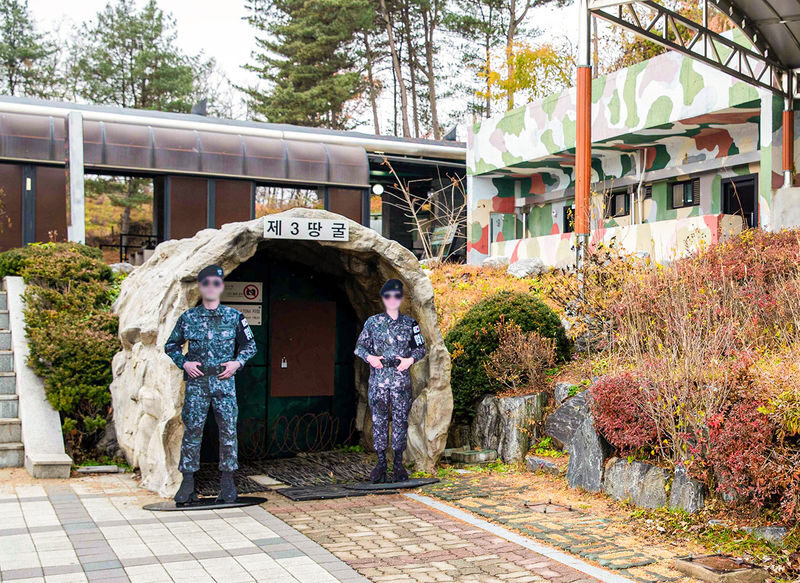
The 3rd Infiltration Tunnel is the most physical stop on the border portion of the tour. You go below ground to explore a tunnel associated with North Korea’s attempts to move through the DMZ. For many visitors, walking inside it is the most memorable part of the day. It brings the military history into close range in a way that a display or roadside explanation cannot.
The tunnel visit is also one reason to wear comfortable clothes and shoes suitable for walking. The tour information does not specify the tunnel’s walking conditions or accessibility, so check with the operator directly if you have mobility concerns. The experience is exciting, but it is not just a quick look from a viewing platform.
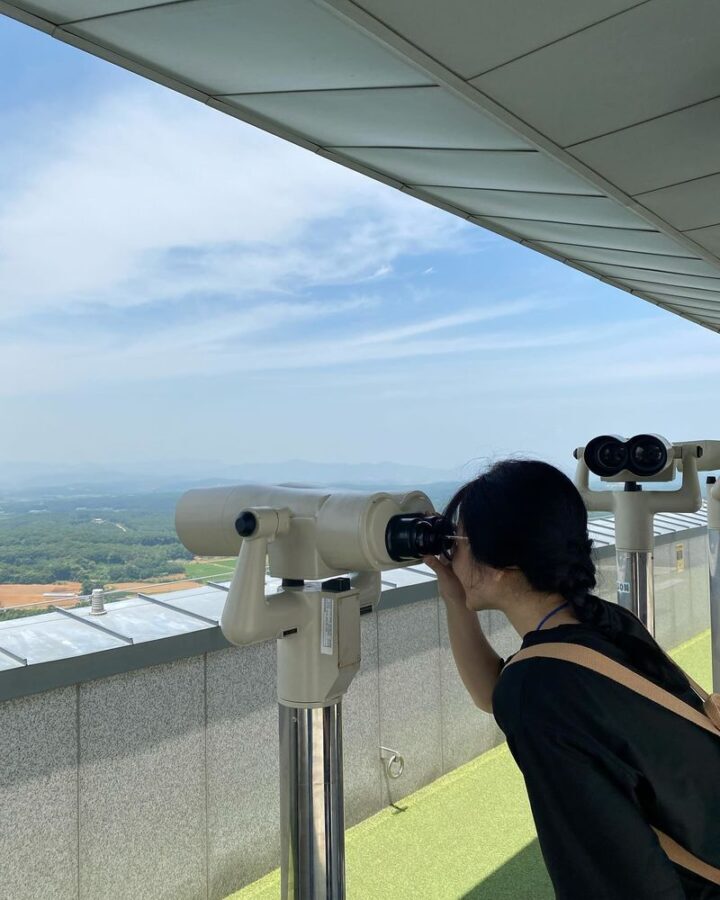
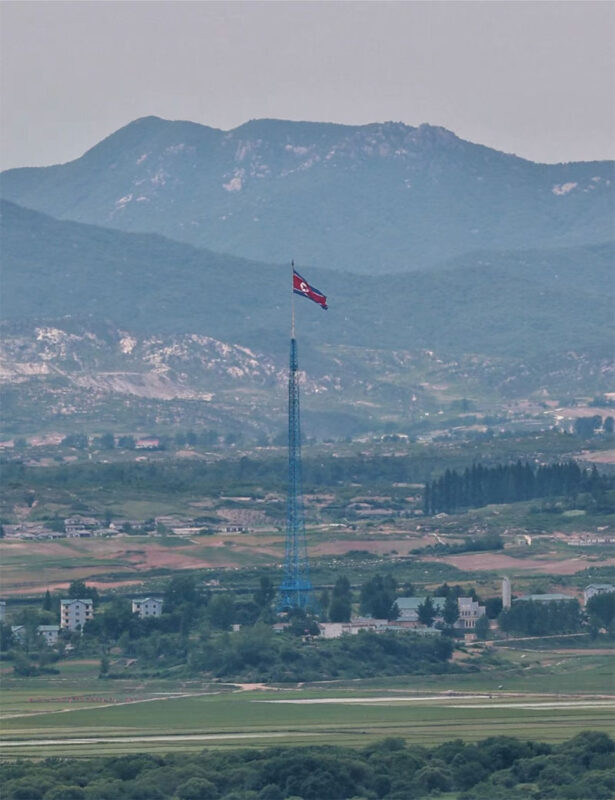
Afterward, Dora Observatory offers a different kind of encounter. From the observatory, you can gaze across the border toward North Korea. The view may depend on weather and visibility, so do not expect the same conditions every day. The value is partly in the sight itself and partly in standing at a place where the division is visible and immediate.
Jaein Falls and the UNESCO Geopark
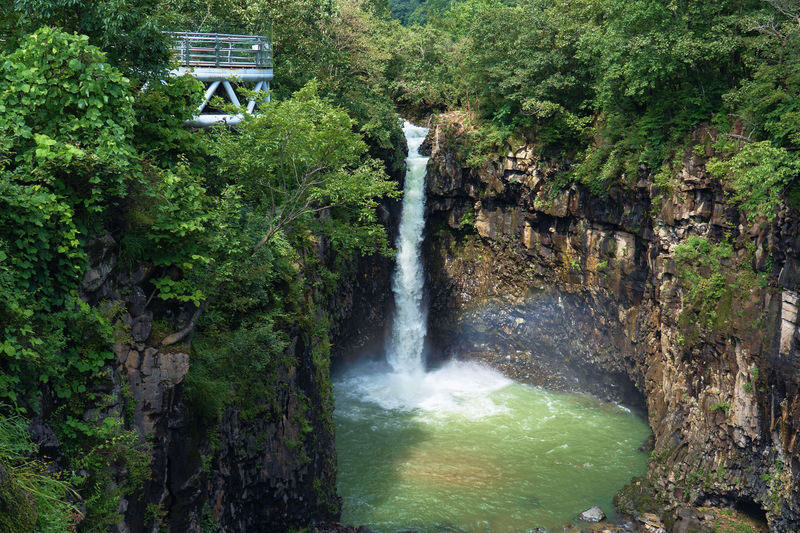
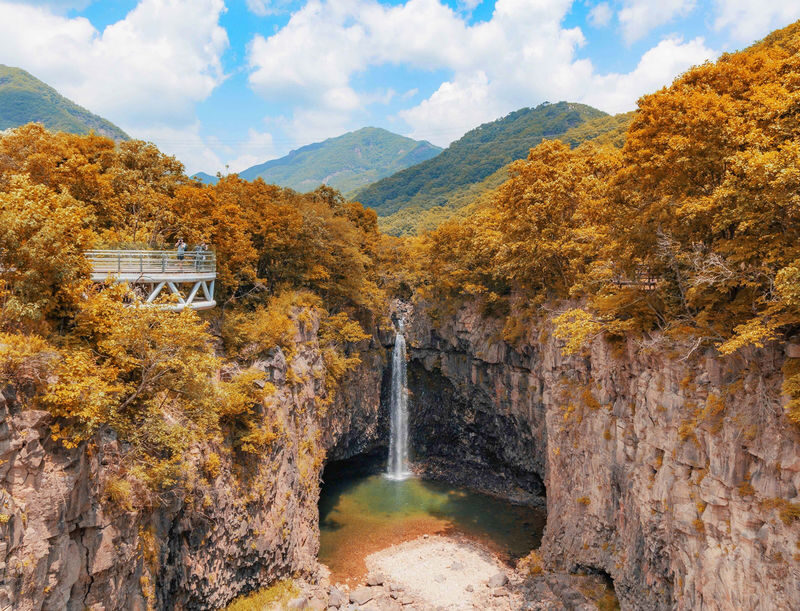
The tour’s second half shifts from military history to the Hantan River UNESCO Global Geopark. Jaein Falls, also called Jaein Waterfalls in the tour details, is set against basalt cliffs. The rock formations give the stop a geological character as well as a scenic one, making it a useful counterpoint to the DMZ’s human history.
The suspension bridge is another highlight, especially if you enjoy a little height and movement with your views. It adds a more active element to the day after the tunnel and observatory. The stop is a chance to stretch your legs, take in the surrounding scenery, and reset before returning to Seoul.
The nature portion is not an afterthought, but it does share the day with a substantial historical itinerary. If you want a long hike or an unhurried visit to the Geopark, this format may feel brief. If you want a taste of both the border region and its natural features in one outing, the combination is the tour’s strongest practical advantage.
A 10-hour day, with an early start
Departure options are listed at about 05:50, 06:00, and 06:30. You are asked to arrive 10 minutes before your chosen departure, and late arrivals or no-shows are not refundable. Pickup points include Hongik University Station, Myeongdong Station, and Dongdaemun History & Culture Park Station. Return drop-offs are listed for the same general Seoul areas, starting at about 17:30.
The schedule includes a morning snack break and a lunch period, but the cost of meals and drinks is not included. Treat those as time to buy food rather than as meals provided by the operator. Some guides have helped groups order local dishes or recommended restaurants, but that is a personal touch, not something you should count on as a formal part of the package.
Round-trip transfers are included, which is useful for a day that reaches beyond Seoul and includes several separate stops. The long drive is part of the trade-off: you avoid working out the route yourself, but you spend a good part of the day in transit. The timing can shift with traffic and weather.
The group requires at least four participants. If that minimum is not met, you can request a full refund or choose an alternative date. Children aged zero to two can join free if they do not occupy a separate seat.


Guides, communication, and group pace
Good guiding is especially important on a day with both sensitive history and several stops. Recent guides named in feedback include Edward, John, Richard, Dragon, Mike, and Lee. They have been described as helpful with explanations, pickup details, questions, photos, and keeping the group moving. That is encouraging, but you cannot book a particular guide based on the information provided.
A few practical details can make a long day easier. Edward has been praised for explaining the DMZ in clear English and Chinese, and John for sharing historical context during the drive as well as at the sites. Some guides have used a group chat to send updates about pickup and meeting details. If your guide sets one up, keep notifications on so you do not miss a vehicle or timing change.
The tour is offered with a Chinese- or English-speaking guide. If language is important to your experience, confirm your preferred option when booking. The listed itinerary includes self-guided blocks, so do not assume the guide will walk beside you and comment at every moment. The guide’s role combines explanation and coordination with time for you to explore certain stops independently.
Price, inclusions, and what to check
The tour is advertised from $103.75, while the package option is also shown from US$90.19. Prices can vary by package and booking details, so use the price shown for your selected date and option when comparing. The standard package includes admission to attractions, round-trip transfers, and a Chinese- or English-speaking guide. Meals, beverages, and personal spending are extra.
That bundle can be good value if you want both the DMZ and Jaein Falls without arranging transport between locations yourself. You are paying for a full day of transport and guided context, not just entry to one attraction. The value is strongest if you want a broad introduction to the border area and nearby nature. It is less compelling if you would rather focus on the DMZ alone or travel at your own pace.
There is an important distinction for private tours: admission fees are not included. The private option is described as lasting 10 hours from pickup to drop-off, with an additional charge of KRW 40,000 per hour if it runs longer. Check the precise inclusions and costs for your chosen option, since the standard group package and private tour do not share the same admission terms.
The main package names DMZ, UNESCO Geopark, Jaein Falls, and the suspension bridge. Other places, including Camp Greaves, Tongilchon, and the Typography Museum in Paju, appear as possible itinerary options, alongside a Hangul-related experience. Do not assume these are all part of your booked day. Confirm the stops attached to your selected package if one of them matters to you.
Who will get the most from this tour
I would choose this tour if you want a guided introduction to the DMZ and would welcome a nature stop rather than spending the whole day on border sites. It suits first-time visitors to the area, families with older children interested in history, and anyone who values transport and explanations arranged in one booking. The excursion can be family-friendly, but the long day and tunnel walk are worth considering when travelling with young children.
It may not suit you if you dislike early starts, want a slow pace, or need a highly flexible itinerary. At roughly 10 hours, this is a serious day trip, not a light half-day outing. The best way to enjoy it is to arrive rested, bring your passport, and accept that the day’s timing may change.
Should you book it?
Book this tour if you want to connect the history of division with a visit to the 3rd Tunnel and Dora Observatory, then finish among the cliffs and water of the Hantan River Geopark. The mix is unusual, and having transport and a guide makes a complicated day easier to manage.
Skip it in favour of a DMZ-only trip if you want more time at the border or a shorter day. Before booking, check your selected package’s stops, guide language, pickup point, and admission terms, especially if you are considering a private tour.
DMZ Tour from Seoul: 3rd Tunnel, North Korea View & UNESCO Valley
“The tour guide provided very detailed explanations, and the lunch he recommended was delicious. We encountered a problem with our ride in the morni…”
FAQ
How long is the tour?
The tour lasts about 10 hours. The schedule may change because of traffic or weather.
Where does the tour depart from?
Pickup options are listed at Hongik University Station, Myeongdong Station, and Dongdaemun History & Culture Park Station. Check your booking for the selected departure time and meeting point.
What are the main stops?
The described stops include Imjingak Pyeonghwa-Nuri Park, Dokgae Bridge, Mangbaedan, the Bridge of Freedom, the DMZ, the 3rd Infiltration Tunnel, Dora Observatory, Jaein Falls, and the Hantan River UNESCO Global Geopark.
Is admission included?
Admission to attractions is included in the standard package. For a private tour, admission fees are not included, so bring cash or a payment card.
Are meals included?
No. Meals and beverages are not included. The schedule includes time for a snack and lunch, but you pay for your own food and drinks.
What should I bring?
Bring a passport with at least six months of validity.
Can young children join?
Children aged zero to two can join free if they do not occupy a separate seat. The activity requires at least four participants.