The Dohány Street Synagogue is more than an architectural showpiece: it is a place to meet Budapest’s Jewish past through its grand interior, memorial park, and museum. The guided visit links those places in a compact introduction to the community’s traditions and the Holocaust.
I like two things in particular: priority entry saves time at a major sight, and a guide helps connect the ornate synagogue with the personal stories behind the memorials. The visit also leaves you in the Jewish Quarter, well placed to continue exploring.
The main consideration is time. The guided portion lasts about 45 minutes, so it moves quickly, and the $44 price can feel high if you expect a long, in-depth tour. The museum is included, but you explore it independently.
- What makes this visit worthwhile
- At the Dohány Synagogue, architecture meets memory
- A short guided visit, with a lot to take in
- The memorial park and its difficult stories
- The Jewish Museum is yours to explore
- Is fair value?
- Who should book this visit?
- Practical details before you go
- Should you book it?
- FAQ
- How long does the guided visit take?
- What is included in the ticket?
- What language is the live guide in?
- What should I wear to the synagogue?
- Can I take photographs?
- Is the site wheelchair and stroller accessible?
- The Best Of Budapest!
- More Museum Experiences in Budapest
- More Tours in Budapest
- More Tour Reviews in Budapest
- Not for you? Here's more nearby things to do in Budapest we have reviewed
What makes this visit worthwhile
 1 / 8
 2 / 8
 3 / 8
 4 / 8
 5 / 8
 6 / 8
 7 / 8
 8 / 8
- The synagogue’s Moorish Revival design offers a striking look at 1850s architecture, with intricate interior details and a historic organ once played by Franz Liszt.
- The guided route connects the building to its past through stories about Budapest’s Neologue Jewish community and the synagogue’s place in city life.
- Raoul Wallenberg Holocaust Memorial Park brings the history into sharp focus, with the Emmanuel Tree of Life Memorial and a cemetery for more than 2,000 Budapest Ghetto victims.
- The Hungarian Jewish Museum and Archives are included, giving you more time to see artifacts, documents, and exhibitions after the guided visit.
- Priority entry helps you spend less time in the ticket queue, while the short guided format can fit neatly into a busy Budapest day.
- The guide can make or break the pace. Flavia, Milan, and David are among the guides named by visitors, praised for clear explanations, care, and an engaging manner.
👉 See our pick of the 22 Best Shopping Tours In Budapest
At the Dohány Synagogue, architecture meets memory
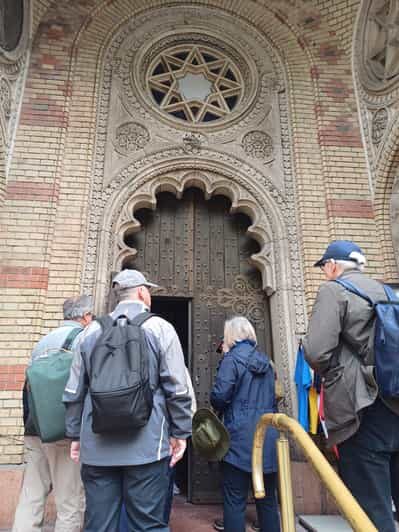
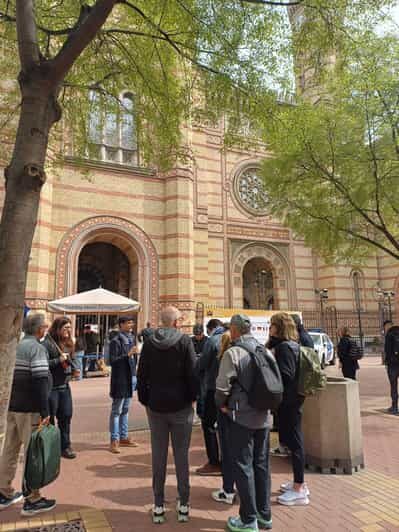
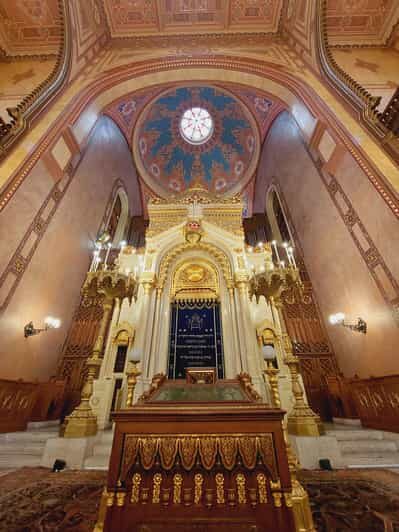
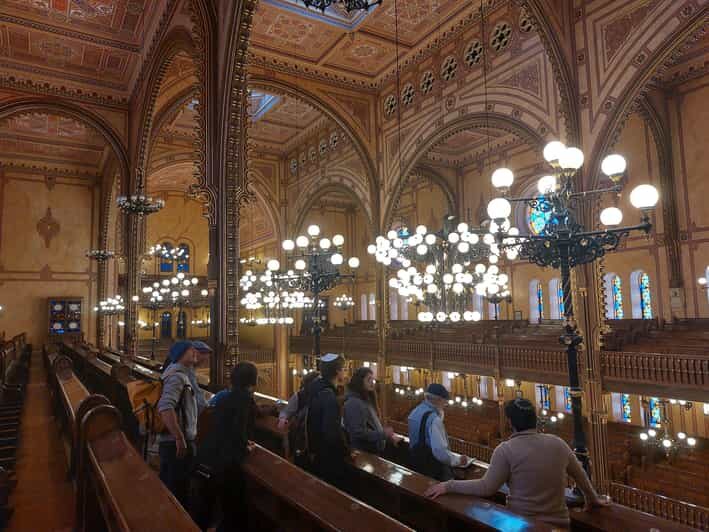
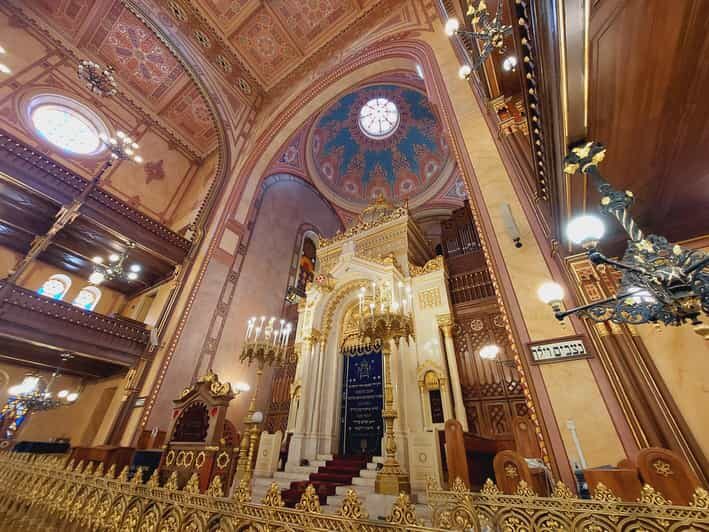
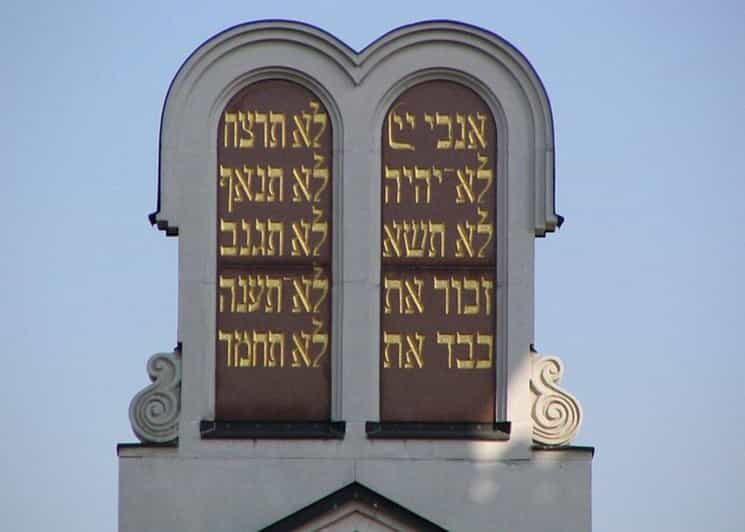
Your visit begins at the Great Synagogue on Dohány Street, a landmark of Budapest’s Jewish Quarter and the largest synagogue in Europe. Its Moorish Revival style dates to the 1850s, and the effect is immediate: this is a monumental building, with decorative detail that rewards a slower look.
Priority entry means you can bypass the ticket line. That can be useful at a popular site, though it does not make the visit private or remove the need to follow the synagogue’s entry rules. Dress with shoulders and thighs covered. If you arrive without suitable clothing, covers are available to buy on site. Men can borrow head coverings at the entrance.
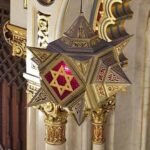
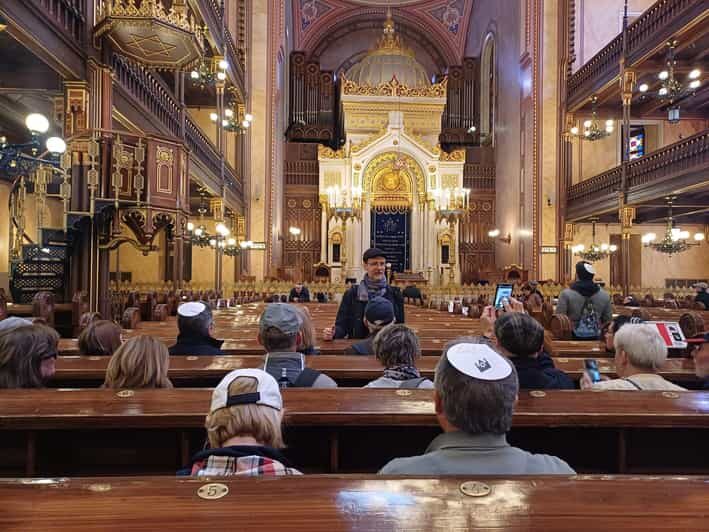
Inside, the guide points out details that might otherwise blur together in a grand room: ornament, layout, and the historic organ associated with Franz Liszt. The building is impressive on its own, but its meaning is easier to grasp when someone explains how it served the Neologue Jewish community and fits into Budapest’s story.
This is a place of worship as well as a historic site, so the best approach is attentive and respectful. Flash photography is not allowed. You can bring a camera, but keep it ready for non-flash shots and follow any instructions from staff.
You can also read our reviews of more museum experiences in Budapest


A short guided visit, with a lot to take in
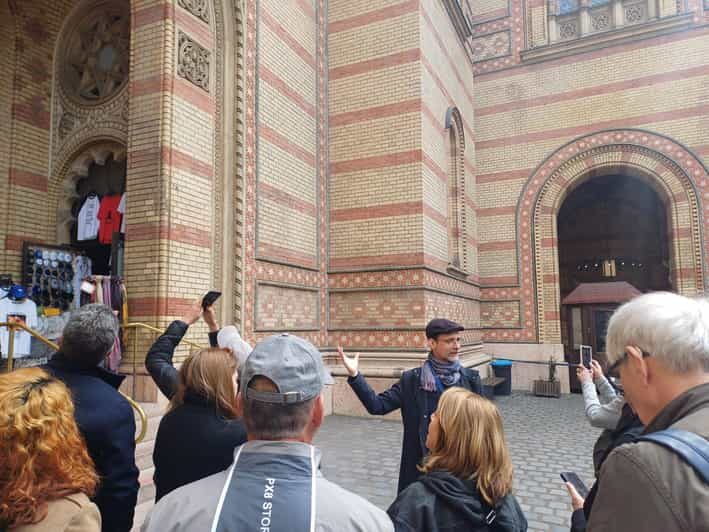
The guided portion is listed as 45 minutes. In that time, the guide introduces the synagogue, the community connected to it, and the memorial park. That compact format is handy if your schedule is tight, but it does call for focus. You are getting an overview, not an extended seminar on Hungarian Jewish life.
The most praised guides are Flavia, Milan, and David. The details that matter are less about a particular name than the style described: clear explanations, personal stories, serious but welcoming delivery, and room for questions. If your guide shares that approach, the historical facts become easier to hold onto, especially when the subject shifts from architecture to persecution and loss.
A short tour can also leave some topics underexplained. One visitor wanted more about Jewish rituals, while another wished for more attention to present-day life. If those questions matter to you, ask during the guided portion, or use the museum visit to follow up on subjects that interest you. The guide’s time is limited, so specific questions are likely to be more useful than hoping for a full account of every period.
The route covers weighty material. Expect the guide to discuss the Holocaust and the fate of Budapest’s Jewish community with care, rather than treating the site as a quick architectural stop. That seriousness is part of what makes the visit worthwhile, but it also means this may not be the right choice if you are looking only for a light, decorative sightseeing experience.
The memorial park and its difficult stories
After the synagogue, the guided visit continues into Raoul Wallenberg Holocaust Memorial Park. Here, the Emmanuel Tree of Life Memorial gives the park a distinct focal point. The memorial is moving, but it is not meant to be a substitute for the human stories the guide helps explain.
The adjoining Holocaust Cemetery is described as the final resting place of more than 2,000 victims of the Budapest Ghetto. This part of the visit asks for a quieter pace. It is a place to pause, listen, and understand the scale of what happened, rather than rush through for a photograph.
The guide also discusses the Righteous Gentiles who risked their lives to save others. That thread matters because it adds acts of courage to a history otherwise marked by persecution and loss. It does not lessen the tragedy; it helps show the range of choices people faced under extreme danger.
The memorial park is one reason I would choose a guided visit over walking through the complex without context. The building’s visual impact is plain to see, but the memorials need explanation to connect their symbols and setting with the people they commemorate.
The Jewish Museum is yours to explore
Your ticket includes entry to the Hungarian Jewish Museum and Archives. The guided portion concludes at the museum, where you can continue at your own pace among artifacts, documents, and exhibitions about Jewish heritage in Hungary.
That distinction is worth keeping clear when you plan. The synagogue and memorial park are part of the guided visit, while the museum is an independent visit afterward. The total time you spend at the complex can therefore be longer than 45 minutes, depending on how carefully you explore the exhibits.
I would not rush straight through the museum just because the guide’s portion is short. Use it to revisit a subject that caught your attention, or to get a broader view of community life beyond the synagogue and Holocaust memorials. The exhibits offer a different kind of encounter: objects and documents give historical detail a tangible presence.
The museum is also a useful counterweight to the memorial park. The tour deals with tragedy, but Jewish heritage in Hungary spans centuries and includes traditions, community life, and cultural history. The exhibits help widen the frame.
More Great Tours NearbyIs $44 fair value?
At $44 per person, this is not a bargain if you measure value only by the 45-minute guided portion. The cost makes more sense when you count the synagogue admission, museum entry, memorial park access, and the guide’s context. Priority entry is an extra convenience, not the main reason to book.
The museum visit is self-paced, so you can spend more time on the site than the guided duration suggests. If you are interested in Jewish history or architecture, that added access helps justify the price. If you want only a brief look at the synagogue interior, the cost may feel steep.
The guide’s contribution is central to the value. Visitors have singled out Flavia, Milan, and David for clear storytelling, sensitivity, and an ability to make history understandable. That kind of presentation matters here: the subject is complex, and a good explanation can make a short visit far more useful.
One practical wrinkle is that opening times can affect how much time you have. A visitor noted that Friday closing at 4 pm left little time for the guided visit and museum afterward. Check the available starting times before booking, particularly if you are going on a Friday, and avoid assuming the museum portion will fit comfortably after a late tour.




Who should book this visit?
This tour suits you if you want a focused introduction to Budapest’s Jewish heritage, prefer a guide for sites with difficult history, or have limited time and want the main locations connected in one visit. It can also work well for families: one parent reported that the explanations held the interest of children aged 10 and 12.
It is especially useful if this will be your first stop in the Jewish Quarter. The visit provides context for the synagogue, the memorials, and the museum, then leaves you in a central location to continue exploring nearby streets. It is not a complete tour of Jewish Budapest, though. The 45-minute guided section is an introduction, and the independent museum visit adds breadth rather than more guided discussion.
If you want an extended conversation about contemporary Jewish life, rituals, or every chapter of Hungarian Jewish history, this may feel too short. If your aim is to see the major site and memorials with a sensitive guide, then spend additional time with the exhibits, the format makes sense.
Practical details before you go
Wear comfortable shoes, since you will move through the synagogue and memorial park, and dress for the weather. A hat and water can be useful outdoors. The site is wheelchair and stroller accessible.
The live guide is listed as English-speaking. The activity duration is 45 minutes, but check the available start times, especially near closing. The ticket includes the synagogue, the Hungarian Jewish Museum, and Holocaust Memorial Park, with museum exploration at your own pace.
Should you book it?
Book this if you value context as much as the sight itself. The synagogue is visually striking, but the guide and memorial park give the visit its substance, while the museum lets you continue exploring after the guided portion ends. At $44, it is best seen as a compact, history-focused experience with several admissions included, not as a long guided tour.
Skip it if you only want a quick architectural look or need a detailed, extended discussion of present-day Jewish life. For a first visit to Budapest’s Jewish Quarter, though, this is a thoughtful place to start. Choose an early enough time to leave room for the museum, and bring questions you would like the guide to address.
Budapest: Dohány Synagogue & Jewish Museum w/Prio Entry
FAQ
How long does the guided visit take?
The guided portion lasts about 45 minutes. You can continue through the Hungarian Jewish Museum at your own pace, so your total time at the site may be longer.
What is included in the ticket?
The ticket includes priority entry to the Dohány Synagogue, a guided tour of the synagogue and memorial park, entry to the Hungarian Jewish Museum, and access to Holocaust Memorial Park.
What language is the live guide in?
The activity is listed with an English-speaking live guide.
What should I wear to the synagogue?
Shoulders and thighs must be covered. Covers are available to buy on site, and men can get a head covering at the synagogue entrance.
Can I take photographs?
You can bring a camera, but flash photography is not allowed.
Is the site wheelchair and stroller accessible?
Yes. The activity information describes the site as wheelchair and stroller accessible.
You can check availability for your dates here: