ʻAuana brings Hawaiian stories to a Cirque du Soleil stage, with hula, aerial acrobatics, comedy, and live music shaping eight short chapters. I like the contrast between the soaring act about Hina, the moon goddess, and the water-based acrobatics inspired by the legend of Mamala. I also like that cultural experts, including Kumu Hula Hiwa Vaughan, helped shape the production.
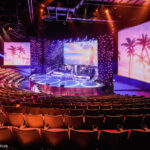
The theater at the OUTRIGGER Waikiki Beachcomber Hotel holds 784 people, so the show feels more intimate than a huge arena production. That closeness can make the action easier to follow, though the modest stage may look small if you expect the scale of Cirque’s larger touring shows. The 80-minute running time, with no intermission, is a useful fit for many families.
- Key points before you book
- A Waikiki show built around Hawaiian stories
- From Polynesian voyaging to Hina and Mamala
- Hula, acrobatics, and a live soundtrack
- What the compact theater means for your seat
- Timing, tickets, and the little details that matter
- Is 8 a fair price for the evening?
- Who will enjoy ʻAuana most
- Should you book this Waikiki show?
- FAQ
- Where does ʻAuana take place?
- How long is the performance?
- Which days and times are performances scheduled?
- What is the minimum age for children?
- What is included with a Category 2 ticket?
- Do I need to exchange my mobile voucher?
- Can I choose my seat, and is the theater wheelchair-accessible?
- The Best Of Honolulu!
- More Tickets in Honolulu
- More Tours in Honolulu
- More Tour Reviews in Honolulu
- Not for you? Here's more nearby things to do in Honolulu we have reviewed
Key points before you book
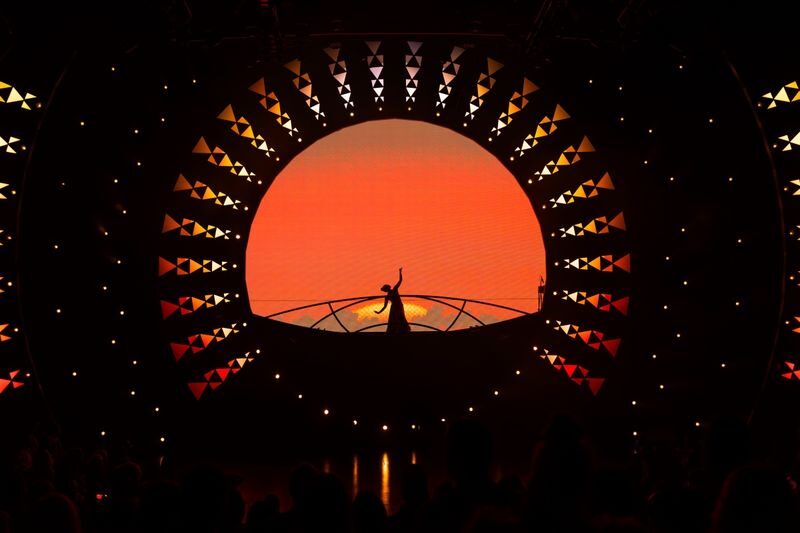
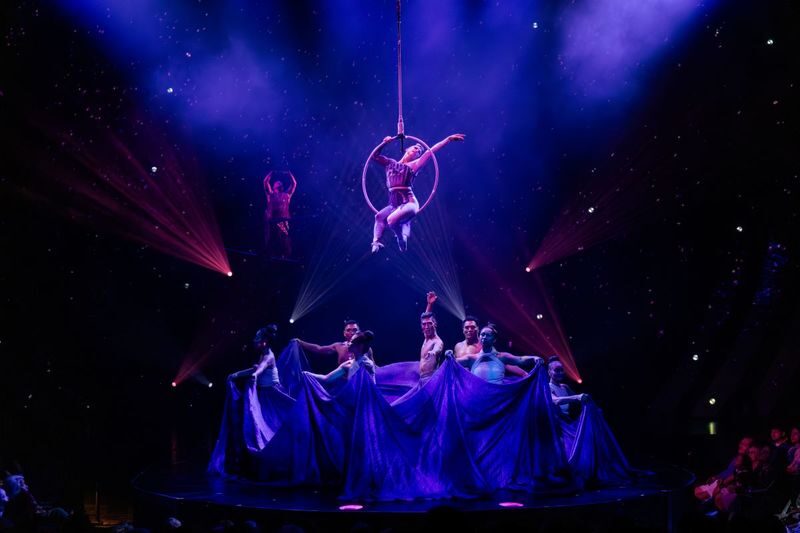
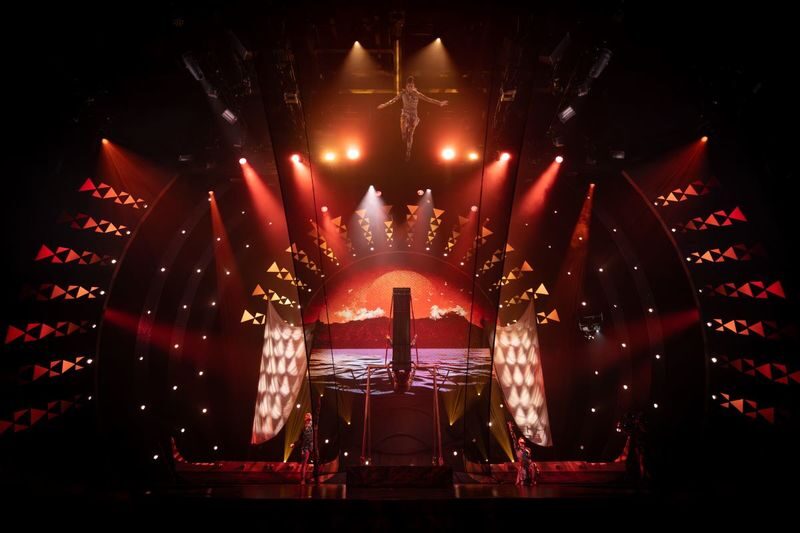
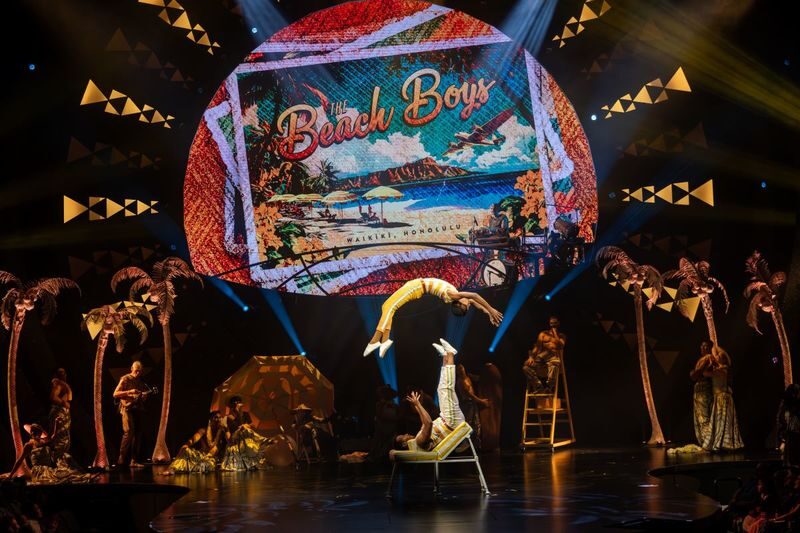

- Eight chapters tell Hawaiian stories: Expect Polynesian voyaging, the legend of Hina, volcanic imagery, and other moʻolelo.
- The format mixes performance styles: Hula, acrobatics, aerial work, live music, comedy, and audience interaction all have a place.
- The theater is compact: The 784-seat room keeps you close to the action, although the stage is smaller than some Cirque productions.
- The show runs 80 minutes without an intermission: Plan to arrive on time and settle in before the opening.
- Tickets start at $128 for Category 2: Golden Circle tickets start at $180, but you cannot select a specific seat when booking.
- Plan for an early arrival: The venue advises arriving an hour ahead, entering the theater at least 15 minutes before showtime, and allowing time to exchange your voucher for a ticket.

👉 See our pick of the 2 Best Workshops And Classes In Honolulu
A Waikiki show built around Hawaiian stories
ʻAuana opened on December 17, 2024, as Cirque du Soleil’s first resident production in Hawaiʻi. Rather than transplanting a familiar Cirque format unchanged, it builds its show around Hawaiian moʻolelo, or stories, and pairs them with the company’s acrobatic style.
That mix is the main reason to choose it over a more conventional stage show. You get the physical feats Cirque is known for, but the acts also refer to island stories, voyaging, hula, and Hawaiʻi’s cultural past. For a visitor with limited time, it offers an evening of entertainment with a distinctly local frame.
The production has eight chapters, each with its own subject and mood. The stories are not simply background decoration for stunts: the show uses movement, music, and theatrical imagery to present them. That approach can be especially appealing if you want a cultural introduction that is lively and visual, rather than a lecture or a museum visit.
The show was directed by Neil Dorward, with cultural input from Dr. Aaron J. Sala and Kumu Hula Hiwa Vaughan. Their involvement matters because a performance drawing on Hawaiian traditions needs more than attractive scenery and costumes to feel rooted in place. The stated aim is to treat the culture with respect while making a theatrical show for a broad audience.
You can also read our reviews of more tours and experiences in Honolulu


From Polynesian voyaging to Hina and Mamala
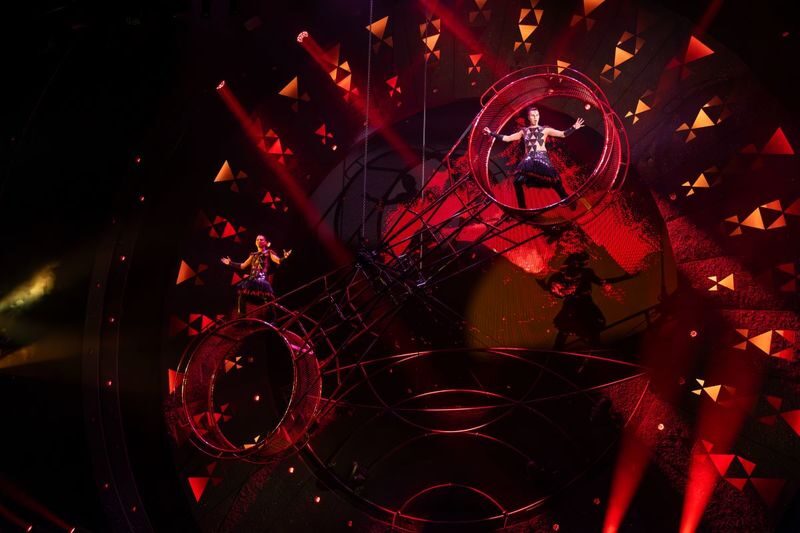
The show opens out into stories of Polynesian migration and ocean navigation. That part gives the production a wider scope than a collection of unrelated circus acts: it points to the voyages that connected Pacific communities and shaped Hawaiʻi’s history. A daring performance inspired by navigation puts physical risk and skill in service of that theme.
Hina, the moon goddess, receives one of the show’s clearest visual treatments. An aerial hoop act gives the story a graceful, suspended quality, a change of pace from more forceful acrobatics. If you enjoy performances where movement carries the meaning, this is likely to be one of the memorable chapters.
The legend of Mamala is represented through water-based acrobatics. The details of the staging are part of the surprise, but the combination of water and movement sets this chapter apart from a standard aerial or tumbling act. It also helps vary the show’s visual rhythm across its 80 minutes.
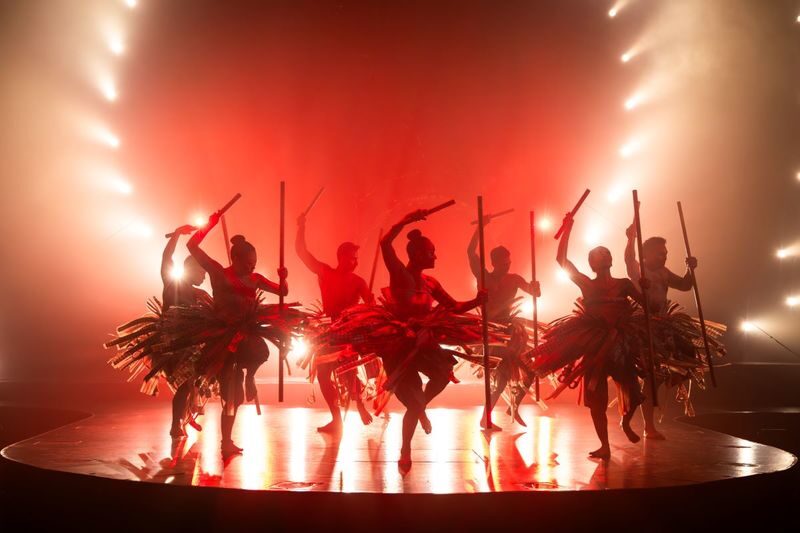
Another section draws on volcanic landscapes through hula and acrobatics. Here the two forms share the stage, linking the show’s athletic side with a dance form that carries cultural meaning. The production also looks at Hawaiʻi’s golden age of tourism, reflecting how the islands’ public image and cultural life have changed over time.
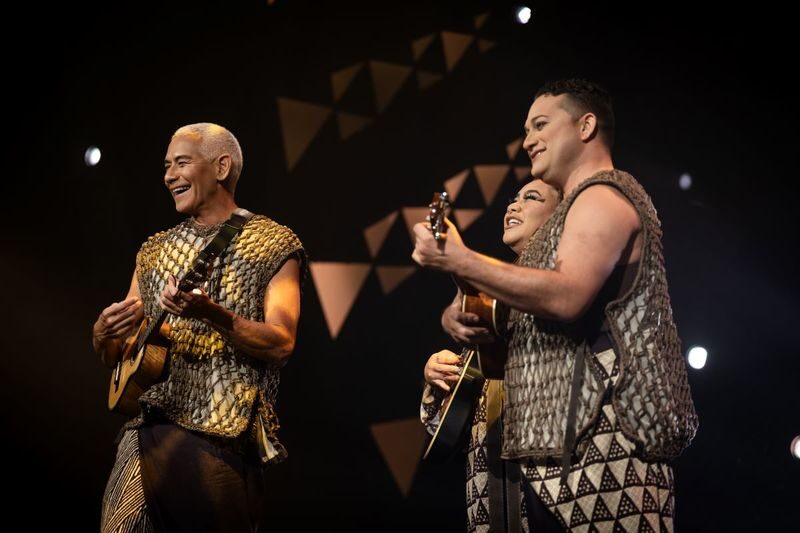
Comedy and storytelling tie the chapters together. An emcee provides lighter moments, and audience interaction makes the performance feel less like a distant spectacle. That can be a plus if you like a show with some warmth and spontaneity. If you prefer a solemn, tightly focused account of Hawaiian history, the comic interludes may feel like a tonal shift.
Hula, acrobatics, and a live soundtrack
The strength of ʻAuana is its range. Hula sits alongside aerial performance, acrobatics, comedy, and live music, so the show does not rely on one kind of spectacle for the full 80 minutes. The changing pace is useful for families and for anyone who finds a long run of high-intensity stunts tiring.
The musical element is worth attention in its own right. The soundtrack helps set the tone for each chapter, from the more lyrical moments to the sections that call for energy and movement. Music also gives the show continuity as it shifts between legends, history, and comedy.
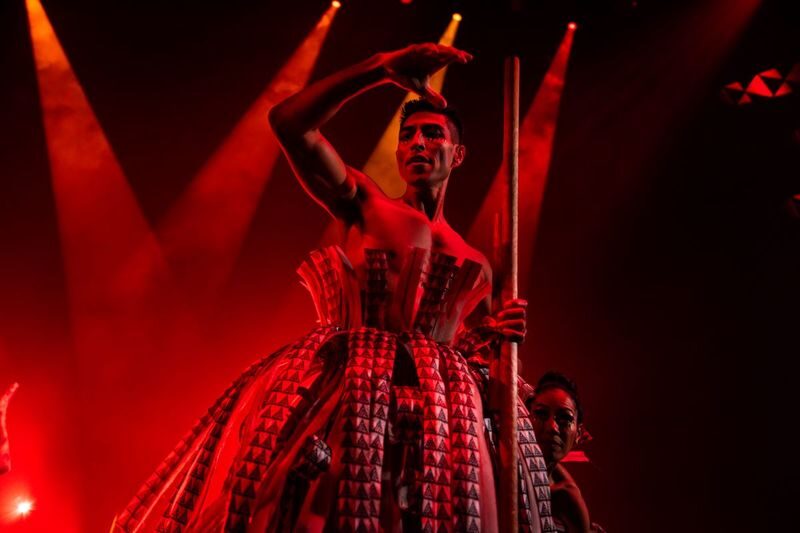
Hula is not just a visual flourish here. It is part of how the production presents Hawaiian culture and stories, and its presence gives the show a different character from other Cirque productions. You should still think of this as a theatrical performance, not a traditional hula lesson or a full cultural program. Its purpose is to entertain while drawing on local forms and stories.
The comedy helps make the material accessible, particularly for children or anyone unfamiliar with the legends. It also creates a more relaxed evening than a purely formal performance. The trade-off is that the show’s tone shifts: a funny exchange may follow a chapter with a more poetic or dramatic feel.
What the compact theater means for your seat
The show takes place in a custom-designed, 784-seat theater inside the OUTRIGGER Waikiki Beachcomber Hotel, at 2300 Kalākaua Avenue. Its scale is smaller than many Cirque venues, and that shapes the experience. You are not looking across a vast arena at distant performers; the room’s intimate size can help you follow facial expression, gestures, and movement.
There is a practical limit to that advantage. If you expect an enormous stage with sweeping sets, the production may feel modest in scale. The spectacle comes from the performers, the act design, music, and storytelling rather than from a giant arena setup.
Tickets are sold in Category 2 and Golden Circle packages. Category 2 starts at $128, while Golden Circle starts at $180. You cannot choose a specific seat through the booking process, so check the seating chart and the arrangement on your voucher rather than assuming you can request a particular spot.
The smaller room appears to work well for sightlines, and comments on the show describe the view as strong from different seats. Still, individual seating arrangements can vary, so do not treat that as a guarantee for a particular seat. If sitting together is important, check the confirmation carefully; one family booking had to adjust plans when the requested seats could not be arranged side by side.
Timing, tickets, and the little details that matter
Performances are scheduled Wednesday through Sunday. The supplied show information lists 5:30 p.m. and 8:00 p.m.; times may change, so rely on the time shown on your voucher. The overview also gives a later evening time, which makes checking your specific booking especially sensible.
The performance lasts about 80 minutes and has no intermission. That is long enough to give the stories room to unfold, but short enough to suit many children. Children must be at least 3 years old to attend, and those aged 12 or older pay the adult rate.
Arrive at the venue about an hour before the showtime, as advised. You should be at the theater at least 30 minutes before the performance and inside at least 15 minutes before it begins. Late entry is not assured: latecomers may be seated only at times chosen by the theater, and nobody is allowed in after the show starts.
Bring your mobile voucher, but be prepared to exchange its QR code for a physical ticket. Direct entry with the QR code may not be accepted. Outside food and drinks are not allowed. Transport, meals, beverages, personal expenses, and gratuities are not included in the ticket price.
The activity is wheelchair-accessible. Confirmation is expected within 48 hours; if it does not arrive, contact customer support. The ticket is valid only for the date and time specified, and cancellations or refunds are not available, so check your plans before booking.
You can also read our reviews of more tours and experiences in Honolulu



Is $128 a fair price for the evening?
At $128 for Category 2, ʻAuana is a significant entertainment expense, especially for a family buying several tickets. The value depends on what you want from the night. You are paying for an 80-minute live production with acrobatics, hula, music, comedy, and Hawaiian storytelling in a theater designed for the show, not just for a short dance performance.
The show’s variety helps justify the price if you want a single, easy-to-plan evening activity that works for different ages. Its compact theater and audience interaction may also make the performance feel more personal than a large-scale show. Families have found the running time manageable for children, though a toddler’s response will depend on the child.
Golden Circle starts at $180, a $52 increase over the Category 2 starting price. The available information does not specify the precise seating advantages of that package, so compare the seating chart and voucher details before paying more. If your priority is simply seeing the show, Category 2 is the more economical choice.
Keep in mind that transport and food are extra. You may want to plan dinner around the show, but no meal or drink is included. The ticket’s no-refund terms also make it worth confirming your date, time, and family plans before you commit.
Who will enjoy ʻAuana most
I’d put ʻAuana high on the list if you want a Waikiki evening that combines spectacle with local stories. It suits Cirque fans who are curious to see how the company adapts its style to Hawaiʻi, as well as visitors who want a performance that includes hula and Hawaiian themes without taking up an entire evening.
Families with children aged 3 and up may appreciate the 80-minute format, comic moments, music, and changes of pace. The show has no intermission, so plan for children to be seated through the full performance. The minimum age is 3, and children 12 and older pay the adult price.
It may be less appealing if you want a large theater, a long historical account, or a show focused only on traditional dance. The production blends performance styles and uses comedy, so its approach is theatrical rather than documentary. That mix is part of its appeal, but it is worth knowing what kind of evening you are buying.
Should you book this Waikiki show?
Book ʻAuana if you want an engaging, family-friendly performance that connects Cirque-style acrobatics with Hawaiian stories, hula, and live music. Hina’s aerial hoop, Mamala’s water-based acrobatics, and the sections on Polynesian voyaging give the show a clear identity beyond its stunts.
Think twice if the price is a strain, if you expect a massive stage, or if your plans might change. For the best fit, check your showtime, review the seat category, arrive early, and treat the ticket as a fixed-date commitment. For many visitors, that is a worthwhile trade for an evening that feels specific to Hawaiʻi rather than interchangeable with a show anywhere else.
Auana by Cirque du Soleil Show Ticket in Honolulu
“The venue and stage were on smaller size compared to other Cirque show, but thata did not diminish the show at all~! I really like the whole show i…”
FAQ
Where does ʻAuana take place?
The show is at the OUTRIGGER Waikiki Beachcomber Hotel, 2300 Kalākaua Avenue, Honolulu, Hawaiʻi.
How long is the performance?
The show runs for about 80 minutes and has no intermission.
Which days and times are performances scheduled?
Performances are listed Wednesday through Sunday, at 5:30 p.m. and 8:00 p.m. Show hours can change, so check the time on your voucher.
What is the minimum age for children?
Children must be at least 3 years old to attend. Children aged 12 and older pay the adult rate.
What is included with a Category 2 ticket?
The Category 2 ticket includes admission to ʻAuana, along with live entertainment tax and processing fees.
Do I need to exchange my mobile voucher?
Yes. Be prepared to exchange the QR code voucher for a physical ticket, as the QR code may not be accepted for direct entry.
Can I choose my seat, and is the theater wheelchair-accessible?
You cannot choose a specific seat when booking; check your voucher for your seating arrangement. The activity is wheelchair-accessible.