The late-afternoon timing is the hook: you explore the Vatican Museums with a guide and reach the Sistine Chapel near closing, when the visit may feel calmer than at busier times. It is a good way to make sense of a vast collection without trying to plan every gallery yourself.
I like two things in particular: priority entry saves time at the door, and the guide gives context to works you might otherwise pass without understanding. The small-group format, listed for up to 15 participants, also gives you a better chance to follow the commentary.
The trade-off is that three hours of walking and stairs can be tiring, and the late slot leaves little room to linger after the tour. The Sistine Chapel is subject to its own rules, including no mobile-phone use, so this is a focused visit rather than a leisurely, anything-goes wander.
- Key points to know before you book
- Why a late Vatican visit can work well
- Getting inside without the regular ticket line
- The Pinecone Courtyard and the first art stops
- Reading the Gallery of Maps
- Ending in the Sistine Chapel
- What the guide adds
- Is the price worth it?
- Practical details that can make the visit smoother
- Who should book this Vatican tour?
- FAQ
- How long is the tour?
- Where do I meet the guide?
- How early should I arrive?
- What is included in the price?
- How large is the group?
- What should I wear?
- Can children join the tour?
- Is the tour wheelchair- or stroller-accessible?
- Can I use my phone or bring a large backpack?
- The Best Of Rome!
- More Museum Experiences in Rome
- More Tours in Rome
- More Tour Reviews in Rome
- Not for you? Here's more nearby things to do in Rome we have reviewed
Key points to know before you book
 1 / 6
 2 / 6
 3 / 6
 4 / 6
 5 / 6
 6 / 6
- Late-day timing: Departures are offered at 16:00, 16:15 and 16:30, with returns around 19:00 to 19:30.
- Priority museum entry: The ticket helps you avoid the regular ticket line, but everyone still passes through security.
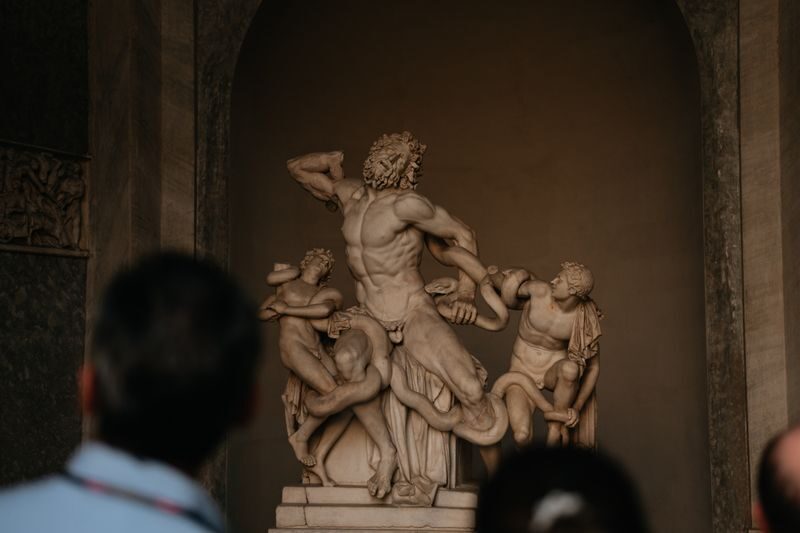
- Art with a guide: Expect commentary on the Apollo Belvedere, Laocoön and Sons, the Gallery of Maps and Michelangelo’s Sistine Chapel frescoes.
- Small-group format: The participant details list groups of 1 to 15, making this a more personal option than touring on your own in a crowd.
- Dress and bags matter: Cover your shoulders and knees, bring valid ID, and leave large backpacks behind.
- Not for every pace: The route includes considerable walking and stairs, and it is not wheelchair- or stroller-accessible.
👉 See our pick of the 25 Best Guided Tours In Rome
Why a late Vatican visit can work well
The Vatican Museums are immense, and even a full day would not let you see everything. This three-hour tour makes a practical choice for you: focus on a set of major works, hear why they matter, and avoid spending your limited time working out where to go next.
The late-afternoon schedule is designed to begin about three hours before closing. That timing sets up a visit to the Sistine Chapel near the end of the day, when the tour aims for a quieter atmosphere. It cannot promise an empty chapel, and museum traffic can still be heavy, but the timing is a real advantage if you prefer not to start your day in a large crowd.
You can choose a departure at 16:00, 16:15 or 16:30. The corresponding return times are listed as 19:00, 19:15 or 19:30, though the available pairing depends on the option you book. Treat the end time as an estimate: the schedule may change with conditions, and galleries can close without notice.
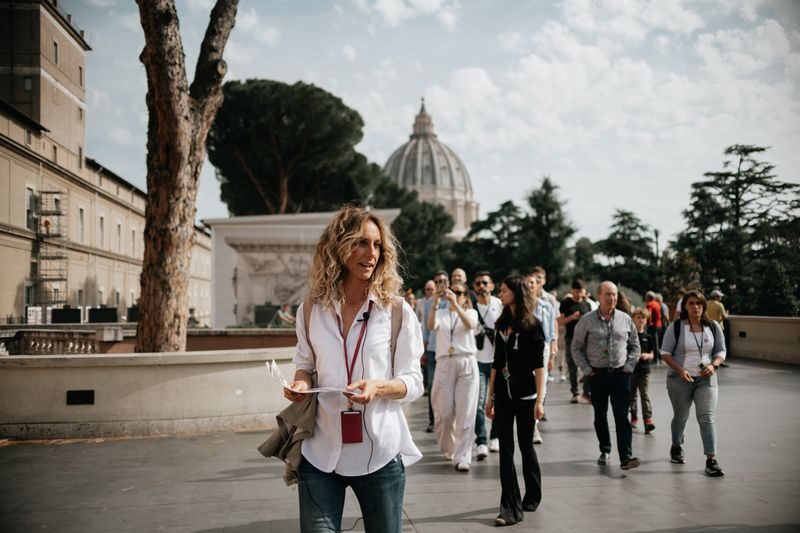
The meeting point is Touristation Cappella Sistina at Viale Vaticano 95. Cipro is the nearest Metro station. Arrive 15 minutes early and look for the guide holding a green Walks sign. Late arrivals and no-shows are not refundable, so leave yourself enough time to find the meeting point.
You can also read our reviews of more museum experiences in Rome

Getting inside without the regular ticket line
Your ticket includes skip-the-line entry to the Vatican Museums. That means you bypass the usual ticket queue, not every step at the entrance: all visitors still pass through security. A priority ticket can save precious time, but it is sensible to expect checks and possible delays at security.
The tour is operated by Walks, which has an official ticketing agreement with the Vatican Museums. That matters because access to the collection depends on valid admission, while the guide handles the route and the commentary. You still need to follow the museum’s entry rules and bring a valid ID.
The meeting location is outside the museums, not a hotel pickup point. Transport to and from the site is not included, nor are personal expenses or gratuities. Plan your route to Viale Vaticano before the day of the tour, especially if you are arriving from another part of Rome.
The Pinecone Courtyard and the first art stops
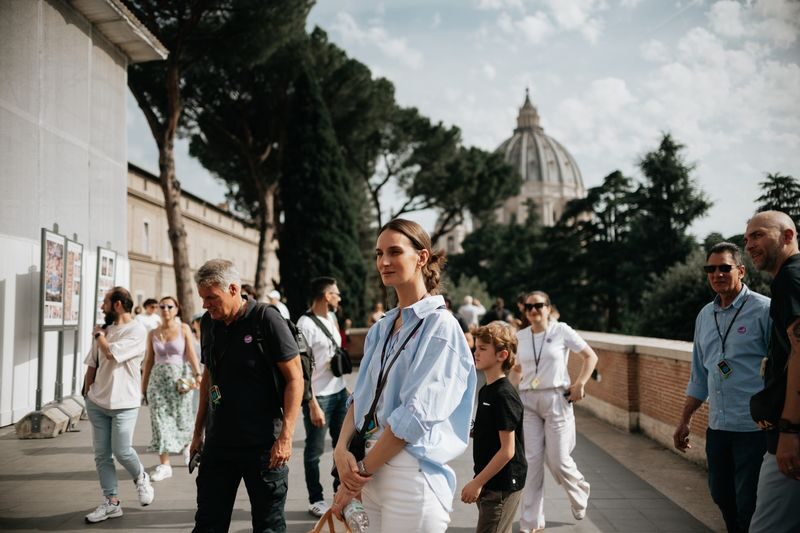
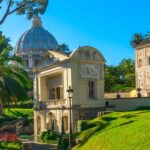
Once inside, the route starts with museum spaces that help you get oriented. The Pinecone Courtyard gives the group a chance to pause outdoors amid the museum complex before moving into the galleries. It is a useful breather, though the main draw is what comes next.
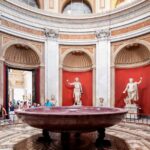
Among the featured works are the Apollo Belvedere and Laocoön and Sons. These ancient sculptures are more than famous names on a list: a guide can point out details and explain why they have mattered to artists and viewers over time. That context helps turn a quick look into a more attentive one.
A guided pace also helps in a place where it is easy to feel overwhelmed by the sheer quantity of art. You do not have to choose between reading every label and rushing through the rooms. The guide selects the stops and provides a thread to follow, though you will have less freedom to linger wherever you like.
Reading the Gallery of Maps
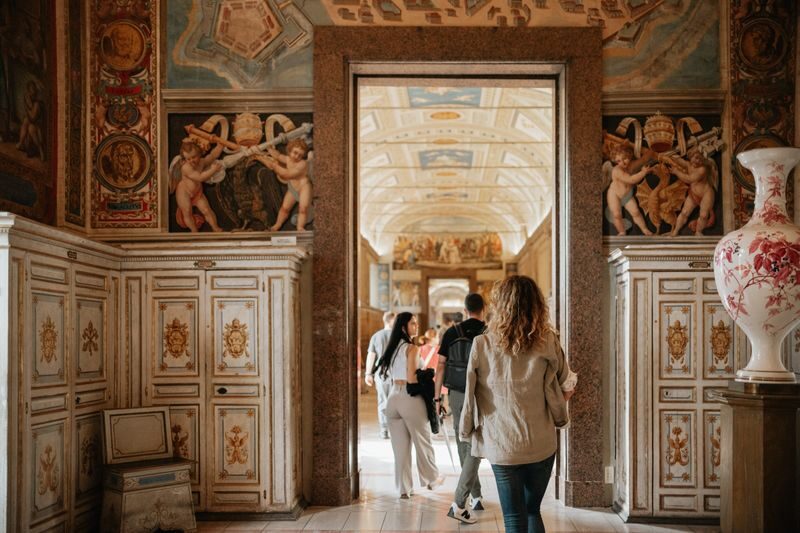
The Gallery of Maps is one of the tour’s named highlights. Its long stretch of historic cartography offers a change of pace from sculpture and religious painting. Maps can be beautiful objects, but their importance is not always obvious at first glance; an explanation can help you notice how they represent places and ideas from another era.
This stop suits you especially well if you enjoy visual details as much as headline masterpieces. At the same time, a guided tour has a set duration. If a particular map catches your eye, you may need to take it in quickly and keep with the group rather than explore each section at your own speed.
Museum galleries can close without notice, and works may be removed for restoration or loan. If a planned area is unavailable, the guide may substitute another section. That flexibility is useful, but it means no fixed route can guarantee every gallery or object on the day.
Ending in the Sistine Chapel
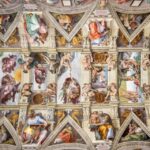
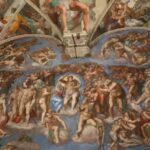
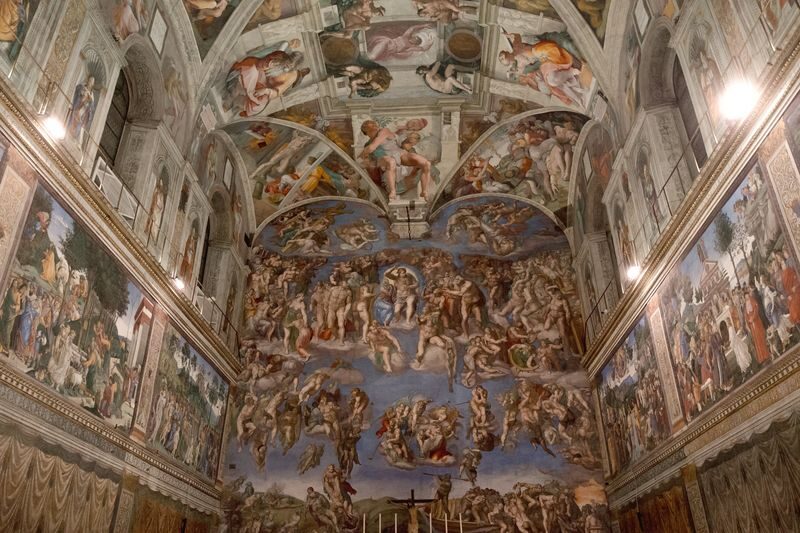
The tour concludes with a visit to the Sistine Chapel, where Michelangelo’s frescoes are the central attraction. Seeing the ceiling and other paintings in person is a different experience from seeing them in books, but the chapel is also a religious space with strict rules. You must cover your shoulders and knees, and mobile-phone use is not allowed inside.
The late timing is meant to make this final stop more serene. Crowd levels can vary, so do not book on the assumption that you will have the chapel to yourself. Still, placing it at the end gives the visit a clear finish and lets you arrive with some context from the art and stories encountered earlier.
The museum experience is not simply a march toward Michelangelo. The sculptures, courtyard and map gallery make the route more varied, and the guide’s interpretation helps connect the stops. If you prefer to spend a long time in one room, though, an independent visit may suit you better.

What the guide adds
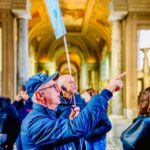
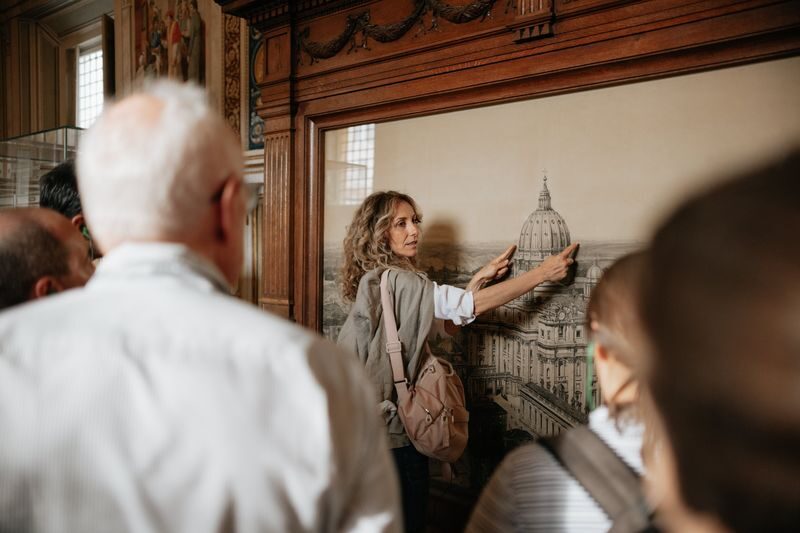
The main value of the guide is interpretation. In a collection this large, you can see famous works without knowing what to notice or why they are significant. A strong guide gives you a framework, points out details, and keeps the visit moving without reducing it to a list of names.
Guides who have led this tour include Ilaria, Marco and Giovanni. They have been described as lively and thorough, with particular praise for explanations that make the art easier to appreciate. Guide assignments can change, so you should not book expecting a specific person. The reliable feature is that an English-speaking guide and headsets are included.
Headsets are practical in a group. They help you hear commentary while the guide moves through busy museum spaces, though they do not remove the need to keep up with the route. The listed group cap is 15 participants, a modest size for a major museum tour. One promotional detail describes groups of 18 or fewer, but the participant information gives the more specific cap of 15.
Is the price worth it?
The advertised price starts at $98.19, while the join-in option is also shown from $85.39. Prices may depend on the selected package, so check the exact option and total before booking. The key point is that admission, priority entry, an English-speaking guide and headsets are included.
For many people, the guide is the deciding part of the value. You can visit the museums on your own, but it takes preparation to build a route and understand the works in context. Here, the ticket and the expert commentary are bundled into a three-hour visit, which is useful if you want structure and have limited time in Rome.
The higher cost is less persuasive if your main goal is to move at your own pace or spend a long time with a handful of works. You are paying for organized entry and interpretation, not private access or unlimited time. Compare the package price with a self-guided visit, then ask whether the guide’s context is worth the difference to you.
Practical details that can make the visit smoother
Wear clothes that cover both shoulders and knees. The dress rule applies to all visitors, regardless of gender, and the operator cannot take responsibility if you are denied entry for unsuitable clothing. A light layer can be handy if your outfit would otherwise leave your shoulders uncovered.
Bring a valid ID and keep your bag small. Only small backpacks and handbags are allowed inside, and security checks apply to everyone. The tour is not wheelchair- or stroller-accessible, and it involves considerable walking and stairs, so consider your comfort and mobility before booking.
Children aged 0 to 1 can join free, but infants and children still need to be included in the passenger headcount. Children from 0 to 14 must be accompanied by a paying adult, and those aged 15 or older pay the adult rate. The voucher is valid only for the date and time selected.
You can cancel for a full refund at least 24 hours before the activity date, using the destination’s local time. If extreme weather or another unforeseen event leads the operator to cancel, you can choose to reschedule or request a full refund.
Who should book this Vatican tour?
This tour is a good fit if you want the major museum highlights explained, value a shorter wait for entry, and prefer a guide to set the pace. It is especially practical for a first visit, when the museum’s scale can make choosing a route daunting. The late slot also works for anyone who would rather reserve the morning for another part of Rome.
It is less suitable if you need wheelchair or stroller access, dislike stairs, or want to spend hours on your own in the galleries. It also requires punctuality: arrive 15 minutes early, because latecomers and no-shows cannot receive a refund.
I would book it if your priority is a well-organized overview ending with the Sistine Chapel, and if the listed price fits your budget. If you are happiest lingering without a group schedule, buy admission independently and make your own route. For everyone else, the combination of priority entry, a small group and clear art-focused commentary makes this a sensible way to tackle one of Rome’s biggest visits.
Afternoon Vatican Museums and Sistine Chapel Tour
“guide: our tour guide is fun and knowledgeable, Guiovanni”
FAQ
How long is the tour?
The tour lasts about three hours. Departures are offered at 16:00, 16:15 and 16:30, with return times around 19:00 to 19:30 depending on the selected option.
Where do I meet the guide?
Meet at Touristation Cappella Sistina, Viale Vaticano 95, Rome. The closest Metro station is Cipro, and the guide will be holding a green Walks sign.
How early should I arrive?
Arrive 15 minutes before your selected departure time. Late arrivals and no-shows are not refundable.
What is included in the price?
The tour includes an English-speaking guide, headsets and a skip-the-line ticket to the Vatican Museums. Hotel transfers, personal expenses and tips are not included.
How large is the group?
The participant details list group sizes of 1 to 15 people.
What should I wear?
Cover your shoulders and knees. The Vatican may deny entry for clothing that does not meet this requirement.
Can children join the tour?
Yes. Children aged 0 to 1 are free but must be included in the passenger headcount. Children aged 0 to 14 must be accompanied by a paying adult, and those aged 15 or older pay the adult rate.
Is the tour wheelchair- or stroller-accessible?
No. The activity is not wheelchair- or stroller-accessible and involves considerable walking and stairs.
Can I use my phone or bring a large backpack?
Mobile phones are allowed except in the Sistine Chapel. Only small backpacks and handbags are allowed inside the Vatican Museums.