Lisbon’s grand squares, churches and monuments tell only part of its story. On this three-hour walk, guide Logan connects familiar streets to the people and events often left out of the standard account: the arrival of enslaved people, Black communities that made homes in Lisbon, and the lasting effects of slavery on Portuguese society.
I like two things in particular: the tour puts human stories alongside major landmarks, and it carries those stories into the present rather than treating them as a closed chapter. Logan also welcomes questions and offers local tips, so the walk can help you understand both the city’s past and how to spend the rest of your visit.
The main consideration is the route. It is a moderate three-hour walk with hills, so comfortable shoes and reasonable stamina matter. The subject is serious, too. Go ready for a thoughtful look at slavery and its legacy, not a light sightseeing stroll.
- The story behind the squares and streets
- From Praça do Comércio to Campo das Cebolas
- Churches, brotherhoods and the uphill streets
- Rua do Poço dos Negros and the route’s final stretch
- Logan’s approach and the value of the tour
- Who should make time for this walk
- Should you book it?
- Key points
- FAQ
- How long is the Lisbon Black History Walking Tour?
- How much does the tour cost?
- What language is the tour in?
- Where does the tour start?
- Where does the tour finish?
- Which places are included on the route?
- What should I bring?
- Is the walk physically demanding?
- Is the tour suitable for wheelchair users?
- Are food and drinks included?
- The Best Of Lisbon!
- More Walking Tours in Lisbon
- More Tours in Lisbon
- More Tour Reviews in Lisbon
- Not for you? Here's more nearby things to do in Lisbon we have reviewed
The story behind the squares and streets
 1 / 5
 2 / 5
 3 / 5
 4 / 5
 5 / 5
Lisbon’s Black history is not confined to a museum or a single memorial. This walk follows it through central squares, churches, old neighborhoods and streets that remain part of daily life. That setting matters: you are not just hearing about the city’s past in the abstract, you are standing in places tied to the arrival, work, faith and community life of Black people in Lisbon.
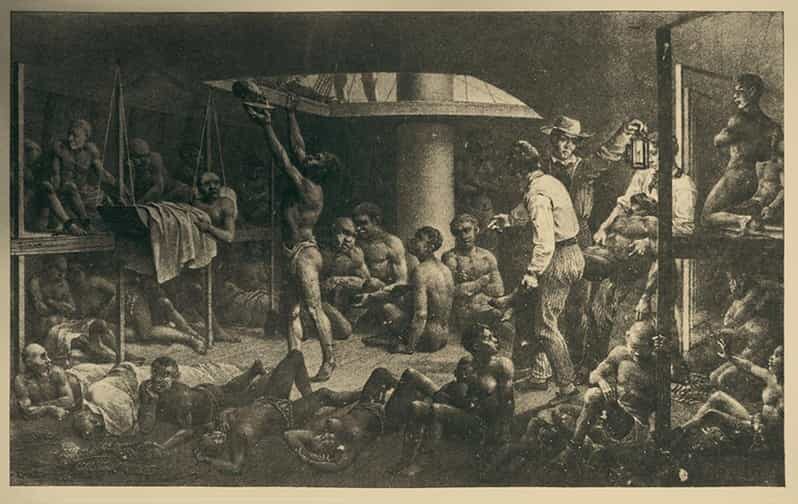
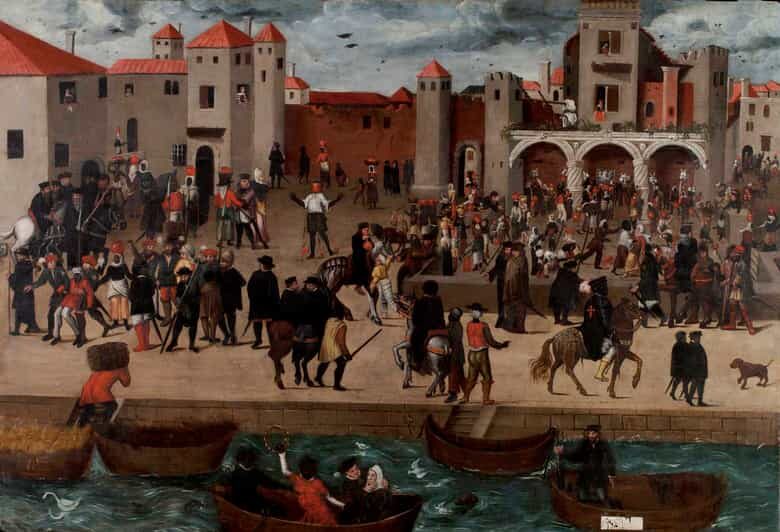
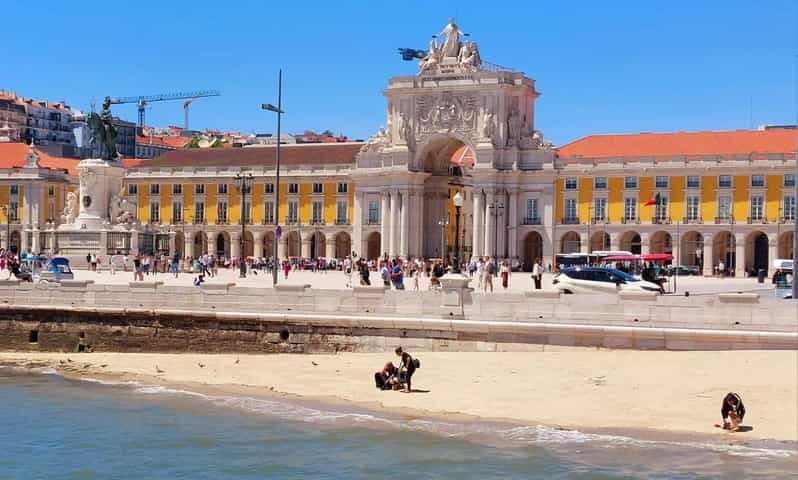
The tour begins at Praça do Comércio, the broad riverside square. From here, Logan explains how enslaved people arrived in Lisbon and how Portugal was involved in the origins of the transatlantic slave trade. The subject can be difficult, but the guide’s role is to make the facts clear and give you room to ask questions.
As the walk continues, the focus shifts from systems of enslavement to lives lived within them. You hear about enslaved women working in city markets, Black religious brotherhoods that offered mutual aid and a measure of dignity, and burial places that have been absorbed into the modern city. These details help make the history specific. They show people building community and finding ways to endure, not simply appearing as figures in a broad account of empire.
The route also visits areas described as the first Black neighborhoods outside Africa. There, the focus is on how Black Lisboetas lived, worked, prayed and formed communities. The walk’s value is partly in connecting those histories to the streets you can still see, even when the visible city gives little sign of what happened there.
You can check availability for your dates here:
👉 See our pick of the 19 Best Shopping Tours In Lisbon
From Praça do Comércio to Campo das Cebolas
Praça do Comércio is both the starting point and the first major stop. Its riverside setting gives Logan a place to introduce Lisbon’s role in the Black Atlantic world and the arrival of enslaved people in the city. The scale of the square can make it easy to focus on architecture and views. This tour redirects your attention to the human history tied to the waterfront.
Next comes Campo das Cebolas, where the guided walk continues through the riverside area. The value of this stop is less about a single monument than about reading the city as a working place shaped by trade and movement. Logan’s explanations help connect the broad history introduced at the square to the everyday life of the city.
The walk then reaches Praça da Figueira. Here, the tour brings in stories of Black life and work in the city, including enslaved women’s work in markets. That perspective is useful because it moves beyond rulers and explorers to the people whose labor was part of Lisbon’s ordinary routines.
You can also read our reviews of more walking tours in Lisbon

Churches, brotherhoods and the uphill streets
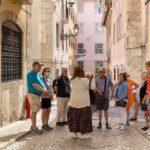
At the Church of St. Dominic, there is time for a photo stop and guided explanation. Churches are prominent features of Lisbon, but this tour looks beyond their architecture to the role of Black religious brotherhoods. These groups offered mutual aid and a sense of dignity in difficult circumstances. That context adds a social dimension to the city’s religious history.
Igreja de São Roque is another stop for a visit, photos and interpretation. The route uses these well-known religious sites to show how Black history is present within the city’s broader cultural and spiritual story. You do not need prior knowledge of Portuguese history to follow along, and the guide’s willingness to take questions helps keep complex topics accessible.
From there, the route moves into Bairro Alto. The walk here includes more of the neighborhood history and the lives of Black residents who made communities in Lisbon. Expect a change in terrain as the route climbs through the city. The hills are part of the practical equation: take the three-hour duration seriously, wear sturdy, comfortable shoes and bring water.
A stop at Miradouro de Santa Catarina offers scenic views along the way. It is a welcome pause in the walk, and a chance to take in the city from above while keeping the historical thread in view. The route includes beautiful sights, but this is not a view-only tour. The guide’s stories remain the main attraction.
Rua do Poço dos Negros and the route’s final stretch
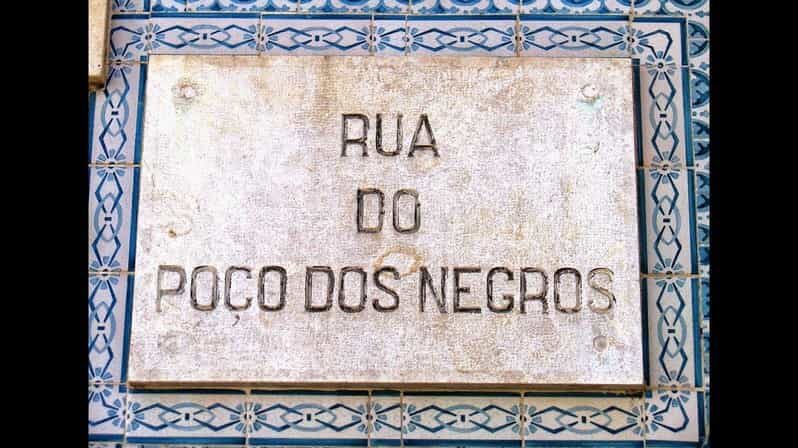
Rua do Poço dos Negros is a particularly significant stop, both for its name and for the Black history associated with the area. The tour uses the street to discuss burial sites that have been quietly absorbed into the modern city. It is a striking example of how history can remain close at hand without being obvious to someone passing through.
The final guided portion reaches Cais do Sodré. By this point, the walk has linked the riverside arrival point with markets, religious sites, Black neighborhoods and a burial history. The route helps you see central Lisbon through a different frame, then leaves you near a lively part of the city with useful local tips for food, culture and entertainment.
The itinerary is a walking route, not a series of long indoor visits. Most of its meaning comes from listening to Logan explain how the places connect. If you prefer tours built around entering many buildings, this one may not match that expectation. If you want context for streets and landmarks you might otherwise pass without noticing, the format works well.
Logan’s approach and the value of the tour
Logan is the guide named most often in connection with this experience, and the central strength of the tour is his command of the subject and his ability to make it engaging. He answers questions about both historical events and contemporary life, and his explanations connect Black history to familiar parts of Lisbon’s story, including fado, the Monument to the Discoveries, the churches, the earthquake and the dictatorship.
That wider framing is important. A tour about slavery can become a list of facts detached from the city you are visiting. Here, the aim is to show how Black history belongs within the story of Lisbon and how its legacy still shapes Portuguese society. Logan’s care with difficult material helps make the walk informative without turning the subject into a spectacle.
The pace is another practical strength. The walk covers plenty of ground, but it is described as manageable and includes pauses on steep paths. Still, this is a three-hour moderate hike, not an effortless stroll. If you have limited mobility or find hills difficult, consider whether the route is right for you. The tour is not suitable for wheelchair users.
At $44 per person, the price buys more than a route between landmarks. You are paying for a guided historical interpretation that can be hard to piece together on your own, plus local recommendations at the end. For anyone interested in Lisbon’s Black history, the combination of context, places and discussion makes the cost reasonable. It is less compelling if you mainly want a quick overview of the city’s headline sights.
There is one point worth checking before you book: the stated price is $44 per person, but one participant described confusion between a prepaid booking and a donation-based arrangement. Check the payment terms shown at checkout so you know exactly what you are paying and whether anything is expected at the end. Tipping is not listed as included.
More Great Tours NearbyWho should make time for this walk
I would put this tour near the start of a Lisbon visit if you want a fuller picture of the city. It gives you context that can change how you see familiar places on later walks, and the final local tips can help with the rest of your stay. It can also suit families with older children: one participant brought children aged 10 and 12 and found the history worthwhile for them. Because the material is serious, you will know best whether your children are ready for it.
It is especially well suited to people interested in African and diasporic history, Portuguese history, religion, culture or the way public memory gets shaped. You do not need to be an expert. The guide’s explanations and open question time are intended to make the subject approachable while still treating it with care.
For a comfortable walk, bring well-fitting shoes, clothing suited to the weather and a reusable water bottle. Food and drinks are not included, so plan accordingly. The tour is in English and lasts three hours; available start times depend on the date you choose.
You can also read our reviews of more historical tours in Lisbon






Should you book it?
Book this walk if you want to understand Lisbon beyond its familiar monuments and are ready to engage with a difficult, important history. Logan’s explanations, the route through central neighborhoods and the connection between past and present make it a strong choice for a history-minded visit.
Skip it if you need a wheelchair-accessible route, cannot manage hills or want a light, purely scenic outing. Otherwise, at $44, it offers a useful way to see Lisbon with more context than a standard landmarks walk can provide.
Key points
- A three-hour route through central Lisbon: Start at Praça do Comércio and finish at Cais do Sodré, with stops across the old city.
- Black history at familiar landmarks: Hear about enslaved arrivals, market work, religious brotherhoods and burial sites.
- A guide who takes questions: Logan connects past events to Portuguese society and culture today.
- Views as well as history: The route includes a scenic stop at Miradouro de Santa Catarina.
- Plan for hills: Bring comfortable shoes, weather-appropriate clothing and water.
- A serious, useful perspective: This is best for visitors ready to consider slavery and its legacy, not just see the sights.
Lisbon: Black History Walking Tour
FAQ
How long is the Lisbon Black History Walking Tour?
The tour lasts three hours.
How much does the tour cost?
The stated price is $44 per person. Check the payment terms at checkout, as one participant described confusion about prepaid booking and donations.
What language is the tour in?
The live tour guide speaks English.
Where does the tour start?
The starting location is Praça do Comércio.
Where does the tour finish?
The route includes Cais do Sodré as its final listed stop.
Which places are included on the route?
Stops include Praça do Comércio, Campo das Cebolas, Praça da Figueira, the Church of St. Dominic, Igreja de São Roque, Bairro Alto, Miradouro de Santa Catarina, Rua do Poço dos Negros and Cais do Sodré.
What should I bring?
Bring comfortable shoes, clothing suited to the weather and a reusable water bottle.
Is the walk physically demanding?
It is described as a moderate three-hour hike and includes hills. Comfortable shoes and reasonable stamina are advised.
Is the tour suitable for wheelchair users?
No. The tour is not suitable for wheelchair users.
Are food and drinks included?
No. Food and drinks are not included.
You can check availability for your dates here: