Cape Town’s story is written into its streets: in District Six, where a community was uprooted; in the city’s historic civic buildings; and in Bo-Kaap, where color and cultural identity share the same block. This two-hour walk links those places with a local guide, giving you a useful first sense of how the city’s past still shapes its present.
I like two things in particular: the route connects major landmarks to human stories, rather than treating them as photo stops, and the guides make room for questions and personal perspectives. Guides named on this tour include Dylan and Terrence, with other names appearing as Tarrin or Terrin. One consideration: the pace is brisk enough to cover several neighborhoods, so this is an introduction, not a deep visit inside every site.
- The walk in brief
- A strong first walk through Cape Town
- Truth Coffee: a practical starting point
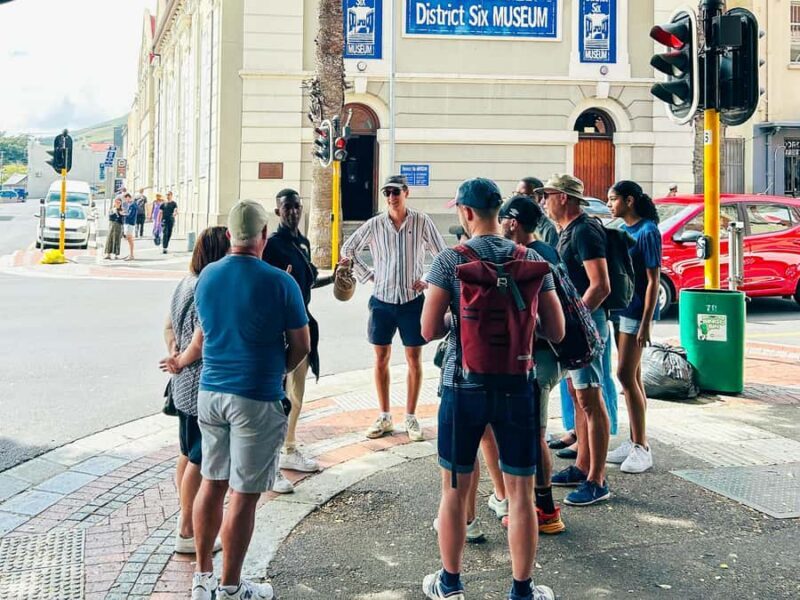
- District Six: history with human consequences
- Grand Parade and the city’s public life
- The Slave Lodge: facing a painful past
- St. George’s Cathedral and nearby landmarks
- Greenmarket Square: crafts and city energy
- Long Street: old and new, at walking speed
- Bo-Kaap: the walk’s colorful finish
- What the two-hour pace means
- Is a fair price?
- Practical details before you book
- Who should take this walk?
- Should you book it?
- FAQ
- How long is the Cape Town walking tour?
- How much does the tour cost?
- Where does the tour begin?
- Where does the walk finish?
- Which places are included on the route?
- What languages are available?
- Is a snack included?
- Are entry fees included?
- What should I bring?
- Can I cancel for a refund?
- The Best Of Cape Town!
- More Walking Tours in Cape Town
- More Tours in Cape Town
- More Tour Reviews in Cape Town
- Not for you? Here's more nearby things to do in Cape Town we have reviewed
The walk in brief
 1 / 10
 2 / 10
 3 / 10
 4 / 10
 5 / 10
 6 / 10
 7 / 10
 8 / 10
 9 / 10
 10 / 10
- Begin at Truth Coffee: Meet your guide at the side entrance. Arriving early gives you the option of trying the café before the walk.
- Hear about District Six: Learn about displacement and the community that once lived here.
- Link history to landmarks: Pass the Grand Parade, Slave Lodge and St. George’s Cathedral as the guide places them in Cape Town’s story.
- Pause at Greenmarket Square: Allow about 10 minutes for the square and its local crafts.
- Finish in Bo-Kaap: Spend about 15 minutes among the area’s painted houses, with time for photos and a look around.
- Bring sun and rain protection: You’ll be outdoors for two hours, and comfortable shoes, water and sunscreen are sensible choices.
👉 See our pick of the 11 Best Shopping Tours In Cape Town
A strong first walk through Cape Town
This is a city-center orientation with a historical spine. Instead of asking you to memorize a string of dates, the route moves from sites of forced displacement and slavery to public squares, churches, busy streets and a neighborhood with a distinctive cultural identity. The result is a more grounded introduction than a walk focused only on architecture or scenic viewpoints.
The tour starts at Truth Coffee Roasting and ends in Bo-Kaap. In between, you cover enough ground to get a feel for the center’s layout and see places you might not seek out on your own. The two-hour limit is useful if you’re short on time, but it also means some stops are brief. Think of this as a city primer, then return to any place that catches your interest.
The strongest part is the guide’s role. Dylan, Terrence and other guides named on the tour have been praised for clear explanations, welcoming conversation and thoughtful answers to questions. Visitors have also valued hearing personal perspectives on identity and daily life in South Africa. That can make a difficult history feel less like a lecture and more like a conversation, though the quality of any tour depends on the guide leading your departure.
You can also read our reviews of more walking tours in Cape Town



Truth Coffee: a practical starting point
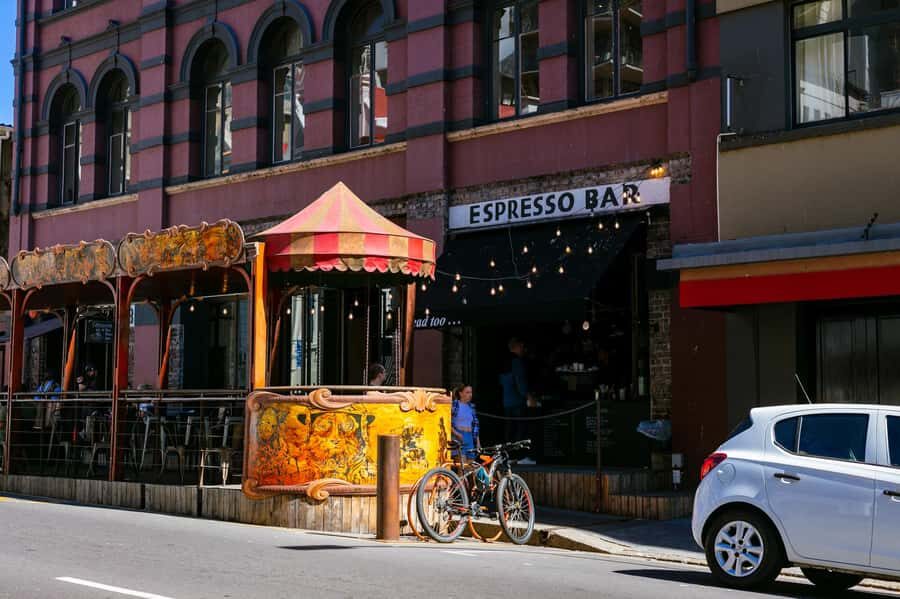
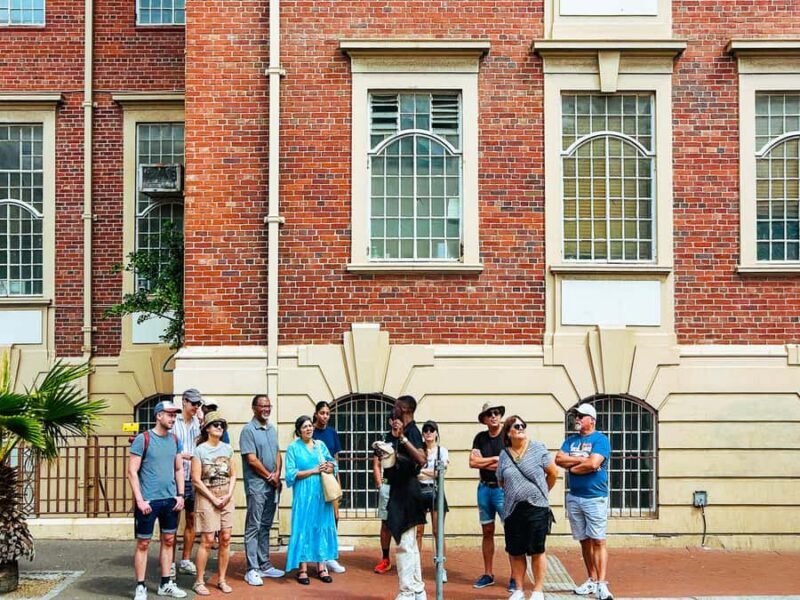
The meeting point is Truth Coffee Roasting. Look for your guide at the side entrance, wearing a black-and-white golfer shirt and a name badge. The café is a handy place to arrive early, settle in and get a coffee before setting off. One useful tip is to leave yourself enough time to find the entrance; a few minutes before the start is better than trying to locate the guide at the last second.
A previous visitor recommended arriving about 30 minutes early to try the coffee. That is a personal preference, not a requirement, but it gives you a relaxed start and avoids turning the meeting point into a hurried search. Transportation to the café is not included, so plan your own way there.
District Six: history with human consequences
The walk’s early stop at District Six brings a difficult chapter into view. The area is associated with the forced removal of residents and the loss of a community that had once thrived there. The guide explains what happened and why the story matters to Cape Town today.
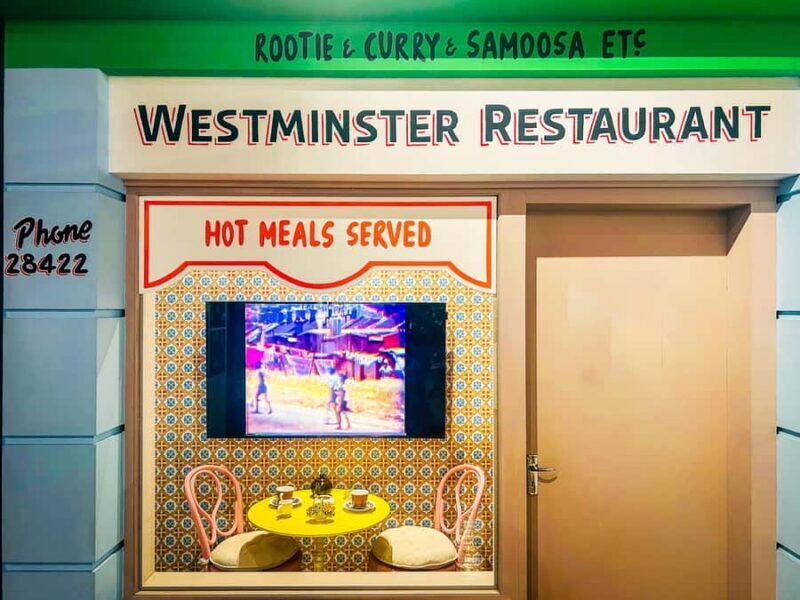
The itinerary includes the District Six Museum as a stop or pass-by, but an entry ticket is not included. Treat this part of the walk as an introduction rather than a museum visit. If you want more time with the subject, you can plan a separate visit; the walking tour helps set the context, but it does not promise time inside every site.
This is the kind of stop that gives the tour its purpose. You aren’t simply ticking off an old building or taking a photograph. You are being asked to connect place with policy, memory and the people affected. The subject is serious, and a two-hour walk can only begin to explain it, but the guide’s account gives you a framework for understanding what you see.
Grand Parade and the city’s public life
The route continues to the Grand Parade, where you have about five minutes for a visit, photos and commentary. A short stop here keeps the walk moving while giving the guide a chance to explain the square’s place in Cape Town’s civic life.
This is a quick look, not a long pause. If you like spending time on architecture or watching daily activity in public spaces, you may wish you had longer. Still, the brief visit makes sense in a route that has several significant stops to fit into two hours.
More Great Tours NearbyThe Slave Lodge: facing a painful past
At the Iziko Slave Lodge, the guide connects the city’s streets to the history of slavery in South Africa. The building is a stark reminder of that history, and this stop adds an essential dimension to the route’s account of Cape Town’s past.
The itinerary describes a guided stop and pass-by, with no entry fee included. Don’t assume that the tour includes a full visit inside. The value here is the guide’s explanation and the way it links the site to other landmarks you’ll see along the walk. If you want to explore exhibits at greater length, set aside time separately.
You can also read our reviews of more city tours in Cape Town






St. George’s Cathedral and nearby landmarks
St. George’s Cathedral brings a different kind of history into the walk. You’ll have about five minutes for a short visit, photos and a guided explanation. The stop adds variety to a route otherwise marked by civic sites and difficult histories, and gives you a chance to look at one of the city’s notable religious buildings.
Some descriptions of the experience also mention visits to churches and sites connected with Nelson Mandela and Desmond Tutu. The listed route names St. George’s Cathedral, so treat any additional church visit or specific monument stop as something that may depend on the guide and the day, rather than a guaranteed part of every tour.
Greenmarket Square: crafts and city energy
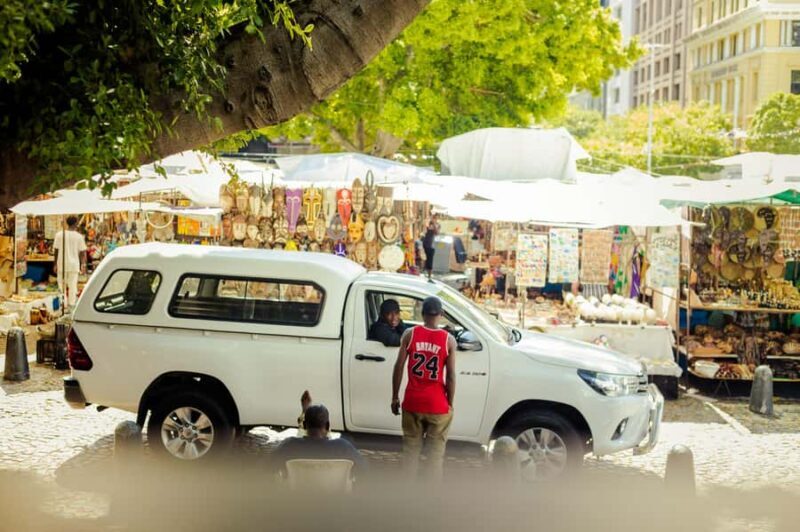
Greenmarket Square gets about 10 minutes, enough to see the market setting and browse local crafts if the timing allows. It’s a welcome change of pace after the historical stops, with stalls and activity giving you a taste of the city’s present-day cultural life.
Ten minutes is a short browse, so don’t count on an extended shopping break. If you spot something you’d like to buy, personal expenses are yours to cover. The stop is most useful as a quick look at the square and an opportunity to notice how the old center continues to function as a public gathering place.
Long Street: old and new, at walking speed
Long Street is a brief pass-through, listed at about two minutes. The guide points out the meeting of older and newer Cape Town as you walk along, but this is not a dedicated street tour or time to stop at individual businesses.
That brevity is worth knowing if you’re hoping to linger. The purpose is to connect the central landmarks and keep you moving toward Bo-Kaap, not to cover every corner of Long Street. You can always return later if a café, shop or building catches your eye.
Bo-Kaap: the walk’s colorful finish
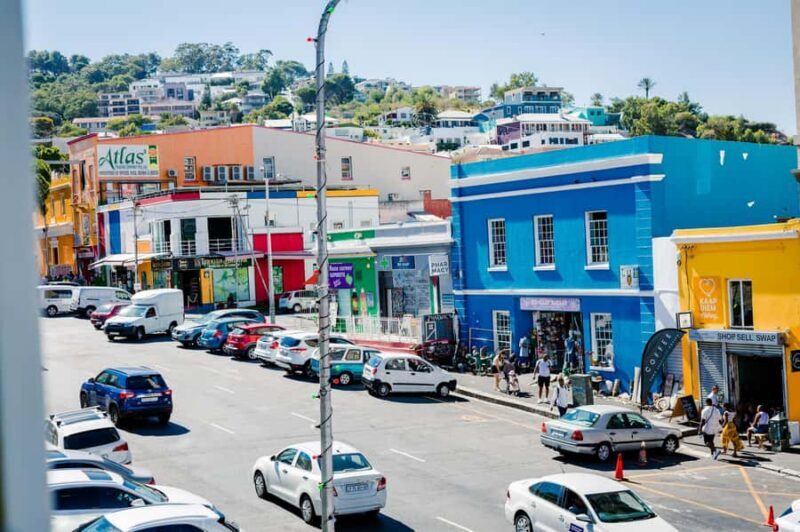
Bo-Kaap is the final stop, with about 15 minutes for sightseeing, photos and a look around. The painted houses make this an especially photogenic end to the route, but the neighborhood is more than a backdrop. Its cultural legacy and identity are central to the tour’s wider story about Cape Town and South Africa.
The guide helps explain why this area matters, so you leave with more than a camera roll. The limited time means you won’t explore every street or get a long neighborhood visit. It is a good introduction, and a sensible reason to come back independently if you want to spend more time there.
A small snack is included, and the finish has sometimes featured a koesister, a local sweet. It’s a pleasant local touch, but the specific snack may vary. Lunch and extra food are not included, so don’t mistake the treat for a meal.
What the two-hour pace means
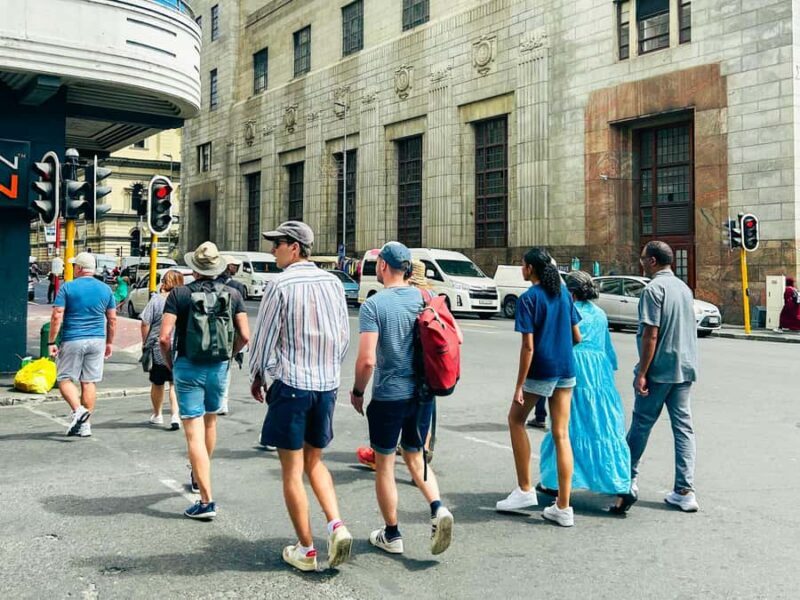
The route has a lot to cover in a short time. Grand Parade and St. George’s Cathedral each get about five minutes, Greenmarket Square about 10, Bo-Kaap about 15 and Long Street only a brief pass-through. Other stops are described without a set duration. Expect to walk between landmarks while listening, with time to pause, ask questions and take some photos.
Many people find the pace manageable, and the walk has been described as relaxed. But Cape Town heat can make even a straightforward city walk feel more demanding. Wear comfortable shoes, bring water, sunglasses, a hat and sunscreen, and pack rain gear if the forecast calls for it. Personal medication and hand sanitizer or tissues are also on the suggested list.
Is $40 a fair price?
At $40 per person for two hours, you’re paying for more than a route between landmarks. The price includes a local guide and a snack, and the guide’s explanations are the key value: they connect places that can otherwise feel like separate stops on a map. If you’re new to Cape Town, this context can help you make better use of the rest of your stay.
The price does not include transportation to the meeting point, lunch, entry fees or personal purchases. That matters if you plan to visit a museum or buy something at Greenmarket Square. The tour works best as a guided orientation, not an all-inclusive sightseeing package.
Practical details before you book
The tour lasts two hours and is available in English, Zulu, Xhosa and Afrikaans. It is listed as wheelchair accessible. People over 95 are listed as unsuitable for the activity, and alcohol and drugs are not allowed.
Booking offers reserve-now, pay-later flexibility, and you can cancel up to 24 hours in advance for a full refund. Check current availability for start times. If you have a specific interest, such as architecture, contemporary life or South African identity, tell your guide early; the tour is described as customizable to your interests, and questions are welcome.
Who should take this walk?
I’d put it near the start of a Cape Town stay, especially if you want to understand the city center before exploring on your own. It suits first-time visitors, history-minded walkers and anyone who appreciates a guide who can make room for discussion rather than simply reciting facts. Families and small groups may also value the manageable two-hour format, though the walk still covers several stops outdoors.
It may not be the right fit if you want a nature-focused tour, long visits inside museums or plenty of unstructured time for shopping. The route centers on urban history and culture, with a short look at each place. One visitor wished for more attention to nature and scenery, which is a fair point: this walk is about people, memory and city streets, not Cape Town’s outdoor attractions.
Should you book it?
Book this walk if you want a compact, human-centered introduction to Cape Town and appreciate learning from a local guide. Its best assets are the connected route, the thoughtful historical framing and the chance to ask questions about identity and daily life. The main trade-off is limited time at each stop. Come ready to walk, listen and take notes on places you may want to revisit.
Cape Town Walking Tour: Bo-Kaap & City Highlights
FAQ
How long is the Cape Town walking tour?
The tour lasts two hours.
How much does the tour cost?
The listed price is $40 per person.
Where does the tour begin?
It starts at Truth Coffee Roasting. Look for the guide by the side entrance, wearing a black-and-white golfer shirt and a name badge.
Where does the walk finish?
The tour finishes in Bo-Kaap.
Which places are included on the route?
The route includes District Six, Grand Parade, Iziko Slave Lodge, St. George’s Cathedral, Greenmarket Square, Long Street and Bo-Kaap.
What languages are available?
The live guide languages are English, Zulu, Xhosa and Afrikaans.
Is a snack included?
Yes. A complimentary snack is included. Lunch and extra food are not included.
Are entry fees included?
No. Entry fees are not included in the price.
What should I bring?
Wear comfortable shoes and bring water, sunglasses, a sun hat, sunscreen, a camera, rain gear, personal medication and hand sanitizer or tissues.
Can I cancel for a refund?
Yes. You can cancel up to 24 hours in advance for a full refund.
You can check availability for your dates here: