Porto’s best introduction may be a walk that starts high above the Douro and works its way toward the river. This two-hour tour links major sights such as São Bento Station, the cathedral area and Ribeira with quieter streets and viewpoints, while local guide Luís adds context about the city and Portugal.
I like two things in particular: you get a useful sense of Porto’s geography early in your stay, and the guide shares practical tips for where to eat, drink and explore next. The main consideration is the ground itself: Porto’s cobbles and steep streets can be tiring, even on a manageable route.
- What makes this walk worthwhile
- Getting your bearings in Porto
- São Bento’s tiles and the city center
- Backstreets, viewpoints and Porto’s slopes
- Ribeira, the bridge and the river
- Stories, recommendations and the value of a guide
- Who should book this Porto walk?
- FAQ
- How long is the walking tour?
- What language is the tour in?
- Is the tour suitable for a first visit to Porto?
- Which landmarks are included?
- Is food or drink included?
- How much does the tour cost?
- Is the walk difficult?
- Can I book a private group?
- Can I cancel or pay later?
- The Best Of Porto!
- More Walking Tours in Porto
- More Tours in Porto
- More Tour Reviews in Porto
- Not for you? Here's more nearby things to do in Porto we have reviewed
What makes this walk worthwhile
 1 / 7
 2 / 7
 3 / 7
 4 / 7
 5 / 7
 6 / 7
 7 / 7
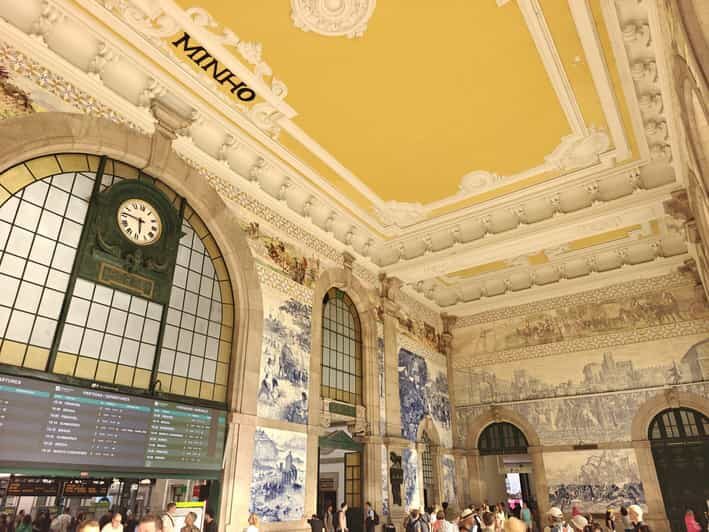
- São Bento Station’s tile panels: See the azulejos with a guide who can explain their place in Portuguese culture and history.
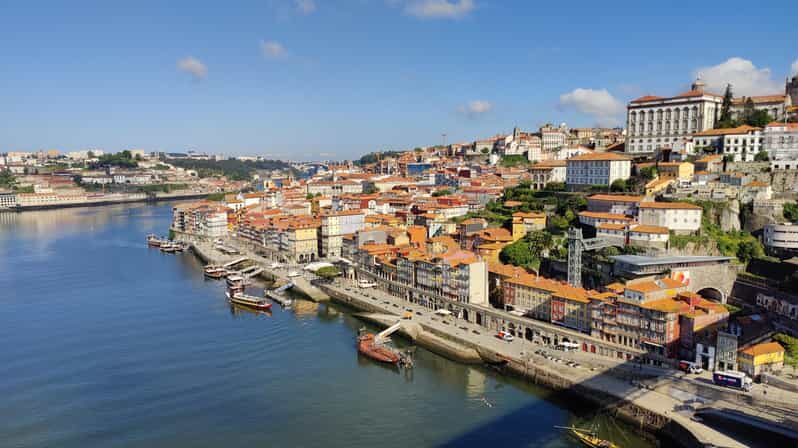
- A route from hilltop sights to the Douro: The walk takes in central landmarks before reaching the Ribeira waterfront and views of Dom Luís I Bridge.
- Small-group conversation: Groups have varied in size, with some as small as six and others around a dozen. A private group is also available.
- A local guide with practical advice: Luís shares ideas for food, wine, bakeries, viewpoints and places to visit after the walk.
- A pause that can make the pace feel human: One group stopped for an inexpensive drink partway through. Food and drinks are not included, so treat this as a possible stop, not a promise.
- A strong orientation for first-time visitors: The walk combines landmarks, neighborhood context and route-finding help in two hours.
👉 See our pick of the 10 Best Shopping Tours In Porto
Getting your bearings in Porto
This is a compact city walk, not an attempt to see every corner of Porto. Its value is in connecting the sights you may already recognize with the streets and viewpoints between them. You can leave with a clearer idea of where the Douro sits in relation to the center, how the neighborhoods fit together and which places you want to revisit.
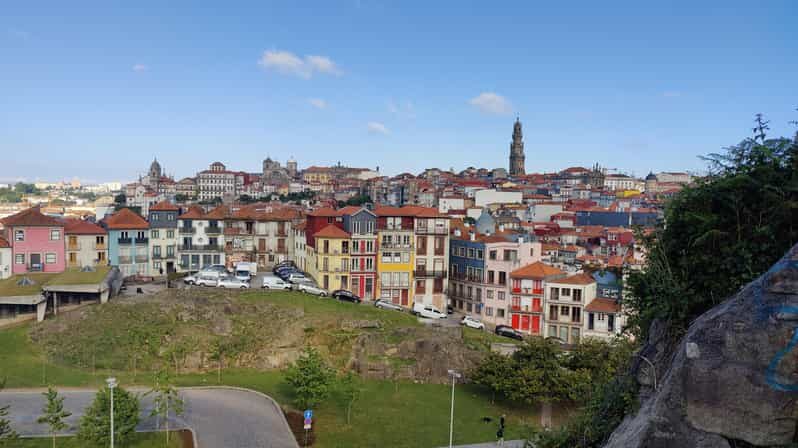
That orientation matters in Porto. The city is hilly, and a map does not always make the climbs and descents obvious. The route has been described as starting at a high point and heading down toward the river, which can make the walk easier to manage than a route that repeatedly climbs and drops. The precise path may vary, so don’t assume every departure follows an identical circuit.
Local guide Luís Leal is the guide most often associated with the tour. His style, as reflected in the experience described here, is conversational rather than lecture-heavy: he connects landmarks with Portuguese history, answers questions and adds personal details about his hometown. The result should suit you if you want context without spending two hours memorizing dates.
The tour is offered in English, German and Spanish. That language choice is useful for mixed-language parties, though a bilingual walk may divide the guide’s attention between groups. One small group found that the switch between German and English felt smooth rather than disruptive. If language is important to your booking, check the option for your specific departure.
You can also read our reviews of more walking tours in Porto

São Bento’s tiles and the city center
São Bento Station is more than a place to catch a train. Its large azulejo panels make it one of Porto’s most memorable interiors, and a guide can help you notice more than the blue-and-white patterns. Here, the tour gives you a visual introduction to a craft and tradition you will see elsewhere in Portugal.
This stop is especially worthwhile early in your visit. Once you know to look for azulejos, details across the city become easier to spot. The station itself can be busy, and the tour is a brief visit rather than a long, quiet study of every panel. If you want time for close-up photographs, take them when the group pauses and keep an eye on the guide’s pace.
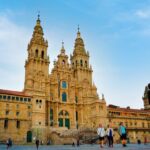
The route also takes in Aliados Square and the Porto Cathedral area. These stops help put the city’s civic and religious landmarks into a broader picture. You can expect to walk by the cathedral rather than spend a long stretch inside it, so this is best understood as an outdoor overview, not a guided cathedral visit.
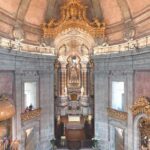
Clérigos Tower and Church are also part of the tour, viewed from outside. The tower is one of the center’s clearest visual markers, and its position helps you understand how the city rises and falls around it. The walk does not include a tower climb, so plan a separate visit if going up is high on your list.
At the Palácio da Bolsa, the group walks by the building. That gives you a look at an important historic landmark, but not an interior tour. This distinction is worth keeping in mind: the experience is designed to connect city sights on foot, not to provide entry to every major attraction.
Backstreets, viewpoints and Porto’s slopes
The quieter lanes are an important part of the tour’s appeal. A landmark-to-landmark route can show you Porto’s postcard views but miss the everyday scale of the place. Luís also takes groups to less touristy areas and tucked-away viewpoints, giving you a chance to see how a few turns can change the mood and perspective.
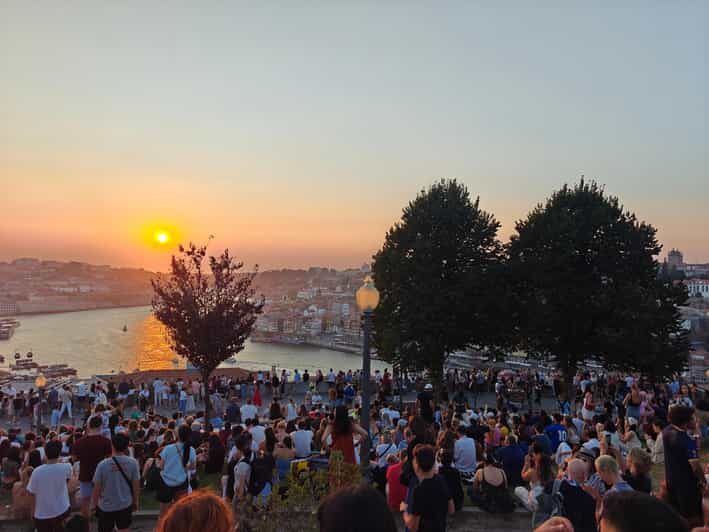
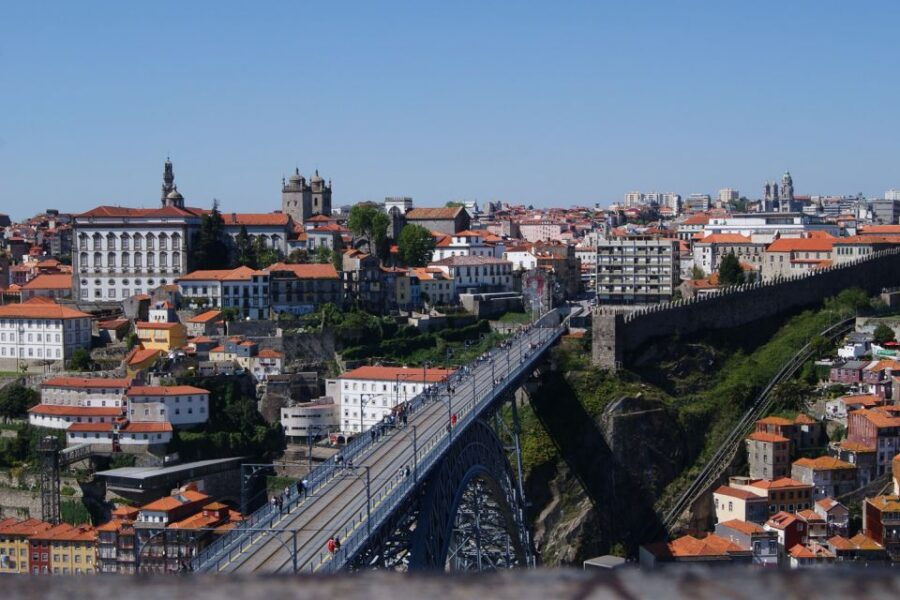
The best viewpoints are more than photo stops. They help you read Porto’s steep layout, with rooftops and streets descending toward the Douro. Bring a camera, but don’t spend the whole stop looking through it. Take in the view first, then get the picture.
The walking is described as relaxed and manageable, but that does not mean flat. The steep streets and uneven cobbles can be challenging if you are unsteady on your feet or have difficulty with hills. Comfortable shoes are a must. If you are walking with someone who needs a slower pace, tell the guide; Luís has been willing to adjust the pace for a group.
One useful detail is that some versions of the route have moved in a circular fashion to reduce the feeling of constant changes in slope. That can make the hills less punishing, but it does not remove them. You should still be ready for regular walking over uneven ground.
Ribeira, the bridge and the river
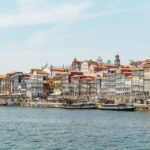
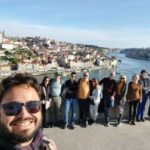
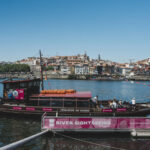
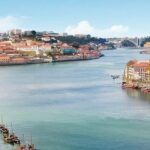
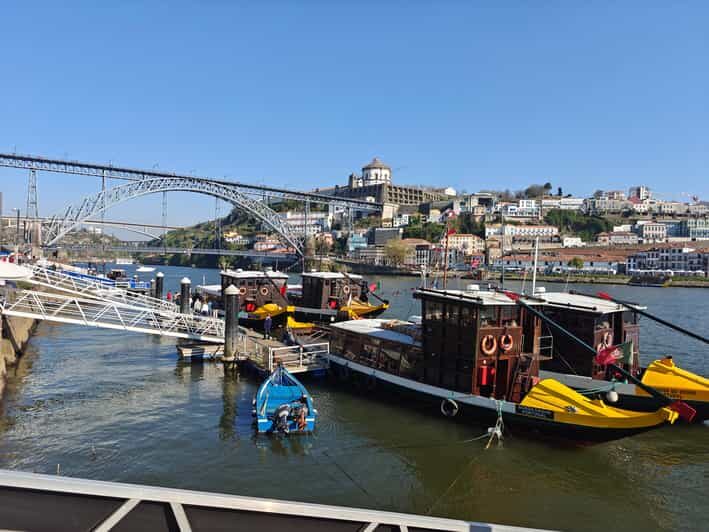
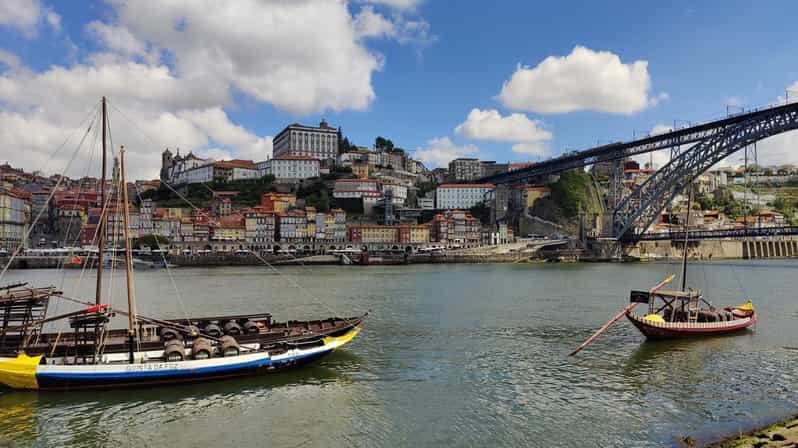
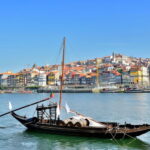
Ribeira brings the walk down to the Douro’s edge. Its colorful riverside buildings and busy waterfront offer a different view of Porto from the upper streets. This is one of the tour’s clearest chances to connect the city’s old center with the river that has shaped its history and daily life.
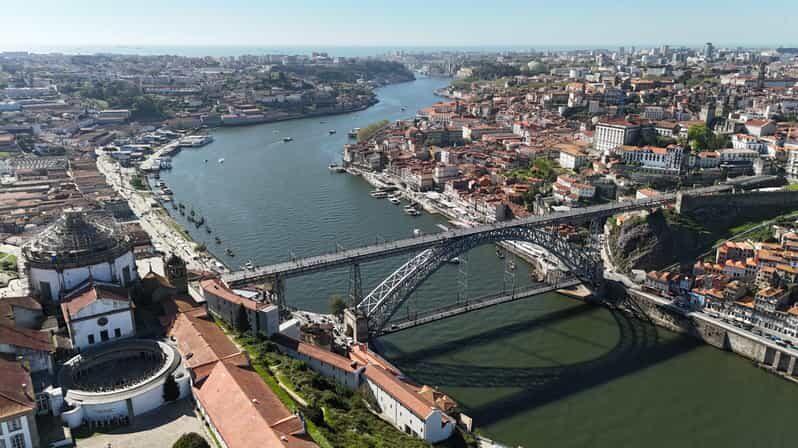
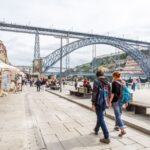
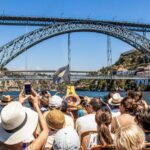
The guide also brings you to views of Dom Luís I Bridge, one of Porto’s defining landmarks, and the listed experience includes a walk across the bridge. The crossing gives you a more direct sense of the river’s scale and the relationship between Porto and the opposite bank. It is a memorable stretch, though it can be crowded, and the bridge is not the place to rush if you want photographs.
Jardim do Morro is another named stop. From here, you can look back across the river toward Porto. The contrast between the elevated viewpoints and the waterfront is part of what makes the route useful: you see the city from several angles instead of treating it as a flat collection of attractions.
The tour also passes the Palácio da Bolsa and includes local streets and cafés. Don’t expect a tasting menu or a guaranteed café stop. Food and drinks are excluded, and any drink break depends on the actual tour. One group enjoyed stopping for a low-cost beer or sangria, but you should budget separately if you want to order something.
More Great Tours NearbyStories, recommendations and the value of a guide
The guide’s role is not just to point out buildings. Luís brings together stories about Porto, Portugal’s past and the city’s maritime history, including an explanation of the mariner’s astrolabe. That kind of detail can make a short stop more memorable than a list of dates, especially if you are curious about how Portugal’s history connects to the sights around you.
Just as useful are the recommendations for the rest of your stay. The guide can suggest places for local dishes, wine, bakeries and further sightseeing. One especially practical touch is that food recommendations have included vegan and vegetarian choices. If you have dietary needs, ask directly and early rather than assuming every suggestion will suit you.
Several people have found the tour most useful at the start of a Porto visit. That timing makes sense: you can use the guide’s orientation and recommendations over the next few days. If this is your final afternoon in the city, the walk can still be enjoyable, but you will have less time to act on the tips.
At $22 per person, the tour is good value if you want a local guide, a two-hour introduction and help connecting the main sights. The fee does not cover food, drinks or travel to the meeting point, so include those costs in your plans. You are paying for guidance and context, not entry to Porto’s attractions or a meal.
You can also read our reviews of more guided tours in Porto



Who should book this Porto walk?
I’d recommend it to first-time visitors who want a clear overview without committing half a day. It also suits curious walkers who enjoy hearing how a local thinks about their city, and anyone who wants a short list of reliable places to eat and explore after the tour.
The small-group format is a good fit if you prefer questions and conversation to being part of a large crowd. Group size can vary, however, and small group does not mean a private walk. If you want the guide’s attention exclusively, a private group is available.
You may want a different plan if steep, uneven streets are a serious concern, or if you want to spend long stretches inside monuments. This route covers a lot of ground and views, but several sites are seen from outside. It is an introduction, not a substitute for a dedicated visit to the cathedral, Clérigos Tower or Palácio da Bolsa.
Book this tour if you want to understand Porto’s layout, see its best-known sights and come away with useful local suggestions. If you do, choose a departure early in your stay, wear comfortable shoes and leave room afterward to follow at least one of Luís’s food or viewpoint recommendations.
Porto: Walking Tour Highlights with Local Guide (smallgroup)
FAQ
How long is the walking tour?
The tour lasts two hours. Check the available departures when choosing a time.
What language is the tour in?
Live guides are available in English, German and Spanish. Check the language offered for your chosen departure.
Is the tour suitable for a first visit to Porto?
Yes. It covers major sights, city geography and local recommendations, making it a useful introduction for first-time visitors.
Which landmarks are included?
The route includes views of Porto Cathedral and Clérigos Tower, São Bento Station, Aliados Square, Ribeira, Palácio da Bolsa on a walk-by, Dom Luís I Bridge and Jardim do Morro, along with additional streets and viewpoints.
Is food or drink included?
No. Food and drinks are not included in the price.
How much does the tour cost?
The listed price is $22 per person. Food, drinks and transportation to the meeting point are extra.
Is the walk difficult?
The tour is a walking route over Porto’s cobbled and hilly streets. Comfortable shoes are recommended, and the slopes may be difficult if you are unsteady on your feet.
Can I book a private group?
Yes. A private group is available.
Can I cancel or pay later?
You can cancel up to 24 hours in advance for a full refund. A reserve-now, pay-later option is also available.
You can check availability for your dates here: