The Louvre is too large to conquer in a morning, but two hours with a guide can help you find the works you came for and understand why they matter. This tour puts the Mona Lisa, Venus de Milo and Winged Victory on a focused route, with stories along the way, including the painting’s famous theft.
I like two things here: reserved-access entry gets you past the regular ticket line, and the guided visit ends with the freedom to stay inside and explore on your own. I also like that guides such as Sandra and Florian bring history to life with clear explanations, humor and details about how artworks were made and cared for.
The trade-off is time. Two hours is enough for a purposeful introduction, not a full Louvre visit, and the museum’s most famous rooms can be crowded. You’ll need to arrive on time, bring ID and leave large bags behind.
- Key points to know before you go
- A focused way into the Louvre
- Getting through the entrance and into the galleries
- The Mona Lisa, with a story beyond the smile
- Venus de Milo and Winged Victory
- Delacroix and the stories behind the art
- What the two-hour pace means for you
- Is good value?
- Picking the group option that fits
- What to bring, and what to leave behind
- Should you book this Louvre tour?
- FAQ
- How long is the tour?
- Which artworks are included?
- Does the tour include reserved entry?
- What languages are available?
- Can I book a private tour?
- Do I need to bring identification?
- Can I bring a large bag?
- Is the tour suitable for wheelchair users?
- Can I take photos inside the Louvre?
- The Best Of Paris!
- More Guided Tours in Paris
- More Tours in Paris
- More Tour Reviews in Paris
- Not for you? Here's more nearby things to do in Paris we have reviewed
Key points to know before you go
 1 / 10
 2 / 10
 3 / 10
 4 / 10
 5 / 10
 6 / 10
 7 / 10
 8 / 10
 9 / 10
 10 / 10
- Reserved access helps you get started: The tour includes entry that lets you skip the regular ticket line.
- The route centers on Louvre icons: Expect the Mona Lisa, Venus de Milo, Winged Victory and Delacroix’s Liberty Leading the People.
- The guide adds context, not just directions: Sandra, Marine and Florian are among the guides praised for engaging explanations, humor and historical detail.
- You can stay after the tour: Once the two-hour guided portion ends, you’re free to revisit works or explore the museum independently.
- Choose your group style and language: Options include lively group, small-group and private tours, with English, French or Spanish guides.
- Pack light and arrive on time: Large bags are not allowed, IDs are checked, and late arrivals cannot be guaranteed entry.

👉 See our pick of the 25 Best Shopping Tours In Paris
A focused way into the Louvre
The Louvre is a museum where ambition can easily outrun the clock. Its collection is immense, and the famous names are spread across galleries that can take time to navigate. This two-hour tour gives you a clear purpose: see a set of major works with a guide, hear the stories that make them more than familiar pictures and statues, then decide what you want to explore next.
That format suits a first visit especially well. Instead of spending your opening hour figuring out where to go, you have a guide leading the way to the collection’s best-known sights. The tour is not meant to cover every wing or room. Think of it as a strong first chapter, not the whole book.
The route includes the Mona Lisa, Venus de Milo, Winged Victory and Delacroix’s Liberty Leading the People. Alongside the objects themselves, the guide shares stories about their history and creation, plus the tale of the Mona Lisa’s theft. Those details give you more to notice than a famous face behind glass or a statue you have seen in photographs.
You can also read our reviews of more guided tours in Paris


Getting through the entrance and into the galleries
Your meeting point depends on the option you book, so check the location on your confirmation rather than assuming every tour starts in the same spot. Assistance is provided at the meeting point to help the group get started. One practical improvement would be clearer visual identification of the guide in a crowded area: a participant specifically wished they had known what person or sign to look for, and suggested a flag or a description of the guide’s clothing during busy summer periods.
Arrive early enough to locate the meeting point and find the group, but do not treat early arrival as a substitute for being on time. Late arrivals cannot be guaranteed entry. You also need to give the correct names for everyone in your booking and carry official ID, or a clear photo of it, because the venue checks identification at entry.
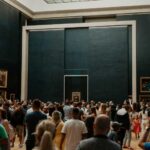
The reserved-access entry is useful because it lets you bypass the regular ticket line. That can save a frustrating wait before the tour even begins. It does not change the fact that this is a major museum with crowds, so expect people around the best-known works and listen closely when the guide is speaking. An audio system is included if that option is selected, helping you hear the guide in the galleries.
The Mona Lisa, with a story beyond the smile
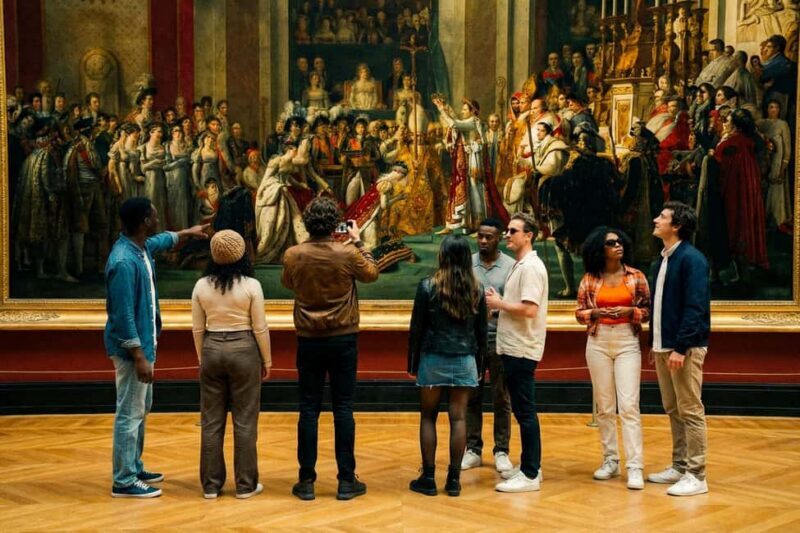
The Mona Lisa is a must-see for many people, but standing in front of it can be a brief and crowded experience. A guide helps make that stop feel less like ticking a box. You’ll hear about the painting’s story, including its daring theft, and have a chance to take in the details that are easy to miss when your attention is fixed on the famous smile.
It helps to keep expectations sensible. The tour cannot give you a private audience with the painting, and crowd levels can affect how long you can stand nearby. The point is not to linger for an hour, but to understand why this portrait has held such a grip on the public imagination and then keep moving through the museum’s other treasures.
For visitors who came primarily to see Leonardo da Vinci’s work, this stop can be a highlight. It also gives the guide a natural opening to talk about the broader history and character of the collection rather than treating the Mona Lisa as an isolated celebrity.
Venus de Milo and Winged Victory
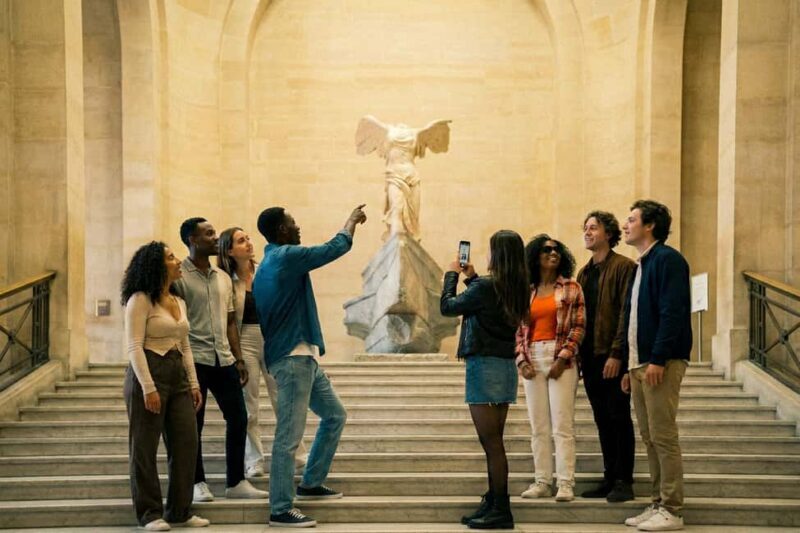
The Venus de Milo and Winged Victory of Samothrace offer a striking change of scale and mood from a painted portrait. The Venus is known for its timeless grace, while Winged Victory seems poised for motion. A good guide can help you look beyond their famous outlines and notice how pose, form and setting shape your response to each sculpture.
These stops make the tour more than a parade of paintings. You get different kinds of art and different ways to read them, with the guide explaining the stories behind the objects. One guide’s archaeological background, for example, showed in explanations of how works were made and maintained. That sort of practical detail can make a museum feel more tangible: not just a collection of masterpieces, but objects with material histories and human hands behind them.
The galleries may be crowded, and you should expect the guide to manage the group around other people. Keeping close and listening matters. One visitor particularly appreciated a guide’s ability to handle busy rooms, which is a useful skill in a museum where popular works draw a steady audience.
More Great Tours NearbyDelacroix and the stories behind the art
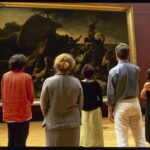
Delacroix’s Liberty Leading the People brings a different kind of energy to the route. The painting carries the spirit of revolution, and it gives the guide a chance to connect an artwork with the events and ideas it represents. That context is valuable if you want more than a quick identification of the figures and colors.
The strongest part of this tour is the mix of art and storytelling. Guides have been praised for making history clear, keeping a comfortable pace and adding humor without turning the visit into a lecture. Sandra, in particular, has led tours described as engaging and detailed; Marine and Florian are also among the named guides who have drawn praise for their explanations and lively manner. The guide assigned to your departure may differ, so treat those names as examples rather than a promise.
You may also hear about small details that visitors often walk past. That can mean learning how a work was created or preserved, or hearing a story that changes what you notice when you look again. In a museum this large, that kind of commentary helps you focus your attention instead of trying to absorb every room at once.
You can also read our reviews of more museum experiences in Paris




What the two-hour pace means for you
The pace is designed to cover the major stops without turning the visit into a race. Several people have found the tour informative and well paced, and the stated experience is not intended to rush you from one work to the next. Still, two hours passes quickly when you stop at several famous objects and hear their background.
You will not have time to explore the Louvre in depth during the guided portion. If you want to see a particular gallery beyond the route, or return to a work after hearing its story, use the option to remain in the museum after the tour. That flexibility is one of the tour’s best features: you get an expert-led orientation first, then the freedom to follow your own interests.
If you already know the Louvre well, a broad highlights tour may be less useful than a visit focused on specific galleries or artists. But if you are new to the museum, or have limited time and want an informed route through its best-known works, the structure makes sense.
Is $88 good value?
At $88 per person, this is not the cheapest way to enter the Louvre. The value comes from combining reserved-access entry with a licensed guide, a focused two-hour route and the option to stay inside afterward. You are paying for help navigating a vast museum and for the stories that give the main works more meaning, not simply for a ticket.
That can be worthwhile if you would otherwise spend time finding the highlights or trying to make sense of them without context. The guided route also gives a first-time visitor a useful framework for a longer independent visit. If you prefer to wander alone, already have a plan and are comfortable navigating the museum yourself, you may not need the guided portion.
The tour includes a complimentary Paris food guide with handpicked local spots in the Crown Tours App. Treat it as a useful extra for planning meals around your stay, not as the main reason to book.
Picking the group option that fits
You can choose a lively guided group, a small group or a private tour. The smaller and private formats may suit you if you prefer a more personal setting, but the available details do not specify group sizes or any difference in route. All options are designed to cover the Louvre’s highlights, and the meeting point may vary with the selection you make.
Tours are offered in English, French and Spanish. If you want the guide’s explanations to land well, choose the language you are most comfortable listening to for two hours. An audio system is included if your selected option provides it.
This tour is not recommended for people with mobility impairments and is not suitable for wheelchair users. The Louvre visit involves moving through galleries, and the activity information specifically advises against booking if you have mobility needs. Check your circumstances carefully before paying.
What to bring, and what to leave behind
Bring official ID or a clear photo of it, and make sure the names on the booking are correct for every person in your party. Leave large bags and suitcases elsewhere: they are not allowed inside. Weapons and sharp objects, food and drinks, pets other than assistance dogs, sprays and aerosols, and explosive substances are also prohibited.
Photography and video are allowed, but selfie sticks, flash and other lighting are not. Keep your camera ready for permitted photos, but don’t let it take over the visit. A guide’s explanation is often the part that makes an artwork memorable.
The activity offers free cancellation up to 24 hours in advance and a reserve-now, pay-later option. Those terms can help if your plans are still in flux, but check the details attached to your specific booking before making a final decision.
Should you book this Louvre tour?
Book it if you want a well-organized introduction to the Louvre’s major works, appreciate hearing the stories behind them and like having time afterward to explore independently. The guide’s role is the real draw: strong guides such as Sandra, Marine and Florian have been praised for clear explanations, warmth, humor and a knack for making art approachable.
Think twice if your priority is a long, quiet visit to one particular wing, or if mobility needs make a guided museum route difficult. Two hours will not satisfy every Louvre appetite, and the most famous rooms can be crowded. But for a first visit, a short stay in Paris or a family that needs structure, this tour offers a practical balance: get oriented, see the icons, learn their stories, then choose your own next stop.
Louvre Priority Access Mona Lisa & Museum Icons Guided Tour
FAQ
How long is the tour?
The guided tour lasts two hours. You can stay inside the Louvre afterward and explore on your own.
Which artworks are included?
The route includes the Mona Lisa, Venus de Milo, Winged Victory and Delacroix’s Liberty Leading the People.
Does the tour include reserved entry?
Yes. Reserved-access entry is included, and the activity lets you skip the regular ticket line.
What languages are available?
Live guides are available in English, French and Spanish.
Can I book a private tour?
Yes. Private and small-group options are available, as well as a lively guided group option.
Do I need to bring identification?
Yes. Bring official ID or a clear photo of it. IDs are checked at the venue, and you must provide the correct names for all participants when booking.
Can I bring a large bag?
No. Large bags and suitcases are not allowed inside the museum.
Is the tour suitable for wheelchair users?
No. The activity is not recommended for wheelchair users or people with mobility impairments.
Can I take photos inside the Louvre?
Photos and videos are allowed, but selfie sticks, flash and lighting are not allowed.
You can check availability for your dates here: