London’s transport story is told here with the vehicles themselves: old buses, trams and Underground carriages that show how the city moved, and changed, over time. I like the way the museum pairs these large exhibits with designs and historical displays, so you can connect the machines to the city around them.
I also like the hands-on activities, which give children a reason to look closely rather than simply hurry past. The Underground’s role during the Second World War adds a more serious note, and helps explain why transport here is about more than getting from one stop to the next.
One consideration: the museum is compact, and families may spend time waiting for popular activities at busy periods. At a starting price of $39.75, it is worth checking the current ticket cost and child admission details before you book.
- See London’s transport through real vehicles: Preserved buses, trams and Underground carriages make the city’s changing streets and services tangible.
- Follow transport design across the decades: Displays include designs and blueprints from the early 1900s through contemporary times.
- Try activities alongside the exhibits: Interactive features and children’s play areas make this more than a look-and-read museum.
- Connect the Underground to wartime life: Exhibits explain how Londoners used the Tube during the Second World War.
- Plan a Covent Garden outing: The museum is at Covent Garden Piazza, close to the area’s shops and places to eat.
- Leave time for a family visit: One to three hours is a sensible range, depending on how long you spend at the activity stations.
- Old buses and Tube carriages make the story real
- Three floors, with more to see than the size suggests
- Hands-on stops give children a reason to linger
- The Underground’s wartime role adds depth
- Covent Garden makes the museum easy to pair with other plans
- Is the ticket good value?
- Who should book the London Transport Museum?
- FAQ
- How long should I allow for the London Transport Museum?
- Where is the museum?
- What are the museum’s opening hours?
- What is included in the ticket?
- Is the museum suitable for children?
- Can children under 17 enter free?
- Can I cancel my booking?
- The Best Of London!
- More Tickets in London
- More Tours in London
- More Tour Reviews in London
- Not for you? Here's more nearby things to do in London we have reviewed
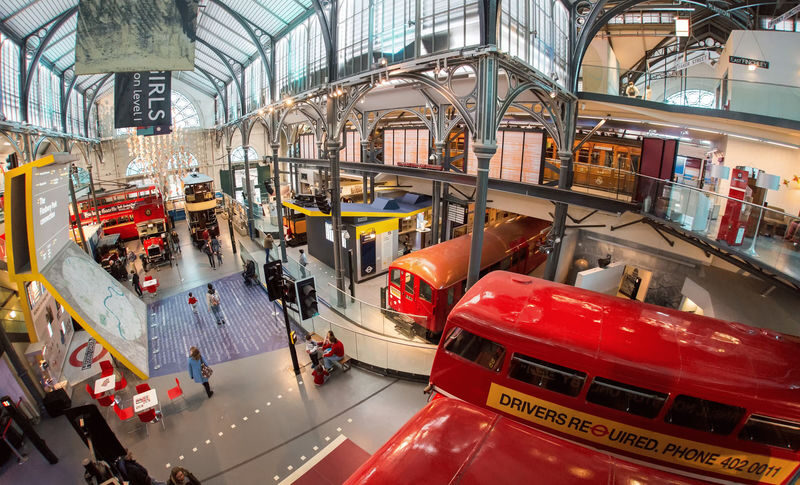
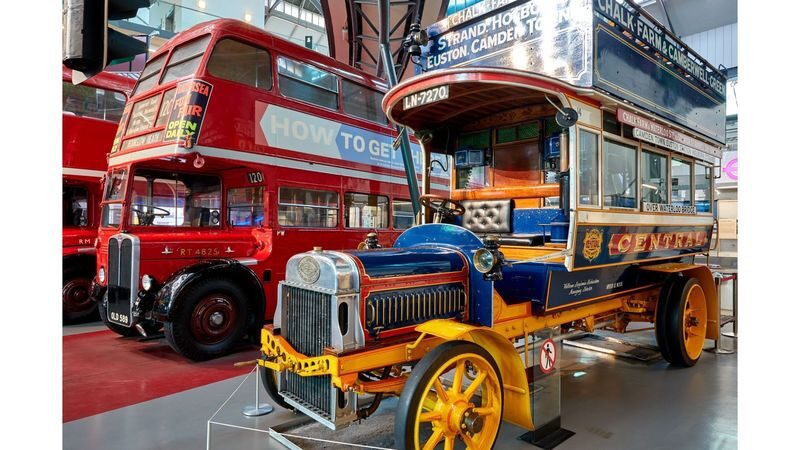
Old buses and Tube carriages make the story real
 1 / 2
 2 / 2
The London Transport Museum is not a general transport collection dropped into a London building. Its subject is how transport shaped this city, and the preserved vehicles give that story a clear human scale. A bus or carriage is not just a piece of engineering here. It is a clue to how Londoners travelled, where the city grew, and what daily life looked like in different eras.
You can expect to see examples of older British transport, including buses, trams and Underground vehicles. Rather than relying only on models and text panels, the museum puts full-size vehicles at the centre of the experience. That makes the history easier to grasp, especially for children who may not be keen to read every label.
The collection moves from older forms of transport toward more recent systems. The effect is a compact timeline: you see how vehicles and designs changed, then consider what those changes meant for the city. If you live in London or have used the Underground during your visit, familiar routes can make the exhibits feel personal. A display of an older Northern line train, for example, can turn a daily commute into a small piece of local history.
There is plenty to look at beyond the vehicles. Designs and blueprints, including work from the early 1900s through contemporary times, show the thought behind the transport that eventually reached the streets and tracks. These are useful stops if you like architecture, graphic design or engineering, but they also help explain why London’s transport has such a recognizable visual identity.

👉 See our pick of the 25 Best Workshops And Classes In London
Three floors, with more to see than the size suggests
The museum is relatively small compared with some large transport museums, and that is worth knowing before you set aside a full day. It is described as having three floors, with exhibits arranged across several sections. You can cover a good deal in an hour and a half, but a family with children who want to stop, play and repeat activities could easily use more of your time.
I would plan for one to three hours, rather than treating the visit as a quick 20-minute stop or assuming it will fill an entire day. An adult with a focused interest in London’s transport may move through at a steady pace. A family will likely pause more often, particularly where interactive features invite children to take part.
The compact scale has a practical upside: the museum can fit neatly into a Covent Garden day without demanding a complicated itinerary. It also has a downside. If you expect a sprawling collection with a separate gallery for every type of vehicle, the exhibition may feel smaller than you hoped. The best approach is to see it as a focused account of London’s transport history, not an encyclopedic museum of every vehicle ever built.
You can also read our reviews of more tours and experiences in London


Hands-on stops give children a reason to linger
Families are a natural audience here. Children can see buses and trains at close range, and the museum has play areas and interactive activities aimed at younger visitors. A stamp-collecting activity has been a hit with families, and children’s play spaces offer a change of pace from looking at displays.
Some activities can mean a wait, especially on weekends or during school holidays. A queue of around 20 minutes has been reported for a popular feature, so keep expectations flexible if your child has one particular activity in mind. It is sensible to let children explore the exhibits while you decide whether the wait is worthwhile, rather than promising a quick turn.
The train simulator is another noted attraction, and it gives you a feel for operating a Tube train. If it is important to your visit, allow time for a possible line. The museum’s appeal for children is not limited to simulators: full-size vehicles, models and play spaces give them different ways to engage, which helps when attention spans vary.
For adults, these activities can make the visit livelier, though they may also shape the pace and atmosphere. If you want a quiet, uninterrupted study of transport design, a busy family period may not be ideal. If you are visiting with children, the activity mix is a real advantage, but there is no need to race from one station to another. Let the kids pick a few things that catch their eye.
The Underground’s wartime role adds depth
The museum’s most affecting material links transport to moments when Londoners depended on it for more than commuting. Exhibits explain the role of the Underground during the Second World War, when Tube stations became places of refuge during bombing. That context changes the way you think about the network: it was not only a feat of engineering, but also part of everyday civilian life in a crisis.
The collection can also put transport in a wider social frame. A display about the Windrush Generation has connected the concentration of Black communities in parts of London with employment at bus depots. It is a useful reminder that transport history includes the people who built and operated the system, as well as the passengers who used it.
Photographs of the Ukrainian subway have also appeared alongside wartime material, drawing a line between London’s past and more recent experiences of civilians sheltering underground. Exhibitions can change, so do not plan your visit around a particular temporary display without checking what is currently on view. But these subjects show why the museum can offer more than a nostalgic look at old vehicles.
Covent Garden makes the museum easy to pair with other plans
The museum’s address is Covent Garden Piazza, WC2E 7BB, London. Although the experience information also gives Westminster as a location, the stated street address places the entrance in Covent Garden. Use the address rather than the broad area label when planning your route.
The setting makes this a convenient part of a day out. Covent Garden has plenty to see and places to eat nearby, so you can combine the museum with time in the surrounding area without needing to cross the city. Meals and drinks are not included in the ticket. A café has been noted inside the museum, but check current arrangements if you plan to rely on it.
The museum’s opening hours are listed as 10:00 to 18:00 on Monday, Tuesday, Wednesday, Friday, Saturday and Sunday, with last admission at 17:00. Thursday is not included in the supplied schedule, so check the museum’s current hours before setting out that day.
Is the ticket good value?
The ticket starts at $39.75, and admission includes entry to the London Transport Museum plus a 15% discount at the gift shop. Meals and beverages are not included. The price is easier to justify if you plan to spend a couple of hours exploring the vehicles and activities, or if transport history is a special interest. It is harder to justify if you expect a large museum that will occupy most of the day.
The museum is a particularly good fit for families who want an indoor activity with hands-on elements and things to look at together. It also suits adults who are interested in London, public transport, design or social history. The wartime Underground displays and material about the people behind the transport network give the visit weight beyond the novelty of old buses.
Children under 17 have been described as entering free, but the ticket option and current admission terms should be checked before booking. That can make a considerable difference to a family’s total cost. The gift-shop discount is a modest extra, not a reason on its own to buy a ticket; the shop has London-themed souvenirs, transport items and models, and can take a little browsing time.
Klook offers instant booking confirmation, but the voucher may not be issued immediately. Entry is with the voucher, which is valid only for the selected date and time if one applies. Free cancellation is available within 24 hours for bookings made more than two days ahead; same-day and next-day bookings cannot be cancelled, and issuing the voucher in advance makes the booking non-refundable. Check the terms shown for your specific booking before you commit.
You can also read our reviews of more museum experiences in London






Who should book the London Transport Museum?
I would put this on the list if you want a manageable, central London museum visit that works for adults and children alike. The best reasons to go are the preserved vehicles, the clear account of how London’s transport developed, and the chance to connect the Underground with the city’s wartime and social history.
Think twice if you want a huge collection or need an activity that reliably fills an entire day. The museum is compact, and popular interactive features can have queues. For most visitors, though, that is a planning issue rather than a deal-breaker: allow roughly 90 minutes to two hours, give children time for the activities, and pair the visit with Covent Garden. If the price fits your budget and the subject interests you, it is a worthwhile way to understand the city you are riding through.
London Transport Museum Ticket
“It was a unique experience and helped me a lot in learning about the history of London's transportation.”
FAQ
How long should I allow for the London Transport Museum?
The suggested visit duration is one to three hours. An hour and a half is a practical plan for a fairly focused visit, while families who spend longer at activities may need more time.
Where is the museum?
The address is Covent Garden Piazza, WC2E 7BB, London. Covent Garden is the most useful location detail for planning your visit.
What are the museum’s opening hours?
The listed hours are 10:00 to 18:00 on Monday, Tuesday, Wednesday, Friday, Saturday and Sunday. Last admission is at 17:00. Thursday is not included in the supplied schedule, so check current hours before visiting then.
What is included in the ticket?
The ticket includes admission to the London Transport Museum and a 15% discount at the gift shop. Meals and beverages are not included.
Is the museum suitable for children?
Yes. The museum has children’s activities and play areas, alongside buses, trains and other transport exhibits. Some popular activities may involve a wait.
Can children under 17 enter free?
A visitor has reported that admission is free for children under 17. Check the current admission terms and ticket options before booking, as the supplied ticket information does not specify child pricing.
Can I cancel my booking?
Free cancellation is available within 24 hours for bookings made more than two days ahead. Same-day and next-day bookings cannot be cancelled, and a booking becomes non-refundable if you issue the voucher in advance.