Seoul KidZania is a miniature city where children get to do the work, not just watch it: they can try a job, earn KidZo and spend or save their pay. I like that the play has a practical thread running through it, and that more than 100 activities give children plenty of ways to follow their interests.
The main thing to weigh is the Korean-only instruction. Children book activities one at a time, so queues can take a bite out of a session, and parents cannot go inside the job facilities to translate or help.
- At a glance
- A miniature city with real-world jobs
- Picking the right session
- The booking system matters
- Korean-only play, with an important caveat
- What children do, and what parents do
- Getting there and handling the practical details
- Is the ticket good value?
- Who should book KidZania Seoul?
- FAQ
- How long does a KidZania Seoul session last?
- What ages can take part in the job activities?
- Are the activities available in English?
- Can parents join children inside the job facilities?
- How do I get to KidZania Seoul?
- What is included with admission?
- The Best Of Seoul!
- More Tickets in Seoul
- More Tours in Seoul
- More Tour Reviews in Seoul
- Not for you? Here's more nearby things to do in Seoul we have reviewed
At a glance
 1 / 2
 2 / 2
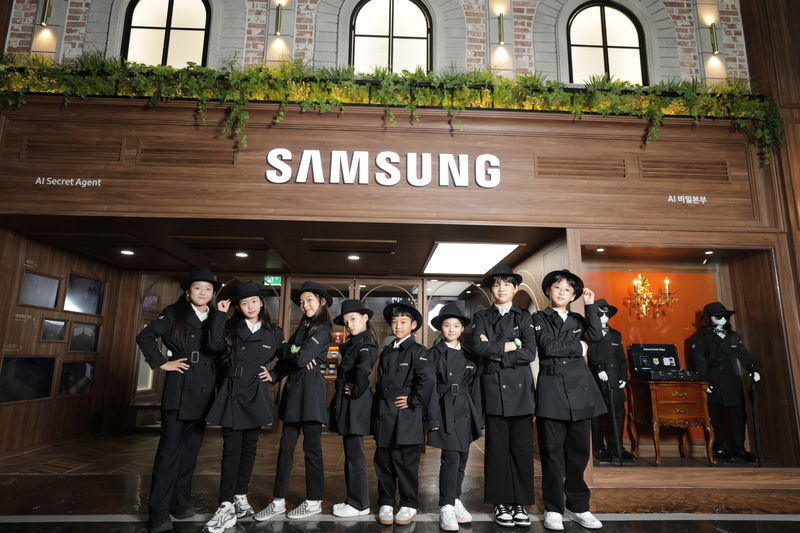
- A working child-sized city: Children take part in job simulations, with companies involved in creating the activities.
- KidZo has a purpose: The included 50 KidZo let children try earning, spending and saving a dedicated park currency.
- Three ticket formats: The first session runs 10:00 to 15:00, the second 15:00 to 19:30, and a five-hour option operates on weekdays during the off-season.
- Children do the activities alone: Supervisors lead each activity, while parents watch from outside through glass or screens.
- Korean is the language of play: On-site information, the mobile app and activities are in Korean only.
- Queues shape the day: You can reserve one activity at a time, and popular jobs may book up or involve a long wait.

👉 See our pick of the 25 Best Guided Tours In Seoul
A miniature city with real-world jobs
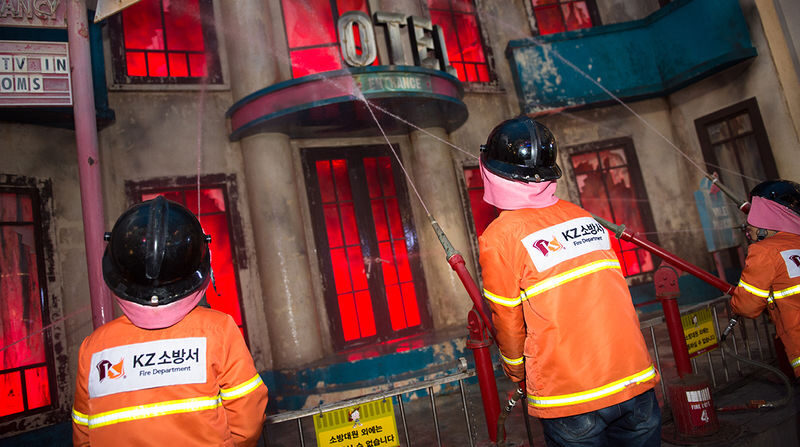
KidZania gives children a city of their own, built around the adult roles they see every day. Rather than riding through a conventional amusement park, they step into job activities and take on tasks with staff supervision. Firefighter, doctor and chef are among the examples, and the park advertises more than 100 activities.
The design is meant to connect pretend play with a little economic practice. Children receive a traveler’s check for 50 KidZo, the park’s exclusive currency. As they move between activities, they can earn and use KidZo, and try ideas such as saving or purchasing. That small loop makes the day more than a string of role-play rooms: children get a simple sense that work can bring a reward, and that money can be used in different ways.
After the job activities, children receive certificates and licenses for the experiences they completed. These are modest keepsakes, but they give each role a satisfying finish. For a child who likes collecting proof of a new skill, the certificates can add meaning to the play.
This is best understood as a child-focused activity, not a family attraction where everyone joins in. Children aged 3 to 15 are the intended participants, and only children can enter the job facilities. Adults stay outside and watch through the viewing glass or screens. That separation lets children try things on their own, but it also means parents cannot step in to translate instructions or reassure a hesitant child once an activity begins.
You can also read our reviews of more tours and experiences in Seoul



Picking the right session
The ticket options differ in timing, so check the session carefully before booking. The first session runs from 10:00 to 15:00, while the second runs from 15:00 to 19:30. A five-hour ticket is also listed, but it operates only on weekdays during the off-season, within the park’s 10:00 to 18:00 operating window.
The first session offers a clear five-hour block, which can work well for families who want a full morning and early afternoon indoors. The second session gives you a later start, but its 4.5-hour window is shorter. In either case, the ticket is valid only on the date selected, and the ticket type needs to match the hours you plan to attend.
The listed overall duration is three to four hours, but the first-session ticket itself covers five hours. Treat the session hours as the operating window, not a promise that you will be busy in activities every minute. Booking waits, activity schedules and the jobs operating that day affect how much your child can do.
The five-hour format may sound like the obvious choice, but it is not available every day. Check the operating schedule for your date rather than assuming that all three ticket options are interchangeable. If you need to change a booking, the stated policy is to cancel the original and make a new one.
The booking system matters
KidZania’s activities are scheduled, and that can change the rhythm of the day. You reserve one activity at a time, then wait for its start time and completion before booking another. Some families find this manageable, especially on a quieter weekday; others find that a long wait for a popular job leaves too little time for other choices.
Firefighter and pilot activities are among the popular options singled out in visitor accounts. Some families also refer to paid time tickets or express booking options for high-demand activities. Those extras are not part of the ticket inclusions described here, and availability or rules may vary, so check the current system before paying for an add-on.
A good strategy is to arrive early, get your ticket exchanged, and learn how reservations work before the session starts. The ticketing counter is on the first floor, and the process includes collecting a physical ticket, a boarding pass, KidZo and a safety bracelet. Entry takes place by group when staff announce the group on the screen. Keep the boarding pass and bracelet safe: losing the pass may affect entry order, and a lost bracelet can incur a charge.
Once inside, check the signs at each activity entrance for its rules and schedule. The attraction map can be downloaded in advance, which may help you work out where your child wants to go first. If your family has its heart set on a particular job, make that a priority rather than wandering without a plan.
Korean-only play, with an important caveat
The language issue deserves serious thought. Activities are conducted in Korean, and the facility’s information and mobile app are also available in Korean only. Some staff may use simple English or gestures, but you should not count on English instructions. A translation app can help you and your child understand signs or plan choices, but it cannot translate a live activity from outside the room.
How much this matters depends on the child. A younger child may be happy to copy what others do and focus on the hands-on task. An older child may want to understand the instructions, answer questions or follow the story behind a role, and could feel left out if the language is unfamiliar. Children who speak Korean are best placed to get the full benefit.
Parents cannot enter the facilities to interpret. Staff in each area supervise the children, and the viewing glass or screens let adults keep an eye on them from outside. That setup supports independent participation, but it is not a workaround for the language barrier. If your child is nervous about joining a group without understanding what is said, consider whether this is the right attraction for them.
What children do, and what parents do
The child’s day is a sequence of scheduled job activities. At each one, they take on a role under the direction of the facility supervisor. The exact activity mix can vary, and not every station may be operating at all times, so the large total of available experiences is not a guarantee that every option will be open on your date.
Parents, meanwhile, handle the practical side: helping choose activities, tracking the next reservation and waiting outside the facility. There are seats for parents inside, which is useful during a long session, but the main event belongs to the children. If you are hoping for a shared family activity, KidZania is not built that way.
Age also affects the appeal. The activities are designed for children aged 3 to 15, but the most satisfying fit may be for younger school-age children who are excited by everyday jobs and simple role-play. Older children may find some professions too basic, especially if they want more challenge or detailed instruction. A child’s interests and language ability matter more than the age range alone.





Getting there and handling the practical details
KidZania is at 240 Olympic-ro, Songpa-gu, Seoul, near Songpa Naru Park. From Jamsil Station on Line 2, use Exit 4 and walk about five minutes in the direction of Lotte Mart, then continue straight and turn left by the outdoor parking lot. The entrance can be confusing to locate, so allow time to find it rather than arriving at the last minute.
At the venue, present your mobile voucher at the group ticketing counter on the first floor and exchange it for a physical ticket. Everyone in the party must be present for redemption. The ticket includes admission for the selected session, an experience bracelet, 50 KidZo, and certificates and licenses for completed job activities.
Bring no food, as outside food is prohibited. Re-entry is not allowed after you leave, so plan bathroom breaks and meals before exiting. For certain activities, including the special force training center, sports flex and extreme climbing, Crocs, aqua shoes, sandals and other rubber shoes are restricted. Check the activity entrance notices for any further safety rules.
Children aged 0 to 2 enter free, but the activities are for ages 3 to 15. Children aged 3 to 15 must be accompanied by a paying adult. Children aged 16 and over pay the adult rate. Children aged 10 or older may enter independently if they bring proof of age, though the general rule is that children enter with guardians.
The offer is not available to holders of Korean passports. If that applies to your family, check eligibility before booking so you do not arrive with a ticket you cannot use.
Is the ticket good value?
With prices starting at $11.25, KidZania can be a reasonably priced way to give a child several hours of structured, hands-on play. The value is strongest when your child is keen on role-play, can follow Korean instructions or is comfortable learning by watching and doing, and when the day is not so crowded that waits dominate.
The starting price is not the whole budget. Optional fast or time-ticket products may cost extra, and the included 50 KidZo should not be confused with unlimited spending money. If you are considering add-ons, check the current prices and rules at the venue. A passport has also been offered as an optional purchase, with extra KidZo and a photo-card voucher described as part of one version, but confirm the current package before counting on those benefits.
For a family with a Korean-speaking child, the ticket’s value is easier to see: the child can take part in the jobs and understand the instructions. For a non-Korean-speaking child, the same price buys access to a well-equipped setting, but the learning and role-play may be thinner. If you are choosing between this and a broad family attraction, ask whether your child will enjoy doing activities independently in Korean, rather than assuming the park will work like a ride-based theme park.
Who should book KidZania Seoul?
I would put KidZania on the shortlist for children who love pretending to be grown-ups, enjoy collecting certificates, or get a kick out of earning and spending play money. It can also suit families looking for an indoor activity near Jamsil, provided the child is happy to enter activities without a parent and the Korean-language format is understood in advance.
Think twice if your child needs English explanations, is easily frustrated by waiting, or wants to move freely from one activity to another. Plan around the one-at-a-time booking system, arrive early, and prioritize the jobs your child most wants. If Korean is a major barrier, or your child prefers rides and activities the whole family can share, another Seoul attraction may be a better fit.
Seoul KidZania Job Experience Theme Park Ticket
“There was someone at the reception desk who could speak Japanese, which made it much easier to use than before! Since lockers cannot be used withou…”
FAQ
How long does a KidZania Seoul session last?
The first session runs from 10:00 to 15:00, and the second from 15:00 to 19:30. A five-hour ticket operates on weekdays during the off-season, within the 10:00 to 18:00 operating window.
What ages can take part in the job activities?
The activities are for children aged 3 to 15. Children aged 0 to 2 are admitted free, and people aged 16 and over pay the adult rate.
Are the activities available in English?
No. Activities are conducted in Korean only, and on-site information and the mobile application are also available in Korean only.
Can parents join children inside the job facilities?
No. Only children can enter each activity facility. Supervisors lead the activities, and parents can watch from outside through glass or screens.
How do I get to KidZania Seoul?
The address is 240 Olympic-ro, Songpa-gu, Seoul. From Jamsil Station on Line 2, take Exit 4 and walk about five minutes toward Lotte Mart, then turn left by the outdoor parking lot.
What is included with admission?
Admission includes entry to the selected session, an experience bracelet, a traveler’s check for 50 KidZo, participation in the park’s economic activities, and certificates and licenses for completed job experiences.