Rome’s grand sights are spread across a city best explored at a thoughtful pace, and an open-top bus gives you a useful first look at landmarks from the Colosseum and Roman Forum to St. Peter’s Basilica. I like the choice of 24, 48, or 72 hours and the included Yellow Line, which adds another operator’s route to the ticket.
The catch is that Rome traffic can turn a short ride into a long wait, and some stops are not right beside the sights. The Colosseum stop is currently suspended, so check the live route before building your day around it.
At a glance
- Two bus services are included: City Sightseeing Rome and the Vatican & Rome Open Bus, which operates the Yellow Line.
- Choose your pace: Passes are available for 24, 48, or 72 hours; there is also a one-hour night tour and a non-hop-on, hop-off loop ticket.
- Commentary comes in eight languages: English, Chinese, Japanese, French, German, Italian, Spanish, and Russian onboard.
- Plan for waits: Buses are scheduled every 20 to 25 minutes, but traffic and service gaps can make the wait longer.
- The ticket does not include entry: Colosseum, Roman Forum, Palatine Hill, and Vatican Museums admission costs extra unless you choose a bundled option.
- Check the Colosseum stop: Stop 3 is suspended until further notice, and route details can change.

👉 See our pick of the 25 Best Guided Tours In Rome
- At a glance
- A first look at Rome from the top deck
- What the route lets you see
- The Yellow Line adds useful flexibility
- The audio guide is for context, not a private guide
- Choosing a 24, 48, or 72-hour pass
- What the price buys, and what it does not
- Timing, stops, and the parts that can frustrate
- Getting on and using your ticket
- Who should book this Rome bus?
- FAQ
- How long are the hop-on, hop-off passes valid?
- How often do the buses run?
- Is the Colosseum bus stop open?
- Does the bus ticket include entry to the Colosseum or Vatican Museums?
- What languages are available for the onboard audio guide?
- Where can I show my mobile voucher?
- Is the activity wheelchair-accessible, and can I store luggage?
- The Best Of Rome!
- More City Tours in Rome
- More Tours in Rome
- More Tour Reviews in Rome
- Not for you? Here's more nearby things to do in Rome we have reviewed
A first look at Rome from the top deck
 1 / 9
 2 / 9
 3 / 9
 4 / 9
 5 / 9
 6 / 9
 7 / 9
 8 / 9
 9 / 9
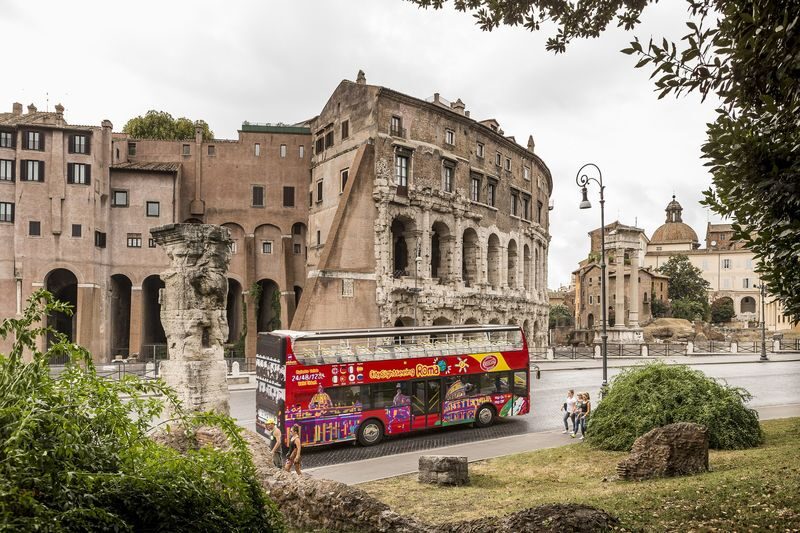
Rome is not a city you can neatly take in from one square. The main sights are spread across the historic center, the Vatican area, and beyond, while traffic can slow even a short trip. An open-top double-decker gives you a broad view as you move between districts, and it can help you decide where to spend your walking time.
I see this bus as an orientation tool and a way to rest your feet, not a fast shuttle between every monument. You can stay aboard for a circuit, listening to the audio and watching the city pass, or get off to explore and return to the route. The more you expect it to replace Rome’s buses, metro, and walking, the more likely you are to be disappointed.
You can also read our reviews of more city tours in Rome



What the route lets you see
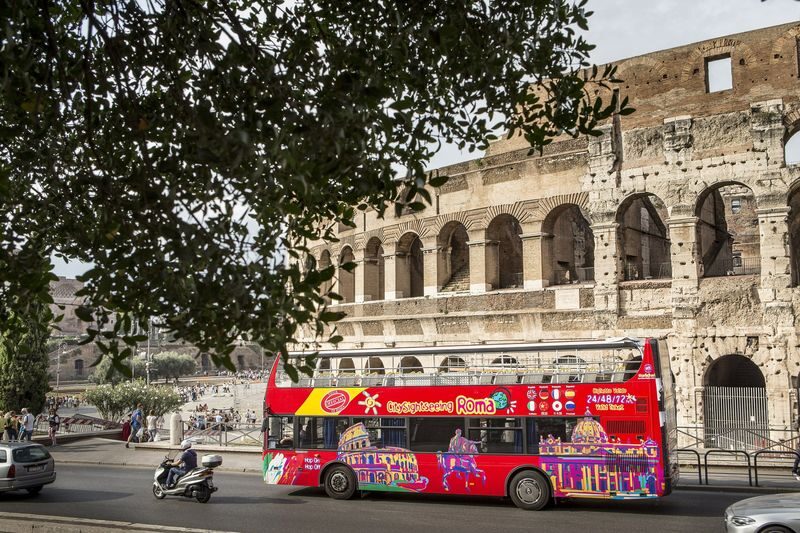
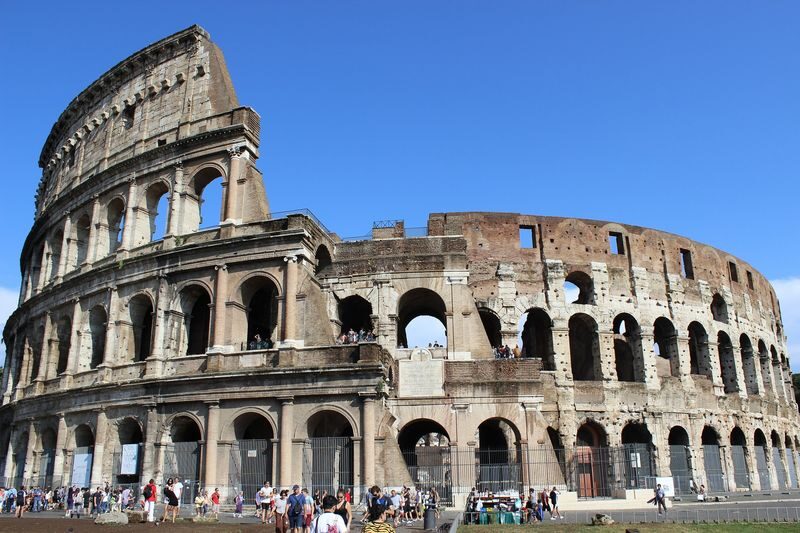
The experience is designed to pass major landmarks, including the Colosseum, Roman Forum, St. Peter’s Basilica, Santa Maria Maggiore, and the Spanish Steps. Views from the upper deck help you connect the city’s different parts, even when the bus does not deliver you directly to a museum door.
The Colosseum and Forum are the biggest draw for many first-time visitors. They sit within an area that rewards time on foot, so plan to get off, explore, and allow for the walk between the bus stop and the monuments. One important wrinkle: the listed Colosseum stop, number 3, is suspended until further notice. Confirm the current stop plan in the app rather than assuming you can step off at the arena itself.
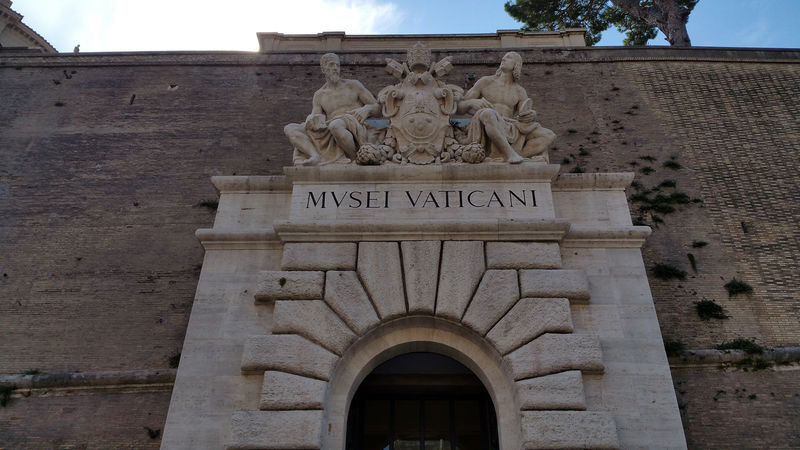
The Vatican is another major destination on the route. The bus can make the Vatican area easier to reach as part of a wider circuit, but the Vatican Museums and St. Peter’s Basilica are separate visits, not included admission. Museum hours can vary, and last admission is listed as two hours before closing, so check the current schedule before choosing a bus day around a timed visit.
Santa Maria Maggiore offers a different sort of stop, with a major church in the center of Rome rather than another ancient ruin. The Spanish Steps are also among the listed sights, though the practical value of the bus depends on the exact stop location and how much walking you are happy to do. In Rome, a stop name can sound closer than the actual entrance feels after a full day on your feet.
The route is not a guided walking tour, and the bus commentary cannot replace time inside the sites. Think of it as a moving overview: useful for seeing the scale and layout of Rome, less useful if you need the quickest possible point-to-point journey.
The Yellow Line adds useful flexibility
A City Sightseeing ticket includes access to both City Sightseeing Rome and the Vatican & Rome Open Bus. The latter operates the Yellow Line, an extra option that can give you more flexibility than relying on a single branded fleet.
That can matter when one bus is delayed or crowded. Some riders have found it useful to switch between services, but do not assume every bus arrives on a fixed schedule just because the timetable lists a 20-to-25-minute frequency. Rome’s traffic is the wild card, and some waits have stretched beyond half an hour.
The free Sightseeing Experience app provides live bus frequencies and timetables. I would keep it handy and use it to make decisions on the day, especially if you have a timed museum entry or need to return to Termini. A changed or suspended stop can affect your plan, so check the app and route notices before setting out.
The audio guide is for context, not a private guide
Onboard audio commentary is available in English, Chinese, Japanese, French, German, Italian, Spanish, and Russian. It gives you historical notes and facts while you ride, making the bus more than a window seat with wheels.
There is also a historic-center audio guide in English, French, Italian, German, and Spanish. The two audio offerings have different language lists, so check which one applies to the part of the experience you plan to use. The supplied details do not name a live guide; English-speaking staff are available, while the commentary is audio-based.
Sound quality and timing can vary. If you find the commentary hard to hear, treat it as a bonus rather than the main reason to book. Free onboard WiFi may help you check maps and route updates, though it is still wise to have your key stops saved before you board.
Choosing a 24, 48, or 72-hour pass
The 24-hour ticket makes sense if you want one day of sightseeing and plan to use the bus several times. Start early, use the first ride to get oriented, and choose a small number of stops to explore properly. Trying to cover every landmark in a day can turn a flexible pass into a schedule-management exercise.
A 48-hour pass gives you more room to split the city into manageable visits. You might use one day for the ancient sights and another for the Vatican area and central landmarks. It also leaves more breathing room if traffic slows the bus or you decide to spend longer at a site.
The 72-hour option suits a slower visit or someone who expects to use the bus on several days. It is not automatically the best value: the historic center’s sights are often close enough to combine on foot, and a bus route may require a walk from each stop. Choose the longer pass only if the route genuinely helps your plans, rather than buying extra days for the sake of having them.
The package menu also includes a one-loop ticket, a one-hour night tour, and passes bundled with Colosseum or Vatican Museum experiences. Read the exact package name before booking. A loop tour is not hop-on, hop-off, and ordinary bus passes do not include attraction admission. Bundled options differ, with some offering a Colosseum experience or Vatican Museum entry or tour.




What the price buys, and what it does not
Prices start at $22.19, though the cost depends on the ticket and package you select. At the basic level, you are paying for unlimited rides during the chosen pass period, onboard audio, WiFi, access to the two included bus services, and the freedom to get off and reboard along the route.
That can be good value if you use the bus repeatedly, want an easy overview, or prefer a seat between major sightseeing stops. It is weaker value if you take only one or two rides, or if your main destinations are close together and you would rather walk or use the metro. The bus is not guaranteed to save time: queues, traffic, and stop locations all matter.
Admission to attractions is not included in the standard ticket. Hotel pickup, meals, drinks, personal expenses, and tips are also extra. A bundled pass may cover a particular attraction or guided experience, but check the selected package rather than assuming every ticket includes entry.
Timing, stops, and the parts that can frustrate
Scheduled operating hours are 9:00 a.m. to 6:20 p.m. daily, with buses listed every 20 to 25 minutes. The final departure and last admission are shown as 6:20 p.m., but do not plan a late-day visit around that time without checking the current timetable and route.
Rome’s traffic can disrupt a tidy itinerary. A bus that arrives late can make a timed Colosseum or Vatican Museums booking stressful, so leave a generous buffer or take a taxi or public transport when the clock matters. The bus is best used when you have room to adapt.
Stop locations deserve a little homework. Some are a substantial walk from the attraction itself, and the Colosseum stop is suspended. The app is useful for live information, but I would still inspect the route before leaving your hotel and note a backup way to get home.
The experience is wheelchair-accessible, though the operator directs visitors to its official site for details about accessibility for people with disabilities. There is no luggage storage at the venue, so do not arrive expecting to leave bags behind.
Getting on and using your ticket
The meeting point is listed at Largo di Villa Peretti, while the stated terminals include Terminal A at Via Marsala 7 and Terminal C at Piazza dei Cinquecento, both near Termini station. These names and addresses can be easy to mix up. If you are joining the night tour, check the exact boarding point on your voucher and route information; one night-tour customer missed the departure after going to the wrong address.
You can present your mobile voucher to the driver or staff at a stop along the route. Keep it ready before boarding, and ask staff if you are unsure where to validate it or exchange it for a ticket. The process is meant to be straightforward, but knowing the correct stop in advance saves time.
Children aged 16 and older are charged the adult rate. The voucher is valid only on the date selected, and free cancellation is available when you cancel at least 24 hours before the activity date, using local time.
Who should book this Rome bus?
I would consider this bus if you are visiting Rome for the first time, want a broad introduction before choosing where to walk, or need a break from long days on foot. It can also suit families or anyone who likes seeing the city from an open upper deck, especially when weather and sunshine cooperate.
It is less suited to a tight schedule built around timed entries, or to anyone expecting a stop beside every attraction and a bus every 20 minutes without fail. If you are comfortable walking and using the metro, compare those options before paying. Rome’s center is often more rewarding on foot, but the bus can help you bridge distances and see more of the city from a different angle.
My call: book the 24-hour pass for a flexible overview, or choose 48 hours if you want to spread the major areas across two days. Use the app, verify the suspended Colosseum stop, and keep your most time-sensitive visits independent of the bus. If you mainly want a single ride around the sights, choose the loop ticket; if you need reliable transport to timed appointments, use another option.
Rome Hop-On Hop-Off Bus by City Sightseeing
“company was great with following up. they were also friendly”
FAQ
How long are the hop-on, hop-off passes valid?
You can choose a 24-hour, 48-hour, or 72-hour bus pass. The voucher is valid only on the selected date.
How often do the buses run?
The listed frequency is every 20 to 25 minutes, with service hours from 9:00 a.m. to 6:20 p.m. Traffic and operational changes can affect waits.
Is the Colosseum bus stop open?
Stop number 3, Colosseo, is listed as suspended until further notice. Check the current route before planning to use it.
Does the bus ticket include entry to the Colosseum or Vatican Museums?
No, not the standard bus ticket. Some package options bundle a Colosseum or Vatican Museums experience, so check the exact option you select.
What languages are available for the onboard audio guide?
The onboard audio guide is available in English, Chinese, Japanese, French, German, Italian, Spanish, and Russian. The historic-center audio guide is available in English, French, Italian, German, and Spanish.
Where can I show my mobile voucher?
Present it to the bus driver or staff at a stop along the route. The listed meeting point is Largo di Villa Peretti, and terminals are also listed near Termini station.
Is the activity wheelchair-accessible, and can I store luggage?
The activity is listed as wheelchair-accessible, with further accessibility details available from the venue. There is no luggage storage facility at the venue.