In a quiet village about 30 minutes from Canggu, you can trade traffic and beach plans for a spinning pottery wheel in a working Balinese studio. The artist teaches by showing and guiding your hands, so you get clay under your fingernails before you get a long talk about it.
I like two things in particular: the generous time at the wheel, with an hour of guidance plus half an hour to practise, and the chance to learn in a studio that has been making ceramics for 30 years. The friendly, patient instruction also makes this a sensible first pottery class, not a test of hidden artistic talent.
One point to keep in mind: your wheel-made piece may not be the item you take home. The included souvenir is a handcrafted cup, and the details do not say that your own clay work will be fired or ready to carry away.
- Key points before you book
- A village studio, not a polished tourist set
- Learning by making, not listening
- Your first turns at the pottery wheel
- Decorating your piece and seeing the craft factory
- How much value you get for the price
- Who will enjoy this pottery class
- Practical details to know
- Should you book the Ceramic Toy Arsa workshop?
- FAQ
- Where is the pottery workshop?
- How long do I spend at the pottery wheel?
- Do I need pottery experience?
- What languages are supported?
- What is included in the price?
- Is transport included?
- What should I wear?
- What is the minimum age?
- The Best Of Bali!
- More Workshops & Classes in Bali
- More Tours in Bali
- More Tour Reviews in Bali
- Not for you? Here's more nearby things to do in Bali we have reviewed
Key points before you book
 1 / 7
 2 / 7
 3 / 7
 4 / 7
 5 / 7
 6 / 7
 7 / 7
- A working village studio: Ceramic Toy Arsa is in Pejaten, Tabanan, away from the busier streets of Canggu.
- A long session at the wheel: You get one hour of guided instruction, then 30 minutes to practise independently.
- Beginner-friendly teaching: The artist guides you step by step and uses touch and observation rather than long explanations.
- A creative finish: You can add playful details such as butterflies or geckos to your piece.
- A look behind the craft: The visit includes a glimpse of the studio’s craft factory.
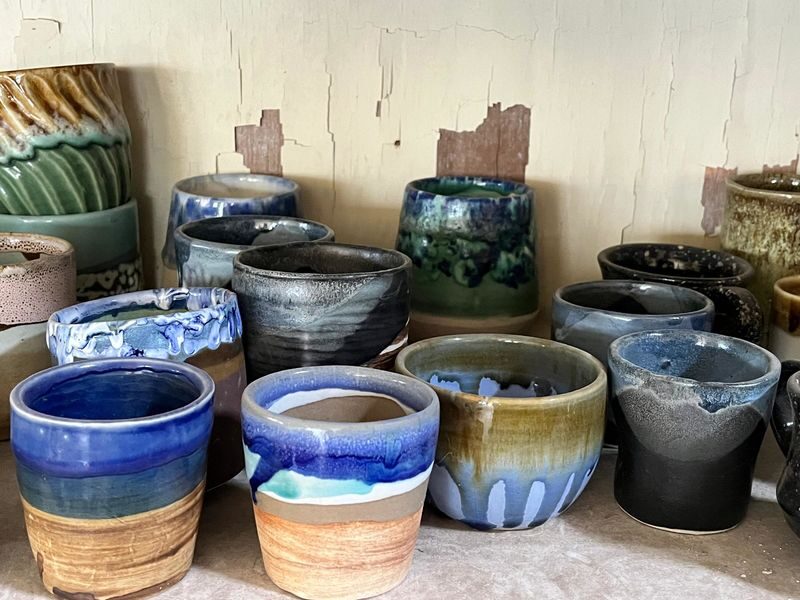
- A cup to take home: The package includes one handcrafted souvenir cup, along with unlimited clay and use of the tools.

👉 See our pick of the Best Shopping Tours In Bali
A village studio, not a polished tourist set
Ceramic Toy Arsa is in Pejaten, in Tabanan Regency, Bali. It is described as about 30 minutes from Canggu, making this a useful change of pace if your days there have been built around cafes, shops, and the coast.
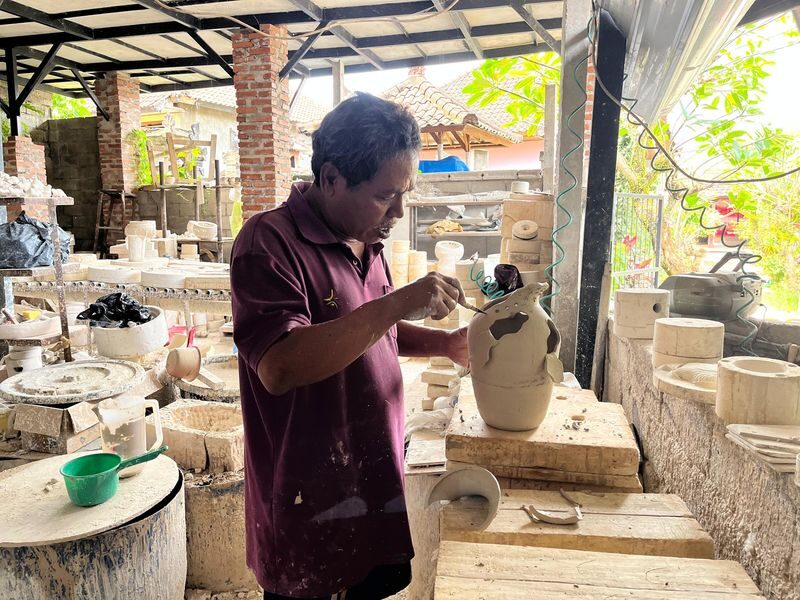
The studio has been established for 30 years, and the artist leading the session has more than three decades of experience. That matters because you are not just paying for access to a wheel. You are learning in a place where pottery is a practiced craft, with an instructor who has spent years working with clay.
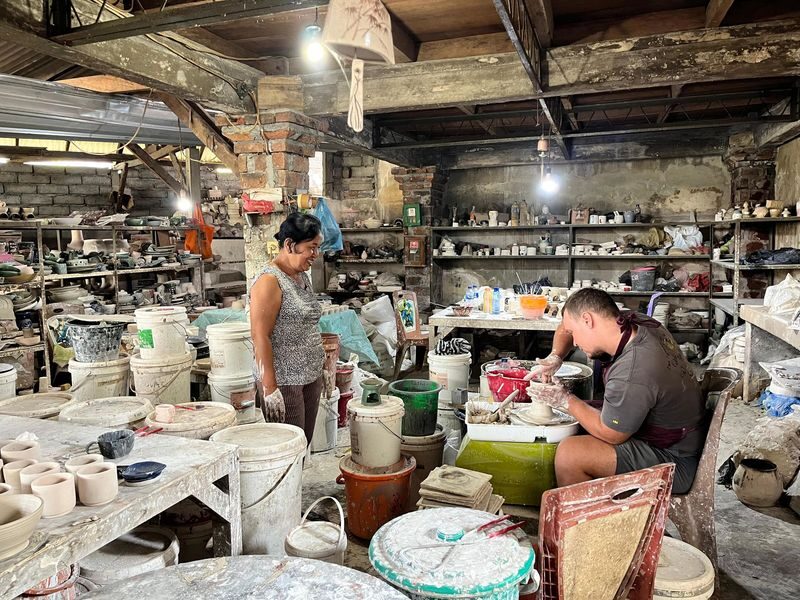
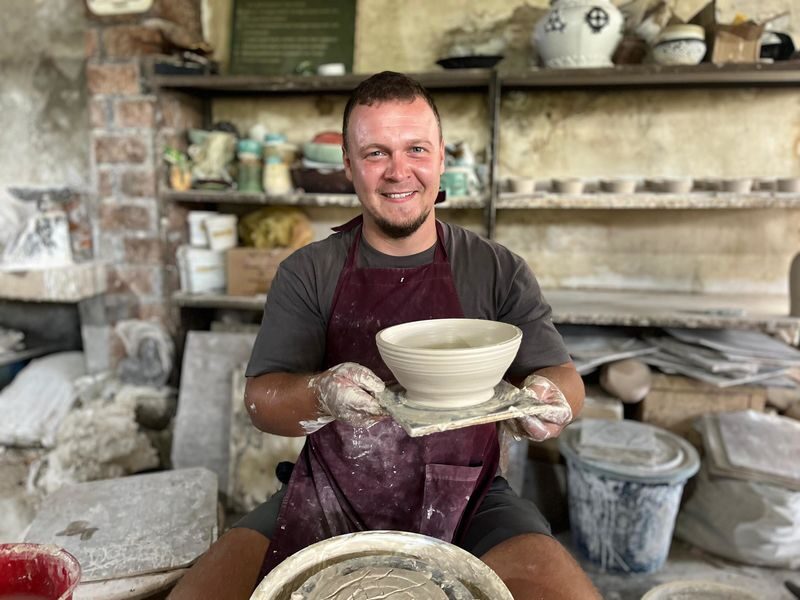
The setting is also part of the appeal. The workshop takes place in a quiet Balinese village, rather than in a large activity venue designed only for short visits. You should expect a hands-on session in an artist’s studio, with a chance to see some of the work that goes on beyond the class.
Transport is not included, so plan how you will reach Pejaten before you book. The meeting point is Ceramic Toy Arsa, at Ceramic Toy Arsa, Pejaten, Kediri, Tabanan Regency, Bali 82121. If you are staying in Canggu, the stated travel time gives you a rough idea, but allow for your own transport arrangements.
You can also read our reviews of more tours and experiences in Bali


Learning by making, not listening
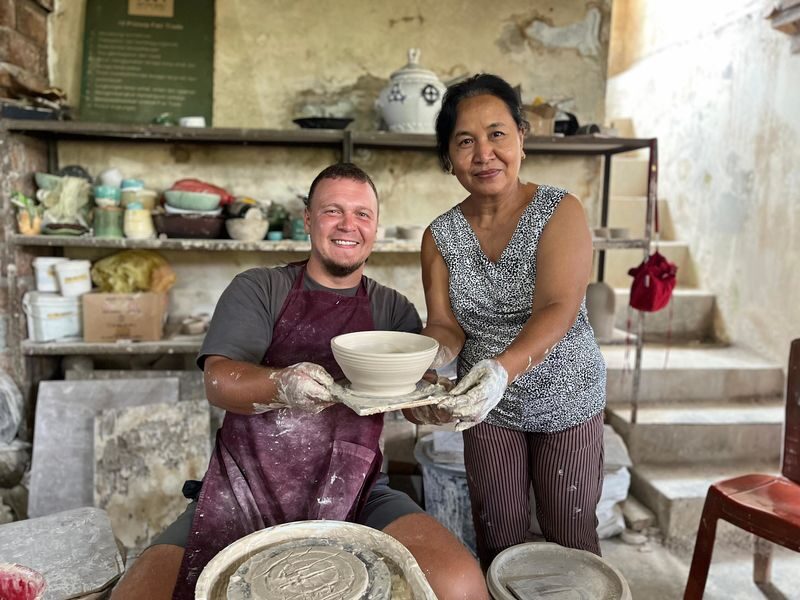
This class is designed for beginners, and the teaching style suits that audience. Rather than sitting through a long introduction, you learn through the artist’s demonstrations, your own hands, and close observation. The instructor guides your hands as you shape the clay, helping you understand how the material responds.
That approach is useful because pottery can feel unfamiliar at first. Clay shifts under pressure, and a small change in how you hold it can affect the shape. A teacher beside you can correct your grip and show you what to do as the wheel turns. You are not expected to arrive knowing how to centre clay or form a cup.
The schedule gives you one hour of guided instruction on the wheel. This is enough time to try the basic motions with support, rather than being handed a lump of clay and left to guess. After that, you have 30 minutes to practise by yourself. That second stretch is valuable: you can repeat a movement, try a new shape, or simply get more comfortable working at your own pace.
The session is described as a private class option. If you value direct attention or are taking the class with someone close to you, that format may be a good fit. The available details do not specify the maximum number of people in a booking, so check the exact option when reserving.
Your first turns at the pottery wheel
The wheel is the heart of the workshop. The artist helps you shape the clay, and you get several turns to practise and find a rhythm that feels natural. That repetition is more useful than a single quick attempt, especially if you have never touched a pottery wheel before.
Expect the first effort to be about learning how the clay behaves, not producing a perfect vessel. The stated aim is to experience clay the way the artist works with it, and the class is explicitly suitable for beginners. You can come with curiosity rather than a plan to leave with a flawless set of tableware.
The guided hour gives you hands-on help, while the final half hour lets you work independently. Together, those blocks strike a sensible balance. Too much instruction can make a creative class feel like a lecture; too little can leave a novice stuck. Here, you have both a teacher’s input and a little room to experiment.
Unlimited clay is included, along with use of the pottery wheel and tools. That means you can focus on learning and trying again, rather than worrying about using up a small allotment of material. Casual clothing is recommended, which is practical for an activity involving wet clay.
Decorating your piece and seeing the craft factory
After working at the wheel, you can decorate your piece with playful details such as butterflies or geckos. This gives the session a lighter, more personal finish. You do not need to be an experienced artist to add a simple motif, and the point is expression rather than precision.
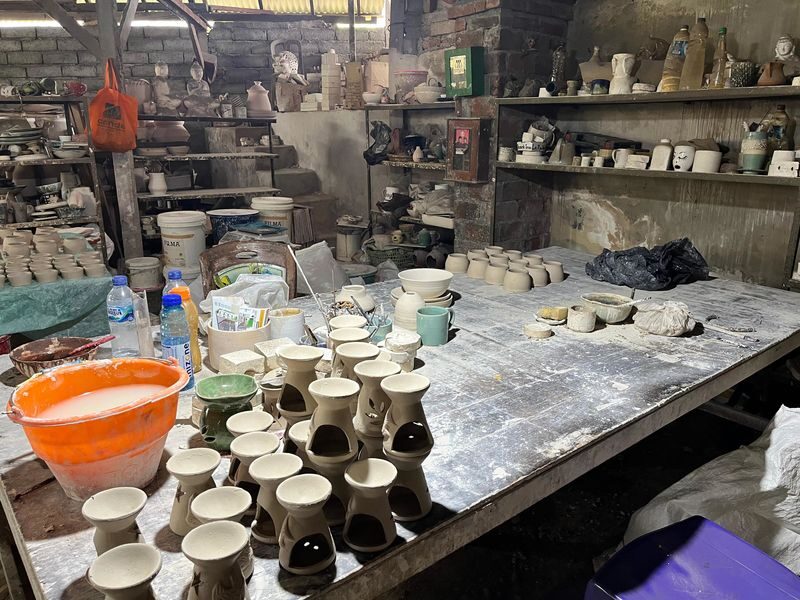
You will also get a glimpse of the studio’s craft factory. This adds context to the class: pottery is not only a single person at a wheel, but part of a broader making process. The details do not spell out exactly what you will see or how long this part lasts, so treat it as a brief look into the studio’s work rather than a full factory tour.
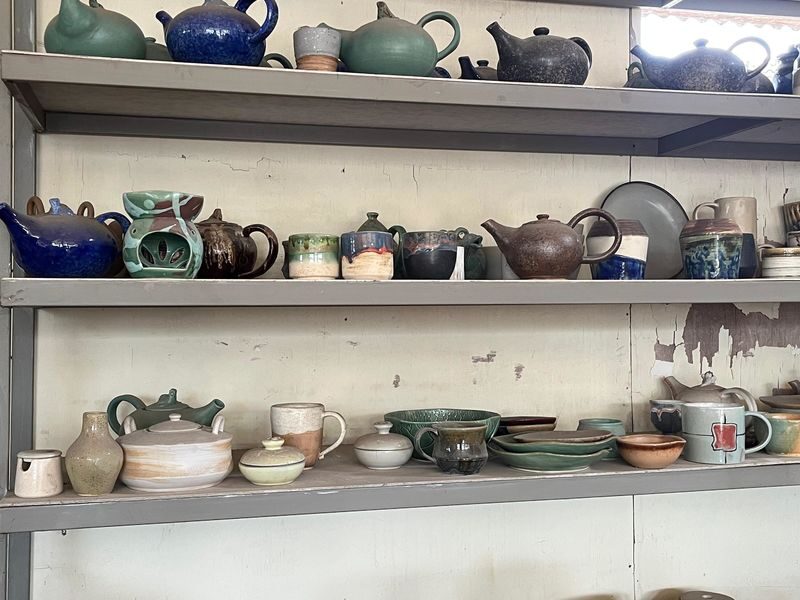
There is an important distinction between the piece you make and the souvenir included in the package. The workshop says you can take home a handcrafted cup, but it does not say your own wheel-made work will be fired, glazed, or available to collect. If bringing home your own creation is essential, ask about that before booking. Otherwise, think of the included cup as a separate keepsake from the studio.
How much value you get for the price
The listed starting price is around US$32.45, while the private class package information also gives a starting figure of US$29.49. Prices can vary by package or booking details, so confirm the amount for the option and date you select.
For the price, the main value is the time and instruction: 90 minutes divided between guided wheel work and independent practice, plus unlimited clay, tools, and an instructor. You also get a studio visit, decoration time, a look at the craft factory, and a handcrafted cup to take home. This is a more substantial activity than a brief demonstration or a short attempt at the wheel.
It is not the cheapest option if you are only looking for a souvenir. The value makes more sense if you want to learn a tactile skill and enjoy a slower activity away from Canggu. You are paying for personal instruction and a chance to try pottery in a long-established studio, not simply for a finished object.
A single five-star account describes staff as friendly, patient, and welcoming, and says the instructor guided the class step by step. That experience is consistent with the workshop’s beginner focus. The participant also described making a glass and a bowl, which suggests there may be room to try different forms, but the exact pieces you make will depend on the session. The included take-home item remains a handcrafted cup.



Who will enjoy this pottery class
This is a good choice if you want a creative break from Bali’s usual beach and food routines. It should suit first-timers, couples, friends, and families with children aged six or older. The class is built around doing, so it works best if you are comfortable getting involved and learning through trial and practice.
It is also a worthwhile fit if you are interested in how local craft is made, rather than just buying a finished object. The studio’s long history and the artist’s experience give the activity a stronger connection to pottery as a working craft. You get to handle the material, learn basic wheel techniques, and see a little of the wider studio operation.
It may be less suitable if you have very limited time, do not want to arrange your own transport, or expect to take home the exact piece you make. The activity is outside Canggu, transport is excluded, and the information does not promise that your clay work will be fired and returned. Plan around those limits, and the class can be a relaxed, rewarding half-day-style outing, though the total duration is not specified.
Practical details to know
The meeting point is Ceramic Toy Arsa in Pejaten, Kediri, Tabanan Regency. Bring casual clothes, and remember that you are responsible for getting there. The activity is open to participants aged six and up.
The package includes an English- or Bahasa Indonesia-speaking guide, an instructor, pottery wheel and tools, unlimited clay, and one souvenir cup. Personal expenses and transport are not included. Your voucher is valid only for the date and time specified on it.
You can change a booking up to 24 hours before the activity, with some exceptions for bookings made through certain passes, presales, freebies, or before a voucher has been issued. A full refund is available if you cancel at least 24 hours before the activity date in Bali local time.
Should you book the Ceramic Toy Arsa workshop?
Book it if you want a hands-on introduction to pottery in a village studio, and value patient guidance more than a guaranteed perfect result. The combination of guided wheel time, independent practice, decoration, and a handcrafted cup makes the price reasonable for a substantial craft activity.
Skip it if you need transport included or want a firm promise that the piece you make will be ready to take home. For everyone else, especially a beginner curious about working with clay, Ceramic Toy Arsa offers a grounded and enjoyable way to spend time beyond Bali’s usual coastal circuit.
Pottery Workshop with Balinese Artist at Ceramic Toy Arsa
“I had such a lovely experience at this pottery workshop. The staff were incredibly friendly, patient, and welcoming, which made the whole session f…”
FAQ
Where is the pottery workshop?
It takes place at Ceramic Toy Arsa in Pejaten, Kediri, Tabanan Regency, Bali 82121.
How long do I spend at the pottery wheel?
The workshop includes one hour of guided instruction on the wheel, followed by 30 minutes of independent practice.
Do I need pottery experience?
No. The class is designed for beginners, and the instructor guides you step by step.
What languages are supported?
The package includes an English- or Bahasa Indonesia-speaking guide.
What is included in the price?
You get an instructor, a guide, use of the pottery wheel and tools, unlimited clay, and one souvenir cup to take home.
Is transport included?
No. Transport and other personal expenses are not included.
What should I wear?
Casual clothing is recommended.
What is the minimum age?
Participants must be at least six years old.