The appeal here is simple: you get two hours to work with clay, learn at your own pace, and make something of your own in a small studio group of one to four people. You can choose wheel throwing or hand-building, and no pottery background is needed.
I like the step-by-step instruction and the fact that the class is designed for beginners, not just people who already know what they are doing. I also like that the studio’s named instructor, Ms. Mona, was praised for her patience and that the space was described as cozy and relaxing.
One thing to plan for: the listed price does not cover firing and glazing, and your piece will not be ready to take home at the end of class. You’ll need to arrange collection about 4 to 5 weeks later, with charges based on the size of the work.
- Two hours at the wheel or hand-building table: Choose the method that sounds more appealing, with an instructor guiding you through the basics.
- A small group, capped at four: That gives the instructor room to offer guidance, though the exact amount of one-to-one help will depend on the group.
- Clay and tools are provided: You can arrive ready to work without bringing pottery equipment.
- One original piece is included: Firing and glazing are separate costs, and collection is later.
- A practical location near Commonwealth MRT: The studio is a five-minute walk from Exit B.
- Trial or six-session options: Try one class, or choose a longer beginner course in hand-building or wheel throwing.
- A first taste of pottery at Clay-Street
- Choosing the wheel or hand-building
- How the two-hour session takes shape
- The studio atmosphere and instruction
- What the price includes, and what it does not
- Getting there and planning your visit
- Who will get the most from this class
- Should you book Clay-Street?
- FAQ
- How long is the pottery trial?
- Do I need pottery experience?
- Can I choose between wheel throwing and hand-building?
- What is included in the trial?
- Are firing and glazing included in the price?
- When can I collect my artwork?
- What is the minimum age?
- How many people can take part in a group?
- Where is Clay-Street, and how do I get there?
- Which days is the studio open?
- The Best Of Singapore!
- More Workshops & Classes in Singapore
- More Tours in Singapore
- More Tour Reviews in Singapore
- Not for you? Here's more nearby things to do in Singapore we have reviewed
A first taste of pottery at Clay-Street
 1 / 7
 2 / 7
 3 / 7
 4 / 7
 5 / 7
 6 / 7
 7 / 7
Clay-Street’s 120-minute trial is built around making rather than watching. You’ll work with clay under guided instruction, either shaping it by hand or trying the pottery wheel. The session is beginner-friendly, so you do not need to arrive with a plan, a practiced technique, or a closet full of aprons.
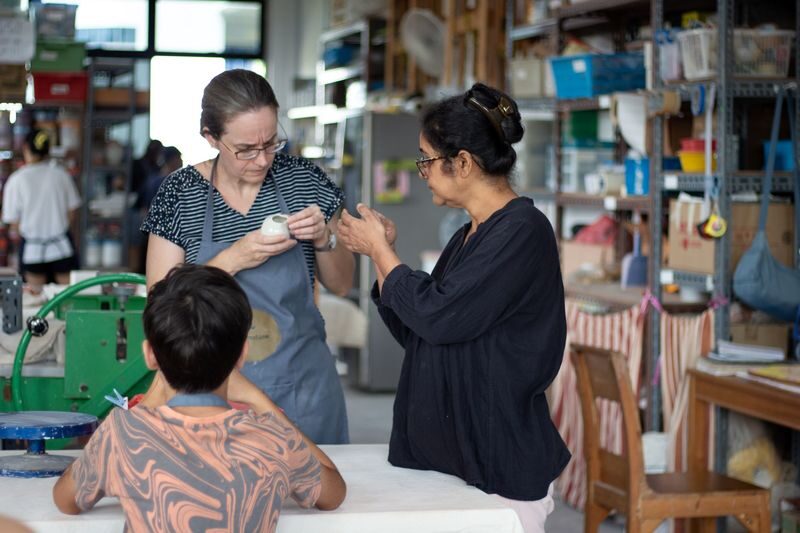
The group size is limited to one to four participants. That small cap matters in a craft class: pottery can feel awkward at first, and a little timely guidance can save you from wrestling with a lopsided lump of clay for the full two hours. An experienced instructor leads the session in English, with tools and practice materials supplied.
Ms. Mona is one instructor associated with the studio, and her patient approach was specifically praised after a class. You may not be assigned to her, so treat her name as a useful indication of the studio’s teaching style rather than a guarantee about who will lead your session.
The studio is at 115A, #05-01, Commonwealth Drive, inside The Extra Space building. It is about a five-minute walk from Commonwealth MRT Station, Exit B, and there is nearby parking at HDB car parks. The location is convenient for a class, but it is not an attraction in itself: the main reason to come is the time at the clay.

👉 See our pick of the 25 Best Guided Tours In Singapore
Choosing the wheel or hand-building
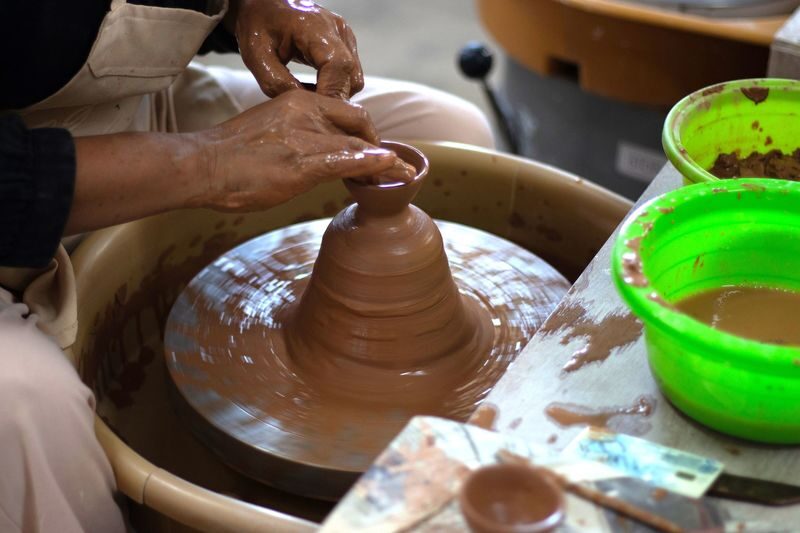
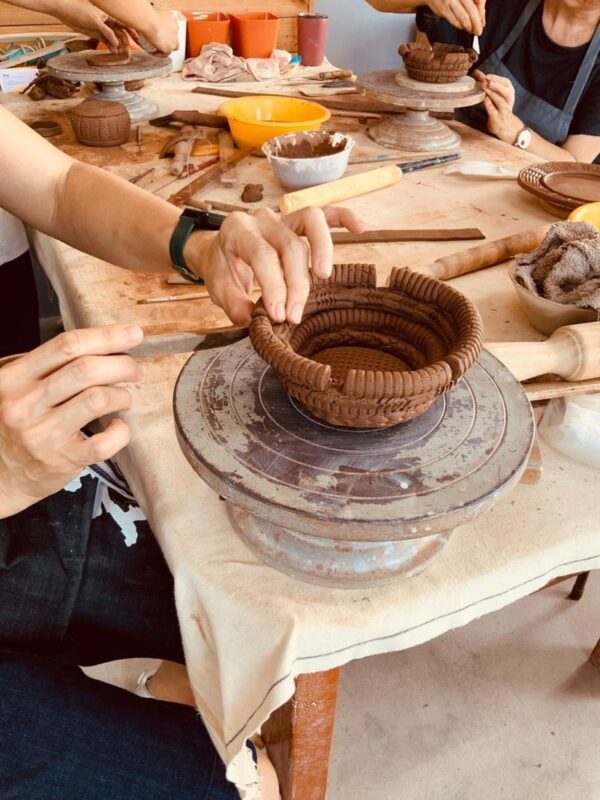
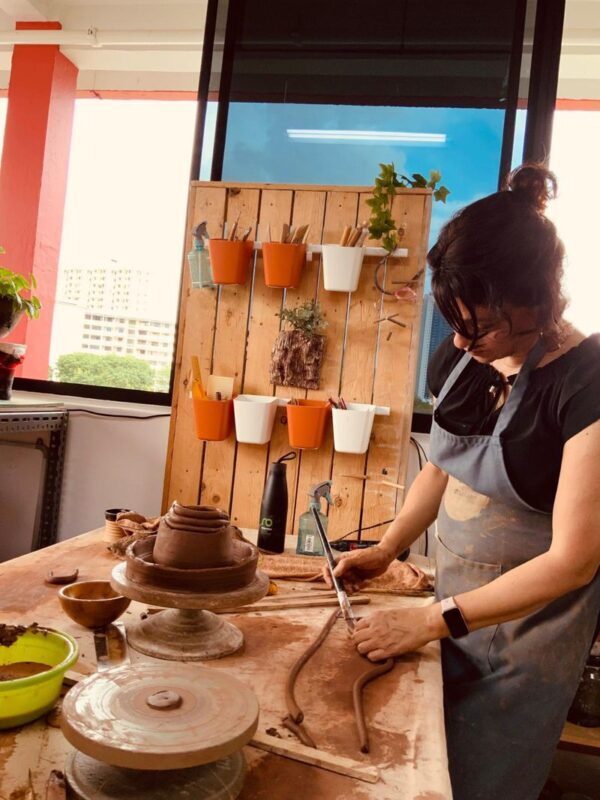
The two ways to work suit different moods. Wheel throwing is the classic pottery image: you sit at a wheel and shape clay as it turns. Hand-building lets you form a piece without using the wheel. Clay-Street offers both, and the trial class gives you a guided introduction to the option you select.
The details provided do not spell out which shapes or techniques you will cover, so I would not book with a fixed idea of leaving with a particular bowl or cup. Instead, think of the class as a first encounter with the method. The goal is to learn by doing and make a unique piece, not to produce a flawless object on a deadline.
If you are unsure which format to pick, consider what you want from the session. Choose wheel throwing if the turning wheel is the part of pottery you most want to try. Choose hand-building if you would rather work directly with the clay in your hands. For a more sustained introduction, Clay-Street also offers six-session beginner journeys in both methods.
You can also read our reviews of more tours and experiences in Singapore



How the two-hour session takes shape
The class is described as a step-by-step, guided experience. You can expect to work with clay and use the supplied tools and equipment, with an instructor helping you through the making process. The exact sequence and amount of instruction are not specified, so it is sensible to arrive ready to follow the teacher’s lead rather than expect a set project or a detailed syllabus.
The session includes practice clay as well as material for making your artwork. That is useful for beginners: learning a tactile craft often means trying, adjusting, and trying again. You are not expected to bring your own supplies, and the class is intended to be welcoming even if this is your first time near a pottery wheel.
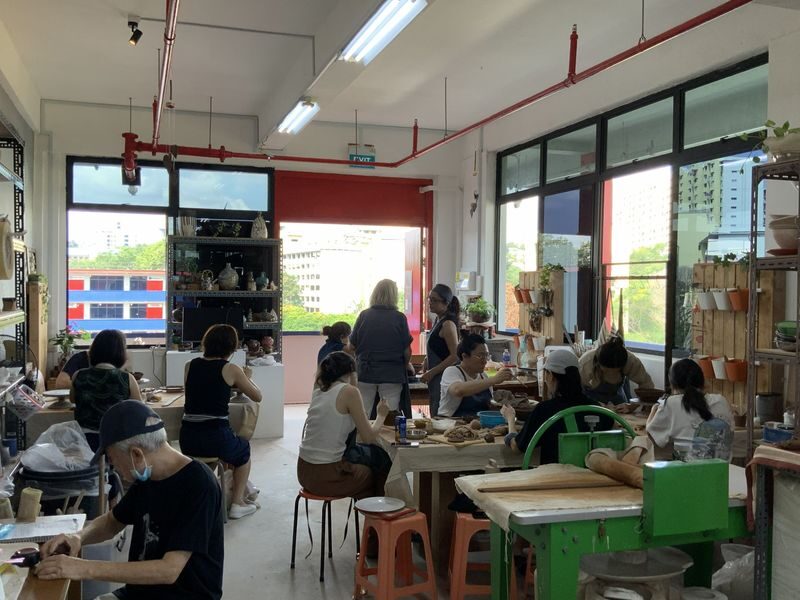
The group size of one to four keeps the class intimate by workshop standards. If you book alone, you may be in a session with other participants, or you may be the only person booked; the minimum is one participant. The small maximum is a plus for asking questions, though it does not promise private tuition.
At the end, you will have made one unique artwork. The finished ceramic needs more time before it is ready for collection. Firing and glazing are not included in the stated inclusions and are charged separately according to the piece’s size. The work is available for self-collection in about four to five weeks, so this is not the right activity if you want to carry a finished souvenir straight back to your hotel.
The studio atmosphere and instruction
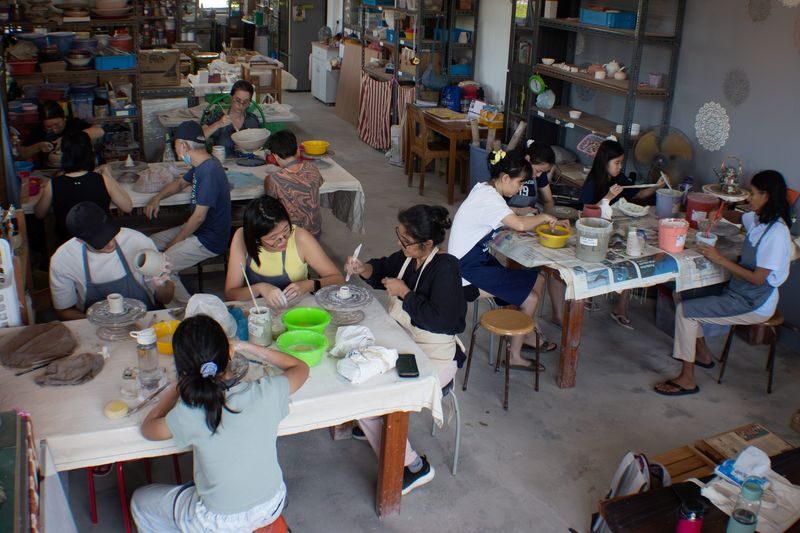
Pottery is a welcome change from Singapore’s busy streets and tightly planned sightseeing days. The studio has been described as cozy, clean, and relaxing, with a calm feel that suits a hands-on activity. That atmosphere is part of the value: you can slow down, focus on the clay, and spend a couple of hours making something rather than moving from one landmark to another.
The most useful praise for the class concerns its instruction. Ms. Mona was described as patient and supportive throughout the session, which is exactly the kind of teaching beginners need. Pottery has a learning curve, and a relaxed instructor can make the difference between enjoying the process and feeling that you are getting everything wrong.
There is only one published rating in the information available, so it is too soon to draw broad conclusions about consistency across instructors or sessions. Still, the individual account points to the qualities that matter most for a first class: a welcoming space, patient help, and an easygoing pace. If you are booking for a child or a nervous beginner, those are reassuring signs, but you should still remember that each class depends on the instructor and the group that day.
The workshop is open to participants aged eight and older, and the same price applies to all ages. It is listed as stroller- and wheelchair-accessible. If access needs are central to your plans, contact the studio before booking to confirm any practical details for your particular visit.
What the price includes, and what it does not
The 120-minute trial is listed from US$62.65 as a package option, while the experience summary gives a starting price of US$68.95. Those figures differ, so check the live price and selected package at booking rather than assuming one is the final total. The price applies equally to all ages.
For the trial, the included items are admission, an English-speaking instructor, guidance, clay for practice and making, tools and equipment, and one artwork. For a two-hour creative class, that is a useful bundle: you are not paying just to use a studio, but also for instruction and materials.
The main extra cost is finishing the piece. Firing and glazing fees are separate and depend on the size of your work. Since the price of those services is not specified here, ask the studio about the likely charge before you start if you have a firm budget. You should also account for the return trip to collect your piece several weeks later.
If one class leaves you wanting more, the six-session beginner hand-building and wheel-throwing journeys are each listed from US$274.09. A course is a better fit if you want more time to build skills, while the trial makes sense if you mainly want to test pottery and enjoy a single creative session. Compare the full cost, including finishing charges, before deciding which option offers the better value for you.
Getting there and planning your visit
Clay-Street is at 115A, #05-01, Commonwealth Drive, Singapore 149596, within The Extra Space building. From Commonwealth MRT Station, take Exit B and allow about five minutes to walk. Nearby HDB car parks provide parking if you are arriving by car.
Classes run Monday, Tuesday, Wednesday, and Saturday, from 10:30 a.m. to 4 p.m. The studio is closed Thursday, Friday, and Sunday. Those hours are a little narrower than a typical all-day attraction, so check that your chosen time works with the rest of your Singapore plans.
Arrive five minutes before the scheduled start. Late arrivals and no-shows are not refundable, so give yourself enough time to find the building and studio. You will need to present the voucher from the Klook app. Booking confirmation is due within 24 hours; if it does not arrive, contact customer support.
The voucher is valid only for the date and time specified, where a time is shown. If plans change, rescheduling, amendments, and refunds are subject to availability. A full refund is available when you cancel at least 24 hours before the activity date in local time. For changes, contact the operator by WhatsApp at +65 9637 0743 or by email at [email protected].






Who will get the most from this class
This is a strong choice if you want a practical, creative break and do not mind waiting to collect what you make. It suits first-timers, families with children aged eight or older, couples, and small groups who would rather share a hands-on activity than spend another afternoon shopping or sightseeing.
It is also a good fit if you are curious about pottery but not ready to sign up for a longer course. The trial lets you test either hand-building or the wheel, while the six-session courses offer a clearer path if you want to keep learning. The group cap of four is especially appealing if you value a quieter class over a large, lively workshop.
I would think twice if you have only a short stop in Singapore, want a finished souvenir immediately, or need to know the total cost down to the last dollar before booking. The firing and glazing charges are extra, and collection takes four to five weeks. The need to return makes the class more practical for residents, longer-stay visitors, or people who can arrange collection later.
Should you book Clay-Street?
Book the trial if you want a relaxed introduction to pottery, appreciate patient instruction, and are happy to treat the process as the main event. The small group, supplied materials, and choice of wheel throwing or hand-building make it an approachable first class. Just budget for finishing charges and plan how you will collect your work later.
If you already know pottery is your thing, compare the six-session beginner courses instead. If you are only looking for a quick activity with a finished keepsake in hand, choose something else. Clay-Street is best for the pleasure of learning and making, with the ceramic waiting as a later reward.
Pottery Workshop in Singapore by Clay-Street
“I'll definitely be back! Ms. Mona was incredibly patient and amazing throughout the whole experience. The studio feels so cozy, welcoming, and has…”
FAQ
How long is the pottery trial?
The trial experience lasts 120 minutes.
Do I need pottery experience?
No. The class is beginner-friendly, and no prior experience is needed.
Can I choose between wheel throwing and hand-building?
Yes. Clay-Street offers guided wheel throwing or hand-building. The six-session beginner courses are also available separately for each method.
What is included in the trial?
The trial includes admission, an English-speaking instructor, guided instruction, clay for practice and making, pottery tools and equipment, and one unique artwork.
Are firing and glazing included in the price?
No. Firing and glazing fees are charged separately, based on the size of the piece.
When can I collect my artwork?
Your finished ceramic is available for self-collection in approximately four to five weeks.
What is the minimum age?
Participants must be at least eight years old. The same price applies to all ages.
How many people can take part in a group?
The group size is one to four participants. The activity requires at least one participant.
Where is Clay-Street, and how do I get there?
The address is 115A, #05-01, Commonwealth Drive, Singapore 149596, inside The Extra Space building. It is about a five-minute walk from Commonwealth MRT Station, Exit B. Nearby HDB car parks are available.
Which days is the studio open?
The studio is open Monday, Tuesday, Wednesday, and Saturday from 10:30 a.m. to 4 p.m. It is closed Thursday, Friday, and Sunday.