At Patong Elephant Hug, the main event is getting close enough to feed elephants fruit and watch their individual eating habits. Some packages add a shower, an art activity, or a longer set of Thai food and craft experiences, so you can choose between a brief visit and a fuller outing.
I like two things here: the range of package lengths, which lets you fit an elephant visit around a busy Phuket day, and the included hotel transfers on selected bookings. Staff also help with photos, and the longer programs can introduce you to Thai desserts and elephant-dung paper-making.
The trade-off is that close contact is central to the experience. Riding is prohibited, but feeding, hugging, and, in one package, showering are hands-on activities. If you prefer to observe elephants from a distance, this camp may not suit you.
- What to know before you book
- Meeting the elephants at Patong Elephant Hug
- The one-hour feeding visit
- Add a shower, art, or half-day program
- A tropical setting, with Patong nearby
- Guides, photos, and the details that shape the visit
- Is the price worth it?
- Welfare and comfort considerations
- Who should book Patong Elephant Hug?
- FAQ
- How long does the Patong Elephant Hug experience take?
- Are hotel transfers included?
- Can I ride the elephants?
- What languages are available for guidance?
- What should I bring?
- Who can take part?
- The Best Of Phuket!
- More Tours in Phuket
- More Tour Reviews in Phuket
- Not for you? Here's more nearby things to do in Phuket we have reviewed
What to know before you book
 1 / 9
 2 / 9
 3 / 9
 4 / 9
 5 / 9
 6 / 9
 7 / 9
 8 / 9
 9 / 9
- Fruit feeding is the one-hour core experience. You meet the elephants, hear about their habits and care, and have time for photos.
- Choose your package carefully. Shower and art options last about 1.5 hours; the half-day program runs three hours and adds more activities.
- Transfers can save time and hassle. Round-trip hotel transport is included with selected packages, while some longer options are also available without it.
- The camp offers guidance in English, Thai, and Chinese. If your preferred language is not available, ask staff which group you should join.
- Photo help and refreshments are part of the welcome. Staff may take pictures for you, though photo quality can vary.
- Expect a small group, not a private visit. The stated group size is one to 15 participants.

👉 See our pick of the 24 Best Shopping Tours In Phuket
Meeting the elephants at Patong Elephant Hug
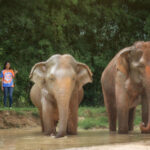
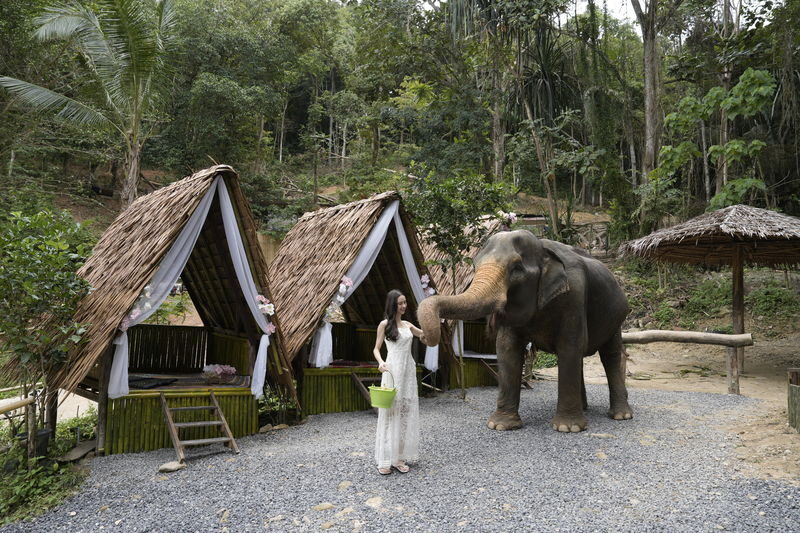
This is a close-contact visit in Patong, rather than a long trek or a wildlife-watching trip. You learn about the elephants’ stories, habits, and daily care, then take part in feeding them seasonal fruit. The camp says its elephants are rescued, and riding is strictly prohibited.
The basic package is built around a simple exchange: you get a chance to feed and photograph the elephants, while the guide explains how to approach them and behave around them. That guidance matters. Elephants are large, strong animals, and a calm, attentive visit is better for you and for them than treating the encounter as a photo prop.
The experience is social and hands-on. You may be close enough for a trunk-to-shoulder pose or a hug, depending on the activity and the elephant. One account described six elephants, including a young one and an older animal, but the group you meet may differ. Treat each animal as an individual, follow the guide’s instructions, and don’t assume every interaction will happen on cue.
If you are weighing elephant experiences in Phuket, consider what kind of encounter you want. Patong Elephant Hug is geared toward feeding and photos, with more activities available in longer packages. It is not designed as a quiet, hands-off observation visit.
You can also read our reviews of more tours and experiences in Phuket.


The one-hour feeding visit
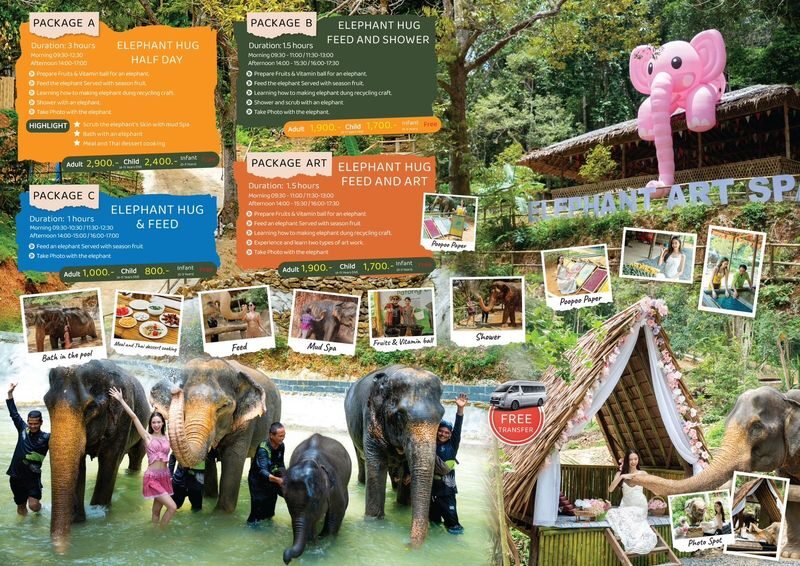
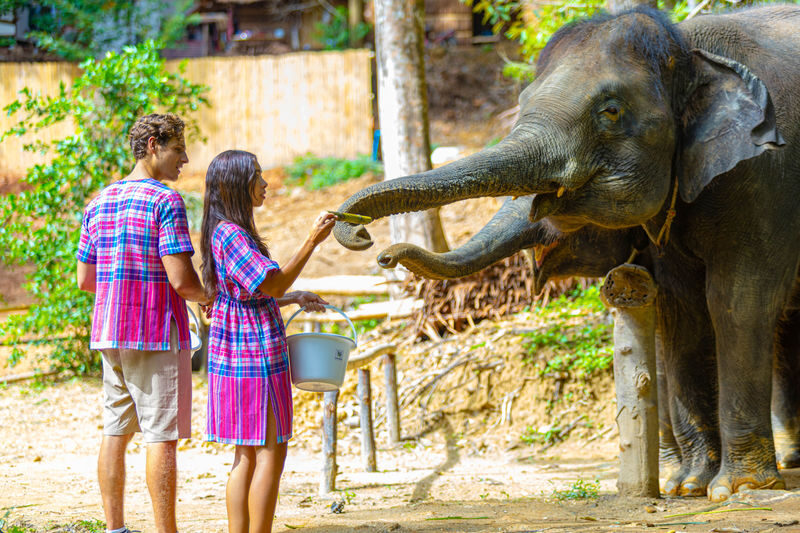
The Elephant Hug & Feed package is the shortest choice. The activity itself lasts about an hour, with fruit feeding and time to take photos. The guide also explains elephant care and how to feed safely. For a first encounter, that short format gives you a clear focus without taking up an entire day.
The hour can pass quickly. You meet the animals, learn how the feeding works, and spend time close to them. Staff may help take photos, so you do not have to rely only on selfies. Complimentary drinks and snacks are also offered, a welcome pause before or after the activity.
A practical point: the one-hour session is not necessarily a one-hour round trip from your hotel. One visitor’s total outing took about three hours after transfers, refreshments, and waiting time were included. Hotel pickup is generally around an hour before the activity, and the exact time is confirmed in advance. Build some slack into your plans rather than scheduling a tight connection afterward.
The listed departure choices are 09:00, 11:00, 13:30, and 15:30, though the available return time depends on the package and departure slot. Weather and traffic can change the schedule.
Add a shower, art, or half-day program
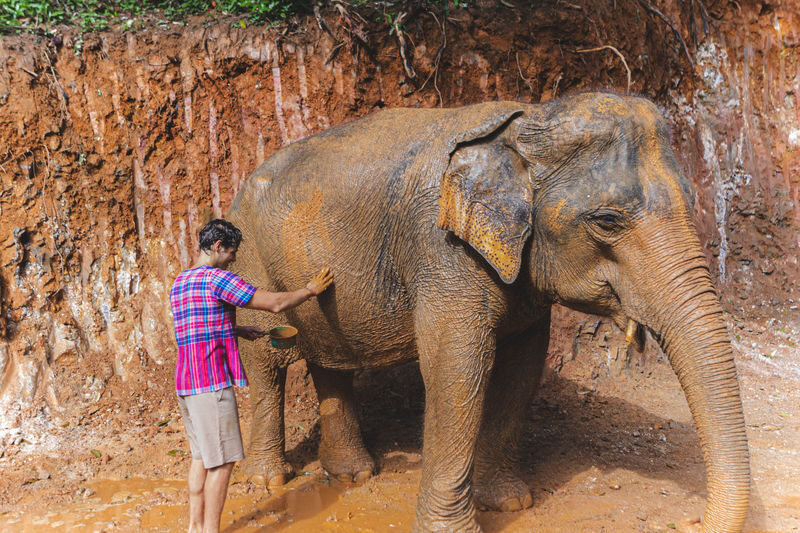
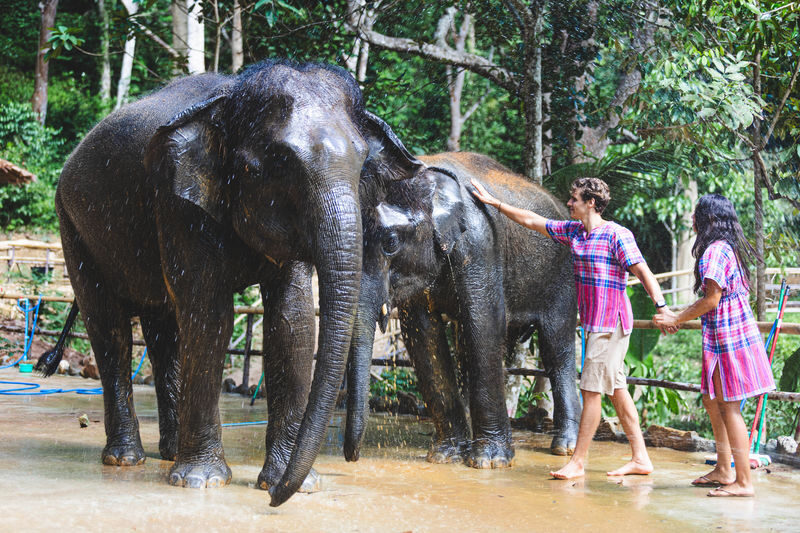
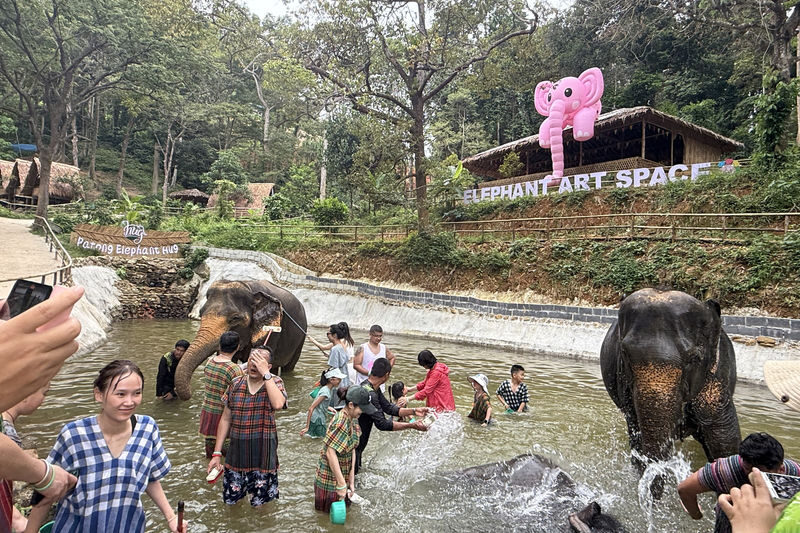
If feeding alone feels too brief, the Feed & Shower package lasts about 1.5 hours. It adds a shower experience with the elephants. Hot-water showers, towels, and traditional Thai clothing are among the camp’s listed facilities, but check the details for your selected package before booking. This is the most hands-on choice, and it will suit you only if you are comfortable being close to the animals and getting wet.
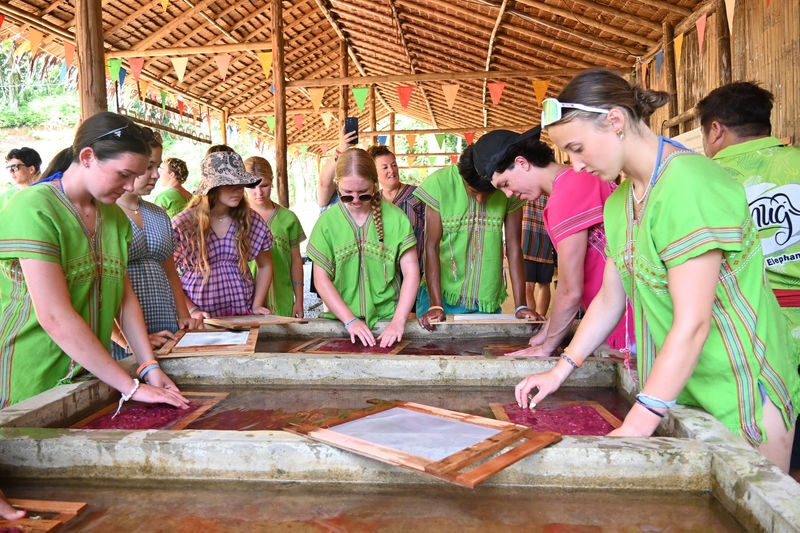
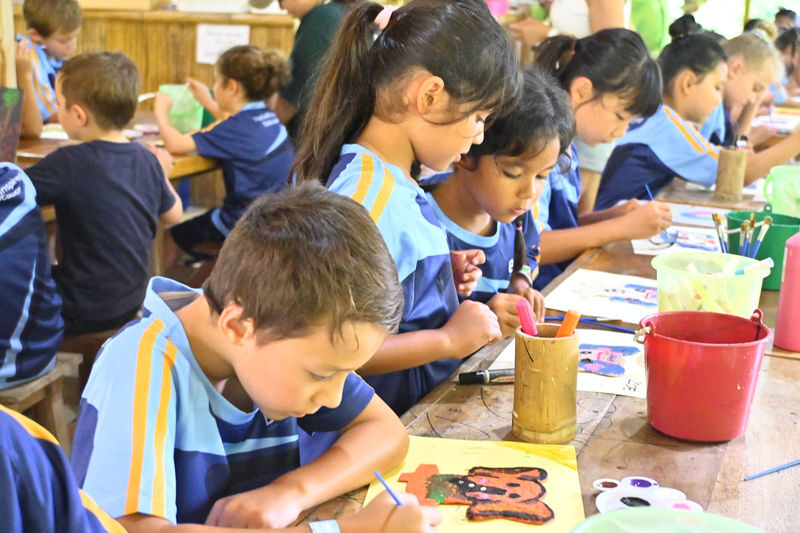
The Feed & Art option also lasts about 1.5 hours. It adds a creative activity, with the camp’s elephant art center among the highlights. The longer half-day package, at three hours, is the best fit if you want more than feeding and photos. Depending on the selected program, additional activities may include elephant care, Thai dessert-making, an art workshop, and making paper from elephant dung.
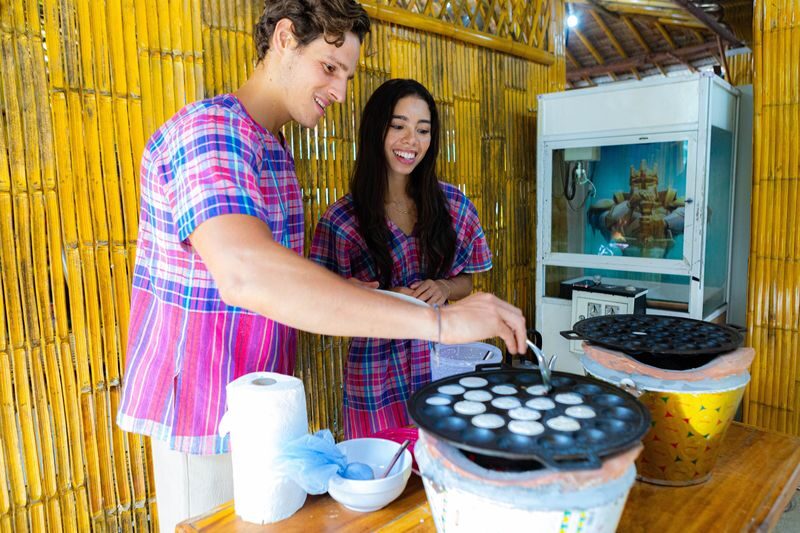
That last activity offers something different from the usual animal-photo stop: you see how waste can be turned into handmade paper and make a craft yourself. Thai food and traditional rice-flour cake-making are also listed among the longer-program experiences. These activities give you more cultural context, but they are not part of every package. Check the inclusions before paying, especially if one particular activity is the reason you are booking.
A tropical setting, with Patong nearby
The camp is at 53 20 Hasippi Road, Pa Tong, Kathu District, Phuket 83150. Its setting is described as a tropical orchard with durian trees and natural spring water, a greener break from Patong’s built-up streets. One visitor found the site clean and well maintained, while another noted that it is away from the main attractions. In other words, the transfer is useful, but do not expect to walk there from the beach.
Some packages include round-trip hotel transport across the island. That is a real convenience if you are staying outside central Patong or would rather not arrange your own ride. Pickup is usually about an hour before the activity, and the operator reconfirms the time. If you choose a no-transfer package, you will need to make your own way to the camp.
For the half-day option, consider how the extra time fits into your day. You will have more to do on site, but the ride there and back still adds to the total outing. If your schedule is tight, the one-hour feeding visit may be simpler, though it still needs room for transport and waiting.
Guides, photos, and the details that shape the visit
Guides are an important part of this experience. The camp offers guidance in English, Thai, and Chinese, and staff can explain elephant habits and safe feeding. Some visitors have praised guides such as Daungdach Dach for being attentive, patient, and helpful with photos. The driver has also been singled out for good service.
There is one language-group detail worth keeping in mind. Groups may be split by language, and if you are not joining an English-, Thai-, or Chinese-speaking group, ask the staff directly where to go. A visitor who spoke Korean described being overlooked until they approached the counter and asked to join the English group. That does not mean you will have the same problem, but a clear question at the start can prevent an awkward wait.
Complimentary travel photography is a useful extra, particularly if you want pictures with the elephants and do not want one person in your party to miss every shot. Staff may also offer traditional clothing for photos. Still, do not count on every image being a keeper: photo quality can vary, so bring your phone or camera if you want your own copies.


Is the price worth it?
The advertised starting price is $26.19, while the package prices supplied for the experience list the one-hour Feed option from $23.80. Prices can vary by date, deal, and selection, so check the final booking price. The Feed & Shower and Feed & Art options are listed from $41.55, while the three-hour half-day experience starts at $68.45. No-transfer versions of some longer packages are priced lower.
Value depends on what you want from the visit. The basic package is a relatively modest way to feed elephants and get guided context, especially when hotel transfers are included. The longer packages cost more, but can make the journey feel more worthwhile if you want a shower, an art activity, Thai food, or a hands-on craft. If you only want a quick feeding session, paying extra for a half day may not be necessary.
Compare package inclusions rather than choosing on price alone. The shorter Feed & Shower and Feed & Art options have no-transfer versions, as does the half-day package. Factor in your own transport costs and time before deciding that the cheaper fare is the better deal.
Welfare and comfort considerations
The camp prohibits elephant riding, an important distinction if you are comparing activities. It describes the elephants as rescued and focuses on feeding, care, and interaction. At the same time, this is a close-contact experience that includes hugging-style photos and, in one package, showering. If your idea of responsible wildlife tourism means watching without touching, you may prefer a more observational setting.
No single visit can answer every question about an animal’s welfare. You can pay attention to how staff handle the elephants, listen to the care explanation, and decide whether the interaction style feels right to you. The information available here does not establish independent welfare certification, so I would not treat the word rescued alone as a full guarantee.
For comfort, bring sunscreen, insect repellent, and cash for personal expenses or tips. The activity is not recommended for pregnant participants or people with disabilities, and it is not wheelchair- or stroller-accessible. Participants must be under 75; children aged 12 and older pay the adult rate. Groups can include up to 15 people, so expect to share the session rather than have exclusive time with the elephants.
Who should book Patong Elephant Hug?
Book this if you want an easy-to-arrange, guided elephant encounter with fruit feeding, photo opportunities, and the option to add more activities. The shorter package can suit couples or families who want a focused visit, while the half-day program makes more sense if Thai food, crafts, and elephant care are part of the appeal. Hotel transfers add value if you are staying farther from the camp.
Skip it if you want to observe elephants without close contact, or if the prospect of feeding and hugging makes you uneasy. Before you book, choose the package that matches your interests, confirm your pickup and language group, and leave extra time around the outing. For the right visitor, the combination of guided feeding, helpful staff, and optional Thai craft activities makes this a practical way to spend part of a Phuket day.
Patong Elephant Hug Experience in Phuket
“Very kind and nice positive pupils👍🏻😀”
FAQ
How long does the Patong Elephant Hug experience take?
The Feed package has a one-hour activity. Feed & Shower and Feed & Art last about 1.5 hours, while the half-day package lasts three hours. Hotel transfers, refreshments, and waiting can make the total outing longer.
Are hotel transfers included?
Round-trip hotel transfers are included with selected packages. Some Feed & Shower, Feed & Art, and half-day options are also offered without transfers, so check the package name before booking.
Can I ride the elephants?
No. Riding elephants is strictly prohibited.
What languages are available for guidance?
Guidance is offered in English, Thai, and Chinese. If you do not speak one of these languages, ask staff which group you should join.
What should I bring?
Bring sunscreen, insect repellent, and cash. Hot-water showers, towels, and traditional Thai clothing are listed among the camp’s facilities, but check whether they apply to your selected package.
Who can take part?
Participants must be under 75. Children aged 12 and older are charged the adult rate. The activity is not recommended for pregnant women or people with disabilities, and it is not wheelchair- or stroller-accessible.