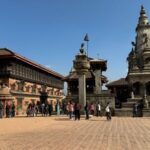
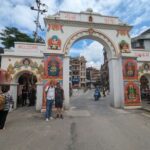
Patan and Bhaktapur show a different face of the Kathmandu Valley: one city is celebrated for its sculpture and woodcarving, the other for its brick streets, palace squares and pottery traditions. This guided outing takes you to both, with a drive between them and time to explore their historic centers on foot.
I like two things in particular: a guide can explain the Buddhist and Hindu symbols that are easy to walk past, and included transport saves you the hassle of arranging separate rides between cities. The Patan Museum adds a useful pause from the squares, with historic objects that help make sense of the art around you.
One practical catch: despite the half-day title, the stated schedule runs from 8:30 a.m. to 3:30 p.m. Entry fees are extra, and traffic or weather can shift the day. Treat it as a substantial outing, not a quick morning excursion.
- What to know before you go
- Two old capitals, two different moods
- Patan’s square, carvings and museum
- Bhaktapur’s brick lanes and temple squares
- The pace, transport and guide make a difference
- What the price covers, and what it does not
- Who will get the most from this outing
- Should you book the Patan and Bhaktapur tour?
- FAQ
- How long does the tour take?
- Which places does the tour visit?
- Is hotel pickup included?
- What is included in the price?
- How much are the entrance fees?
- Is lunch included?
- What language is the tour offered in?
- Can children and infants join?
- Can I cancel for a refund?
- The Best Of Patan!
- More Historical Tours in Patan
- More Tours in Patan
- More Tour Reviews in Patan
- Not for you? Here's more nearby things to do in Patan we have reviewed
What to know before you go
 1 / 2
 2 / 2
- Patan and Bhaktapur are the day’s focus: You get guided visits to both cities’ historic squares, rather than a broad tour of Kathmandu.
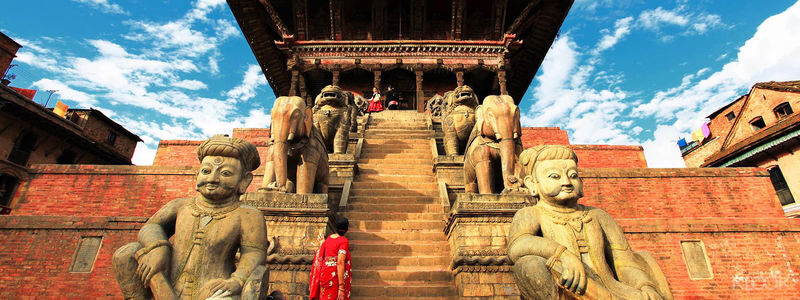
- Patan is an art stop: Look for Newari architecture, fine woodcarving and the Patan Museum’s Buddhist and Hindu artifacts.
- Bhaktapur feels more medieval: Its brick-built lanes, temples, palace buildings and pottery traditions give the walk a distinct character.
- Transport and a guide are included: Hotel pickup is available in Kathmandu, Bhaktapur and Patan, with a return to your hotel or personal address.
- Plan for extra costs: Historic-site and museum tickets, tips, and meals or drinks beyond the stated refreshments are not included.
- The schedule can stretch: The planned day is about seven hours, with traffic and weather affecting timing.

👉 See our pick of the 3 Best Private Car With Driver Services in Patan
Two old capitals, two different moods
Kathmandu Valley’s three historic cities, Kathmandu, Patan and Bhaktapur, were once ruled separately by Malla kings. This tour takes you to the latter two, both known for their religious sites and Newari art, but each with its own feel.
Patan, also called Lalitpur, is often described as the City of Living Art. That name makes sense as you look closely at temple details, carved windows and sculptures. Bhaktapur, the City of Devotees, has a more brick-built, old-town character. Its squares and lanes feel like places where daily life still moves alongside the monuments.
The shared thread is religion. Buddhist and Hindu traditions meet in the temples, shrines, figures and carvings you encounter in both cities. A guide can help explain what you are seeing and how the art fits into local culture. If you like to ask questions, that personal context is one of the tour’s main advantages.
The format is straightforward: drive from Kathmandu, walk through Patan, drive to Bhaktapur, then explore its historic center before heading back. You should expect plenty to see, but not a slow, unstructured day in either city. The visits are planned for about an hour and a half in Patan and just under two hours in Bhaktapur.
You can also read our reviews of more historical tours in Patan
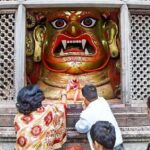

Patan’s square, carvings and museum
The first major stop is Patan Durbar Square, reached after a drive listed at about 25 minutes. The guided visit is scheduled for 1 hour 30 minutes. That is enough time to get a first impression of the square and its architecture, but you may want more if you enjoy lingering over details or reading museum displays carefully.
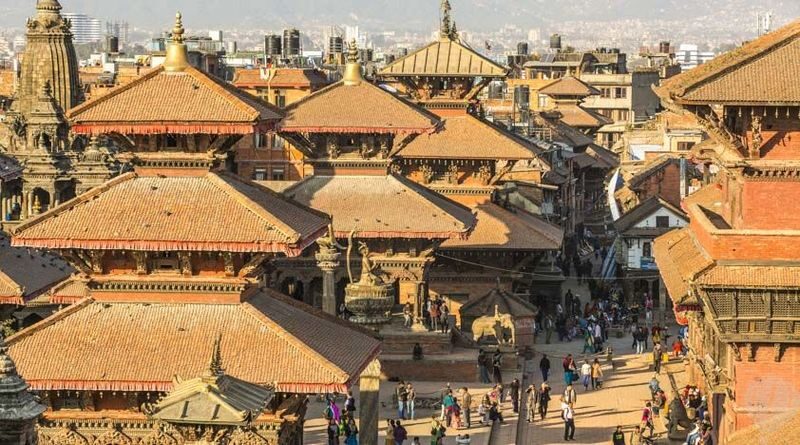
Patan’s appeal lies in the workmanship. Look for intricate woodcarving, sculptures and Newari architectural forms across its temples and palace buildings. The square is not just a collection of old façades: its religious imagery reflects centuries of Buddhist and Hindu practice. A guide can point out details you might otherwise miss, and explain why Patan earned its reputation as the valley’s artistic center.
The Patan Museum is included in the visit, but admission is not included in the tour price. Its historic artifacts offer a more focused way to understand the area’s religious traditions and visual culture. If you have limited time in Nepal, pairing the museum with a walk through the square gives you context that a photo stop alone cannot provide.
Entry charges vary by nationality. The stated fee for Patan Durbar Square, including the museum, is US$5 for SAARC nationals and US$10 for Chinese and other foreign nationals. The fee is paid in cash to the guide, so carry small bills if possible.
Earthquake damage is part of the story of the valley’s historic sites. Some structures were damaged in the 2015 earthquake, and restoration has shaped what you see today. The surviving art and architecture remain compelling, but do not expect every monument to appear untouched by time or disaster.
Bhaktapur’s brick lanes and temple squares
After Patan, the drive to Bhaktapur is listed at about 20 minutes. The guided visit to Bhaktapur Durbar Square is scheduled for 1 hour 45 minutes. Here the change in atmosphere is immediate: brick-built streets, palace buildings and temples give the old center a more enclosed, medieval feel.
Bhaktapur is known for its religious sites, traditional pottery and Newari culture. The walk takes you through a place where architecture and local crafts sit close together. Pottery shops and other craft businesses may be part of the scene, and some routes can pass through commercial spaces. If you do not want to buy anything, a polite no is enough; you should not feel obliged to make a purchase.
The city’s temples are a highlight. One visitor noted Bhaktapur’s tallest temple, and the square’s pagoda-style buildings make it easy to understand why the town can feel like a step back in time. Keep your eyes up for rooflines and carved details, but also look down the side lanes. The main square is only part of the historic center.
Bhaktapur’s entry fee is also extra and paid in cash to the guide. The stated charge is US$5 for Chinese or SAARC nationals and US$15 for other foreign nationals. Since these fees add up on top of the tour price, include them in your budget before booking.
A few outings have included a stop for lunch in Bhaktapur, sometimes at a rooftop restaurant, but meals are not part of the stated inclusions. The schedule does not promise a specific lunch stop. Bring money for food and drinks, and ask the guide early how the day is shaping up if you want to plan a meal.
The pace, transport and guide make a difference
The schedule gives you a useful framework: departure at 8:30 a.m., two guided city visits and a return planned for 3:30 p.m. The actual time can vary with traffic and weather. Kathmandu Valley roads can slow a trip, especially on the return, so keep the afternoon flexible rather than planning a tight connection.
The vehicle is a practical part of the value. You avoid negotiating separate rides and figuring out how to get between Patan and Bhaktapur, while the driver handles the roads. The tour includes transport and a professional guide, along with refreshments. Other meals and beverages are excluded. A few past participants found refreshments were not always provided, so it is sensible to carry water rather than rely on them.
The guide can shape the experience. Guides named on past tours include Ram, Kamal, Saru, Ijan and Easy. Several were praised for clear explanations, patience and answering questions. One particularly useful approach for a solo visitor is to ask for a quick overview at each stop, including how long you have and what to look for. That helps you balance listening with time to explore or take photos.
Quality can vary, as it can on any join-in outing. A small number of past experiences involved late pickup, a shortened schedule or limited explanation. The operator is meant to reconfirm pickup time in advance, and you should be ready in the hotel lobby 10 minutes early. If the pickup details have not arrived, contact the operator before the morning of the tour.
What the price covers, and what it does not
The published starting prices differ: the experience summary gives a price from US$100.65, while the join-in package information says from US$87.50. Prices can depend on the package and booking details, so check the amount shown for your chosen date before you pay.
The price buys more than a ride. You get transport between the cities, hotel pickup within the stated service area, and a guide to help interpret the monuments. That is useful if you would rather spend your energy looking and asking questions than arranging taxis and finding your own route. If you are comfortable planning transport and exploring independently, you may prefer to compare the cost with hiring a local guide separately.
Keep the additional expenses in view. Entry to Patan Durbar Square and its museum, Bhaktapur’s historic site, tips, and meals or drinks beyond the included refreshments are extra. The fees are paid in cash to the guide, and the Bhaktapur fee is higher for some foreign nationals. A rickshaw transfer between your hotel and the meeting point is available for an additional US$3 per person each way.


Who will get the most from this outing
This tour suits you if you want a guided introduction to two major cultural sites without arranging every transfer yourself. It is especially useful for a first visit to the Kathmandu Valley, when a guide can help connect the architecture, religious imagery and local traditions.
Art and history fans should get the most from Patan’s carvings and museum, while Bhaktapur rewards anyone who enjoys walking through old streets and looking at temples and craft shops. The route also works well if you want to compare the two cities in one day. The trade-off is that neither stop is long enough for an unhurried, in-depth visit.
Solo visitors should check the price carefully. One person reported that a solo outing felt expensive, though the guide’s explanations were valuable. As a join-in tour, the experience may be more cost-effective when shared, but the group size is not specified.
The tour is offered in English only. Infants and children must be included in the passenger headcount when booking. If you want a visit in another language, a slower pace or more time at the museum, this may not be the right fit.
Should you book the Patan and Bhaktapur tour?
Book it if you want a practical, guided way to see Patan and Bhaktapur in one day, and value having transport and interpretation arranged. The strongest reason to go is the contrast: Patan’s reputation for sculpture and woodwork, followed by Bhaktapur’s brick lanes, temples and pottery culture. Past guides such as Ram, Kamal and Saru have been praised for engaging explanations, though the quality and timing can vary.
Think twice if you prefer to set your own pace, want a full day in either city, or are trying to keep costs low. Add the admission fees to the advertised price, budget separately for lunch, and leave room in your schedule for traffic. If those conditions work for you, this is a convenient introduction to two of the valley’s most rewarding historic centers.
Kathmandu Patan & Bhaktapur Half-Day Cultural Tour
“Our tour guide Easy was kind and friendly. This was the local tour I joined on my first day in Nepal, and it was a great start!”
FAQ
How long does the tour take?
The stated schedule runs from 8:30 a.m. to 3:30 p.m. Traffic and weather can change the timing.
Which places does the tour visit?
The guided stops are Patan Durbar Square, including the Patan Museum, and Bhaktapur Durbar Square.
Is hotel pickup included?
Pickup is available within the Kathmandu, Bhaktapur and Patan areas. The operator reconfirms pickup time in advance, and you should be ready 10 minutes early.
What is included in the price?
The tour includes a professional guide, transport and refreshments. Meals, unspecified drinks, admission fees, and tips are not included.
How much are the entrance fees?
Patan Durbar Square, including the museum, costs US$5 for SAARC nationals and US$10 for Chinese or other foreign nationals. Bhaktapur’s historic site costs US$5 for Chinese or SAARC nationals and US$15 for other foreign nationals. Fees are paid in cash to the guide.
Is lunch included?
No. Other meals and beverages not specified are excluded. The tour information does not guarantee a lunch stop.
What language is the tour offered in?
The tour is available in English only.
Can children and infants join?
Infants and children must be included in the passenger headcount when booking.
Can I cancel for a refund?
A full refund is available if you cancel at least 24 hours before the activity date, using destination local time.