A good Roman meal is more than a plate of pasta. In this three-hour class, you make fettuccine and ravioli by hand, cook sauces with seasonal ingredients and sit down to eat the results. Prosecco, appetizers, wine and homemade gelato are part of the evening, too.
I like two things in particular: you get practical instruction you can use in your own kitchen, and the meal is built into the class, so the cooking has a delicious purpose. The main consideration is that this is a group activity, not a private lesson, and the class is not wheelchair- or stroller-accessible.
- What makes this class worth considering
- Start with prosecco and a Roman welcome
- Roll up your sleeves for fettuccine and ravioli
- Match the pasta with Roman sauces
- Get local food advice as well as recipes
- Sit down to your own dinner and gelato
- The value of three hours in Trastevere
- Find the meeting point in Trastevere
- Who should book this pasta class?
- FAQ
- How long is the pasta-making class?
- Where does the class meet?
- How early should I arrive?
- What pasta will I make?
- Which sauces are included?
- Are food and drinks included?
- Can I take part if I have a food allergy or dietary restriction?
- Are children allowed?
- Is the activity wheelchair- or stroller-accessible?
- Is transportation from my hotel included?
- The Best Of Rome!
- More Workshops & Classes in Rome
- More Tours in Rome
- More Tour Reviews in Rome
- Not for you? Here's more nearby things to do in Rome we have reviewed
What makes this class worth considering
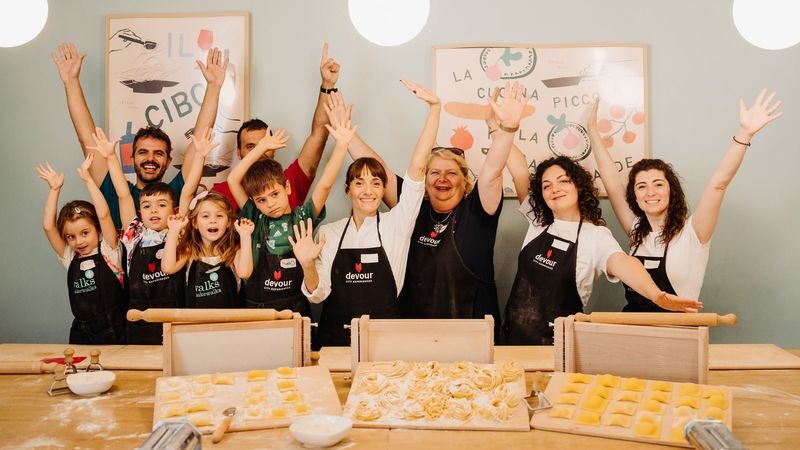
- Two pastas, made by hand: Learn to prepare fettuccine and ravioli with guidance from a professional chef.
- A meal, not just a demonstration: Make two sauces, then eat your pasta with wine and finish with homemade gelato.
- Roman food tips at the table: The class can cover sauces such as amatriciana, puttanesca and cacio e pepe, alongside advice on local food and gelato.
- A social start: Meet the group over prosecco, cured meats and cheese before you get to work.
- A manageable time commitment: The class lasts three hours and takes place in Trastevere.
- Small-group scale: The stated group size is one to 14 participants, giving the chef room to guide a hands-on session.
👉 See our pick of the 25 Best Guided Tours In Rome
Start with prosecco and a Roman welcome
The class begins with aperitivi: prosecco and a selection of cured meats and cheese. This is a useful, unhurried start. You can meet the other participants, settle in and get comfortable before flour and dough take over the table.
That social element is part of the appeal. This is not a quiet cooking lesson where you watch a chef work from the back of a room. The plan is to cook together, ask questions and share a meal afterward. If you come as a couple or with friends, you can work alongside them; if you arrive alone, the shared table gives you an easy way to meet people.
The welcome also lets you ease into the evening without having to arrive hungry and wait until the pasta is ready. Just keep in mind that the included food and drinks are the ones specified for the class. Additional food and drinks may be available if you want to stay afterward, but they are not included in the price.
You can also read our reviews of more tours and experiences in Rome


Roll up your sleeves for fettuccine and ravioli
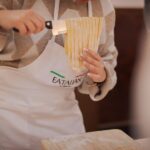
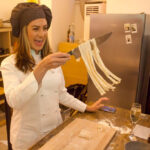
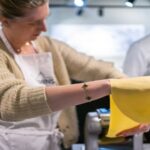
The heart of the session is making fresh pasta from scratch. You work on two familiar Roman-table staples, fettuccine and ravioli, with an Italian chef showing you the steps. The aim is participation, not simply watching a cooking demonstration and collecting a recipe card.
For a first-time pasta maker, the appeal is practical. You can see how the dough is handled and shaped, and get help as you work. If you have made pasta before, the class still gives you a chance to ask about technique and compare approaches. The instructors are there to keep the process clear and light, rather than turn dinner into an exam.
Past instructors have included Asia, Jamila, Luca, the two Alessandros, Fernanda and Giulia. The particular chef on your date may differ, so do not book expecting a specific person. What matters more is the teaching style described for the class: guests have found the directions easy to follow, with lively conversation and helpful cooking guidance.
A group of up to 14 is small enough to feel more personal than a large demonstration, though it is not a one-on-one lesson. Your pace and how much individual attention you receive may depend on the group and the questions people bring. If you want extended private coaching on pasta technique, this is not the format. If you want to learn by doing, with a chef close at hand, it fits the bill.
Match the pasta with Roman sauces
Pasta is only half the lesson. The class includes two sauces, with examples in the menu description including amatriciana, puttanesca and cacio e pepe. These give you a taste of the variety in Roman cooking, from bold, tomato-based flavors to a simpler sauce where technique and timing matter.
The menu uses seasonal ingredients, so the precise combination may vary. That is a sensible way to cook in Italy: start with what is good and available, rather than treat every recipe as a fixed formula. The experience is more useful if you pay attention to why ingredients work together, not just the steps you need to follow once.
You will prepare two homemade pastas and two sauces, then eat them as part of the meal. That makes the class a good fit if you want to leave with more than a pleasant evening. You get to try the food while it is fresh and see how the pasta and sauce come together on the plate.
There is a modest caveat for anyone with allergies or dietary restrictions. You need to contact the operator after booking so they can arrange ingredients. Do that ahead of time, rather than waiting until you arrive, and be clear about what you cannot eat.
Get local food advice as well as recipes
The cooking is the main event, but the conversation can be just as useful. The class is designed to share insight into Roman cuisine and local culture, and instructors have offered practical tips on finding authentic gelato and choosing pasta to buy. These are the small details that help you make better choices during the rest of your stay.
One chef, Fernanda, has been praised for explaining each step clearly and sharing local recommendations, including how to spot good gelato and restaurants worth trying. Another class with the two Alessandros included stories about pasta-making traditions and their own experiences growing up with the food. These details can give a recipe more meaning without turning dinner into a lecture.
The advice is particularly handy if you are new to Rome and still learning how to tell a worthwhile food stop from a place trading mainly on its address. You can ask questions in the moment, when a dish or ingredient is right in front of you. The class is not a city food tour, though, so treat any tips as a useful starting point rather than a full restaurant guide.
Some classes have also shared recipes afterward, which makes the experience easier to repeat at home. Recipe access is not listed as a guaranteed inclusion, so ask the instructor before you leave if you would like to take the instructions with you.
Sit down to your own dinner and gelato
After the hands-on work, you eat the pasta and sauces you have made, with wine included. This meal gives the class a satisfying finish: you are not just practicing a skill, you are tasting the result around the table with the people you cooked beside.
The food is a strong part of the experience. Participants have especially praised the flavor of the pasta, and one class singled out its puttanesca. That is encouraging, but the exact dishes depend on the menu and seasonal ingredients, so do not count on a particular sauce being served on your date.
Homemade gelato rounds out the meal. The class description includes gelato, and participants have described making it as part of the session. It adds a sweet, hands-on finish, rather than sending you off to find dessert on your own.
Wine and prosecco are included, but additional drinks or food after the class cost extra. You are welcome to stay at the venue if you want to order more. This makes the class easy to turn into an evening out, but it is worth deciding in advance whether you want to keep the night going.




The value of three hours in Trastevere
The listed starting price is not perfectly consistent across the supplied price details: one gives a starting figure of US$58.09, while the three-hour package is shown from US$52.79. Treat both as guide prices, and check the final price and currency for your date before booking.
For the cost, you get a three-hour activity, instruction from a local chef, ingredients, two pasta dishes, two sauces, aperitivi, prosecco, wine and gelato. The value is not simply the amount of food. You are paying for a social cooking session and a skill you can try again at home, as well as a meal that is part of the experience rather than a separate restaurant bill.
It is a stronger value if you enjoy cooking or want an activity that feels different from another round of sightseeing. If you only want a quick meal, the class takes a substantial part of an evening, and you may find a restaurant more appealing. The format suits people who like to take part, not those who would rather sit back and be served.
The activity is described as suitable for all ages, with some important rules for children. Children aged 0 to 1 are free but must be included in the headcount. Children aged 0 to 14 need a paying adult with them, and those aged 15 or older pay the adult rate.
Find the meeting point in Trastevere
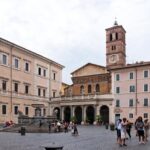
The listed location is Piazza Trilussa, but the meeting instructions specify the square in front of San Giovanni della Malva Church, at P.za di S. Giovanni della Malva. From January 1, 2025, the instructions say to meet there and look for a guide holding a red bag or a Devour Tours sign. Check the details on your confirmation so you go to the stated meeting spot, rather than relying on the general area name alone.
Bus routes 28 and 283 stop at Lgt Farnesina/Trilussa, which is given as the nearby stop. Allow time to find the group: you are asked to arrive 15 minutes before the start. Latecomers cannot enter once the event begins, and missed sessions are not refundable, so this is one evening when arriving early is more useful than squeezing in one last errand.
The voucher is mobile and valid only for the date and time booked. Confirmation should arrive within minutes; if it does not, contact customer support. Hotel pickup and drop-off are not included, so plan your own way to and from Trastevere.
Who should book this pasta class?
I would put this high on the list if you like Italian food and want to learn by doing. Couples, friends and families with older children can share the work, then eat together. It also makes sense for a first Rome visit: the class gives you a relaxed evening activity and some practical food pointers alongside the cooking.
It may be less suitable if you have limited mobility, need stroller access, or want a private lesson. The activity is not wheelchair- or stroller-accessible, and the maximum group size is 14. Contact the operator after booking if you have a food allergy or dietary restriction, since ingredient arrangements need to be made in advance.
Book it if you want to make dinner as well as eat it. The best reason to go is the combination of hands-on pasta-making, a full meal and approachable local food advice. If you prefer a short, quiet dinner or have accessibility needs the venue cannot meet, choose another way to enjoy Roman cooking.
Pasta-Making Class with Local Chef in Rome
“absolutely fantastic experience, my partner and I had the best time. our chef, Asia, was amazing. she was super friendly and helpful. the class was…”
FAQ
How long is the pasta-making class?
The class lasts three hours.
Where does the class meet?
The meeting instructions specify the square in front of San Giovanni della Malva Church at P.za di S. Giovanni della Malva. Check your confirmation for the meeting details.
How early should I arrive?
Arrive 15 minutes before the scheduled start time.
What pasta will I make?
You will learn to make fettuccine and ravioli from scratch.
Which sauces are included?
The class includes two sauces. Examples given are amatriciana, puttanesca and cacio e pepe; the exact selection may depend on seasonal ingredients.
Are food and drinks included?
Yes. Prosecco, wine, appetizers, two homemade pastas, two sauces, gelato and the ingredients for your meal are included.
Can I take part if I have a food allergy or dietary restriction?
Contact the operator after booking at [email protected] or +12026846916 so ingredients can be arranged.
Are children allowed?
Yes. Children aged 0 to 14 must be accompanied by a paying adult. Infants and children must be included in the passenger headcount. Children aged 0 to 1 are free, and children aged 15 or older pay the adult rate.
Is the activity wheelchair- or stroller-accessible?
No. The activity is not wheelchair- or stroller-accessible.
Is transportation from my hotel included?
No. Hotel pickup and drop-off are not included.