Joo Chiat’s Peranakan story comes alive in its working food shops and family trades, not just its colorful façades. This three-hour walk pairs neighborhood history with tastings and, when available, hands-on popiah and kueh pie tee making.
I like that you get to meet the people behind traditional food, including a popiah skin maker, and that snacks such as curry puffs and kueh are woven into the walk. I also like the mix of architecture, beadwork, spices and local stories, which helps connect Peranakan culture to daily life.
One thing to plan for: this is a walking tour in Singapore’s heat and rain, and the route is not wheelchair- or stroller-accessible. Food and activities can change, so confirm the hands-on element before you set out if it is a must for you.
- What makes this Joo Chiat walk worthwhile
- Joo Chiat, told through food and family trades
- Starting at Joo Chiat Complex
- Popiah making and the people behind it
- Tasting curry puffs, kueh and other local snacks
- Shophouses, temples and the neighborhood’s changing story
- Peranakan beads, clothing and everyday objects
- Is the .99 starting price fair?
- Practical details before you book
- Who should take this walk?
- FAQ
- Where does the tour meet?
- What time does the tour start?
- Which days does the tour run?
- How long is the tour?
- What food is included?
- Is food-making part of the experience?
- Can children join?
- Is the tour wheelchair- or stroller-accessible?
- What should I bring and wear?
- The Best Of Singapore!
- More Tours in Singapore
- More Tour Reviews in Singapore
- Not for you? Here's more nearby things to do in Singapore we have reviewed
What makes this Joo Chiat walk worthwhile
 1 / 2
 2 / 2
- A working popiah tradition: See a popiah skin maker in action and, as part of the planned experience, try making popiah and kueh pie tee yourself.
- Food as part of the story: Sample local snacks, including curry puffs and Nonya kueh, with traditional dishes and spice blends along the way.
- Stories beyond the shopfronts: Learn about Joo Chiat’s changing identity, its Peranakan roots, its buildings and the local trades that keep old skills alive.
- A small-group format: Groups range from 5 to 20 people, with an audio guide system and headsets to help you hear your guide.
- A three-hour afternoon plan: Tours run on Tuesdays and Saturdays from 1:30 to 4:30 p.m., starting at Joo Chiat Complex.
- A take-home tea packet: A packet of Nanyang tea is included, along with food tastings and the guided walk.

👉 See our pick of the 25 Best Guided Tours In Singapore
Joo Chiat, told through food and family trades
This is not a museum tour with a row of exhibits behind glass. The appeal is walking through a neighborhood where food shops, traditional trades, temples and older buildings are part of the living streetscape. Your guide connects those details to the larger story of Straits Chinese, or Peranakan, culture.
That context matters. Peranakan life has developed through generations of cultural exchange, and the tour’s focus on food, dress, beadwork and family businesses gives you several ways to understand it. Instead of hearing a string of dates, you can see how traditions show up in the objects people make and the foods they still sell.
The tour is led in English. Lora and Patrick Lee have guided it in the past, and their style is described as lively and story-driven. Patrick grew up in Joo Chiat, which has allowed him to bring personal memories to the neighborhood’s history. Guide assignments can vary, so you should not book expecting a particular person.
Groups can run from five to 20 people. That is a useful middle ground: small enough for questions and close-up demonstrations, but large enough that you may be sharing the guide’s attention with a group. Headsets are provided, with ear-sets available, which can help you follow the commentary on a street walk.
You can also read our reviews of more tours and experiences in Singapore.



Starting at Joo Chiat Complex
Meet your guide at the information counter in the Joo Chiat Complex lobby, at 1 Joo Chiat Road. The stated start time is 1:30 p.m., and you are asked to arrive 10 minutes early. Look for a guide wearing an 8th Wave T-shirt and holding a signboard.
The meeting point deserves a little care. Joo Chiat Complex has multiple entry points, so do not leave the directions until the last minute. Head for the lobby information counter rather than simply aiming for the building’s general address.
The scheduled tour runs for three hours, ending at 4:30 p.m. Past tours have sometimes taken longer, especially in heavy rain, so avoid booking a tight appointment immediately afterward. The route includes walking and snack stops, not a long seated meal, so it is best to arrive ready for an active afternoon.
Popiah making and the people behind it
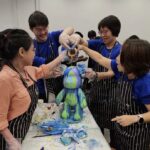
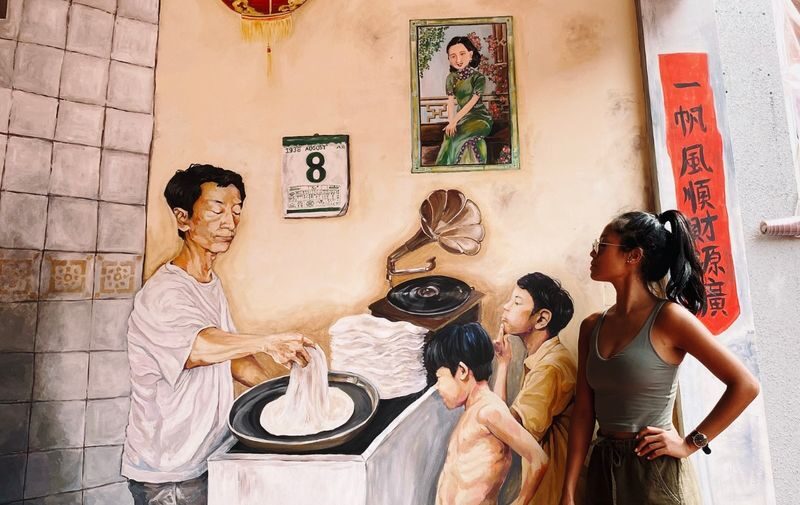
The popiah stop is one of the most distinctive parts of the experience. Popiah is a fresh roll built around a thin wrapper, and the tour is designed to show you how that wrapper is made, as well as give you a chance to try the process. Kueh pie tee making is also listed as a hands-on activity.
The food craft is more than a novelty. Traditional skills survive because someone keeps doing the work, often across generations. One past stop was Kway Guan Huat, where the third-generation family business drew particular interest. The owner, Michael, was described as welcoming, and the demonstration gave the group a close look at the work behind a familiar local food.
Do keep expectations flexible. The hands-on lesson has not been available on every tour. On one occasion, the activity was replaced by a meal of fried noodles and kang kong, and the group had not been told in advance. Another tour participant wanted clearer notice about a change that meant missing pea flower tea. If a specific demonstration or drink is central to your decision, check with the operator shortly before your date.
Tasting curry puffs, kueh and other local snacks
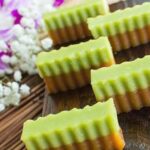
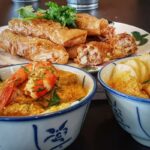
Food is not an afterthought here. Curry puffs, soon kueh, ondeh ondeh and other snacks have featured along the route, with Nonya kueh and curry puffs included in the stated package. You also get a variety of food during the walk, though the exact selection can change.
That tasting format is useful if you want to try several things without planning a full meal around one restaurant. It also makes the walking pace more relaxed: you stop, taste, hear a story, then continue. I would still eat lightly beforehand. The afternoon starts at 1:30, and the food may add up more than you expect, particularly if a planned cooking activity is replaced by a larger meal.
The route also introduces the smell and character of rempah, the spice blends used in regional cooking. It is a simple but effective way to make the food history tangible. You are not only hearing about ingredients; you encounter the spices that give many dishes their flavor.
A packet of Nanyang tea is included as a small take-home item. Pea flower tea is part of the experience description, but it has not appeared on every version of the route, so treat it as a possible element rather than a certainty.
Shophouses, temples and the neighborhood’s changing story
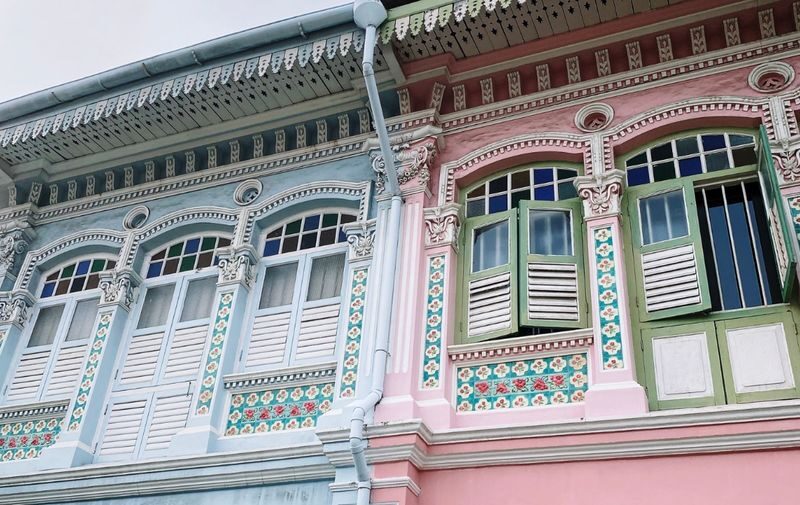
Between food stops, the guide takes you through Joo Chiat’s streets and back lanes to look at architectural details, local businesses and places where cultures meet. The tour’s promise is not just a parade of photogenic buildings. It is a chance to hear how Joo Chiat and nearby Katong have changed, and why a traditional shop or old building still matters.
Past stops have included little-known places and stories tied to Singapore’s early history, including a house associated with the first person who accompanied Raffles to Singapore. The guide may also point out fusion temples and local landmarks. These details can turn an ordinary walk into a more layered one, especially if you have passed through the district before without knowing its stories.
Expect some variety in how much architecture you see. One person looking for obscure architectural highlights felt the route offered fewer than expected, while others valued the neighborhood stories, food businesses and cultural context more than a long list of buildings. If you are mainly interested in architectural photography, this may not be a specialist architecture tour. If you want a broader account of how buildings, food and culture fit together, the balance makes more sense.
The route also touches on how Joo Chiat has changed through economic and demographic shifts. Some older character remains alongside newer businesses and signs of gentrification. That tension is part of the visit: the tour is not presenting the neighborhood as frozen in time, but showing how people try to carry traditions forward.





Peranakan beads, clothing and everyday objects
The title points to beads, and the tour’s cultural focus includes Nonya beadwork, clothing and furniture. These objects help explain how Peranakan identity is expressed through skilled work and domestic life, not only through food or architecture.
Beadwork rewards close attention. Intricate patterns take time and care, so seeing the craft discussed in person can help you appreciate the labor behind a finished piece. The same goes for clothing and furniture: they offer a glimpse into style, family customs and the way cultural influences meet.
The specific amount of time spent with each craft is not stated, so think of this as a varied neighborhood walk rather than an extended workshop in beadwork. The hands-on lesson is focused on food, while the other crafts and objects add cultural context as you go.
Is the $62.99 starting price fair?
At a starting price of $62.99, you are paying for a guided, food-focused cultural walk rather than transport or a single attraction ticket. The price includes an English-speaking guide, headsets, a variety of food, curry puffs and Nonya kueh, a hands-on popiah and kueh pie tee lesson, and a packet of Nanyang tea.
The value is strongest if you would otherwise spend time and money finding these food stops and local stories on your own. A guide can connect the shopkeepers, snacks and buildings into a coherent visit, while the tastings let you try several local foods in one afternoon. For someone new to Joo Chiat, that combination can make the neighborhood easier to understand and more rewarding to explore.
If you already know the area well, the value depends on how much you want the stories and access to food-making traditions. One past participant who knew Joo Chiat felt the route offered fewer architectural surprises than expected, while other local participants appreciated learning about the businesses and heritage behind familiar streets. The tour is best judged as a guided food and culture experience, not as a checklist of secret sights.
Other personal expenses are not included. The booking information also describes the voucher as valid only for the specified date and time, and states that cancellations or refunds are not available. Check the date carefully before you pay.
Practical details before you book
Tours run on Tuesdays and Saturdays, from 1:30 to 4:30 p.m. The stated group size is five to 20 people. Children aged four and under can join free, but they do not receive food or drinks.
Wear comfortable shoes and bring water and an umbrella. The walk proceeds in rain, so a light raincoat or umbrella is sensible in Singapore’s changeable weather. You may also want sun protection, though it is not specifically listed among the required items.
The experience is not recommended for pregnant women and is not wheelchair- or stroller-accessible. The supplied preparation details also list a mask, mobile phone and access to SafeEntry and TraceTogether. These requirements may reflect the conditions in place when the tour information was prepared, so check current instructions with the operator.
Who should take this walk?
I would choose this tour if you like learning through food, enjoy neighborhood walks and want more than a quick look at Joo Chiat’s shophouses. It suits visitors who want a guided introduction to Peranakan traditions and local family businesses, as well as Singapore residents who are curious about the stories behind a familiar district.
Families can find it engaging, but it is still a three-hour walk with food stops. A past group included a nine-year-old and senior family members, and the itinerary has been described as having a balance of walking and snack breaks. Still, consider your own group’s stamina and the lack of stroller and wheelchair access.
Book it for the stories, food and chance to see traditional skills at work. If you want a guaranteed cooking demonstration, a deep architectural tour or a fully accessible route, ask questions before booking or choose a different experience. For most visitors who want a flavorful, human-scale introduction to Joo Chiat, this walk offers a good afternoon out.
My Heart Beads for Peranakan: A Joo Chiat Experience
“I learnt a lot about the places associated with peranakan, and the tour guide was really knowledgable. Highly recommended.”
FAQ
Where does the tour meet?
Meet at the information counter in the lobby of Joo Chiat Complex, 1 Joo Chiat Road, Singapore 420001.
What time does the tour start?
The tour starts at 1:30 p.m. and is scheduled to finish at 4:30 p.m. Arrive 10 minutes before the start.
Which days does the tour run?
The tour is available on Tuesdays and Saturdays.
How long is the tour?
The scheduled duration is three hours.
What food is included?
The package includes a variety of food along the route, including curry puffs and Nonya kueh. The exact selection may vary.
Is food-making part of the experience?
A hands-on popiah and kueh pie tee lesson is included in the stated package. Activities have changed on some dates, so confirm with the operator if the lesson is essential to you.
Can children join?
Children aged zero to four can join free of charge, but they do not receive food or drinks.
Is the tour wheelchair- or stroller-accessible?
No. The activity is not wheelchair- or stroller-accessible.
What should I bring and wear?
Wear comfortable footwear and bring a bottle of water and an umbrella. The supplied information also lists a mask, mobile phone and access to SafeEntry and TraceTogether.