Dasik is a small tea sweet with a lot of meaning packed into its patterns. At K-Vibe Studio, you get to press your own sweets using traditional molds, hear how the dessert fits into Korean tea culture, and take your finished pieces home in a gift box.
I like two things in particular: the class combines making something beautiful with a short cultural introduction, and it ends with tea and a taste of the sweets, so the craft has a satisfying finish. It also uses a mix of traditional flavors, such as omija and injeolmi, and newer choices like chocolate and pistachio.
One thing to weigh up: this is a focused workshop, not a long cooking course, and no session length is specified. If you want a full meal or several hours of cooking, this may feel brief. It is a better fit for a relaxed cultural stop between bigger Seoul plans.
- What to know before you book
- Pressing a Korean tea sweet into shape
- Traditional flavors, with a modern twist
- A calm studio session, not a crowded cooking school
- Tea and snacks complete the lesson
- Is the price fair for a short workshop?
- The best fit for a gentle Seoul break
- Practical details to check
- Should you book this dasik class?
- FAQ
- Where does the dasik class take place?
- Is the class taught in English?
- What is included in the activity?
- What flavors can I make?
- Can children take part?
- What is the cancellation policy?
- The Best Of Seoul!
- More Dessert Tours in Seoul
- More Tours in Seoul
- More Tour Reviews in Seoul
- Not for you? Here's more nearby things to do in Seoul we have reviewed
What to know before you book
 1 / 9
 2 / 9
 3 / 9
 4 / 9
 5 / 9
 6 / 9
 7 / 9
 8 / 9
 9 / 9
- Dasik is pressed, not baked: You shape the sweets by pressing prepared ingredients into patterned molds.
- The designs carry meaning: Dasik patterns can be auspicious, making the finished pieces more than pretty snacks.
- Flavors span old and new: Expect examples such as omija and injeolmi, alongside chocolate and pistachio.
- Tea is part of the experience: The class includes Korean tea and snacks, with time to sample the sweets.
- You take your work home: A premium box is provided, making the sweets easy to keep or give as a gift.
- The setting is small and calm: The studio experience can feel personal, though the exact group size is not guaranteed.
👉 See our pick of the 25 Best Guided Tours In Seoul
Pressing a Korean tea sweet into shape
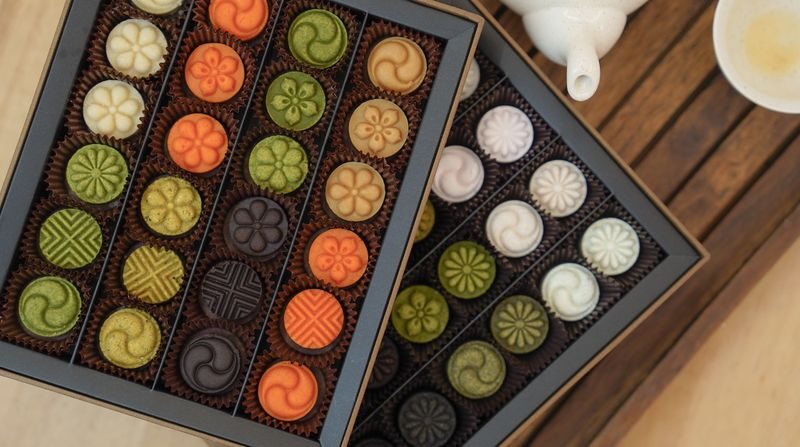
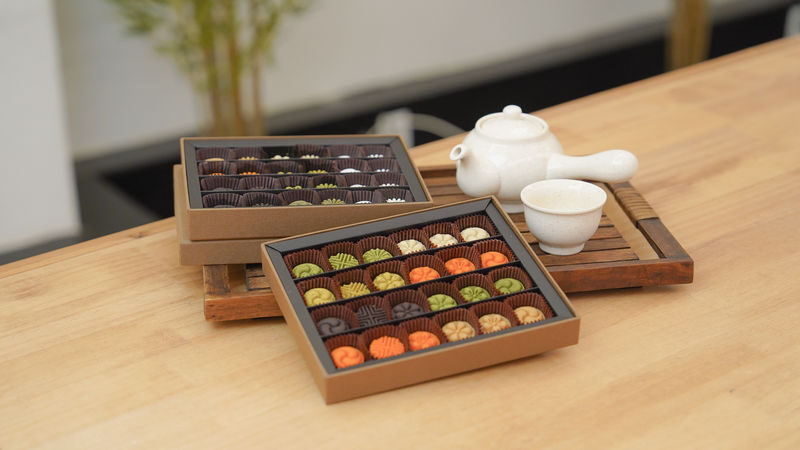
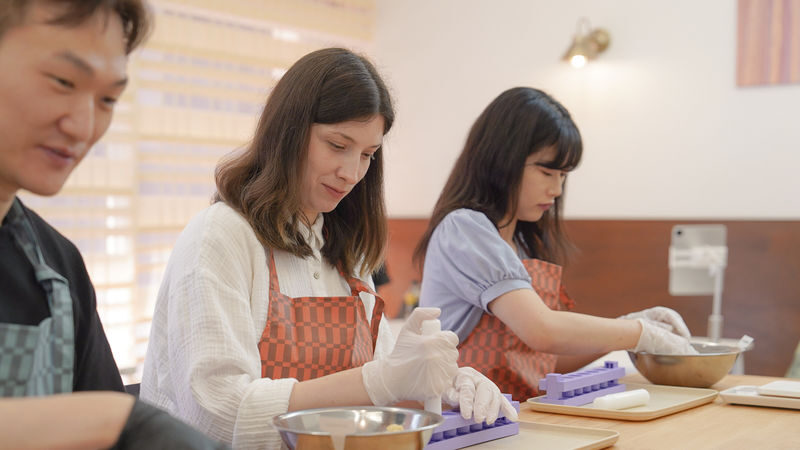
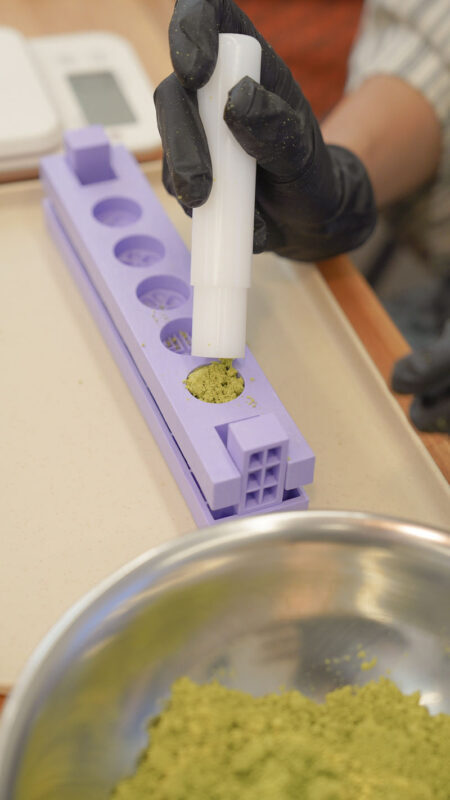
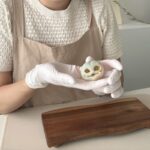
Dasik has been enjoyed since the Joseon Dynasty and is made from natural grains and nuts. Rather than baking a dough, you shape the mixture with a mold, pressing a pattern into each piece. The result is a small sweet designed to please the eye as well as the palate.
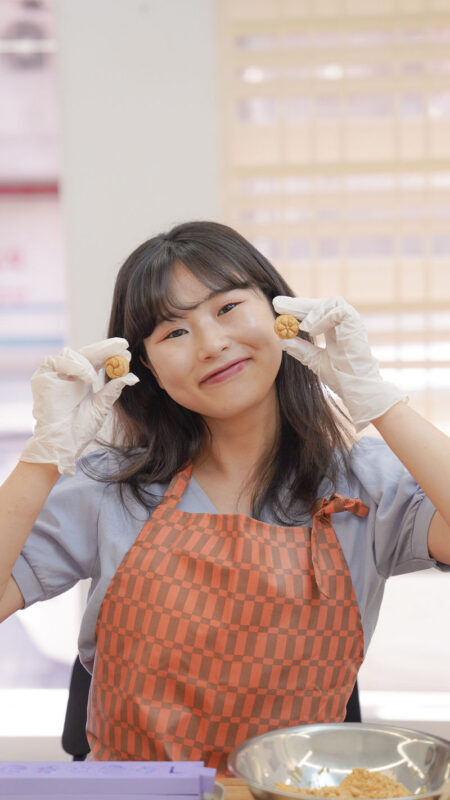
That visual element is central to the appeal. A tray of dasik can look like a set of tiny stamped ornaments, with each mold creating a different design. The patterns have special meanings, so the class gives you a simple way to connect a hands-on activity with Korean custom.
The instructor begins with a short explanation of the dessert’s background and meaning. That context matters: without it, the molds and patterns could seem like decoration alone. With a little history, you can see why these modest tea sweets have a place in formal and everyday tea settings.
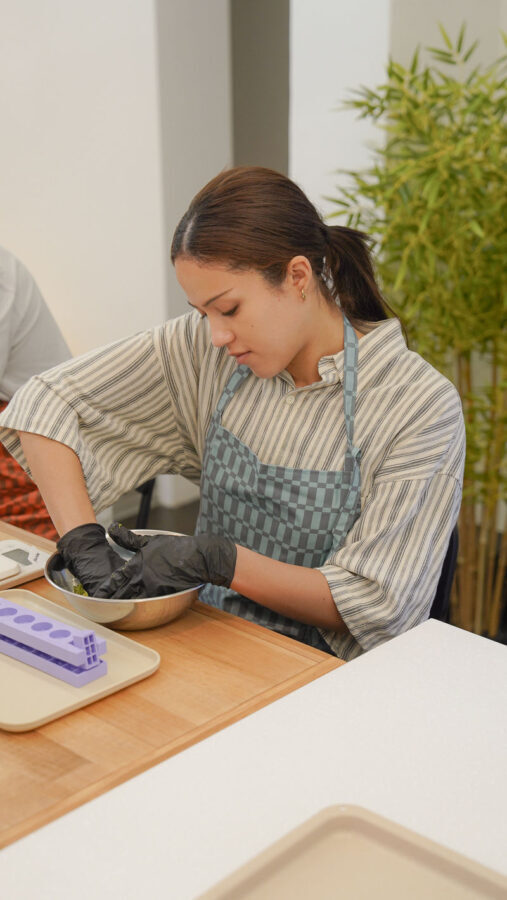
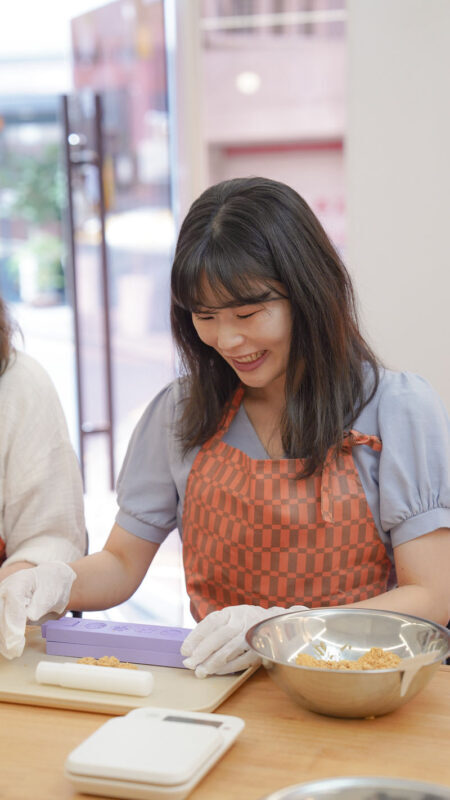
The class is presented in English, and the instructions are explained step by step. The process is described as accessible, even for beginners. One participant joined with a child and found the process easy to follow with verbal explanations and an iPad. If English is not your language, the activity may still be manageable because the shaping itself is simple, but you should not assume printed instructions are available in other languages.
You can also read our reviews of more tours and experiences in Seoul
Traditional flavors, with a modern twist
Part of the fun is seeing how different ingredients work in the same basic form. The class may use traditional choices such as omija and injeolmi, along with modern flavors like chocolate and pistachio. The combination keeps the workshop connected to Korean food traditions without making it feel like a museum demonstration.
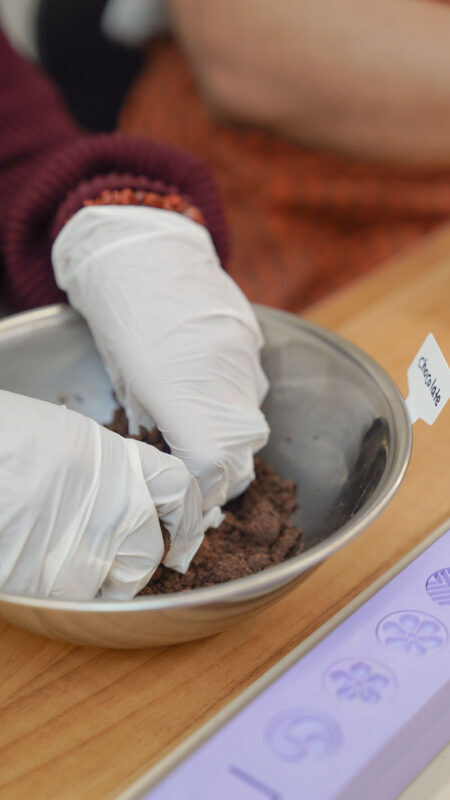
Dasik is often made from grain and nut powders, and one account of the class describes soy and almond powder bound with honey. The sweets were not overly sweet, and the dry texture paired well with tea. That is useful to know if you prefer a delicate snack to a rich, sugary dessert.
The exact flavors may vary, so do not count on making every flavor named in the description in one session. The instructor’s role is to guide you through the ingredients and shaping, not to turn the workshop into a complicated pastry class. You should leave with a practical sense of how the pieces are formed and why the ingredients matter.
The molds are part of the experience, too. They give beginners a clear way to create neat patterns without needing artistic skill. Your pieces may not all look identical, and that is part of the charm: you get a handmade set rather than a factory-perfect box.
A calm studio session, not a crowded cooking school
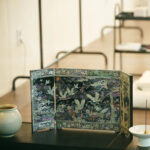
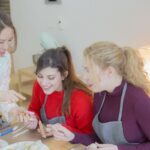
K-Vibe Studio is at 34, Gangnam-daero 79-gil, in Seocho-gu. The activity takes place in a clean, comfortable studio described as calm and traditionally styled. Some sessions have been very small, even just two participants, which can make it easier to ask questions and take your time. Group size is not guaranteed, however, so book for the activity itself rather than expecting a private class.
The atmosphere is part of the value. This is a sit-down craft with a patient instructor, not a race through a kitchen full of stations. The pace gives you room to watch each step, try it yourself, and enjoy a quieter break from sightseeing.
A few people have arrived late because of traffic or a difficult subway transfer and were able to join after contacting the studio. That is reassuring, but it is not a reason to cut your arrival close. The address is easy to find on Google Maps according to one participant, but Seoul transfers and traffic can still take longer than expected. Give yourself a buffer.
The activity is especially suited to couples, friends, families with older children, and solo visitors who enjoy food crafts. It also works well if you want a cultural activity that does not demand prior cooking experience. Children must be at least 6 to enter. Children aged 6 to 10 are listed as free, so check how they should be included when making your booking.
Tea and snacks complete the lesson
After shaping the sweets, you sit down with Korean tea and try what you have made. This final pause is more than a tasting break. Dasik is traditionally enjoyed with tea, and pairing the two helps explain its texture and flavor: a small, slightly dry sweet can soften as you sip.
The included tea and snacks also make the session feel like a complete cultural activity rather than a short craft lesson. Some classes have included additional Korean treats such as tteok or yakgwa, and mugwort tea has been served. Those extras may vary, so consider the listed Korean tea and snacks the reliable part, not a promise of a particular menu.
You then pack your handmade sweets in a premium box. That practical finish is one of the experience’s strongest features. Dasik is made to look lovely, and the box lets you bring it back to your hotel, share it at home, or give it as a small souvenir. If you plan to gift it, keep the box level and handle it gently so the molded patterns stay neat.
Is the price fair for a short workshop?
The supplied price information shows an Experience package from US$56.65, while the headline price is US$62.30. The final amount can depend on the booking details, so check the price at checkout rather than treating either figure as a fixed total.
For that price, the value comes from several pieces working together: an English-speaking instructor, a short history lesson, hands-on making, Korean tea and snacks, and a gift box for your finished sweets. You are paying for a guided cultural activity and something tangible to take away, not just for a snack.
The main limit is that no duration is provided. That makes it hard to compare the cost by the hour, and it is worth checking the session time before you build the rest of your day around it. If you want a deep technical cooking lesson or a large meal, the price may seem high for a focused craft. If you value a small-group feel, a calm setting, and a personal souvenir, the package has a clearer case.




The best fit for a gentle Seoul break
I would choose this class when you want to understand a small but distinctive part of Korean food culture and make something with your hands. It does not require a full day, specialist skills, or a commitment to a long kitchen session. The pattern-making gives you an activity to focus on, while the tea and short cultural introduction keep it grounded in place.
It is also a good option for a rainy afternoon or a quieter stretch in a Seoul itinerary, provided the timing works for you. The class is likely to appeal most to people who enjoy crafts, desserts, tea, or thoughtful souvenirs. Young visitors may enjoy the colorful shapes and the chance to make their own box of sweets, though the age requirement starts at 6.
You may want to skip it if your priority is a full Korean cooking class, a large meal, or a workshop with a guaranteed duration and set menu. But if you are curious about traditional sweets and like leaving an activity with something you made yourself, dasik offers a pleasant, hands-on way to spend part of your day.
Practical details to check
The meeting point is K-Vibe Studio, 34, Gangnam-daero 79-gil, Seocho-gu, Seoul. You need to present a mobile voucher, and the voucher is valid only for the date and time specified. Confirmation is expected within 24 hours; if no confirmation email arrives, contact customer support.
The activity includes English-speaking staff, snacks, dasik making, and Korean tea. Other personal expenses are not included. You can cancel for a full refund if you do so at least 24 hours before the activity date, using destination local time.
Should you book this dasik class?
Book it if you want a calm, approachable introduction to Korean tea sweets, enjoy making something attractive by hand, and like the idea of taking home a boxed souvenir. The strongest reasons to go are the patient instruction, the simple mold-pressing process, and the chance to taste dasik with tea in the same setting where you make it.
Before you commit, confirm the session time and final price, and allow extra time to reach the studio. If you are looking for a substantial cooking lesson, this is probably too brief. For a small cultural activity with a personal result, it is a sensible and memorable choice.
Making Traditional Korean dessert ‘Dasik’ & Enjoying Korean Tea
“An interesting and fun experience where you get to make traditional food of Korea. The steps for making are simple to follow, and the instructors a…”
FAQ
Where does the dasik class take place?
It takes place at K-Vibe Studio, 34, Gangnam-daero 79-gil, Seocho-gu, Seoul, South Korea.
Is the class taught in English?
English-speaking staff are included. The class instructions are primarily in English, and the making process is described as straightforward to follow.
What is included in the activity?
The Experience package includes dasik making, Korean tea, snacks, and English-speaking staff. Other personal expenses are not included.
What flavors can I make?
The class description names traditional flavors such as omija and injeolmi, and modern flavors such as chocolate and pistachio. The exact selection may vary.
Can children take part?
Participants must be aged 6 or older. Children aged 6 to 10 are listed as free; check the booking details for how to include them.
What is the cancellation policy?
You can receive a full refund if you cancel at least 24 hours before the activity date, based on destination local time.