The gayageum is not just an instrument to admire from behind a museum rope. In this 50-minute class, you hear both the 12-string and 25-string versions played live, then pick one to try yourself. You can work on a folk melody such as Arirang or a familiar soundtrack, depending on the options available for your chosen instrument.
I like two things here: you get a real hands-on lesson, not just a short demonstration, and a video and photo give you a personal souvenir that is more interesting than another street snapshot. The included traditional snack adds a small cultural pause after the music.
The trade-off is that 50 minutes goes quickly, and the song choices may depend on which gayageum you select. English communication also seems to vary, so arrive on time and confirm your preferred instrument and piece before the lesson begins.
- What makes this class worth considering
- A short introduction to the gayageum
- Start with a live demonstration
- Choose your instrument and song with care
- Learn the melody in a 50-minute lesson
- Finish with a video, photo, and snack
- How the price compares with the experience
- Finding the studio in Seocho-gu
- Who will enjoy this Seoul music class
- Should you book the gayageum class?
- FAQ
- How long does the gayageum class last?
- Which instruments can I try?
- What songs can I learn?
- Do I need musical experience?
- Are a video and photo included?
- Where is the studio?
- What is included in the price?
- The Best Of Seoul!
- More Tours in Seoul
- More Tour Reviews in Seoul
- Not for you? Here's more nearby things to do in Seoul we have reviewed
What makes this class worth considering
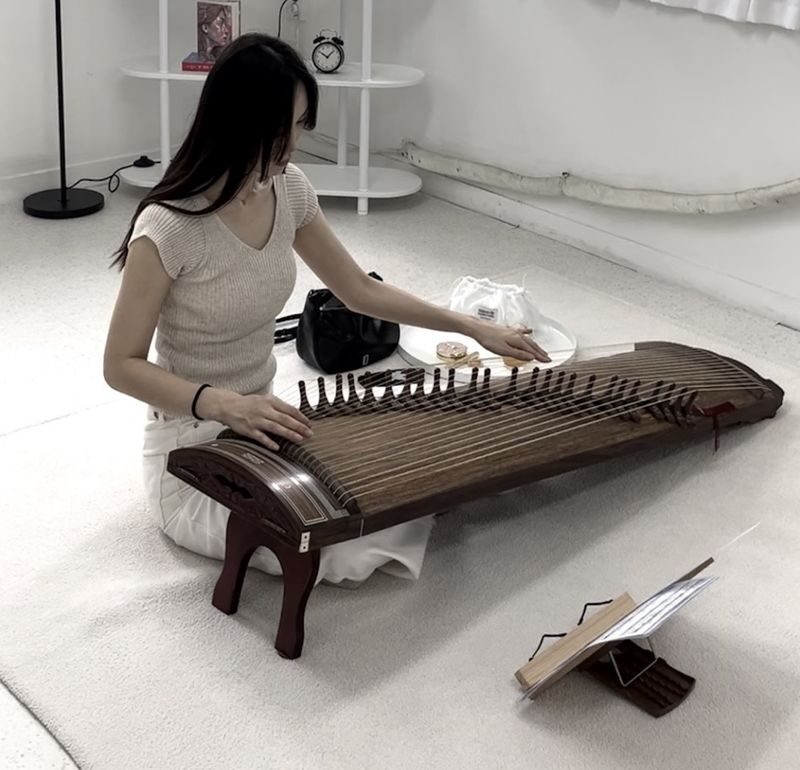
- Hear both gayageum types up close: The instructor performs on the 12-string and 25-string instruments before you choose one for your own lesson.
- Learn a short piece, not a full repertoire: Choices can include Arirang, Onara, film and anime soundtracks, and K-pop-style music, though the available piece may depend on the instrument.
- Get instruction from an experienced teacher: The instructor has more than 10 years of teaching experience and provides sheet music and instruments.
- Take home a performance recording: Your session includes a short video and photo, so you leave with a record of what you learned.
- Expect a small snack, not a full meal: A traditional snack is included, and tea has been served in some sessions. Meals and other personal spending are not included.
- Plan your route carefully: The studio is at 18-13 Mabang-ro 10-gil, Seocho-gu, on the third floor, Room 302. The ground-floor BBQ Lab and the entry code 0711 are useful landmarks.

👉 See our pick of the 25 Best Guided Tours In Seoul
A short introduction to the gayageum
The gayageum is a traditional Korean plucked zither, with strings stretched across a long wooden body. Its sound is clear and expressive, and it can feel quite different from the instruments most beginners have tried. You pluck the strings with your fingers, following the notes on a prepared sheet.
This class connects older Korean music with the sounds you may know from modern entertainment. Traditional instruments have appeared in contemporary Korean music, including K-pop, and the experience gives you a close look at how the gayageum can work in both settings. You are not expected to arrive with musical training or knowledge of Korean songs.
The session is best understood as a beginner introduction, not a full course. In less than an hour, you can learn the basic playing approach and work through a short section of a chosen melody. If you already read music or play another instrument, you may move through the material faster. If this is your first instrument, the instructor can guide you step by step.
You can also read our reviews of more tours and experiences in Seoul.



Start with a live demonstration
The class begins with the instructor playing both the 12-string and 25-string gayageum. That matters: the instruments are not merely props for a photo. You hear their sound and get a sense of how the two versions differ before deciding which one suits your lesson.
Watching first also gives you a moment to settle in. A few people describe being surprised by how quickly they could make a pleasing sound, even as complete beginners. The technique may still take practice, but the first notes are within reach.
The lesson is taught by an instructor with more than a decade of experience. The available information does not name the teacher for every session, so it is best not to book around a particular instructor. The strongest practical expectation is a teacher who can demonstrate the instrument and guide you through a short piece.
Choose your instrument and song with care
After the performance, you choose which gayageum to play. The class offers the 12-string and 25-string versions, but the song you can learn may be tied to your choice. Some people have worked on Arirang or Onara, while others have learned a passage from a soundtrack such as Inuyasha or Howl’s Moving Castle. K-pop-style selections may also be available.
Do not assume every song is offered on both instruments. One participant found that the 12-string option meant learning Arirang, while other sessions offered a choice between Arirang and a soundtrack. The selection appears to vary. If a particular song matters to you, ask about it before you begin, and be flexible about switching to a different piece.
This is a useful point to raise early, especially if you are choosing the class for a favorite song. The 12-string version may feel like the straightforward choice for a traditional melody, while the 25-string version could suit a different arrangement. The exact song-and-instrument combinations are not fully specified, so confirm rather than count on a particular pairing.
Learn the melody in a 50-minute lesson
Once you have chosen, the instructor introduces the notes and shows you how to follow the music sheet. Materials are provided, and some sheets include helpful pitch notes beside the strings. You do not need to bring an instrument, sheet music, or other supplies.
Expect to learn a short, beginner-friendly section rather than a complete song. The teacher demonstrates the passage, then you practice it and receive pointers as you go. Several people with no prior musical experience have managed a simple piece; people who already read music may spend more of the session playing rather than decoding the notes.
The gayageum’s layout can take a little getting used to. One musician noted that the instrument’s pentatonic basis and the direction of the higher pitches felt unfamiliar. That is part of the appeal, but it is also a reason to keep your goal modest: enjoy the sound and learn a passage, rather than expecting a polished performance after one short class.
The advertised class lasts 50 minutes. That is enough time for an introduction, instruction, practice, and a recording, but not much time to linger. Some people have felt rushed near the end or finished before the full hour they expected. Arriving promptly gives you the best chance to use the scheduled time well. If you want to ask questions or need extra help, speak up while you are practicing rather than saving everything for the final minutes.
Finish with a video, photo, and snack
The instructor records a short video of your performance, and a photo is included as well. A photo area is available, and you can use your phone recording as a keepsake or share it with friends and family. It is a nice reward for a beginner lesson: even if your playing is still a work in progress, you have a record of the first attempt.
The recording is not a professional studio session, and the class is not a performance workshop. Think of it as a personal memento made at the end of your lesson. If you are camera-shy, you can still enjoy the class for the music itself, but the recording is part of the experience offered.
A traditional snack is included, and tea has been served during some sessions. Keep your expectations in proportion: this is a small cultural refreshment, not a meal. The activity does not include meals or beverages as a general category, so do not count on it to replace lunch or dinner.






How the price compares with the experience
The listed price information gives two starting figures: US$47.09 for the Gayageum One-Day Class and a summary price of US$51.79. Those figures do not match, so check the final price shown for your date and booking before paying.
For the cost of a short class, you receive use of the instrument and sheet music, instruction, the chance to hear both instrument types, a snack, and a video and photo. That makes the value strongest if you want an active cultural experience and care about the recording. If you only want to hear traditional music, this is more class than you need. If you want a long lesson or a full meal, the price will feel less compelling.
The experience also offers something that is hard to get from a concert alone: you try the instrument yourself. You will not master it in 50 minutes, but you can leave with a better sense of how it sounds and feels under your fingers.
Finding the studio in Seocho-gu
The meeting address is 18-13 Mabang-ro 10-gil, Seocho-gu, Seoul, Republic of Korea, third floor, Room 302. The directions identify a BBQ Lab on the first floor and Boksakkot Pineun Jip directly across the street. The first-floor entry password is 0711.
Allow time to find the building and get upstairs. The address details are specific, but some people have found the studio difficult to locate or communication challenging. Use the street address and landmarks together, rather than relying on the short meeting-point label alone. Transport is not included.
The class has no age limit, but infants and children must be included in the passenger headcount. Participants who appear intoxicated may be refused service without a refund, so plan to arrive ready to take part.
Who will enjoy this Seoul music class
This is a good fit if you want to do more than watch a cultural performance, enjoy music, or are curious about Korean instruments. It also works for complete beginners. You do not need to be talented or confident; the aim is to learn a small piece and enjoy the process.
It may be especially rewarding if you have a soundtrack or folk song in mind. The chance to play a melody you recognize on a traditional instrument can make the lesson feel personal. Still, keep the song choice flexible, since the available piece may depend on the instrument and session.
If you are an experienced musician, you may pick up the notes quickly and have more time to practice. If you have never played anything, expect a patient introduction, but not a long course in musical technique. English-speaking staff are included, though the level of spoken English has not been consistent for everyone. Prepared notes and demonstrations can help, but do not hesitate to ask for an explanation again.
Should you book the gayageum class?
Book it if you want a focused, hands-on cultural break, value a take-home video, and are happy to learn a short beginner passage rather than a complete song. The instructor’s experience, the live demonstrations, and the chance to try either instrument make this more engaging than a simple music recital.
Think twice if you need a guaranteed song choice, expect a full hour of instruction, or want a substantial snack. Confirm your preferred piece and instrument in advance if they matter, arrive on time, and check the final price. With those expectations set, this is a distinctive way to spend part of a Seoul day making a little music yourself.
Play Korean Gayageum + Korean Traditional Snack Experience in Seoul
“It is an extraoridinary experience to learn tranditional Koren Music by playing Koren Gayageum. Teacher is professional and patience to teach me st…”
FAQ
How long does the gayageum class last?
The class is scheduled for 50 minutes.
Which instruments can I try?
You can hear demonstrations on both the 12-string and 25-string gayageum, then choose one to learn on.
What songs can I learn?
Choices may include Korean folk songs such as Arirang and Onara, soundtracks, and K-pop-style music. The available piece can depend on the instrument, so confirm your preferred song before the lesson.
Do I need musical experience?
No musical experience is required. The class provides an instrument and sheet music, and beginners can learn a short piece during the session.
Are a video and photo included?
Yes. A video and photo of your gayageum session are provided, and a photo area is available.
Where is the studio?
The address is 18-13 Mabang-ro 10-gil, Seocho-gu, Seoul, Republic of Korea, third floor, Room 302. The building has BBQ Lab on the first floor, and the entry password is 0711.
What is included in the price?
The class includes English-speaking staff, the 50-minute lesson, instruments, sheet music, a video and photo, and a traditional snack. Transport, meals and beverages, personal expenses, and tips are not included.