SBS Inkigayo puts you close to the choreography, studio cameras, and cheering fans that make a Korean music show feel different from watching one at home. The package pairs the broadcast with a guided walk through Seoul, then takes you by bus to the SBS studio.
I like two things about that combination: you get a glimpse of how a televised music show is made, and the shared fan atmosphere can make even unfamiliar groups fun to watch. The walking tour also gives the day a local context, with stops that change by month.
The catch is that the star lineup is not a promise of live performances. Some acts may appear only in prerecorded segments, and studio rules are strict: no photos, no drinks, and no restroom breaks once inside.
- The parts of the day to know before you book
- From a Seoul walk to the SBS studio
- A walking tour that sets the scene
- The bus ride and the wait outside SBS
- What Inkigayo feels like from inside
- The studio rules are part of the deal
- Is the price worth it?
- Who should book this Inkigayo package?
- FAQ
- How long does the whole experience take?
- Where do I meet the group?
- Do all the listed artists perform live?
- Can I take photos or record inside the studio?
- What should I bring?
- Can children attend the performance?
- The Best Of Seoul!
- More Tours in Seoul
- More Tour Reviews in Seoul
- Not for you? Here's more nearby things to do in Seoul we have reviewed
The parts of the day to know before you book

- The walk changes by month: The guide leads a short city route, with meeting points and stops that vary. It is a sampler, not a long, detailed sightseeing tour.
- You travel to SBS as a group: A bus takes participants to Deungchon Open Hall. After the show, plan to leave from the hall on your own unless your final instructions say otherwise.
- You see a broadcast, not a concert: Artists may perform live, appear briefly, or be shown in prerecorded footage. The lineup can change at the last minute.
- The studio is close to the action: The room is small, and the production is right in front of you, but cameras and stage lighting may block parts of your view.
- Bring your passport and arrive on time: Staff check your identity at entry. Missing the check-in cutoff can mean no admission and no refund.
- Expect a long day with firm rules: There is walking and standing, a limited lunch window, and no food, drink, restroom use, or recording inside the studio.

👉 See our pick of the 25 Best Guided Tours In Seoul
From a Seoul walk to the SBS studio
This is best understood as a full-day outing, not a one-hour activity. The experience is advertised with a one-hour duration in some details, but the day’s schedule runs from a morning meeting to an afternoon dismissal at SBS. The studio visit is only one part of it.
The usual outline is to gather around 10:00 a.m., spend the first part of the day walking, and board a bus for SBS around 12:40 p.m. Arrival at the public hall is scheduled for about 1:50 p.m., with the show entry later in the afternoon. Exact timings and the walking route can change, so use the meeting instructions for your date rather than relying on a general schedule.
There is also some variation in the instructions about meeting times and locations. Different monthly routes have used places such as Gwanghwamun, Dongdaemun History and Culture Park, Anguk, Seogang University, and City Hall stations. One set of instructions gives a morning start, while some monthly meeting details specify a 1:00 p.m. walk. Check the current voucher and operator’s message carefully, including whether you have booked the walking tour or only the studio portion.
The tour is designed for non-Korean participants. Korean passport holders cannot book, and children under 15 cannot attend the performance, even with a guardian. You need your own passport for the identity check. A mobile voucher alone is not enough.
You can also read our reviews of more tours and experiences in Seoul.

A walking tour that sets the scene
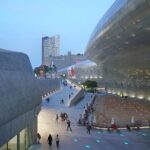
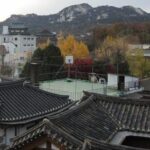
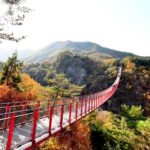
The city portion is a guided introduction to changing historical, cultural, and tourist spots, not a fixed list of major landmarks. The guide explains each stop, then gives you a short time to look around before the group moves on. One version of the route included an exhibition of art made with Korean paper, a welcome change from simply ticking off famous sights.
That format is useful if you want company, context, and a simple way to see a few places before heading to SBS. It is less suitable if you prefer to linger, browse at your own pace, or hear a long talk at every stop. The walk can feel brisk, and the route may be adjusted for rain, snow, cold, or other conditions.
English-speaking guides lead the tour. Ashley, one guide praised by name, was described as helpful and clear, but guide assignments vary. The strongest version of this outing is when you treat the walk as an add-on and the music broadcast as the main event, rather than expecting a deep city tour.
Be ready for a sizeable group. One reported group had more than 40 people, although that does not establish the usual size. When a group is large, listen closely when the guide gives a return time and meeting point. A few minutes of wandering can become a missed bus if you lose track of the group.
The bus ride and the wait outside SBS
The included bus takes the tour group to SBS Deungchon-dong Public Hall, also called SBS Open Hall, in Gangseo-gu. The address is 442 Yangcheon-ro, near Gayang Station, and the meeting point is described as the 7-Eleven beside the hall. If you are joining the broadcast without the city walk, follow the date-specific arrival instructions and check in with staff outside.
The posted schedule calls for arrival and check-in by 1:50 p.m. If you are late, you may be marked absent and refused entry. For anyone who must go directly to the studio, the information also warns that arriving after 2:00 p.m. means no admission or refund, even if the delay was unavoidable. This is not a good outing for a loose, last-minute arrival.
There may be a wait before you enter. Keep your passport handy, follow the staff’s directions, and pay attention to your assigned number or queue position if one is given. A long line in the sun has been a problem on at least one day, so bring weather protection for the outdoor portion, while remembering that food and drink cannot enter the studio.
The package includes transport to SBS, but the return arrangements are not entirely clear. Some timing details refer to a return around 4:50 p.m.; other instructions say participants are dismissed at the hall after the broadcast without further guidance. Make your own plan for getting away from SBS, and confirm the day’s return arrangement before you set off.
What Inkigayo feels like from inside
Inkigayo is a Sunday music broadcast, and seeing it in person gives you more than a view of the performers. You notice the cameras, lighting, studio setup, MC activity, and the organized response from fans. That production detail is the real difference from watching the show on a screen.
The studio is relatively small, so the stage can feel close. That does not mean every seat has an unobstructed view. Broadcast cameras and lighting equipment may be in your sightline, and the organizer does not offer seat changes or refunds for that. You are attending a working television production, not a concert designed around a clear view from every angle.
Be ready for a mix of live and prerecorded material. Some artists may perform in person, while others may appear on screen in a recorded performance. Even when an act has prerecorded the main segment, performers may still come onstage briefly, dance, or interact with the audience, but you should not count on that. A schedule of artists is not a guarantee that each one will appear live.
That uncertainty matters most if you are booking for one specific group. The artist lineup is usually posted on the official SBS Inkigayo site on Friday after 2:00 p.m., two days before the show. The lineup is not sent individually to participants, and last-minute changes can still happen because of artist schedules or broadcast decisions. If seeing a particular act in person is your only reason to go, a concert ticket is a surer bet.
For fans who follow many groups, the uncertainty can be part of the fun. You may see an artist you know well, then discover a newer act you had not planned to watch. The crowd’s cheering and the short transitions between acts add a lively feel, though this remains a tightly managed recording rather than an open fan event.
The studio rules are part of the deal
Inside, you cannot take photographs, video, or audio recordings. Phone lights and flash are also prohibited. Staff can remove you if you record, and they may require you to delete material. The no-recording rule can feel strict, but it also leaves you free to watch the stage rather than hold up a phone.
The rules around basic comfort are stricter than at many shows. No outside food or drinks are allowed, including bottled water. You cannot use the restroom after entering the venue, and attendees cannot leave during the show. Use the bathroom before you go in, and tell on-site staff in advance if a special circumstance may require you to leave.
The walk includes hills and stairs, and the studio queue may involve standing. Comfortable shoes are a sensible choice. Plan for the gap between the morning walk and the show as well: lunch is on your own, and the break may be short. Bring money for your meal and avoid counting on a leisurely sit-down stop.




Is the price worth it?
The package price is shown from about US$234.95 in one price detail and US$270.19 in another. The exact amount can vary, so check the date and option you select before paying. At either price, this is a costly way to see a television music show if you judge it only by the minutes of performance.
The value comes from the whole arrangement: a guided walk, a bus to the studio, and a chance to watch a Korean music broadcast from inside. If you would otherwise struggle to navigate the check-in process or arrange access, the organized format may be worth paying for. The guide and group also take some of the uncertainty out of getting to the venue.
But the value drops if your expectations are narrowly tied to one artist, a guaranteed live set, or concert-style comfort. Some songs may be prerecorded, views can be partly blocked, and the rules leave little room for breaks. The city walk is a bonus, but it is too short and changeable to justify the cost on its own.
A full refund is available if you cancel at least seven days before the activity date, according to the stated policy. Date-change requests must be made through customer service at least seven days ahead by 4:00 p.m. local time. The Seoul walk may be canceled if SBS changes its broadcast schedule, with no partial refund for that free package benefit.
Who should book this Inkigayo package?
Book it if you are a committed K-pop fan who wants to see the production side of a music show and is happy to watch a range of artists. It is especially appealing if you enjoy the crowd energy, want a guide and group transport, and see the city walk as a useful extra.
Think twice if you need guaranteed live performances from a specific group, want to take photos, or find long queues and strict venue rules frustrating. Before booking, check your date’s meeting point, confirm whether the walk is included, and understand that the post-show journey may be on your own. With those expectations set, Inkigayo can be a memorable window into how Korean music television works.
KPOP: SBS Inkigayo + MVP Seoul Tour Package
“This is definitely a top recommendation for any Kpop fans! If you've been watching music shows for years just online behind your screen, this is a…”
FAQ
How long does the whole experience take?
Plan for most of the day. The schedule generally begins around 10:00 a.m. and runs into the afternoon, with dismissal at SBS listed around 4:50 p.m. The advertised one-hour duration does not describe the full day package.
Where do I meet the group?
The walking-tour meeting point changes by month and date. Check your current voucher for the exact station exit and time. The SBS meeting point is the 7-Eleven beside Deungchon-dong Public Hall, near Gayang Station.
Do all the listed artists perform live?
No. Some artists may perform live, while others may appear in prerecorded segments. The lineup can also change at short notice, so a specific artist’s appearance is not guaranteed.
Can I take photos or record inside the studio?
No. Photography, video, and audio recording are prohibited inside. Phone LEDs and flash are also not allowed.
What should I bring?
Bring your passport and mobile voucher. The passport is required for identity verification, and the information says it should have at least six months of validity. Comfortable walking shoes are recommended.
Can children attend the performance?
Children under 15 are not allowed to attend, even when accompanied by a guardian. The package is also unavailable to Korean passport holders.