A cooking class can turn familiar Korean dishes into something you understand, not just something you order. At Seoul Cooking Club, you make a generous spread, hear where the recipes come from, and finish by eating the meal you helped prepare.
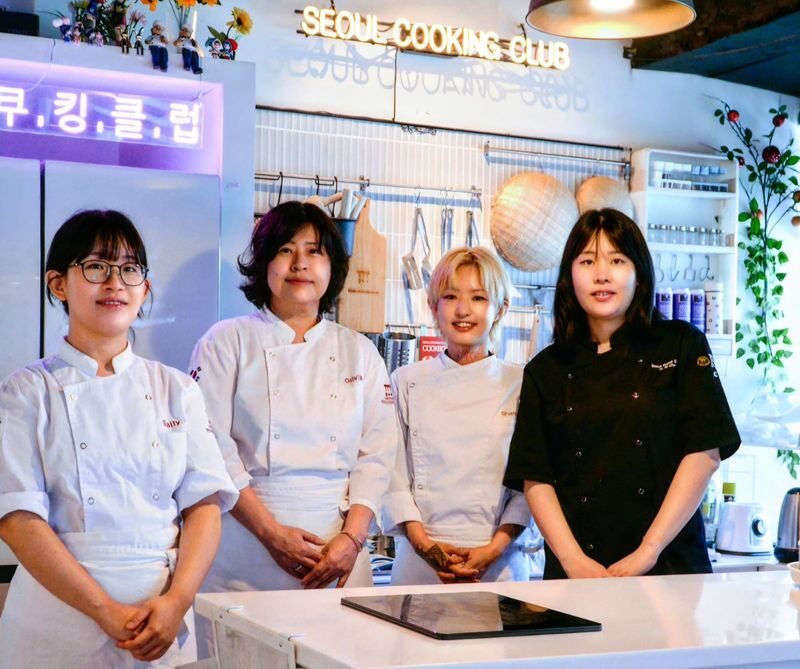
I like two things in particular: the instructors make the steps approachable for beginners, and the cultural notes give dishes like bibimbap and kimbap a little more meaning. Instructors such as Grace, Olivia, Ellie, and Sally have led classes, though the person teaching your session may vary.
One consideration: this is a guided, well-prepared class, not a test of advanced cooking skills. Much of the chopping and prep is done before you begin, so seasoned home cooks looking for a challenge may want a more hands-on format.
- What makes this class worth considering
- From Jonggak Station to the cooking table
- A relaxed start, then a lot of cooking
- Learning dishes by making them
- The best part may be sitting down to eat
- English instruction and a welcoming pace
- Dietary needs and who should book
- Price, timing, and booking details
- Should you book this Seoul cooking class?
- FAQ
- How long is the Korean Cooking Experience?
- Where is Seoul Cooking Club?
- What dishes might I make?
- Are dietary options available?
- Can children join the class?
- What is included in the price?
- The Best Of Seoul!
- More Cooking Classes in Seoul
- More Tours in Seoul
- More Tour Reviews in Seoul
- Not for you? Here's more nearby things to do in Seoul we have reviewed
What makes this class worth considering
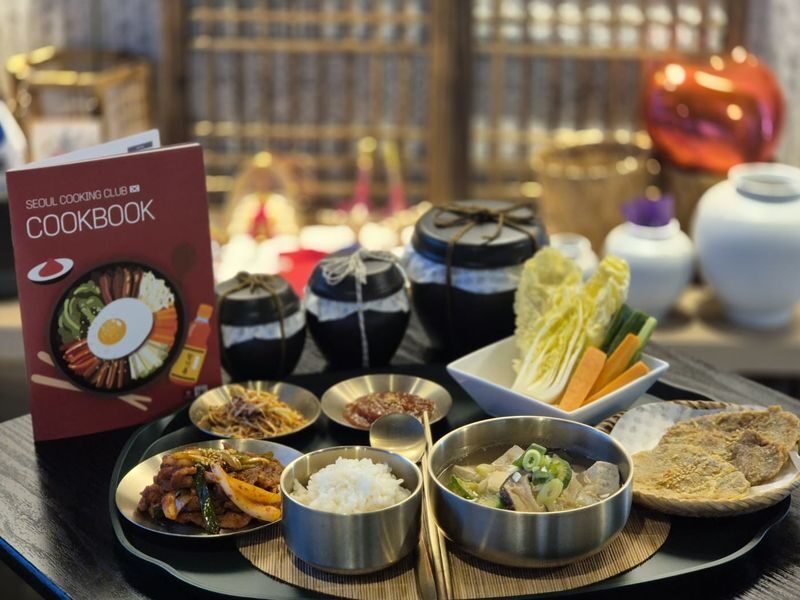
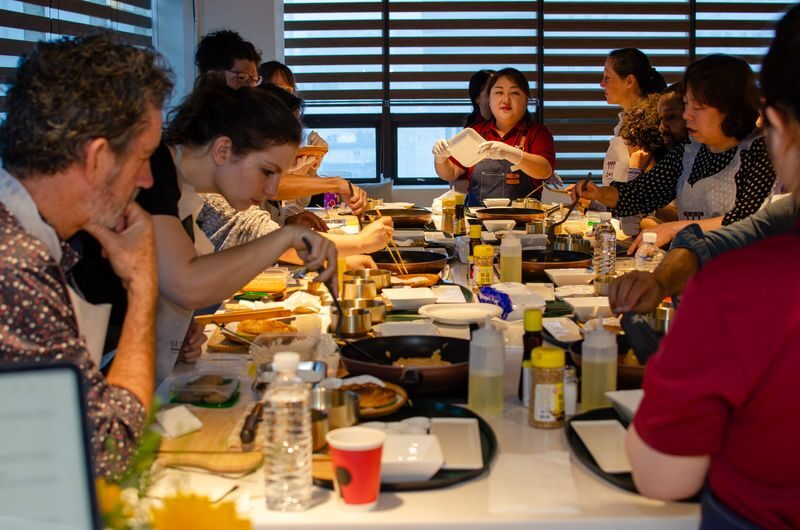
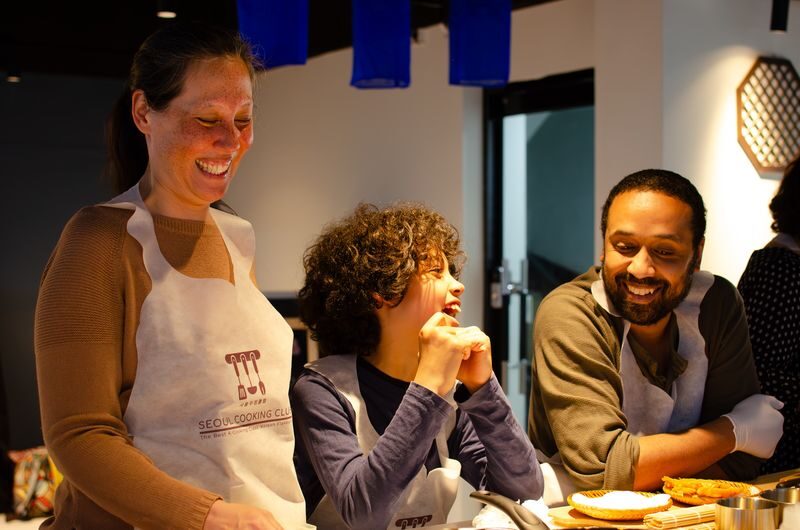
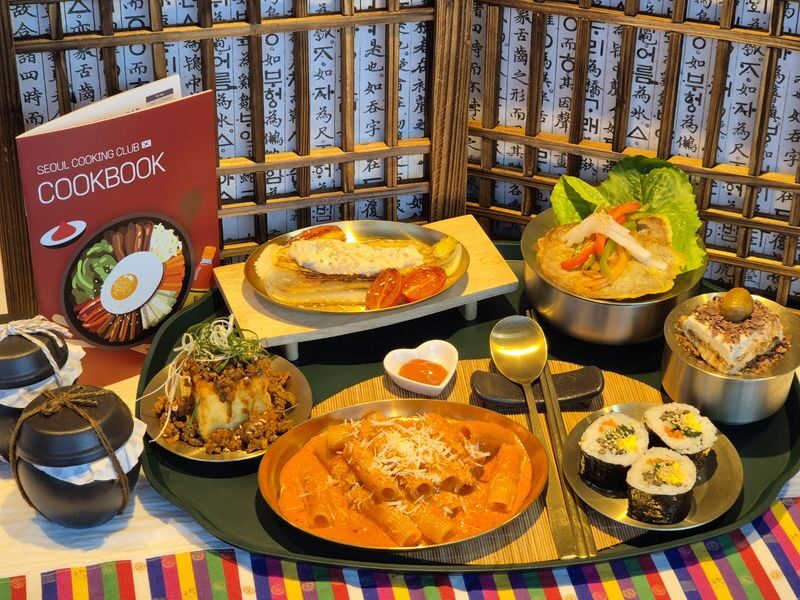
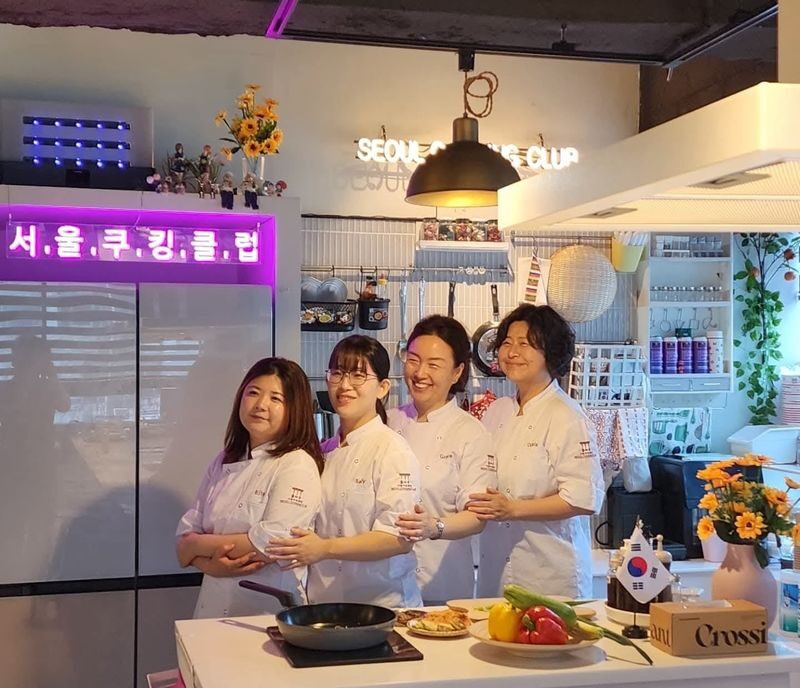

- A meal, not just a demonstration: You prepare several Korean dishes and sit down to eat them together.
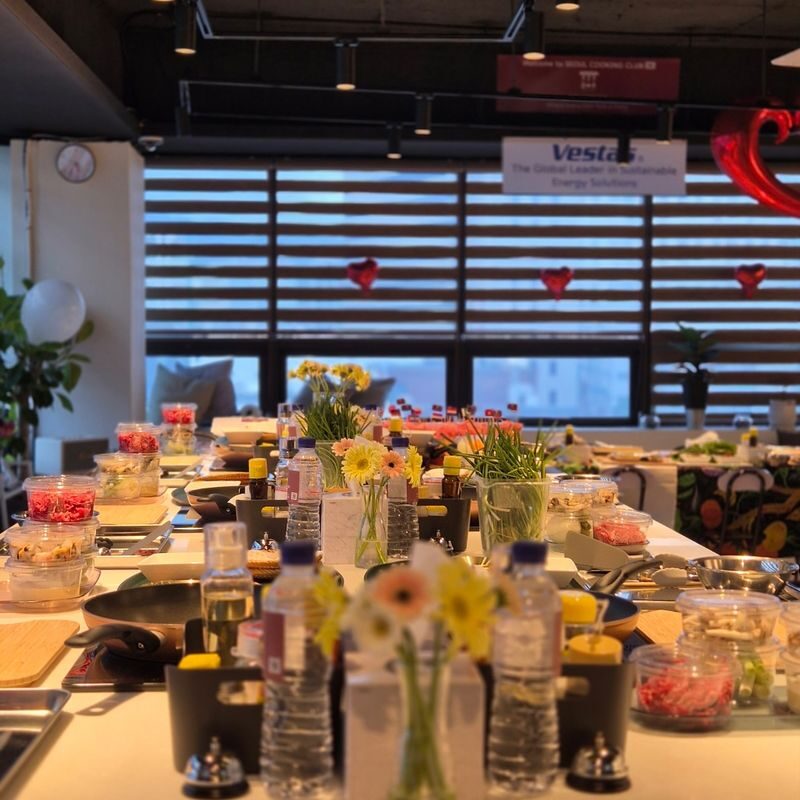
- Beginner-friendly cooking: Ingredients are set out and labeled, and the steps are easy to follow.
- Food with context: Your instructor explains the dishes and shares cultural stories along the way.
- A generous spread: Classes have included seven dishes, with dessert and enough food that you may want to arrive hungry.
- Dietary options: Vegan, vegetarian, pescatarian, gluten-free, halal, and kosher options are listed.
- A central Seoul address: The class is in Jongno, a short walk from Jonggak Station.

👉 See our pick of the 25 Best Guided Tours In Seoul
From Jonggak Station to the cooking table
The class takes place at Seoul Cooking Club in Jongno, a central part of Seoul that fits well into a day of sightseeing. The directions give the address as 7F Bowon B/D, 86 Jongno, Jongno-gu, Seoul, with the Korean address 서울시 종로구 종로 86 보원빌딩 7층. From Jonggak Station on Line 1, use Exit 12, walk straight, take the first immediate right, and look for the first building on the left. The cooking club is on the seventh floor.
There is a small practical wrinkle: the meeting details also show 71-6 Jong-ro, while the detailed directions point to 86 Jongno. Before setting out, check the address on your confirmed voucher and use the Korean address if you are taking a taxi. Arrive 10 minutes before your start time; late arrivals and no-shows are not refundable.
You can also read our reviews of more cooking classes in Seoul


A relaxed start, then a lot of cooking
The published schedule runs from 10:00 to 12:30, with the class itself shown as about two and a half hours. The experience is also described elsewhere as a two-hour activity, so allow roughly two to two and a half hours and check your chosen session’s voucher for the precise timing.
Brunch, lunch, and dinner sessions are available, each starting from US$109. The schedule and meal setting change with the option you book, but the basic appeal is the same: you prepare a Korean meal with an instructor, then eat it together. Listed inclusions include English-speaking staff and guide, a certified professional instructor, breakfast, refreshments, and snacks. The breakfast wording appears alongside all package choices, so confirm what is included with your specific session rather than assuming it describes the meal time.
The class is designed to be easy to join even if you rarely cook. Ingredients are prepared in advance, often cut, cooked, or portioned, and instructions are given step by step. That keeps the lesson moving and lets you focus on combining flavors and learning techniques rather than spending the first hour chopping vegetables.
That convenience is also the main trade-off. You may get to roll kimbap, mix ingredients, fry an egg, or finish dishes in a pan, but you should not expect to do every stage from scratch. If your goal is a lively introduction to Korean food, that setup makes sense. If you already cook often and want to practice knife skills or develop a dish from raw ingredients, the limited prep work may feel light.
Learning dishes by making them
The precise menu can vary, but dishes named in class descriptions and session accounts include bibimbap, bulgogi, japchae, kimbap, and Korean pancakes. Some classes have covered around seven dishes, while the activity description promises a three-course meal and more than 10 dishes, including dessert, depending on the program. Treat those counts as a sign of a generous variety rather than a fixed menu guarantee.
The format favors tasting and variety. For bibimbap, for example, much of the component preparation may already be done; you assemble the bowl and add a fried egg. For kimbap, ingredients may be pre-cooked and cut, leaving you to practice the rolling. These finishing steps are approachable, and they teach useful details you can repeat at home.
Bulgogi and japchae give you a feel for the savory side of Korean cooking, while pancakes add another texture and technique to the mix. Instructors have also shared practical notes about oils, sauces, and spices. That kind of advice matters if you want to cook the food again, since knowing which ingredients to use can be more useful than memorizing a recipe alone.
The experience is not just a sequence of instructions. Instructors explain the dishes and the cultural stories attached to them, giving you context for what you are making. If you have watched the cooking competition show that inspired the special Survival Dishes package, that version adds a connection to the program. You do not need to know the show to take part; the class can explain the recipe context even if you have only heard of it.
The best part may be sitting down to eat
After the cooking, you share the dishes you have made. This turns the class into both a lesson and a substantial meal, rather than an activity that ends when the stove is switched off. Several course accounts describe generous portions, and some people have had leftovers to take away. Come hungry, especially if you have plans to eat soon afterward.
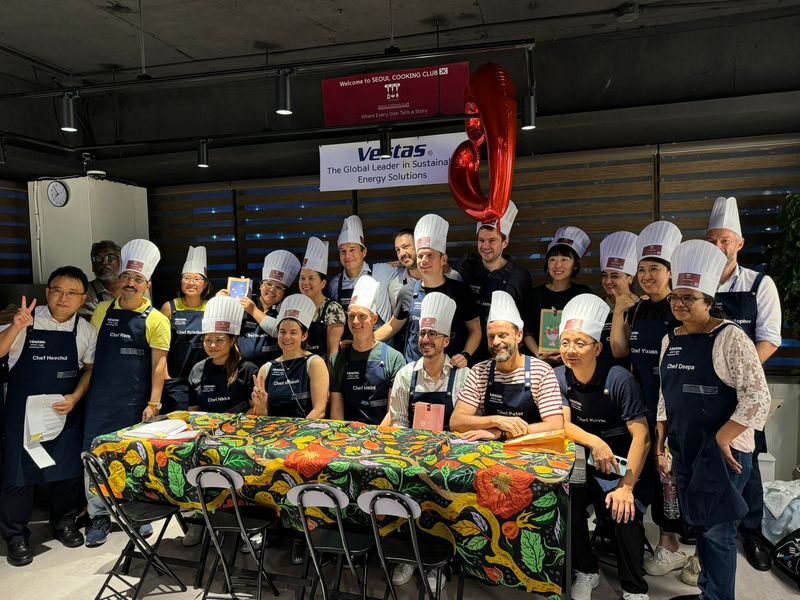
The shared meal also gives the session a social rhythm. If you arrive on your own, the group setting can make it easy to talk with other participants. Instructors have been described as joining the meal and chatting, which can turn a cooking lesson into an informal chance to ask questions about food and life in Seoul.
Dessert is part of the appeal. Hotteok, a Korean sweet pancake, has been given as a dessert in some sessions, and tea or water has also been served. Small extras such as a recipe book or cotton bag have been included at times, but they should not be treated as guaranteed unless your package details say so. The reliable point is that dessert and snacks are part of the advertised experience.
English instruction and a welcoming pace
English-speaking staff, a guide, and a professional instructor are included. This matters in a cooking class, where a clear explanation of timing and technique can make the difference between following along and feeling lost. Instructors named in class accounts include Grace, Olivia, Ellie or Elly, and Sally. The teaching team may vary by date.
The teaching style is suited to a broad range of abilities. Steps are explained clearly, ingredients are labeled, and instructors help participants through the process. Families have taken part, and children aged 9 to 16 can join with a paying adult. Children aged 9 and older pay the adult rate, so check the cost before booking for a family.
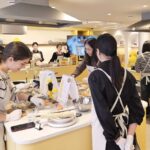
The kitchen has been described as clean and well organized, with individual workstations and ingredients arranged for the lesson. That preparation helps keep the class orderly, but it also explains why the experience may not feel like an open-ended cooking workshop. You are guided through a set plan, with time for cooking, tasting, and conversation.





Dietary needs and who should book
The class lists vegan, vegetarian, pescatarian, gluten-free, halal, and kosher options. That range is a real advantage in a group cooking activity, where a single menu can otherwise leave some people with little to eat. Dietary needs have been accommodated in the past, but options and ingredients can depend on the session. Contact the provider before booking if you need a specific adaptation, especially for strict dietary rules or allergies.
I’d recommend this class to first-time visitors who want a practical introduction to Korean food, couples or friends who enjoy cooking together, and families with children old enough to participate. It also suits solo visitors who like shared activities, since the group meal provides a natural chance to meet people.
It is a less obvious choice for experienced cooks seeking advanced technique, a long lesson devoted to one recipe, or a fully scratch-made process. The class offers breadth and ease rather than culinary rigor. That is a fair trade if you want to leave with a full stomach, a few recipes, and a better sense of what goes into the dishes you see around Seoul.
Price, timing, and booking details
Prices start at US$109 for brunch, lunch, or dinner. That is more than the cost of an ordinary restaurant meal, but you are paying for instruction, a multi-dish cooking session, an English-speaking team, and the chance to eat what you make. The value is strongest if you treat it as a cultural activity plus a meal, not simply as a cooking lesson.
The voucher is valid only for the date and time booked. Changes are generally allowed until 24 hours before the activity, with exceptions for bookings made using certain passes, presales, freebies, or cultural credit programs. Cancellation at least 24 hours before the activity date receives a full refund, based on local time.
Should you book this Seoul cooking class?
Book it if you want a friendly, well-organized introduction to Korean dishes and enjoy learning by doing. The combination of clear English instruction, cultural background, multiple recipes, and a shared meal makes the class especially useful early in a Seoul visit, when you can use what you learn to make more sense of the food you encounter afterward.
Think twice if you want advanced kitchen practice or to prepare every ingredient from scratch. And before you go, confirm the exact address and session length on your voucher, since the published details give two address references and describe the duration as both two and two and a half hours. If those caveats suit you, the class is a strong pick for a filling, hands-on few hours in central Seoul.
Korean Cooking Experience by Seoul Cooking Club
“The cook class was great! Very helpful and a great experience”
FAQ
How long is the Korean Cooking Experience?
The schedule shows a 10:00 start and 12:30 return, while the class is described as about two and a half hours. Some activity details also state two hours, so check the timing shown for your selected session.
Where is Seoul Cooking Club?
The detailed directions give the address as 7F Bowon B/D, 86 Jongno, Jongno-gu, Seoul. From Jonggak Station on Line 1, take Exit 12, walk straight, turn right at the first immediate street, and look for the first building on the left. Check your voucher because another meeting detail lists a different street number.
What dishes might I make?
The menu can vary. Named examples include bibimbap, bulgogi, japchae, kimbap, and Korean pancakes, along with dessert. The experience is described as a three-course meal and may include a wider range of dishes.
Are dietary options available?
Vegan, vegetarian, pescatarian, gluten-free, halal, and kosher options are listed. Contact the provider before booking to confirm that your specific needs can be met for your session.
Can children join the class?
Participants must be at least 9 years old. Children aged 9 to 16 must be accompanied by a paying adult, and children aged 9 and older are charged the adult rate.
What is included in the price?
The listed inclusions are English-speaking staff, an English-speaking guide, a certified professional instructor, breakfast, refreshments, and snacks. Personal expenses are not included. The experience also includes cooking and tasting the meal, but check your selected package for its exact details.