Paradox Museum London turns familiar rooms and objects into puzzles for your eyes and balance. The ceiling-mounted tube station and twisting tunnel make perception the main event, while the Paradox Sofa gives you a playful scene to photograph.
I like the mix of hands-on photo moments and simple science: the tricks are fun to try, and their explanations give the experience something beyond a gallery of odd pictures. One consideration is that this is a self-guided museum visit, not a tour with a guide, and the ticket covers admission only.
What to know before you go
- More than 60 illusions: Expect interactive exhibits designed to play with your sense of space, gravity and perspective.
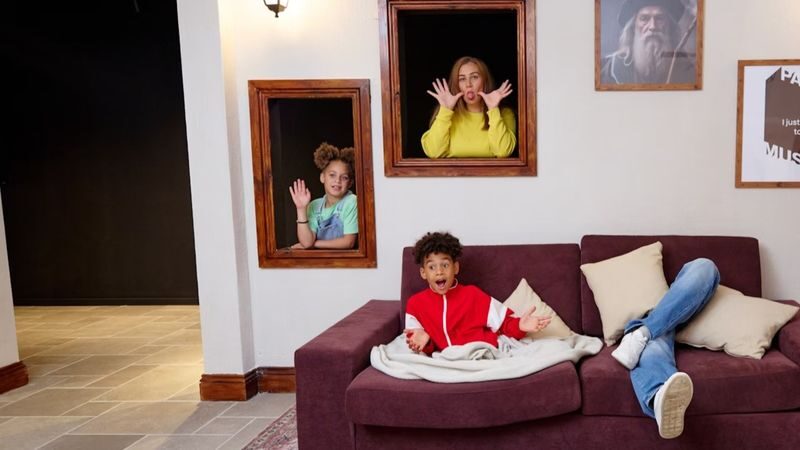
- A Paradox Sofa and tricky castle corridors: These set up playful photo moments and make the rooms part of the trick.
- The Throne Room: A grand-looking setting for a memorable, staged portrait.
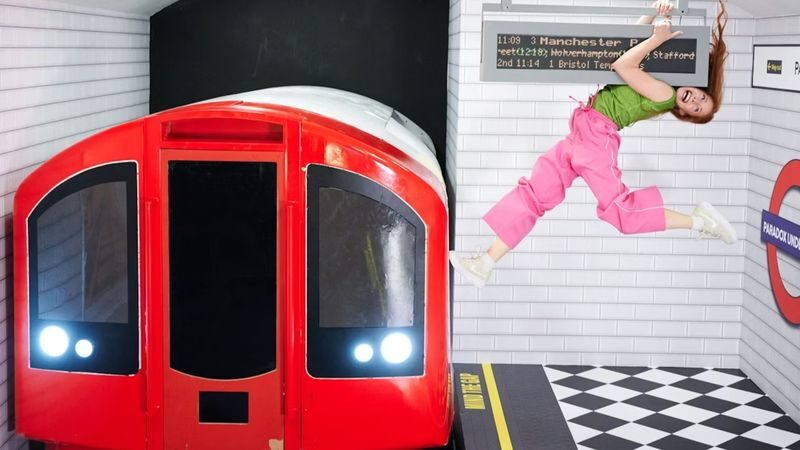
- A tube station turned upside down: Take a photo that makes it look as if you are walking on the ceiling.
- A twisting tunnel: Walking straight becomes a surprisingly tricky task.
- A handy Knightsbridge address: The museum is opposite Harrods, a two- to three-minute walk from Knightsbridge station.

👉 See our pick of the 25 Best Workshops And Classes In London
- What to know before you go
- The pleasure of being fooled
- Castle corridors and the Paradox Sofa
- A royal pose in the Throne Room
- The upside-down tube station
- Finding your feet in the twisting tunnel
- A self-guided visit, with science in the mix
- Who gets the most from a ticket
- The Knightsbridge setting and practical details
- Is the ticket good value?
- Should you book Paradox Museum London?
- FAQ
- Where is Paradox Museum London?
- How do I get there by Underground?
- Which buses stop nearby?
- What does the ticket include?
- Are children under four admitted free?
- Are carer tickets available?
- Is the museum wheelchair-accessible?
- What are the opening hours?
- The Best Of London!
- More Tickets in London
- More Tours in London
- More Tour Reviews in London
- Not for you? Here's more nearby things to do in London we have reviewed
The pleasure of being fooled
 1 / 6
 2 / 6
 3 / 6
 4 / 6
 5 / 6
 6 / 6
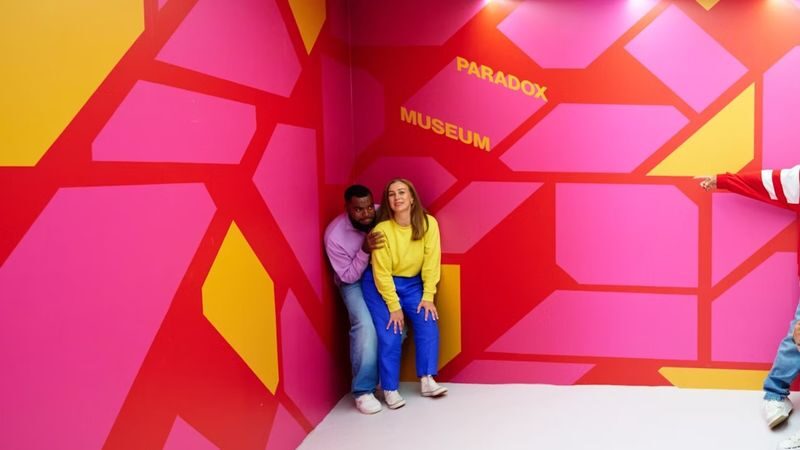
The fun here is not simply looking at strange rooms. You become part of the illusion, testing what your eyes tell you against what your body feels. A floor that seems to tilt, a corridor that appears to twist, or a room arranged to distort scale can turn an ordinary photo into a small visual puzzle.
There are more than 60 illusions and interactive exhibits, so you have a good range of things to try. The museum frames them as both entertainment and a chance to learn about perception. That mix matters: the tricks are easier to appreciate when you can also ask why your brain reads a scene one way even when the physical setup tells another story.
I would approach the visit with curiosity rather than a checklist. Take time to look at how each exhibit works, then try it yourself. The photo is often the souvenir, but noticing what fooled you is part of the appeal.
You can also read our reviews of more tours and experiences in London
Castle corridors and the Paradox Sofa
The Castle Room is one of the most playful starting points. Its tricky hallways make a familiar idea, walking from one part of a building to another, feel less straightforward. The room’s effect depends on how you see and move through it, so it is worth taking a moment before you rush to the camera.
The famous Paradox Sofa gives you a more direct photo opportunity. It is designed to make the ordinary business of sitting down look surreal, and it is an easy exhibit to enjoy with a friend or child. If you are visiting with family, this is the sort of scene that can draw everyone in, even if not everyone wants to read a lengthy explanation.
A parent who visited with an eight-year-old described the mix of fun and science as a good fit for a child. That is a useful clue to the museum’s tone: the exhibits are playful first, with explanations that can make the visual trick more interesting for curious minds.
A royal pose in the Throne Room
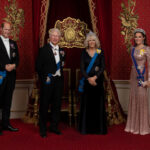
The Throne Room offers a change of mood from the crooked corridors and optical puzzles. Its grand setting is made for a posed photograph, letting you take on a royal role for a moment without needing to know anything about court protocol.
This is one of the more straightforward stops. You do not need to solve a puzzle to enjoy it; the room itself provides the scene. If you are visiting with friends, it can be a good place to take a group photo. With children, it gives them an easy chance to play along and invent a character.
The trade-off is that a photo-focused room may hold your attention for less time than an interactive illusion. That is not a problem if you see it as one stop among many, rather than expecting every exhibit to offer the same kind of challenge.
The upside-down tube station
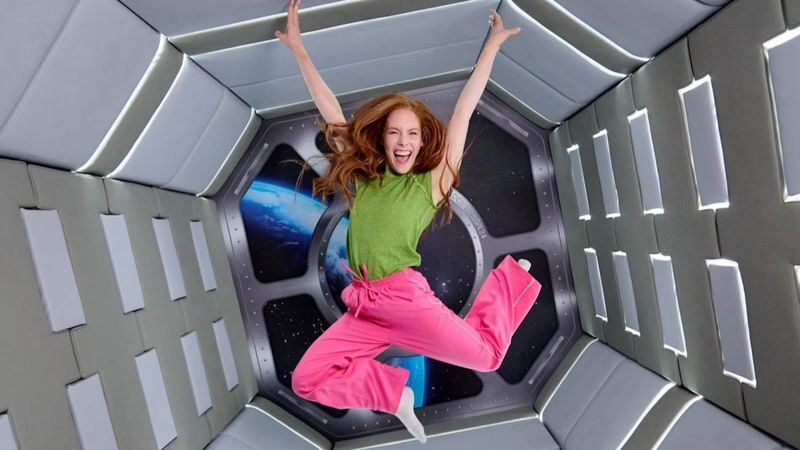
One of the museum’s most distinctive setups is a tube station presented as if it were on the ceiling. The trick is simple to understand once you see the finished image, but getting the angle right is what makes the photograph convincing.
This exhibit is a good example of the museum’s approach. It borrows a familiar piece of London life and rearranges it until your sense of gravity gets a gentle shake. You are not looking at a real station or taking a ride; you are using the staged setting to create a gravity-defying photo.
If pictures matter to you, this is a stop worth taking your time over. A quick snapshot may not capture the effect as clearly as a carefully framed one. You can take turns posing and photographing, which makes the setup more engaging for a pair or a small group.
Finding your feet in the twisting tunnel
The twisting tube tunnel shifts the experience from posing to moving. The challenge is to walk straight through a space that makes that feel oddly difficult. It is a bodily illusion rather than only a visual one, and that change of pace helps keep the visit varied.
The tunnel can be especially amusing when you try it with someone else, since you can compare how each of you handles the same disorienting space. It is also a reminder that perception is not just about what you see. Your body relies on visual clues to judge direction and balance, and a room designed to confuse those clues can make an easy walk feel like work.
If you are sensitive to disorienting visual effects, take the tunnel at your own pace. The supplied information does not specify particular health restrictions, so use your own judgment and ask staff if you have a concern.
You can also read our reviews of more museum experiences in London


A self-guided visit, with science in the mix
Admission gives you access to the Paradox Museum, where the exhibits are intended to be explored hands-on. There is no guide included, and no named guide or guided schedule is provided. That gives you freedom to spend more time with the installations that catch your interest, but you will need to follow the museum’s own explanations rather than rely on a guide to lead the way.
The educational element is a useful part of the offer. The illusions are designed to reveal something about how perception works, so the museum can suit adults who enjoy visual puzzles as well as children who like to test things for themselves. The balance leans toward play, not a formal science lesson, but that is often what makes the explanations approachable.
No visit duration is specified. I would avoid planning a tight connection immediately afterward, especially if you expect to pause for photos or read the exhibit explanations. The number of installations suggests a proper stop, but how long you spend will depend on your pace and how many pictures you take.
Who gets the most from a ticket
Families with school-age children are a natural fit. The activities are visual and interactive, and the science behind the tricks offers a way to keep the visit interesting for adults too. Children aged zero to three enter free, but they must still be included in the passenger headcount when booking.
Friends can make a good outing of it as well. The exhibits invite you to pose, take pictures and compare impressions, and the experience has a playful, slightly silly side that works well when nobody is trying to keep a serious face. A pair of friends described it as a fun way to reconnect with their younger selves, which captures the museum’s light-hearted appeal.
Solo visitors can still enjoy testing the illusions and taking in the explanations, though some photo setups are more convenient when you have someone to help with the camera. If you are mainly after art to contemplate quietly, this may not be the best match. The emphasis is on interaction, perception tricks and memorable images.
The Knightsbridge setting and practical details
The museum is at 90 Brompton Road, SW3 1JJ, opposite Harrods. From Knightsbridge station, take the Piccadilly Line and use the Harrods exit; the walk to Brompton Road takes about two to three minutes. Buses 14, 74, 414 and C1 stop at Harrods, followed by a two-minute walk.
That location makes it easy to pair the museum with time in Knightsbridge, but the ticket does not include meals, drinks or other personal expenses. You will need to plan those separately. Storage areas are available at the venue; ask staff on site about rates.
Buggies are not permitted inside, though there is a buggy park. The activity is wheelchair-accessible. Free carer tickets are available with proof of status, and you need to add one to your booking.
Opening hours are 9:30 a.m. to 6 p.m. Monday through Thursday, 9:30 a.m. to 7 p.m. on Sunday, and 9:30 a.m. to 7:30 p.m. Friday and Saturday. Hours and closure dates can change, so check current details before setting off.
Is the ticket good value?
The listed entry ticket price is shown as both from US$36.40 and from US$40.05. Since those amounts differ, treat them as starting prices rather than a guaranteed total and check the final price for your selected date and party before paying. The ticket includes admission to the museum, not food, drinks or personal expenses.
Value depends on what you want from an outing. If you enjoy interactive exhibits, want unusual photos and like the idea of a little science mixed into a playful visit, more than 60 installations give you a fair amount to explore. The location opposite Harrods can also make it easy to fit into a Knightsbridge day.
If you prefer a guided experience, a long historical account or a quiet art gallery, the price may feel less worthwhile. The museum’s appeal rests on taking part: walking through the tunnel, trying the room setups and seeing how the illusions work. The excellent location is a bonus, but the exhibits need to be the reason you book.
Should you book Paradox Museum London?
Book it if you want an upbeat, hands-on outing with photo opportunities and enough explanation to make the illusions more than a string of tricks. It is particularly suited to families, groups of friends and anyone who likes experimenting with visual puzzles. The Paradox Sofa, ceiling tube station and twisting tunnel give the visit clear highlights.
Think twice if you want a guided tour, a meal included, or an activity built around a specific duration. None is part of the admission described here. For a playful stop near Harrods that can entertain adults and children together, the museum is a sensible choice, provided you check the current ticket price and opening hours first.
Paradox Museum ticket in London
“Definitely a fun choice of activity with a child. A little bit of science learning opportunities (to explain the trick-eye stuff) and loads of fun…”
FAQ
Where is Paradox Museum London?
It is at 90 Brompton Road, London SW3 1JJ, opposite Harrods.
How do I get there by Underground?
Take the Piccadilly Line to Knightsbridge station, exit via Harrods, then walk about two to three minutes to Brompton Road.
Which buses stop nearby?
Buses 14, 74, 414 and C1 stop at Harrods. From there, the museum is about a two-minute walk.
What does the ticket include?
The ticket includes admission to Paradox Museum. Meals, beverages and other personal expenses are not included.
Are children under four admitted free?
Yes. Children aged zero to three enter free, but infants and children must still be included in the passenger headcount.
Are carer tickets available?
Yes. Carer tickets are free with proof of status. Add a carer ticket to your booking.
Is the museum wheelchair-accessible?
Yes, the activity is wheelchair-accessible. Buggies are not allowed inside, but a buggy park is available.
What are the opening hours?
The museum is open from 9:30 a.m. to 6 p.m. Monday through Thursday, until 7 p.m. on Sunday, and until 7:30 p.m. Friday and Saturday. Hours and closure dates may change, so check the latest information before visiting.