The London Underground is more than a way to get across town. On this walk, its stations and tunnels tell stories of Victorian engineering, wartime life and places that vanished from the map. At Baker Street, where the world’s first underground railway began, you start with a system that helped shape modern London.
I like two things in particular: you get history tied to real places, including a look at the exterior of a disused Tube station, and the small group size keeps the guide within earshot. The main catch is practical: you’ll walk and use stairs, and your Zone 1 travel card or Oyster card is not included in the tour price.
What makes this tour worth your time
- Baker Street is a fitting starting point: The station is linked to the Metropolitan Railway, the first underground railway in the world.
- The stories range well beyond trains: Expect talk of steam-to-electric change, abandoned stations, wartime uses and the Tube’s roundel symbol.
- A disused station is part of the route: You’ll see the exterior of a genuine closed station, rather than just hear about one.
- Small group, useful audio: The tour is limited to 25 people, and complimentary headphones help you follow the guide in busy spots.
- Plan for a 2.5-hour outing: The stated schedule runs from 13:00 to 15:30, despite the shorter two-hour duration shown elsewhere.
- Bring a Zone 1 travel card or Oyster card: Underground travel is required and is not included in the price.

👉 See our pick of the 25 Best Workshops And Classes In London
- What makes this tour worth your time
- Start where London’s Underground began
- Follow the story from steam to electric trains
- Hear the stories attached to forgotten stations
- See how the Tube served London in wartime
- Use the headphones and keep pace with the group
- Allow 2.5 hours, not just two
- Weigh the ticket price against what is included
- Who should book this Underground walk?
- FAQ
- How long does the tour last?
- Where does the tour start and end?
- Do I need an Oyster card or travel card?
- What is the group size?
- Is the tour wheelchair or stroller accessible?
- Are children allowed on the tour?
- The Best Of London!
- More Walking Tours in London
- More Tours in London
- More Tour Reviews in London
- Not for you? Here's more nearby things to do in London we have reviewed
Start where London’s Underground began
 1 / 4
 2 / 4
 3 / 4
 4 / 4
Meet your guide outside Baker Street Underground Station, by the Sherlock Holmes statue. Aim to arrive 15 minutes before the 13:00 departure. This is a busy part of London, and the meeting point is outdoors, so give yourself time to find the statue rather than arriving at the last minute and trying to spot a guide in a crowd.
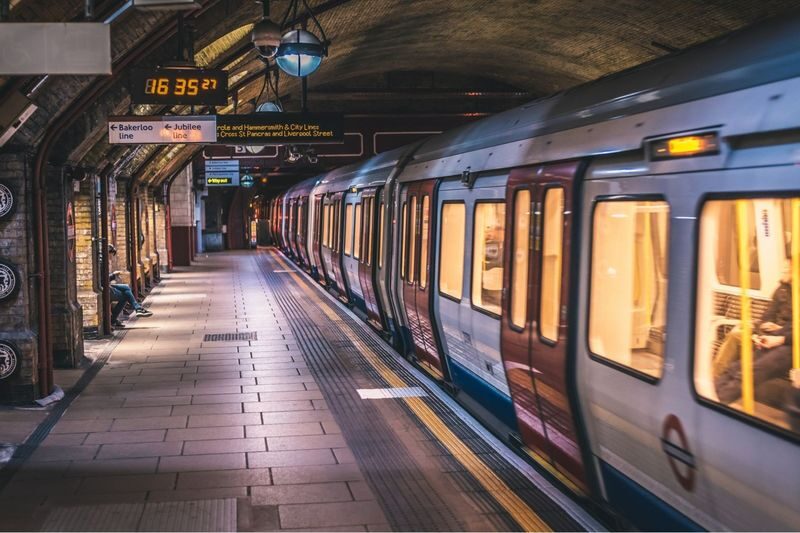
Baker Street is a strong place to begin because the station connects this modern transport network to its earliest days. The Metropolitan Railway opened the world’s first underground railway, and the tour uses that starting point to explain how London moved from early steam-powered trains to electrified services.
The Tube now serves 270 stations and carries more than 1.3 billion passenger journeys a year. That scale helps explain why its past matters: engineering choices made for an expanding city became part of daily life for millions. You are not just hearing dates and names, but learning how a transport system grew into an essential part of London’s identity.
You can also read our reviews of more walking tours in London



Follow the story from steam to electric trains
Early underground railways faced challenges that are easy to overlook when you simply tap in and take a train. The guide covers how the first tunnels were built and how the system changed as steam-powered trains gave way to electric ones. Those shifts altered what underground travel could be and how the city could grow around it.
The value here is context. A station platform can seem ordinary until you know why the railway was built, what problem its designers were trying to solve, and how the network changed over time. If you enjoy engineering or transport history, you’ll get plenty to think about. If you mainly want a quick sightseeing walk, the technical side may feel more detailed than you need.
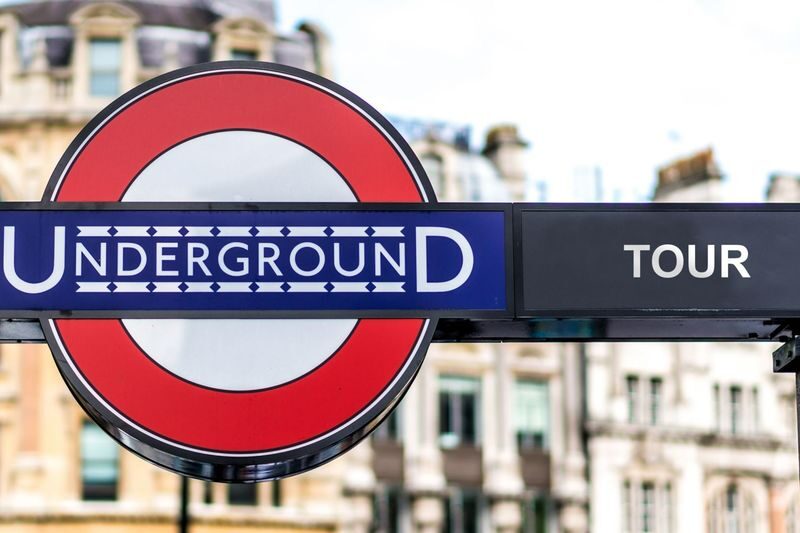
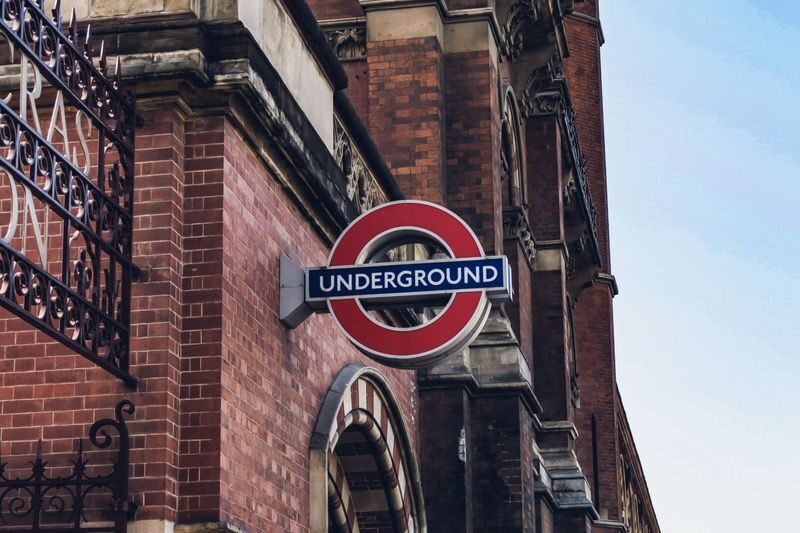
The tour also explains the origin of the famous Underground roundel. It is a small but useful detail: once you know how the symbol came about, you start to see it not just as a sign pointing to a station, but as a piece of London’s visual history.
Hear the stories attached to forgotten stations
Disused stations are among the most intriguing parts of the tour. You’ll visit the exterior of a genuine closed Tube station, a reminder that the network has changed as London’s needs have shifted. The tour does not promise entry inside, so think of this as a chance to see and understand a historic site from the street, not as access to hidden platforms.
The guide also tells stories about abandoned stations and unusual events connected to the Underground. Among the tales are stations built above the resting places of 1,000 bodies, along with ghost stories involving a Pharaoh’s daughter and a nun. These accounts add a touch of mystery, but the tour is not only a ghost walk: the stories sit alongside the real history of construction and city life.
That mix is part of the appeal. A good guide can move from a practical question about tunnels to a tale that makes you look twice at a station entrance. Aran and John have both led tours described as full of facts and engaging stories. John’s animated delivery was especially noted, while Aran helped a parent and Tube-loving daughter get answers to their many questions. Guide assignments can vary, of course, but the experience clearly depends on a guide who can make the infrastructure feel human.
See how the Tube served London in wartime
The Underground’s role during the Blitz is another important thread. The Tube was used in different ways during the war, and the tour brings that wider history into a walk focused on transport. It offers a useful counterpoint to the system’s everyday function: the same network that carries commuters also became part of London’s response to extraordinary circumstances.
The tour description does not specify exactly which wartime sites you will visit or how much time is spent at each. Go in expecting the guide to explain the Underground’s changing roles, rather than a dedicated visit to a museum or a long stop inside a wartime shelter. Admission to attractions is not included.
This is one reason the tour suits people who like history with a sense of place. The subject is not sealed away behind glass. You move through a working part of the city while learning how the system served London in different periods.
Use the headphones and keep pace with the group
The tour is limited to 25 people, a sensible size for a walk through central London. It is intimate enough to make questions practical, but it is still a group outing, not a private tour. Complimentary headphones and a receiver help you hear the guide in busy areas, which matters when traffic and crowds compete with the story.
Expect a fair amount of walking and stairs. The activity is not wheelchair or stroller accessible and is not recommended for people with disabilities. If stairs or prolonged walking are a concern, ask the operator about the route before booking rather than counting on an easy alternative.
You’ll also need a valid Zone 1 travel card or Oyster card, since Tube travel is part of the experience. That cost sits outside the tour price. Keep the card ready and make sure it is valid for the relevant Zone 1 journeys so you are not sorting out fares while the group is moving.





Allow 2.5 hours, not just two
The schedule gives a 13:00 departure at Baker Street and a 15:30 return at Westminster Underground Station. Although the experience is also described as two hours, the scheduled window is two and a half hours. I’d plan around the longer figure so you are not rushing into another booking or meal afterward.
The ending at Westminster is handy if you want to continue sightseeing in central London, but hotel pickup and drop-off are not provided. You make your own way to Baker Street and onward from Westminster. The route may change with traffic and weather, so treat the stated schedule as a guide rather than a promise of exact stop-by-stop timing.
The tour is in English. Children aged 0 to 2 can join free, while children aged 0 to 16 must be with a paying adult. Those aged 17 and over pay the adult rate, and students with valid ID are eligible for a reduced price.
Weigh the ticket price against what is included
The published starting figures vary: one package price is shown from US$40.20, while the headline price is from US$46.25. Check the price for your chosen date before booking. In either case, remember to add the cost of Zone 1 transport, which is required but not included.
For a guided 2.5-hour walk, the price buys more than a general orientation to London. You get a specialist subject, a guide who can answer questions, headphones for busy streets and a small group capped at 25. The value is strongest if you are curious about transport history, city infrastructure or the stories behind places you might otherwise pass without a second glance.
It is less compelling if you want a broad tour of London landmarks or entry to historic sites. The focus is the Underground, and admission to attractions, meals, drinks and other personal costs are extra. You are paying for explanation and access to a carefully chosen walking route, not a packaged day of sightseeing.
The operator is Evan Evans Tours Limited. The activity has a strong overall rating, though the number of ratings attached to this particular experience is small. That makes the individual guide’s style and your interest in the subject more useful factors than expecting every tour to feel identical.
Who should book this Underground walk?
I’d recommend it to Tube enthusiasts, history buffs, engineering-minded visitors and anyone who likes learning the backstory of ordinary city spaces. It also works well for a parent and older child who share an interest in trains: the small group and chance to ask questions can make the subject more engaging than simply reading station signs.
You may want to skip it if you have limited mobility, need a stroller-friendly outing, or prefer a tour with little walking and no stairs. It is also not the right fit if you want to enter closed stations or spend the afternoon touring attractions. The disused station is viewed from the exterior, and the Underground’s past is the main event.
Book if the Tube’s construction, abandoned stations and changing role in London sound like more than a passing curiosity. If you do, arrive early, bring your Zone 1 card or Oyster card, and leave room in your schedule until at least 15:30.
London Secrets of the Underground Walking Tour
“my daughter is tube enthusiast, I'm interested too how this system runs. so this tour was very informative and answered all our questions and learn…”
FAQ
How long does the tour last?
The scheduled outing runs from 13:00 to 15:30, or 2.5 hours. The experience is also described as two hours, so plan for the longer schedule.
Where does the tour start and end?
Meet outside Baker Street Underground Station by the Sherlock Holmes statue. The tour returns to Westminster Underground Station.
Do I need an Oyster card or travel card?
Yes. You need a travel card or Oyster card valid for Zone 1. It is not included in the tour price.
What is the group size?
The tour has a maximum of 25 participants. Complimentary headphones are provided to help you hear the guide.
Is the tour wheelchair or stroller accessible?
No. The tour involves considerable walking and stairs and is not wheelchair or stroller accessible.
Are children allowed on the tour?
Children aged 0 to 2 can join free. Children aged 0 to 16 must be accompanied by a paying adult, and those aged 17 or over pay the adult rate.