Churchill’s War Rooms bring wartime decisions down to human scale: below central London, a cramped network of rooms held the British government as the Blitz raged overhead. You can see the Map Room, where Allied intelligence tracked the war, and a communication room disguised as a toilet.
I like two things in particular: the preserved rooms make the work of wartime leadership tangible, and the extra audio route takes you beyond the bunker to 15 political landmarks, including Downing Street and the Houses of Parliament. It’s a useful pairing if you want one ticket to connect wartime history with the workings of government today.
One caveat: the audio is not a substitute for a live guide, and the political tour is self-guided. You’ll need your own phone and headset, and Japanese is not among the listed audio languages.
- The Map Room still shows how intelligence teams followed the progress of the war.
- A toilet disguise concealed a secret communications room, a small detail that makes the bunker’s security measures easier to picture.
- Blitz stories and sound effects add personal context, though some videos include loud bombing sounds and air-raid sirens.
- Two audio experiences are included: one for the War Rooms and one for a self-guided political London route.
- The London route covers 15 points of interest, with a digital map to help you find them.
- Bring your own phone and headset, and travel light because large bags and wheeled luggage are prohibited.
- What the Churchill War Rooms tell you about wartime London
- Start with the Cabinet War Rooms
- The Map Room makes strategy visible
- Look for the communications room disguised as a toilet
- Use the audio, but do not expect a personal guide
- Take the political London audio route outside
- Is the .69 starting price good value?
- Before you go: tickets, bags and timing
- Who should book this experience?
- FAQ
- How long should I allow for the experience?
- Where is the meeting point?
- Is a live guide included?
- What languages are available for the War Rooms audio guide?
- What languages are available for the political London audio guide?
- Do I need to bring a phone and headphones?
- Can I bring a suitcase or large bag?
- Can I cancel or use my ticket on another date?
- The Best Of London!
- More Tickets in London
- More Tours in London
- More Tour Reviews in London
- Not for you? Here's more nearby things to do in London we have reviewed
What the Churchill War Rooms tell you about wartime London
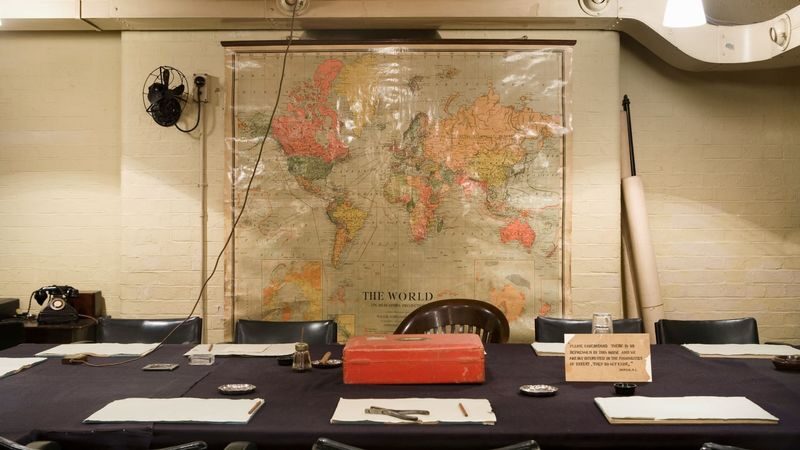
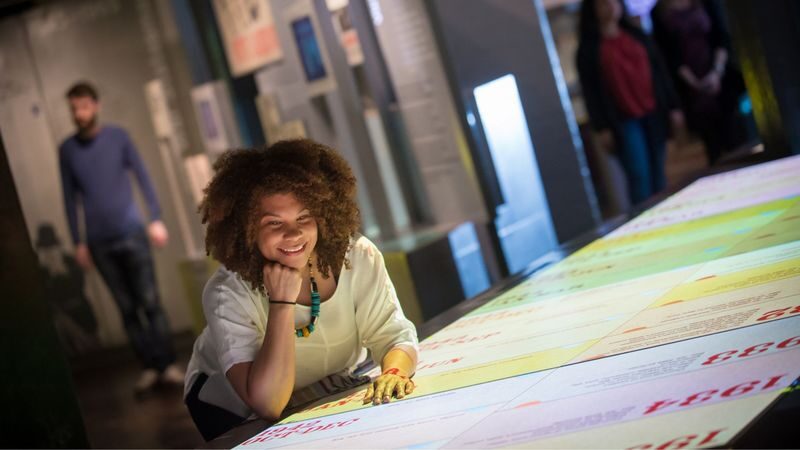
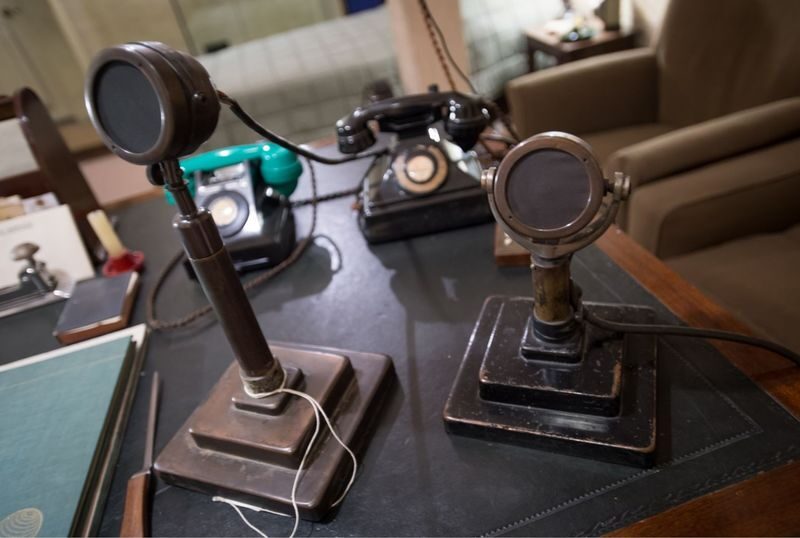
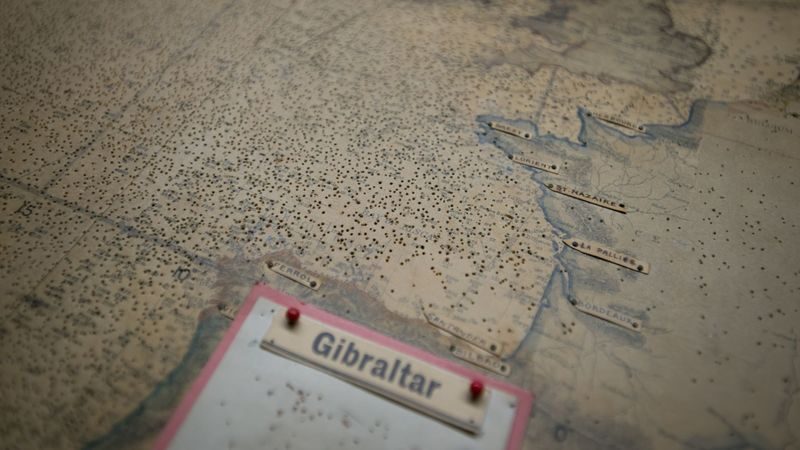
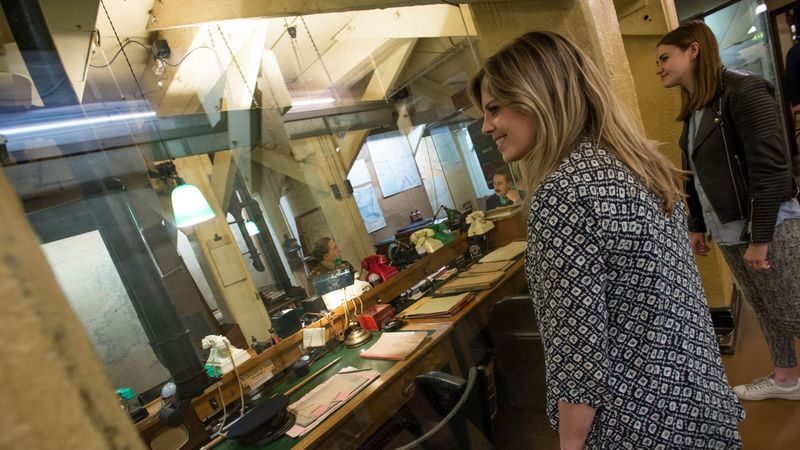
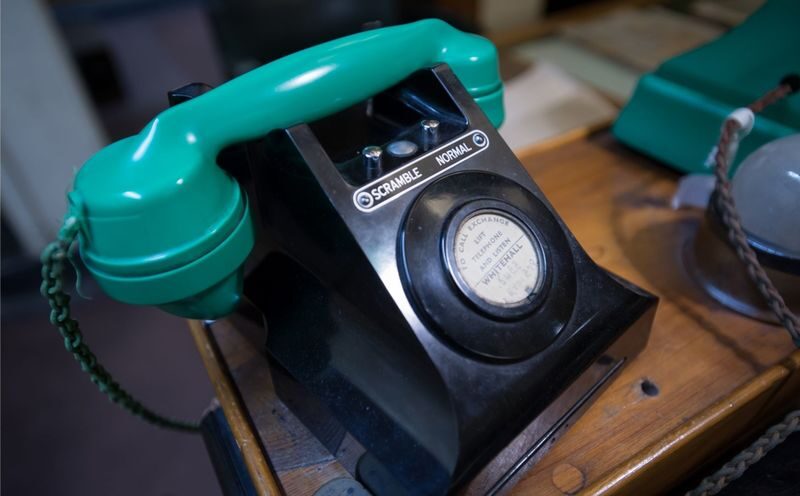
The Churchill War Rooms are an underground complex where Winston Churchill and military leaders directed the British war effort during the Second World War. The rooms were central to Allied planning, and their importance is easier to grasp once you are inside the tight network of offices and meeting spaces.
This is not a grand war memorial viewed from a distance. You move through the rooms where people worked, communicated and made decisions, with objects and details that show how the bunker functioned. The setting gives you a sense of the practical demands of leadership in wartime: secure information, coordinate military efforts and keep government operating while London faced bombing.
I’d go in with a little patience. This is a place for looking closely, listening to context and noticing how the rooms fit together. If you are mainly after a broad, fast overview of the war, the audio may feel more detailed than you need. If you want to understand how a government operated under pressure, the preserved workspaces are the main reason to come.

👉 See our pick of the 25 Best Workshops And Classes In London
Start with the Cabinet War Rooms
The Cabinet War Rooms are the heart of the visit. Here you can explore the underground complex used by the British government during the war and follow the audio guide through its rooms. You’ll encounter work areas and spaces associated with the Cabinet, then get a closer look at the practical arrangements that kept the command centre functioning.
The value is in the contrast between the historical scale of the decisions and the confined setting where they were made. These rooms were not just a dramatic backdrop for Churchill’s wartime leadership. They were part of the machinery of government, where officials and military leaders worked through the conflict.
The audio guide is offered in English, German, French, Italian, Spanish, Mandarin Chinese, Portuguese and Hebrew. That range will suit many international visitors, but Japanese is not listed. If you need a particular language, check the available options before booking rather than assuming it will be provided.
You can also read our reviews of more tours and experiences in London

The Map Room makes strategy visible
The Map Room is one of the most revealing stops because it turns broad military history into something you can follow with your eyes. You can see how Allied intelligence tracked the German advance and eventual retreat in Russia. Rather than hearing only that the front shifted, you are looking at the room where information was gathered and monitored.
That detail gives the visit a useful sense of scale. A map can make a vast conflict feel less abstract, while the room itself points to the steady work behind major decisions. I’d give this stop time, especially if you enjoy military history or want to understand how intelligence informed the war effort.
The experience is still self-guided. The audio helps explain what you are seeing, but there is no live guide included to answer questions or adapt the story to your interests. If you prefer conversation and lively back-and-forth, that is a real limitation. If you like moving at your own pace, it can be a plus.
Look for the communications room disguised as a toilet
One of the bunker’s more striking details is a secret communications room concealed as a toilet. It offers a glimpse of the lengths taken to keep sensitive work hidden, and it makes the complex feel less like a set of ordinary offices.
Small features like this are useful reminders that the War Rooms were working spaces, not simply rooms preserved for display. They also give you a reason to look beyond the headline names and big military events. The story of a hidden room is memorable because it makes the practical challenges of secrecy concrete.
You’ll also hear personal accounts of life inside the bunker during the Blitz. These help connect the strategic history to the people living and working underground. Some videos include loud sounds of bombing and air-raid sirens, so be prepared for sudden noise. If you are sensitive to those effects, you may want to check with staff before watching.
Use the audio, but do not expect a personal guide
The War Rooms audio guide is included, as is a separate audio tour of political London. That gives you two ways to add context without joining a guided group. The trade-off is that the experience depends on your phone, headphones and willingness to follow recorded commentary.
You need to bring your own mobile device and headset. A visitor found the audio guide not very useful, preferring to look around and listen to explanations from a nearby guide. That is a fair warning: recorded audio can help you understand a room, but it will not match the flexibility of a live guide who can answer a question or change pace.
You can choose how much audio to use. Listen closely in the Map Room or when a personal story adds something to the scene, then pause it when you would rather look around. For the political route, the audio may be more useful as a way to connect landmarks than as a full substitute for a guided walk.
Take the political London audio route outside
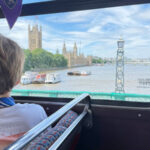
After the bunker, the package adds a self-guided route through political London. A digital map and audio guide direct you to 15 points of interest, including 10 Downing Street and the Houses of Parliament. It is a way to extend the day from wartime government to the institutions and landmarks associated with British politics.
This second part is not a guided walking tour. You set your own pace and use the map to navigate between points. That flexibility is handy if you want to stop, take a break or explore the area on your own terms. It also means you should be comfortable finding your way with a phone and following a digital route.
The audio tour is available in English, German, French, Italian, Spanish and Mandarin Chinese. The political route has fewer listed languages than the War Rooms audio, and it does not list Portuguese or Hebrew. Check both language lists if you plan to use the audio for the whole experience.
The package does not include transportation, so plan to make your own way between the War Rooms and any farther points on the route. The exact time you spend on the outdoor portion depends on how many stops you visit and how long you linger. The stated overall duration is two to three hours, which is a sensible amount of time to set aside, though your pace may vary.
You can also read our reviews of more tours and experiences in London


Is the $67.69 starting price good value?
The price starts at $67.69 for entry to the Churchill War Rooms and the political London audio experience. Whether that feels worthwhile depends on how much you value the second, self-guided route. If you are already keen to visit the bunker and also want a map and audio commentary for political landmarks, the bundle gives you more to do than entry alone.
If your main goal is simply to see the War Rooms, the political audio may add less value, particularly if you prefer exploring independently or listening to a live guide. The package does not include a guide, a headset, a mobile device or transport. Those are not hidden extras so much as things to factor into your plan: bring a charged phone, your own headphones and a way to get around.
There are only two published ratings, both three out of five, so the score offers little certainty about how the experience will suit you. The specific cautions are more useful: Japanese headphones may not be available, and the audio commentary may not be essential for everyone. I’d judge the price by the War Rooms admission first, then treat the political route as a useful bonus if you enjoy self-guided sightseeing.
Before you go: tickets, bags and timing
Meet the host in front of the Churchill War Rooms on King Charles Street. The host wears a VoxCity uniform. The booking confirmation is not itself your entry ticket: scan its QR code for check-in and essential trip information, then download the War Rooms voucher. The voucher is preferably printed and brought with you.
Tickets are valid for the date and timeslot you booked, so keep your timing in mind. The voucher is not flexible for another date, and cancellations or refunds are not available. It is possible to book for the same day, with instant confirmation, but make sure you can attend the selected slot before you buy.
Download the audio guide before you arrive, as instructed, and bring your own phone and headset. Suitcases, wheeled luggage and large bags are prohibited, so this is a poor stop to squeeze in while carrying bulky bags. The meeting point is King Charles Street, London SW1A 2AQ.
Who should book this experience?
I’d recommend this package if you are interested in the Second World War, enjoy exploring historic rooms at your own pace and want an extra way to connect the War Rooms to political London. The preserved Map Room, the concealed communications space and the accounts of life during the Blitz give you several different angles on the bunker.
It also suits visitors who are happy using a phone for navigation and recorded commentary. You get the freedom to choose where to pause, but not the questions and personal explanations a live guide can offer. If you strongly prefer guided tours, consider whether the audio format will suit you before committing.
If you mainly want to wander and look, you may not need to rely on the audio at every stop. And if you require Japanese commentary, this is not a safe choice based on the languages provided. For history-minded visitors comfortable with a self-guided format, though, the combination of a working wartime command centre and 15 political landmarks makes for a focused London outing.
London: Churchill War Rooms Ticket & Political London Audio
FAQ
How long should I allow for the experience?
The stated duration is two to three hours. Your time on the political London route will depend on how many of its 15 points you visit and how long you stop at each one.
Where is the meeting point?
Meet the host in front of the Churchill War Rooms on King Charles Street, London SW1A 2AQ. The host wears a VoxCity uniform.
Is a live guide included?
No. The package includes audio guides for the Churchill War Rooms and political London, but it does not include a live guide.
What languages are available for the War Rooms audio guide?
The War Rooms audio guide is listed in English, German, French, Italian, Spanish, Mandarin Chinese, Portuguese and Hebrew.
What languages are available for the political London audio guide?
The political London audio guide is listed in English, German, French, Italian, Spanish and Mandarin Chinese.
Do I need to bring a phone and headphones?
Yes. A mobile device and headset are not included. Download the audio guide before you arrive.
Can I bring a suitcase or large bag?
No. Suitcases, wheeled luggage and large bags are prohibited.
Can I cancel or use my ticket on another date?
No cancellations or refunds are available. The voucher is valid only for the date and timeslot you booked.