At Pang Hai, coffee is more than a drink at the end of a meal: it is a crop grown in Chiang Mai’s highlands, and this half-day visit follows its path from cherry to cup. You taste different roast levels and processing methods, walk through the farm’s work areas, and finish by roasting green beans yourself.
I like two things in particular: the tasting gives you a useful way to compare how processing and roasting affect a cup, and the hands-on roast turns the lesson into something you can take home, along with 100g of beans. Guides Little and Mr. Happy are named by people who took the tour, with praise for clear explanations and careful driving.
One consideration: the farm’s work changes with the season. The harvest usually runs from November to February, so you may see cherries being picked then; outside harvest, some processing may not be happening. Lunch is not included, and the drive takes about an hour each way.
- At a glance: what makes the visit worthwhile
- A morning trip from Chiang Mai to Pang Hai
- Start with a tasting, not a lecture
- Follow the coffee through the farm
- Roast green beans, then take the result home
- What the guides add
- Is the price fair for a half-day coffee tour?
- Who should book this experience?
- Should you book the Pang Hai coffee visit?
- FAQ
- Where does the coffee experience take place?
- How long is the tour?
- When is coffee harvest season?
- Is lunch included?
- What is included in the price?
- Is there an age limit?
- The Best Of Chiang Mai!
- More Food & Drink Experiences in Chiang Mai
- More Tours in Chiang Mai
- More Tour Reviews in Chiang Mai
- Not for you? Here's more nearby things to do in Chiang Mai we have reviewed
At a glance: what makes the visit worthwhile
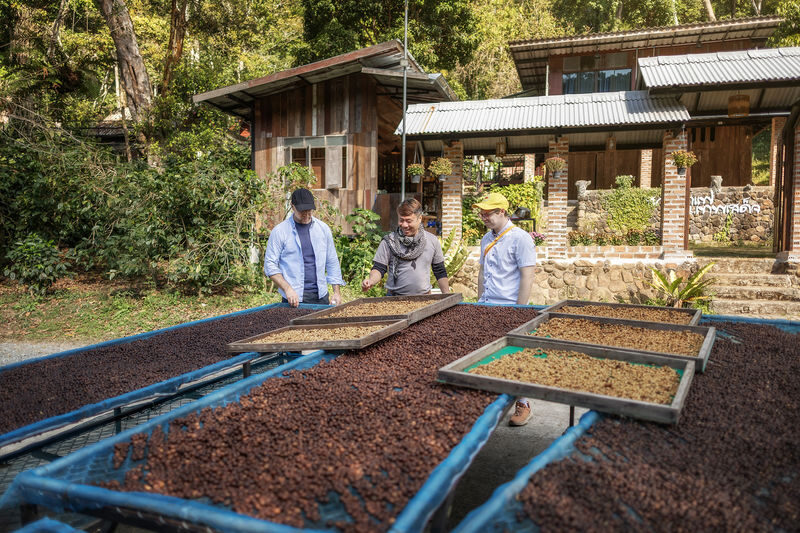
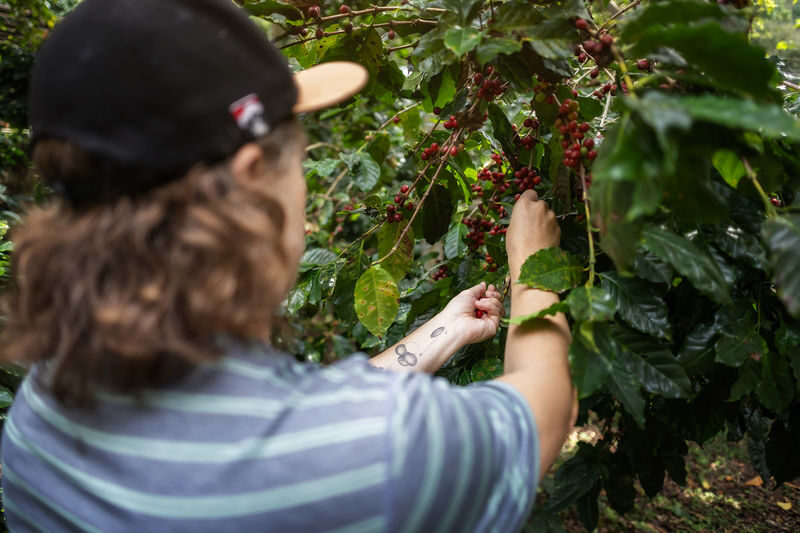
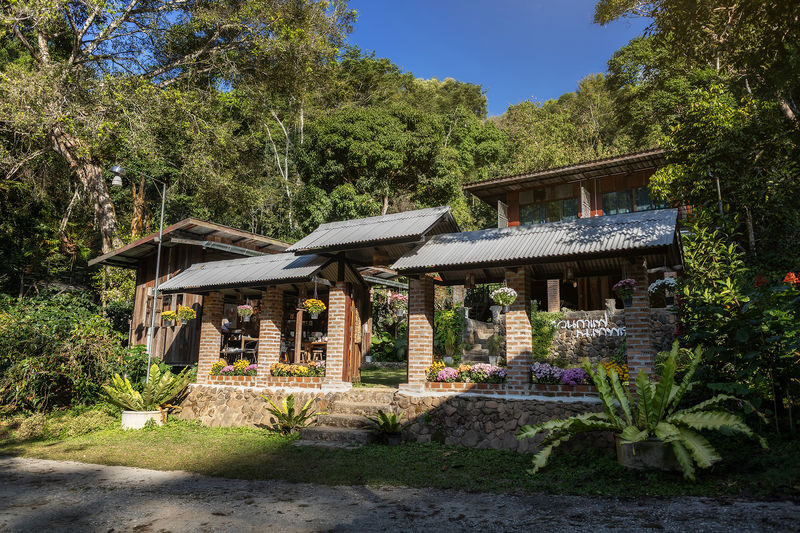
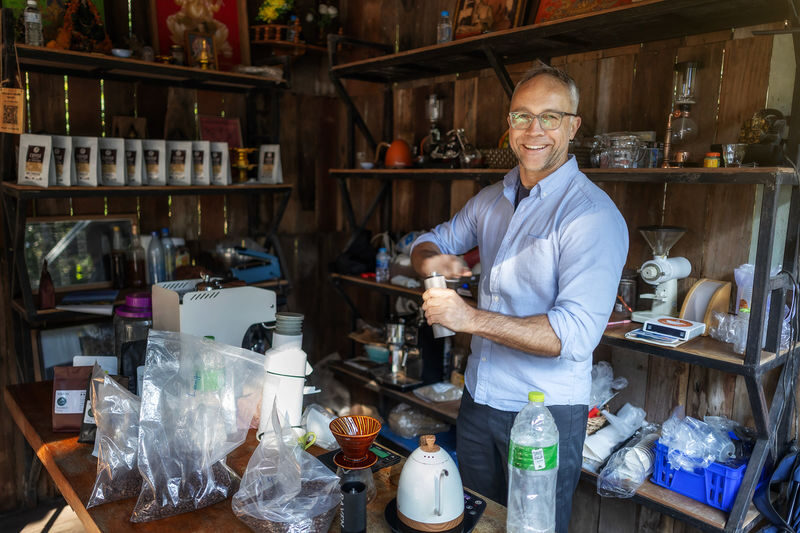
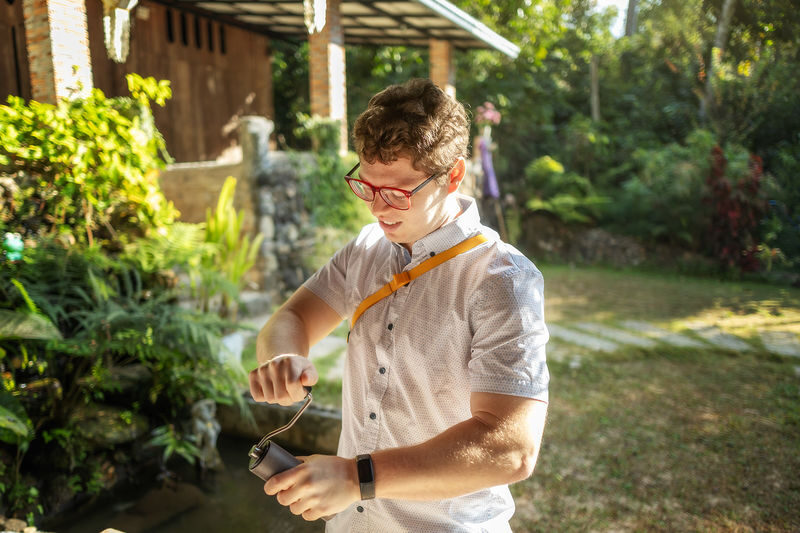
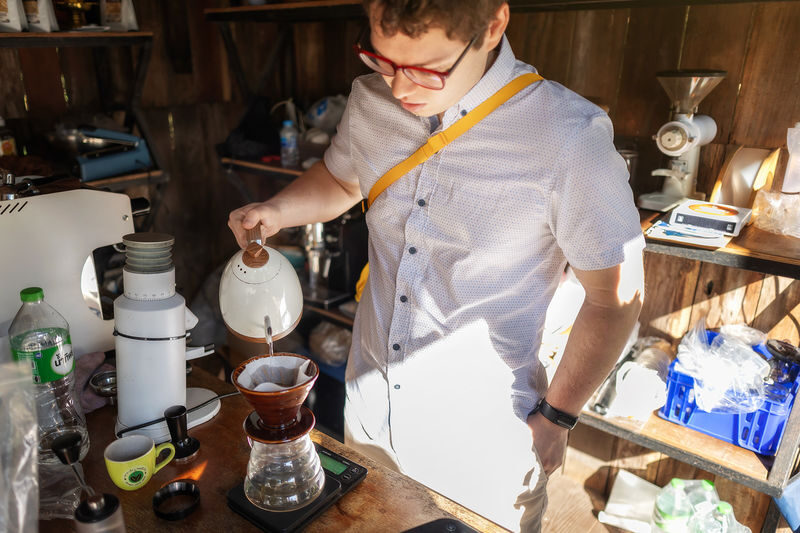
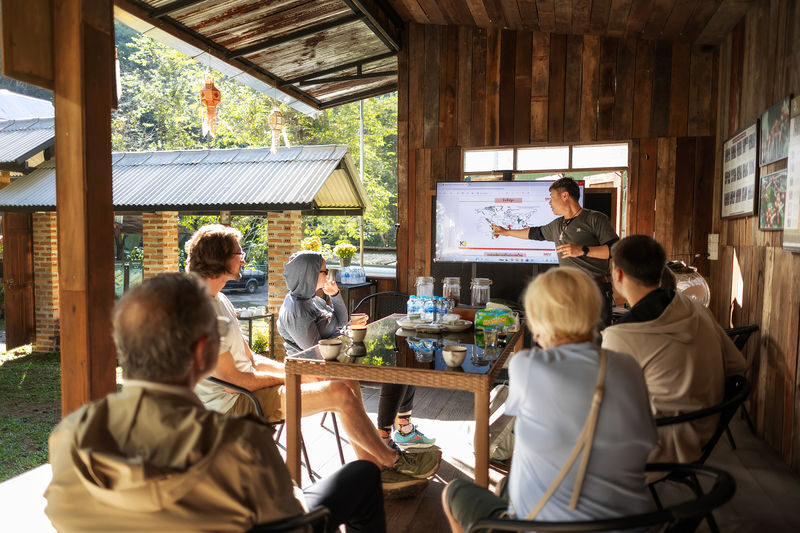
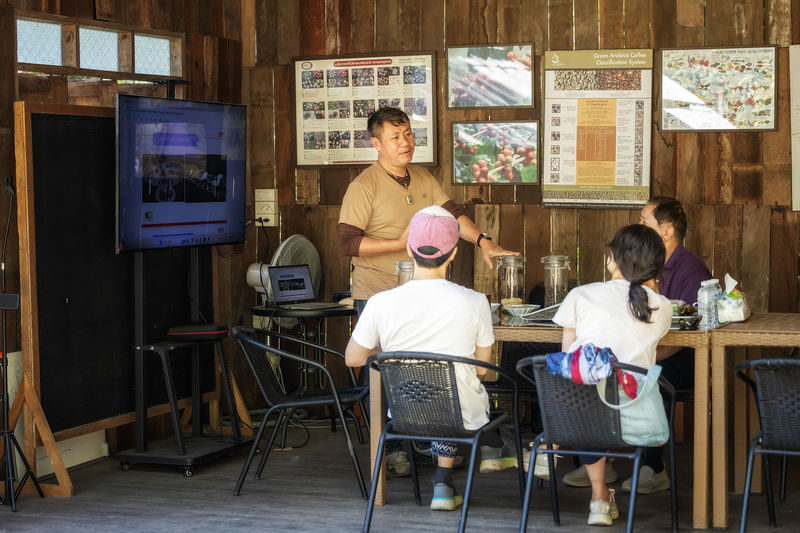

- Taste before you tour: Compare coffee roast levels and processing methods with a guided tasting.
- See the practical stages: Visit the farm’s pulping, drying, hulling and roasting areas.
- Try roasting for yourself: Roast green beans in an interactive session, then take home 100g of medium-roasted coffee.
- Time your visit for harvest: November through February is the usual picking season, though farm activity depends on the production schedule.
- Meet a highland coffee community: Learn how Arabica production fits into life in Ban Pang-Hai.
- Plan for a half-day outing: Hotel pickup is scheduled for 8:00 to 8:30 a.m., with a return around noon to 12:30 p.m.

👉 See our pick of the 25 Best Shopping Tours In Chiang Mai
A morning trip from Chiang Mai to Pang Hai
The visit takes place in Ban Pang-Hai, in the Doi Saket area east of Chiang Mai. Round-trip hotel transfers are included, and the drive is about an hour each way. That makes this a manageable half-day excursion, but it is worth remembering that a fair share of the morning is spent in the car.
Pickup is scheduled between 8:00 and 8:30 a.m. Because the transfer is shared, your driver may arrive a little early or late. Enter your hotel name and address when booking, and wait for the operator to confirm the pickup time. You are asked to be ready ten minutes before departure.
The schedule gives a 9:30 a.m. start at the plantation and a return around noon, with drop-off expected between 12:00 and 12:30 p.m. Traffic and weather can change the timing. If you have a fixed lunch booking or another activity later that day, leave some breathing room rather than planning the morning down to the minute.
You can also read our reviews of more food & drink experiences in Chiang Mai


Start with a tasting, not a lecture
At the plantation, the experience begins with a guided coffee tasting. You compare different roast levels and processing methods, a practical way to notice how a coffee’s character can change before it reaches your cup. Rather than hearing a string of technical terms first, you get to taste the differences and connect the explanation to something familiar.
The tasting is part of a wider introduction to Chiang Mai’s mountain-grown Arabica. The guide explains how coffee moves from the plant through processing and roasting, and how it supports the highland community. If you already enjoy coffee, you will have plenty to compare with your own preferences. If you usually order a cup without thinking about its origin, this is a useful primer.
A welcome drink and light local Thai desserts are included, as are drinking water and refreshments. These are small but welcome touches at the start of a farm visit. Do not count on them as lunch, though: a full meal and additional food or drinks are not included.
Follow the coffee through the farm
After the tasting and presentation, you explore the plantation and visit the areas used for pulping, drying, hulling and roasting. The sequence helps make the process tangible. Coffee beans do not arrive ready for a grinder; each stage changes the crop and prepares it for what comes next.
The farm walk is the part that gives context to the cup. You see where the work happens and learn about the journey from coffee cherry to finished bean, rather than treating coffee as a product that simply appears on a shelf. The tour is guided, so you can ask questions as you go. The available information does not specify how much time is spent in each work area, so expect the pace and detail to depend in part on the farm’s schedule.
Season matters here. The harvest usually takes place from November to February, and during those months you may be able to watch cherries being picked. That is a possibility, not a promise. Processing tasks also depend on the time of year and the farm’s production schedule, so a visit in another month can still cover the process without every activity being underway.
If seeing harvesting is your main reason for going, aim for the November-to-February window and keep expectations flexible. The farm visit is about understanding the coffee process as a whole, not guaranteeing a particular day’s work. Outside harvest, the tasting, farm tour and roasting session remain the core of the experience.
Roast green beans, then take the result home
The visit ends with an interactive roasting session. You get a chance to roast green beans yourself, which puts the earlier stages into perspective: after learning about the crop and its processing, you see how roasting becomes the last major step before brewing.
The exact roasting method and equipment are not specified, so it is best not to expect a particular style of demonstration. What is clear is that the session is hands-on, not just a talk about roast profiles. It gives coffee fans a memorable finish and a clearer sense of why roast level matters.
You also receive 100g of medium-roasted coffee beans to take home. It is a modest-sized souvenir, but a more useful one than a trinket if you want to remember the morning over a few cups. The included beans are medium roast; the tasting, by contrast, lets you compare different roast levels and processing methods during the tour.
What the guides add
The quality of the explanation matters on a subject with several steps and unfamiliar terms. Little is described as a careful driver with a good grasp of coffee, and as someone who explains the process from plant to cup. Mr. Happy is also noted for experienced, careful driving. Those details are especially relevant because the outing includes a roughly one-hour road trip in each direction.
Visitors have also highlighted friendly, detailed explanations. That suits this experience: you are not only looking at coffee plants, but learning about growing, processing and roasting. A guide who can make those stages clear helps turn a short visit into something you can use the next time you buy beans.
You may also have the option to stay at the plantation and enjoy the quiet, though the visit described here is a morning trip with a return transfer. Do not assume that an extended stay or accommodation is included. The scheduled experience takes you back to your hotel or personal address around midday.
You can also read our reviews of more tours and experiences in Chiang Mai


Is the price fair for a half-day coffee tour?
The advertised starting prices vary: the overall experience is shown from $63.89, while the Morning Coffee Experience option is listed from $58.09. The actual price can depend on the package and booking details, so check the amount shown for your chosen date before paying.
For that price, the value is not simply a cup of coffee or a bag of beans. The fee includes round-trip hotel transfers, an English-speaking guide, admission, insurance, a guided tasting, refreshments, a welcome drink with light Thai desserts, water, and 100g of medium-roasted beans. Transport is a meaningful part of the value because Pang Hai is about an hour from the city by car in each direction.
The cost makes the most sense if you want both the farm context and the practical coffee lesson. If you only want to taste local coffee, you can likely do that with less time and expense elsewhere. Here, the extra value is seeing several stages of production, learning how the crop fits into highland life, and trying the roast yourself.
Lunch is not included, and meals and extra beverages are excluded. Since the tour returns around noon, you can plan to eat after drop-off. The inclusion of a welcome drink, dessert and water should not be mistaken for a full meal.
Who should book this experience?
This is a good fit for coffee lovers who want more than a café stop. It suits you if you enjoy learning how food and drink are made, want to compare coffees in a guided tasting, or like the idea of handling the roasting process yourself. The take-home beans add a small, practical reminder of the visit.
It can also work well if you are curious about Chiang Mai beyond the city and want a short look at a highland farming community. The experience does not require a stated minimum age, and the activity has no age limit. The tour is also compact enough to leave the rest of the day free, although the drive means it is still a substantial morning outing.
It is less suitable if your priority is a guaranteed harvest scene, a long farm stay, or a meal included in the price. Cherries are picked seasonally, processing activity can vary, and lunch is your own arrangement. Keep those limits in mind and you are less likely to expect a fixed production demonstration.
Should you book the Pang Hai coffee visit?
Book it if you want to understand how Chiang Mai Arabica gets from plant to cup and value a mix of tasting, farm context and hands-on roasting. The combination of a guided comparison, visits to the work areas and 100g of beans makes this more useful than a quick plantation photo stop.
I would be cautious about booking solely to watch cherries being harvested. That is most likely from November to February, but it is not guaranteed, and the farm’s daily work varies. If you are happy to focus on the full process and learn from whatever is happening on the day, this is a rewarding way to spend a morning outside Chiang Mai.
Chiang Mai: Coffee Process & Tasting – From Cherry to Cup
“Our guide 'Little' is a steady driver, with good knowledge of coffee. In this tour, we taste coffees, we learn the process from plants to cup. And…”
FAQ
Where does the coffee experience take place?
It takes place at a coffee plantation in Ban Pang-Hai, in the Doi Saket area of Chiang Mai, Thailand.
How long is the tour?
The drive takes about one hour each way. Pickup is scheduled between 8:00 and 8:30 a.m., and the expected return is between noon and 12:30 p.m. Traffic and weather may affect the schedule.
When is coffee harvest season?
The usual harvest season is November through February. You may see cherries being harvested during that period, but it is not guaranteed.
Is lunch included?
No. Lunch is not included. A welcome drink with light local Thai desserts, refreshments and drinking water are included.
What is included in the price?
The experience includes round-trip transfers from your accommodation, an English-speaking guide, admission, operator-provided insurance, a guided coffee tasting, refreshments, drinking water, a welcome drink with light Thai desserts, and 100g of medium-roasted coffee beans.
Is there an age limit?
No. The activity has no age limit.