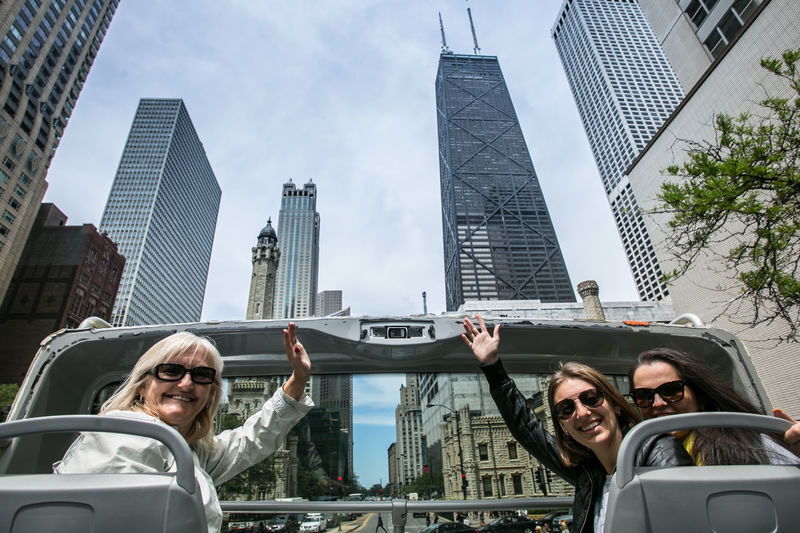
Chicago’s skyline is the star here. From the open top of a double-decker bus, you get a broad view of the city’s tall buildings, lakefront and busy downtown streets, then can hop off near sights such as Millennium Park, Navy Pier and the Adler Planetarium. I like that the route gives you an easy first look at a big city, and that you can use the stops to build your own day rather than follow a guide’s schedule.
I also like the practical mix: recorded commentary gives you context as you ride, and the bus links several major sights without asking you to puzzle out every connection. The catch is that this is not a quick shuttle. Traffic and gaps between buses can stretch the day, so it works best when you plan around the route rather than expect a bus the moment you reach a stop.
- Key points to know before you ride
- A moving introduction to Chicago’s skyline
- Choosing the stops that fit your day
- What the open-top ride is like
- Timing, frequency and how to plan around the bus
- Is the ticket good value?
- Who will get the most from this ride?
- Booking and practical details
- Should you book the Chicago Big Bus?
- FAQ
- How often does the bus run?
- Which stops are included on the Red Route?
- Is attraction admission included?
- What languages are available for the audio commentary?
- Can I board at a stop other than the Chicago Riverwalk?
- What are the ticket options?
- Are children allowed on the bus?
- The Best Of Chicago!
- More Tours in Chicago
- More Tour Reviews in Chicago
- Not for you? Here's more nearby things to do in Chicago we have reviewed
Key points to know before you ride
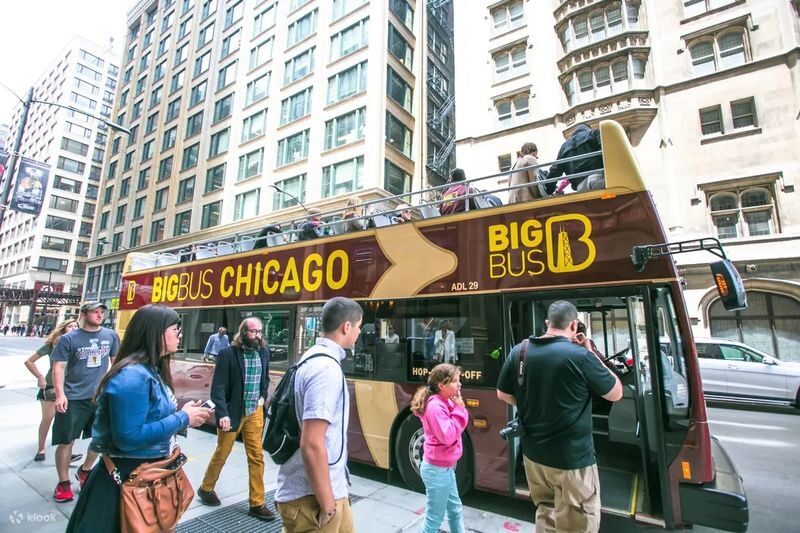
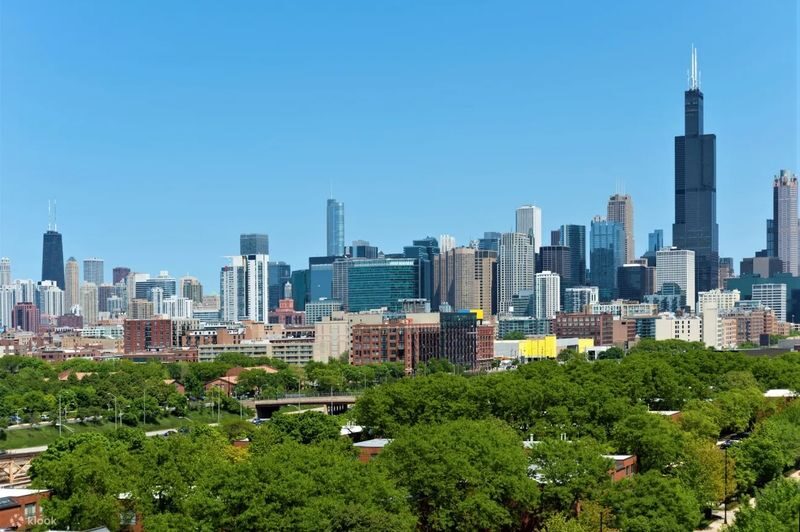
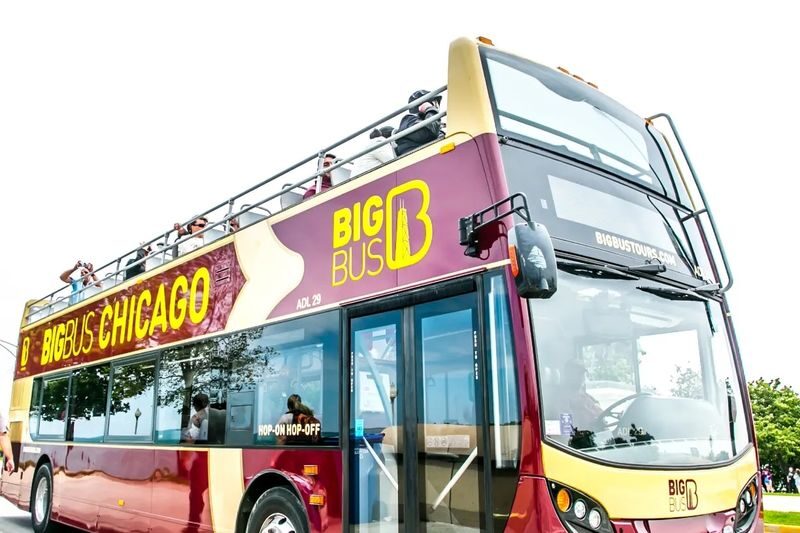
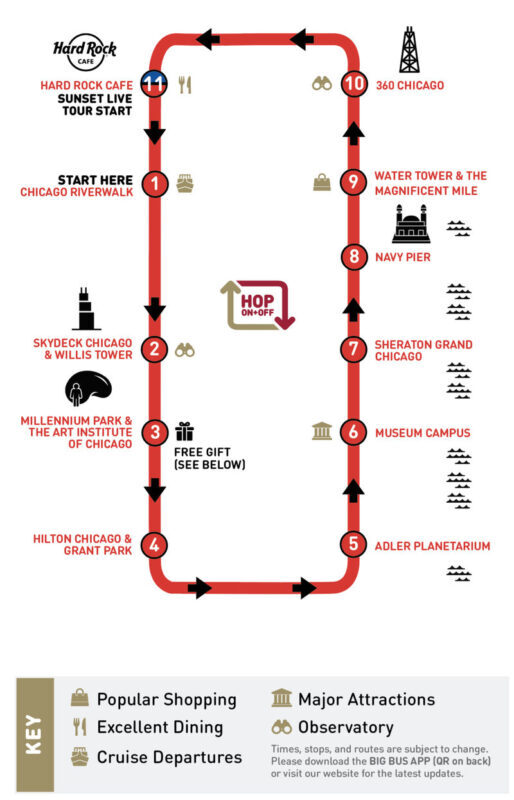
- The Red Route links downtown and the lakefront: Stops include the Riverwalk, Willis Tower, Millennium Park, Grant Park, Adler Planetarium, Navy Pier and the Magnificent Mile.
- A full loop is useful for orientation: Riders have described one circuit as about two hours, though traffic and service conditions can change the timing.
- You choose between one and two days: The Discover ticket is a one-day, fixed-date pass; the Essential ticket is a two-day, flexible-date option.
- Commentary is in English and Spanish: You listen through headphones, so check that your headset works and the volume is clear.
- Dress for the open deck: Wind and cold can bite while you wait or ride. Bring warm layers, even when the day feels mild at street level.
- This is better for sightseeing than fast transport: The route is designed to show you the city, not to beat a taxi or rideshare across town.

👉 See our pick of the 3 Best Shopping Tours In Chicago
A moving introduction to Chicago’s skyline
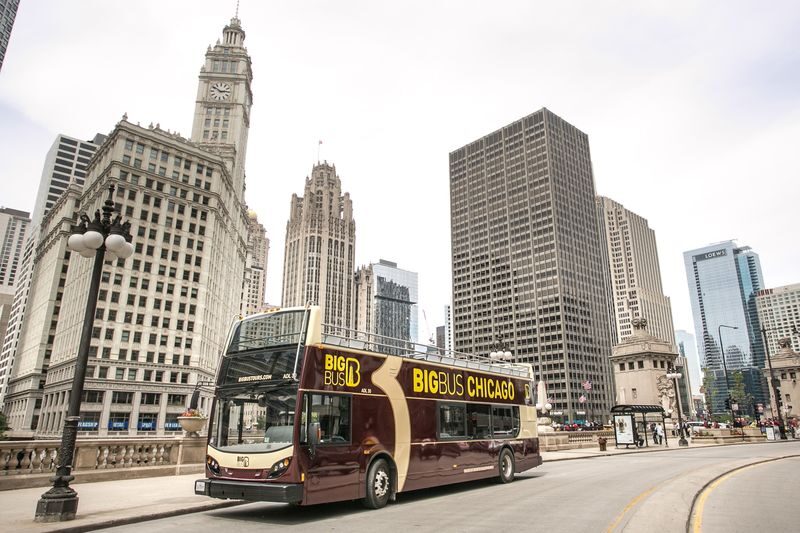
The Big Bus is most useful as an orientation ride. Chicago’s downtown is full of tall buildings, parks, museums and lakefront stops, and the bus gives you a simple way to see how these places fit together before deciding where to spend more time. From the upper deck, the view is the main event: skyscrapers rise around the route, while the open air makes it easier to take in the scale of the city.
The Red Route passes through a selection of central sights rather than every corner of Chicago. Its listed stops include the Chicago Riverwalk, Skydeck Chicago and Willis Tower, Millennium Park and the Art Institute, Hilton Chicago and Grant Park, Adler Planetarium, Museum Campus, Sheraton Grand Chicago, Navy Pier, Water Tower and the Magnificent Mile, 360 Chicago, and Hard Rock Cafe. That range makes the bus a handy first-day framework, especially if you have limited time or want to avoid driving and parking downtown.
Expect a sightseeing loop, not a point-to-point ride. The route travels in one direction, and a full circuit may take around two hours according to passenger accounts. That can be a pleasant way to see many landmarks without getting off, but it is less helpful if you need to make one short trip across town.
You can also read our reviews of more tours and experiences in Chicago.


Choosing the stops that fit your day
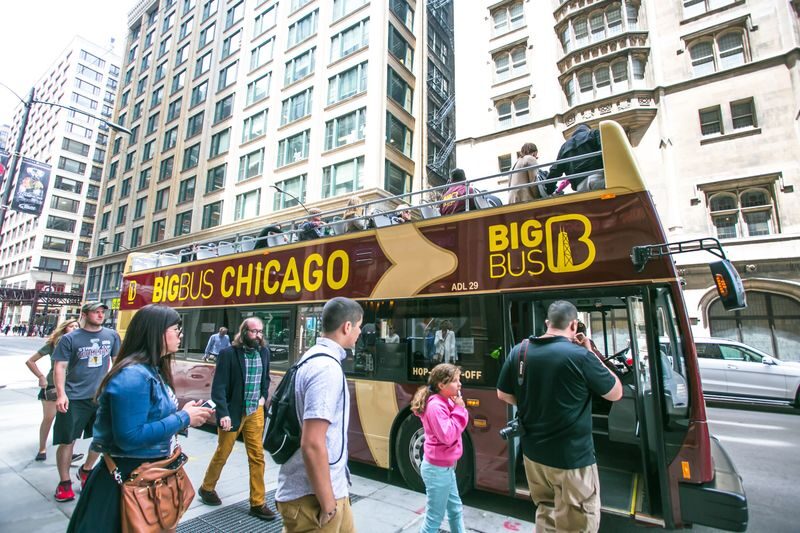
Start with the Chicago Riverwalk if you want to walk beside the river and get a close look at downtown’s buildings from street level. The listed meeting address is 98 E Wacker Drive, and you can redeem your voucher with the driver or staff at any stop on the route. You do not have to begin at stop one, but arrive about 15 minutes before your planned departure.
From there, the route serves central attractions including Willis Tower and the Art Institute of Chicago. These are worthwhile stops if you want to turn the bus ride into a fuller sightseeing day, but admission is not included. Plan extra time for each attraction, and remember that getting back on the bus depends on the next service, not on your own timetable.
Millennium Park is a natural place to pause. It puts you near the Art Institute and offers a change from the busy streets and traffic. The nearby Grant Park stop also helps you reach the area around Hilton Chicago and the park, though the bus pass does not include entry to any attraction.
The route then reaches Museum Campus and the Adler Planetarium, where the lakefront setting is part of the appeal. This is one of the stops that makes the bus more than a downtown building tour: you can get out of the central shopping district and spend time near Chicago’s museums and open water. If the weather is poor, though, the exposed wait for another bus may feel less charming.
At the north end of the route, Navy Pier offers a different kind of stop, with the lakefront and a major visitor destination in one place. Water Tower and the Magnificent Mile put you near shops and hotels, while 360 Chicago is another option for city views. The route also lists the Sheraton Grand Chicago and Hard Rock Cafe, so you can use it to connect familiar landmarks with the places you most want to see.
The route’s main value is not that it stops at every attraction. It is that it gives you a defined set of places to choose from. Pick two or three stops you genuinely want to explore, then treat the rest as scenery from the bus. Trying to jump off at every stop in a single day can turn a flexible pass into a race against the schedule.
What the open-top ride is like
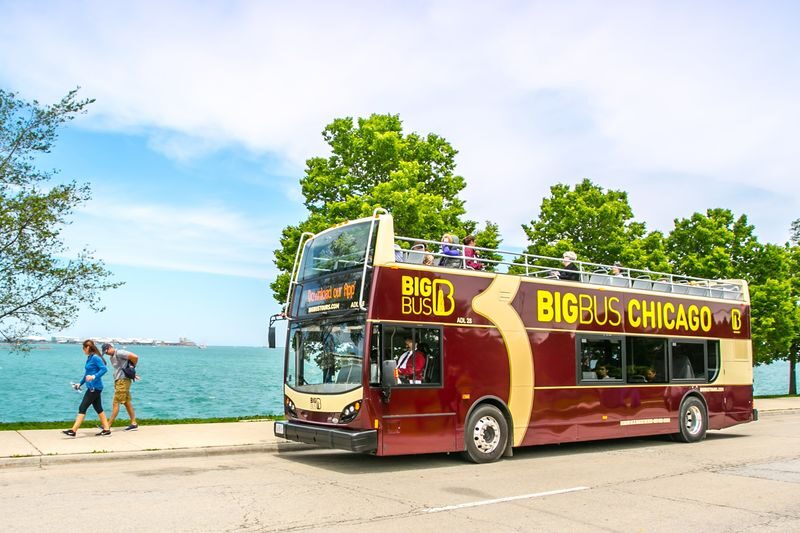
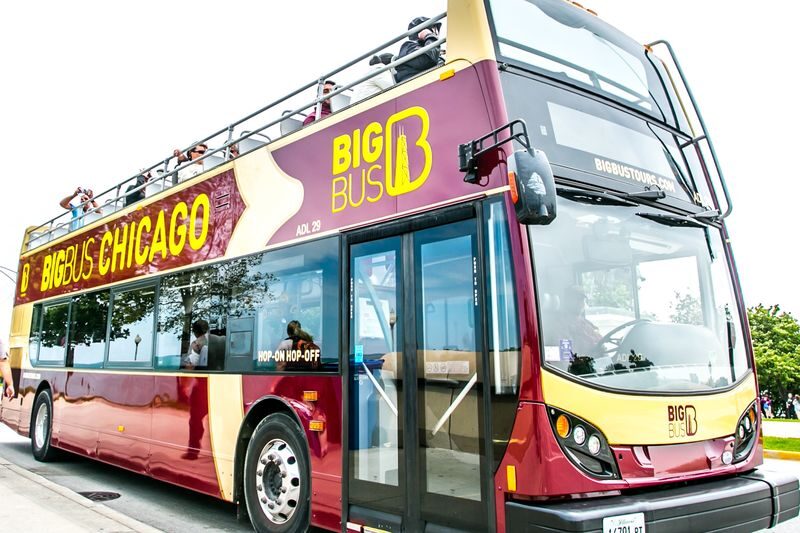
The upper deck gives you the clearest views of Chicago’s tall buildings and makes the ride feel more like a city tour than a standard bus trip. It is also exposed to the weather. On cold days, the wind can make a wait feel long; on hot days, there may be little relief from the sun. Bring layers and check the forecast before you decide how much time to spend upstairs.
If you prefer to stay out of the wind, the bus is still useful as transport and a way to see the route. The important difference is that the open-top experience is a view-first choice. You may want a hat or warm clothing, and it is wise to be ready for changing conditions during the day.
Recorded commentary is available in English and Spanish and is heard through headphones. That gives you background as the bus passes the sights, but the experience depends in part on the equipment working well. Check your headset early and ask staff for help if the sound is weak. Some drivers may add their own observations, but that is not something to count on as part of the standard commentary.
Timing, frequency and how to plan around the bus
The stated service frequency is every 30 minutes, but traffic can make the wait longer. Some riders have reported waits that felt much longer, while another found the service punctual. The practical lesson is to leave room in your schedule, especially if you have a timed admission or a dinner reservation.
Operating hours deserve a check before you set out. The published details give a frequency but not a clear daily start and finish time, and some passengers have found the service ended around 5 p.m. rather than continuing into the evening. Do not assume you can use the bus after a full day of sightseeing. Confirm that day’s timetable and plan your last stop accordingly.
For the best use of a one-day pass, board early and take a full loop first if your schedule allows. That helps you see the route and decide which stops deserve a longer visit. If you already know your priorities, you can get off sooner, but keep track of the time and the next bus rather than assuming another will arrive right away.
The two-day Essential ticket can make a more relaxed plan possible. You can split the stops across two days instead of squeezing museums, parks and shopping into one long circuit. The package details list the Discover ticket as one day on a fixed date and the Essential ticket as two days on a flexible date. Check the terms attached to your chosen pass, since the voucher itself is stated to be valid only on its specified date and time, if applicable.
Is the ticket good value?
The listed options are US$49 for the one-day Discover ticket and US$59 for the two-day Essential ticket. The experience summary also advertises prices from US$39.20, so check the price shown for your chosen date and package before booking. The fare buys a bus pass and audio guide, not entry to attractions, hotel pickup, or personal expenses.
Value depends on how you use the stops. If you take a full loop, enjoy the views and get off at several places, the pass can save effort and help you avoid the hassle of driving and parking downtown. If you only need to travel between two nearby points, the long, one-direction route may be poor value compared with another way of getting around.
For a first visit, I see the strongest case for the bus as both a tour and a planning tool. It lets you survey the central sights, then return to the places that interest you. It is also a useful break from walking during a multi-day city stay. But if your priority is simply reaching one attraction quickly, do not mistake a sightseeing pass for a fast city transport service.
The pass does not cover attraction admission, so factor that into your budget. A day with the Art Institute, Skydeck Chicago or 360 Chicago will cost more than the bus fare alone. The ticket makes most sense when you want the overview and the freedom to get off, not when you expect an all-inclusive package.


Who will get the most from this ride?
This tour suits first-time visitors who want an easy way to understand the layout of central Chicago. It also works well for families who want a change of pace from walking, and for anyone who prefers not to drive or search for parking. Children aged 0 to 2 ride free, while children aged 0 to 12 must be with a paying adult. From age 13, the adult rate applies.
It can help if you have limited mobility or want a structured way to reach major sights, but do not assume every access need is automatically covered. For ADA accommodation, contact Big Bus Chicago at least 48 hours before your planned date. The upper-deck stairs can also be challenging, so consider that before choosing where you sit.
The bus is less suited to a tight schedule or a day built around several timed activities. A missed connection or a traffic delay can eat into your plans, and the one-way route is not ideal for quick backtracking. If you want to see the city at a gentle pace, that flexibility is a strength. If you need precise, rapid transport, it is a limitation.
Booking and practical details
You can book with instant confirmation, and free cancellation is available if you cancel at least 24 hours before the activity date, using local destination time. Once redeemed or expired, the voucher cannot be refunded; lost, stolen or damaged tickets are also not refundable. Passes are non-transferable.
Bring the printed voucher and present it to the driver or staff at a stop to exchange it for a ticket. Although app vouchers can be convenient, the instructions for this activity specifically ask you to present a printed voucher. If anything about the ticket format is unclear, check before leaving for the stop.
Audio is in English or Spanish. Anyone who appears intoxicated may be refused service, with no refund. These details are easy to overlook, but they matter when a ticket is tied to a particular date.
Should you book the Chicago Big Bus?
Book it if you want a low-effort overview of Chicago, a skyline view from the upper deck, and the option to explore a few major sights without driving. I would lean toward the two-day pass if you want time for museums, the lakefront and shopping, since the bus can run slowly and the stops deserve time of their own.
Choose another way to get around if you mainly need fast transport or have a packed schedule with timed entries. The Big Bus is at its best when you treat it as a moving city tour, allow for traffic, and dress for the weather. Used that way, it can turn a complicated first day into a simple route through Chicago’s highlights.
Chicago Big Bus Hop-On Hop-Off Tours (Open-Top)
“The 2-hour tour passes by many impressive buildings and landmarks. It offers great value, and you can hop on and off at any time throughout the day.”
FAQ
How often does the bus run?
The listed frequency is every 30 minutes. Traffic can affect service, so allow extra time at stops.
Which stops are included on the Red Route?
Stops and highlights include the Chicago Riverwalk, Skydeck Chicago and Willis Tower, Millennium Park and the Art Institute, Hilton Chicago and Grant Park, Adler Planetarium, Museum Campus, Sheraton Grand Chicago, Navy Pier, Water Tower and the Magnificent Mile, 360 Chicago, and Hard Rock Cafe.
Is attraction admission included?
No. Admission to attractions is not included in the bus pass.
What languages are available for the audio commentary?
The recorded audio commentary is available in English and Spanish.
Can I board at a stop other than the Chicago Riverwalk?
Yes. You can redeem your voucher for a ticket with the driver or staff at any bus stop along the route.
What are the ticket options?
The Discover ticket is a one-day, fixed-date pass listed from US$49. The Essential ticket is a two-day, flexible-date pass listed from US$59. Check the terms for the specific pass you choose.
Are children allowed on the bus?
Yes. Children aged 0 to 2 ride free. Children aged 0 to 12 must be accompanied by a paying adult, and children aged 13 or older pay the adult rate.


