The American Museum of Natural History is the sort of place where a towering dinosaur skeleton can stop you mid-step, then a few galleries later you are standing beneath a life-size blue whale. I like the contrast between its famous fossils and the carefully staged animal dioramas, and I like that the newer Richard Gilder Center adds hands-on science and education spaces to a museum already full of things to investigate.
The main catch is scale: 40-plus galleries make it easy to spend half a day here and still leave rooms unseen. General admission does not cover every special attraction, either, so check what is included before you choose a ticket.
- A T. rex and other dinosaur fossils make the paleontology galleries a natural first stop for many visitors.
- A life-size blue whale replica gives you a striking sense of scale in the ocean-life displays.
- The Rose Center for Earth and Space brings the focus from fossils on Earth to the wider universe.
- The Richard Gilder Center adds science and education spaces to the museum’s permanent halls.
- General admission covers more than 40 permanent halls, while select exhibitions, films, and shows require a paid add-on.
- Plan for at least three hours if you want more than a quick look. A half-day gives you room to pause and choose.
- Start With a Plan, Not a Sprint
- Dinosaurs That Make the Scale Real
- Animal Displays and Dioramas Worth a Slower Look
- The Blue Whale and the Ocean’s Scale
- Space at the Rose Center
- The Richard Gilder Center’s Different Feel
- Choosing the Right Ticket for Your Day
- Getting There, Getting In, and Managing the Crowds
- A Half-Day Visit Beside Central Park
- Is This Museum Ticket Worth Booking?
- FAQ
- What does a general admission ticket include?
- How much time should I allow?
- Are the planetarium show and special exhibitions included?
- Where is the museum, and how do I get there?
- What are the museum’s opening hours?
- Do I need to exchange my voucher at the museum?
- The Best Of New York!
- More Tickets in New York
- More Tours in New York
- More Tour Reviews in New York
- Not for you? Here's more nearby things to do in New York we have reviewed
Start With a Plan, Not a Sprint
 1 / 10
 2 / 10
 3 / 10
 4 / 10
 5 / 10
 6 / 10
 7 / 10
 8 / 10
 9 / 10
 10 / 10
The American Museum of Natural History stands at 200 Central Park West, beside Central Park. Its broad subject range is a strength: you can move from dinosaurs and animals to minerals, human cultures, and astronomy without leaving the building. The drawback is that it is easy to underestimate how much ground there is to cover.
For a quick visit, choose a few priorities before you arrive. If you try to see every hall in a single pass, you may end up walking a lot while giving little time to the exhibits that interest you most. I would set aside three to four hours at minimum for a considered visit, and longer if you plan to read displays, take breaks, or add a ticketed attraction.
There is no single required route described for this ticket. You can choose your own order, which is useful in a museum this large. Some visitors head straight to the fourth-floor dinosaur galleries, where the skeletons are a major draw. That can be a sensible move if you want to see them before the galleries get busier, then work through other areas at your own pace.

👉 See our pick of the 6 Best Tours In New York
Dinosaurs That Make the Scale Real
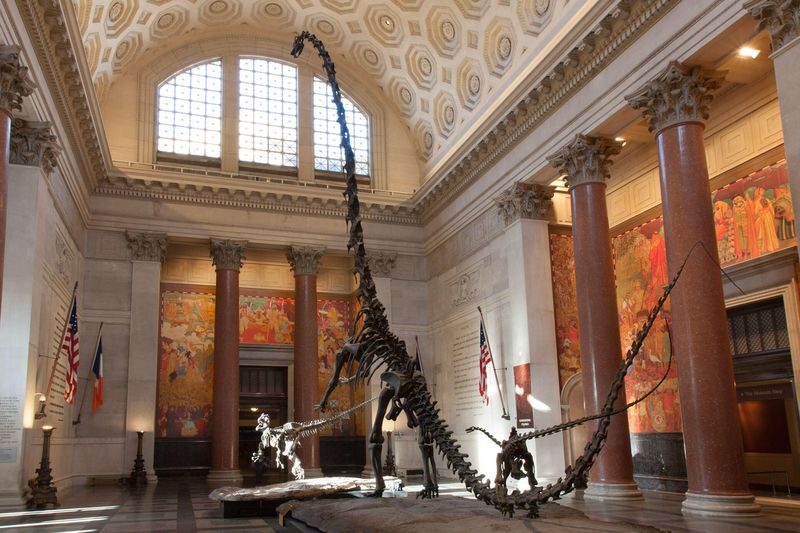
The fossil halls are a strong place to begin, especially if you have come for the T. rex. Its imposing skeleton and the other paleontology displays turn prehistoric life into something you can take in at a glance, even if you are not an expert. Look closely, though, and the bones and remains invite a slower visit than a quick photo stop.
The museum’s dinosaur displays are among its most consistently praised features. They are also likely to be among the busiest, so visiting them early may help you avoid the thickest crowds. The museum’s general admission does not automatically include every special exhibition, so distinguish the permanent dinosaur halls from any separately ticketed experience when comparing ticket choices.
A new exhibition, Impact: The End of the Age of Dinosaurs, is included with the General Admission Plus One Ticketed Exhibition option, subject to availability. It explores the asteroid collision linked to the dinosaurs’ extinction and the burst of life that followed. If that subject interests you, check availability when choosing your package rather than assuming it comes with a basic general ticket.
You can also read our reviews of more tours and experiences in New York


Animal Displays and Dioramas Worth a Slower Look
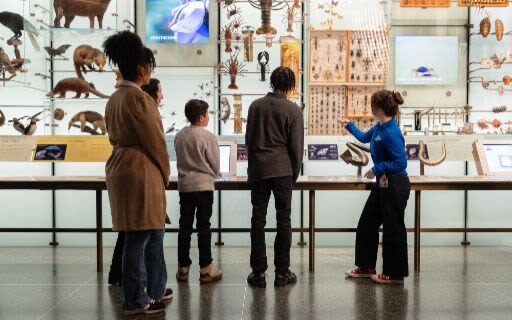
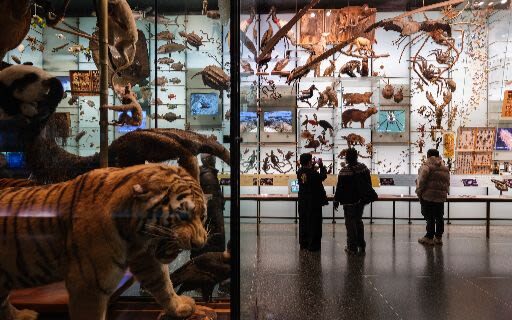
The animal galleries broaden the visit beyond the fossil halls. Taxidermy and other specimens sit within carefully crafted dioramas that set animals in detailed scenes. These displays can make the museum feel less like a row of cases and more like a series of windows onto different habitats and moments in natural history.
I like that this kind of exhibit rewards looking twice. A quick glance takes in the animal; a longer one lets you notice how the setting has been built around it. If you are visiting with children, or simply prefer visual exhibits to long blocks of text, the dioramas can be a welcome change of pace.
The museum also covers minerals, biology, and other areas of natural science. You need not be equally interested in every subject to enjoy the visit. Use the map or ask an information desk for directions to the topics you care about, then give yourself permission to skip a hall that is not holding your attention.
The Blue Whale and the Ocean’s Scale
The life-size blue whale replica is one of the museum’s signature sights. Its scale makes a useful counterpoint to the dinosaur skeletons: one brings you face to face with an animal from the deep past, the other gives you a sense of the size of a living species.
This is a good place to pause rather than hurry through. A large central display can be impressive from a distance, but spending a moment under it gives you time to register just how immense the animal is. If you are organizing the day around a few headline exhibits, put the whale on your list alongside the dinosaurs and the Rose Center.
Space at the Rose Center
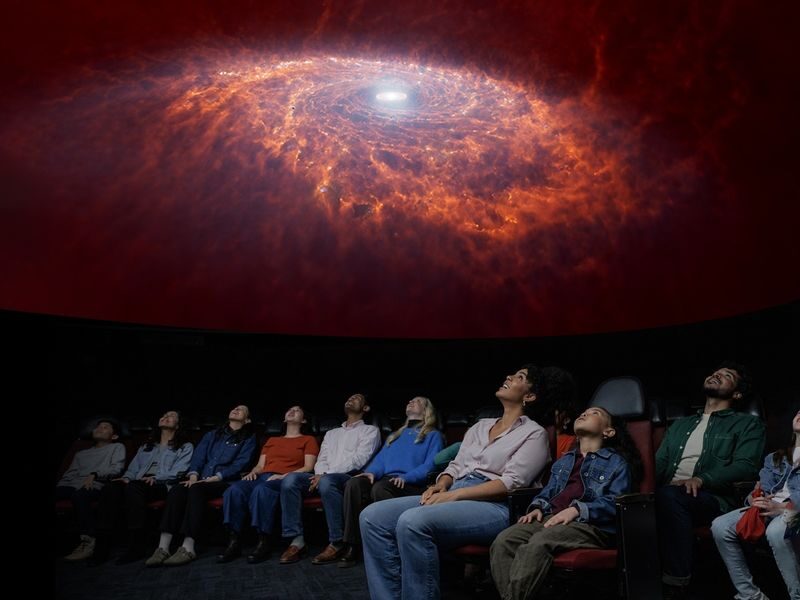
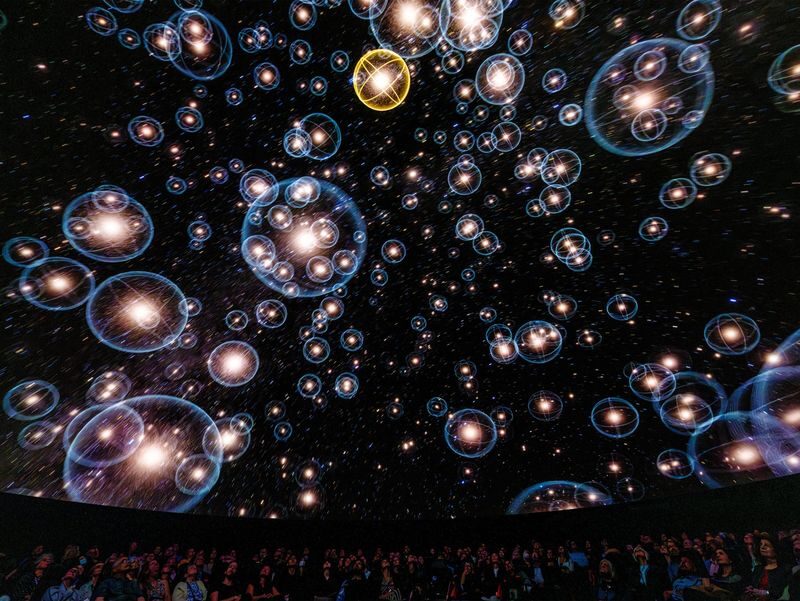
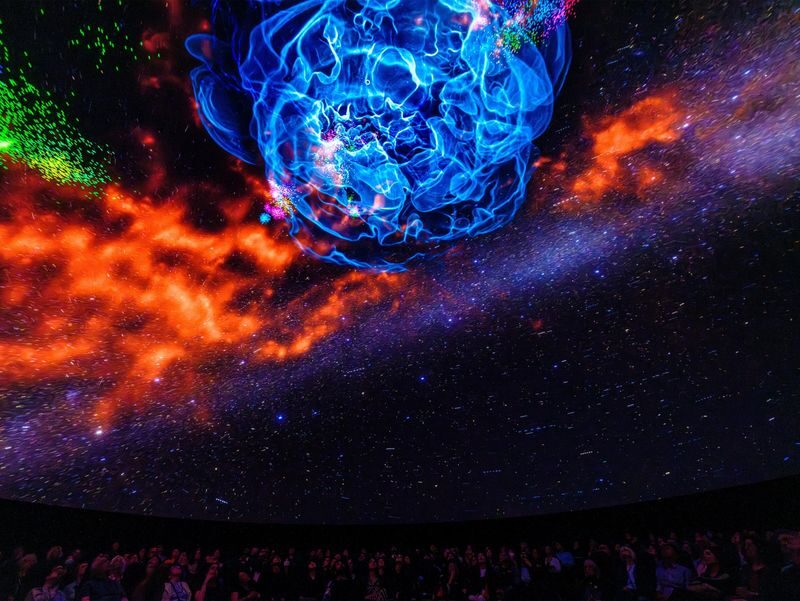
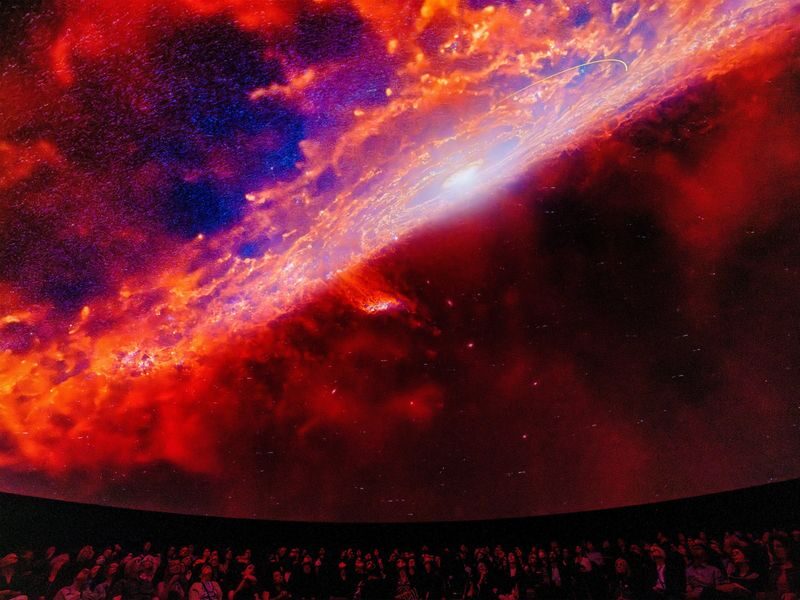
The Rose Center for Earth and Space takes the museum’s story beyond Earth. Its displays focus on celestial phenomena and the universe, making it a natural stop after the fossils, minerals, and animal halls. The shift in scale is part of the appeal: the visit moves from ancient life and earthly specimens to questions about space.
General admission includes access to the Rose Center, but a Hayden Planetarium Space Show is an additional paid experience. The same applies to the giant-screen film. Each costs an extra USD 10 on site, according to the ticket details. If a show is high on your list, allow time to check the schedule and decide whether the add-on is worth the extra cost to you.
That distinction matters when you compare ticket packages. A general ticket gives you plenty to see, but it does not include every screen-based experience. If you are most excited about a planetarium presentation or film, budget for it separately or look at the available package options before you book.
The Richard Gilder Center’s Different Feel
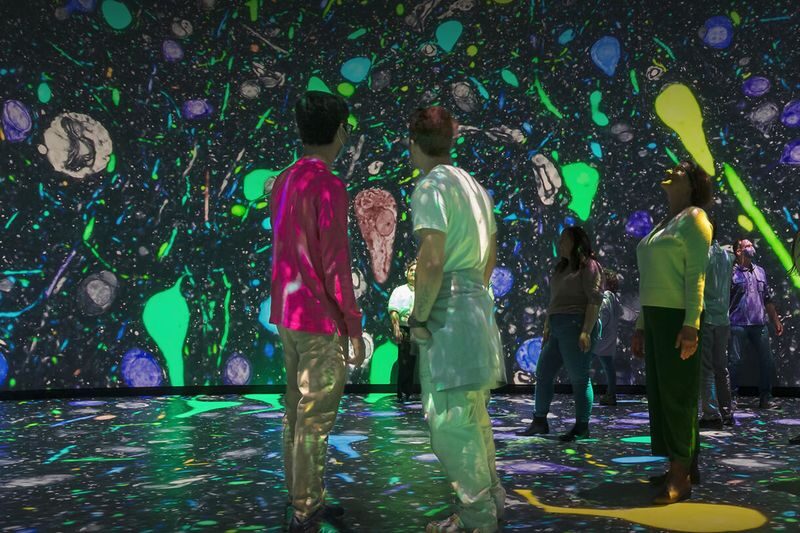
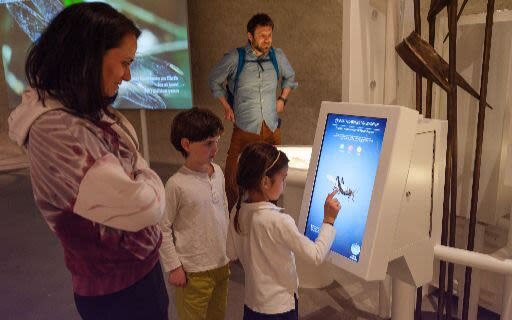
The Richard Gilder Center for Science, Education, and Innovation brings a newer dimension to the museum. Its focus on science and education offers a change from traditional display halls, with spaces intended to support exploration as well as learning.
For families, school-age children, or anyone who likes to understand how scientific ideas are studied, this can be a useful counterweight to the museum’s historic collections. It also helps make clear that the institution is not only about looking at objects from the past. There are contemporary science and learning spaces within the same visit.
The center is included with general admission. As with the rest of the museum, it is worth checking current information on site for what is open during your visit, then making space for it rather than treating it as an afterthought.


Choosing the Right Ticket for Your Day
The listed starting price is from $37 for a general ticket, though prices can change. That ticket includes one admission and access to more than 40 permanent exhibition halls, the Rose Center, and the Richard Gilder Center. For many people, that is enough for a substantial museum visit.
There are also options for general admission plus one ticketed exhibition, and for general admission with all exhibitions. The exact special experiences you want to see should guide your choice. Additional ticketed attractions listed include special exhibitions, the butterfly vivarium, the giant-screen film, and the Hayden Planetarium Space Show, each with an on-site charge of USD 10 when not covered by your chosen ticket.
Do the arithmetic before you buy. If you only want the permanent halls, a basic ticket avoids paying for extras you may not have time to use. If you know you want a film or special exhibition, a package may be more convenient, but confirm which attractions it covers. The new Impact exhibition is specifically noted as included with the plus-one-exhibition ticket, subject to availability.
The ticket is valid only on the date selected. Children aged zero to two enter free, while children aged 13 and older pay the adult rate. Students should bring a valid student ID along with their voucher.
Getting There, Getting In, and Managing the Crowds
The museum’s address is 200 Central Park West, New York, NY 10024. The B or C subway trains serve 81st Street, though service can change, so check current MTA alerts before setting out. The museum is open daily from 10:00 a.m. to 5:30 p.m. and is closed on Thanksgiving and Christmas Day. Hours and closure dates can change, so verify them close to your visit.
The booking information says to take your voucher to a museum ticket desk to exchange it for admission. Reports about QR-code entry vary, so do not assume that showing a code will always replace the desk exchange. Leave some time for this step, especially at busy periods. Booking ahead may secure your date, but it does not necessarily mean you can bypass every line.
Crowd levels shift throughout the day, and busy periods can mean longer waits. Arriving near opening time and heading first to a high-priority gallery can help you use the day well. If you visit on the Wednesday, November 26 date covered by the special entry notice, the museum requires entry through Central Park West because of the Thanksgiving Day Parade balloon inflation event. The notice also warns that B and C service may be limited to 81st Street during parts of the day, so check transit updates.
The museum is stroller- and wheelchair-accessible. It has cafes, restrooms, water fountains, elevators, and gift shops, which makes a longer visit easier to manage. Still, expect a lot of walking across a large building. Comfortable shoes are a practical choice, and it is wise to plan a break rather than treating the museum as a race.
A Half-Day Visit Beside Central Park
The museum pairs naturally with a walk in Central Park, which is right nearby. You can spend the morning among fossils and animal displays, then head outdoors for a change of scenery. That combination also gives you a way to break up a day that might otherwise involve several hours indoors.
Just be realistic about the museum portion. A two- or three-hour visit can give you a good overview, but you will have to make choices. A half-day lets you linger over the major exhibits and explore some less obvious halls. A full day is possible for people who want to read widely, take breaks, or include ticketed shows, but it is not necessary to see the museum’s main attractions.
The museum is also familiar to many people from Night at the Museum. That connection can add a little fun, especially for families, but the real appeal is the range of specimens and displays. The famous movie association is a bonus, not a substitute for choosing what you want to see.
Is This Museum Ticket Worth Booking?
Book it if you enjoy science, animals, fossils, space, or museums where you can follow your curiosity from one subject to another. It is especially well suited to a half-day outing and to families with different interests, since the galleries range from dinosaurs and animal displays to astronomy and minerals.
The basic ticket offers strong value if you plan to spend time in the permanent halls. The main risk is paying for add-ons without checking whether you will have time to use them, or arriving with no plan and trying to cover the whole building. Pick a few priorities, check which ticket matches them, and leave room for a surprise along the way. If you only have a short window in New York and prefer a tightly guided visit, this large museum may be harder to appreciate at speed.
American Museum of Natural History Ticket
“I recommend it. It was a good experience.”
FAQ
What does a general admission ticket include?
It includes one general admission ticket and access to more than 40 permanent exhibition halls, the Rose Center for Earth and Space, and the Richard Gilder Center for Science, Education, and Innovation.
How much time should I allow?
Plan on at least three hours for a broad visit. Three to four hours or a half-day gives you more time to explore, though you may still not see every gallery.
Are the planetarium show and special exhibitions included?
Not necessarily. The Hayden Planetarium Space Show, giant-screen film, butterfly vivarium, and other ticketed exhibitions may require an additional USD 10 payment on site unless included in your selected package.
Where is the museum, and how do I get there?
The museum is at 200 Central Park West, New York, NY 10024. You can take the B or C train to 81st Street, but check current MTA service alerts before travelling.
What are the museum’s opening hours?
It is open Monday through Sunday from 10:00 a.m. to 5:30 p.m. It is closed on Thanksgiving and Christmas Day. Hours and closure dates may change, so check current information before your visit.
Do I need to exchange my voucher at the museum?
The ticket instructions say to take your voucher to a museum ticket desk to exchange it for admission. Allow time for that step, and check the instructions on your voucher before arriving.