Yanagawa’s narrow canals and Itoshima’s open sea make an appealing pair: one is best seen from a low wooden boat, the other from a breezy beach. This full-day trip links them with shrine visits and seasonal stops, giving you a broad look at Fukuoka Prefecture without having to organize several long transfers yourself.
I like two things in particular: the Yanagawa boat ride, where boatmen pole through willow-lined waterways and may sing as they go, and the Itoshima coast, where Meoto Iwa and the coconut tree swing offer a welcome change of pace. One drawback is that the day covers a lot of ground, and boat tickets, meals, and some admission fees are extra. The exact route also varies by package and season, so check the stops before booking.
- The main reasons to consider this trip
- A full day that trades flexibility for convenience
- Yanagawa: canals, boatmen, and a short stop
- Oyster huts and the taste of Itoshima
- Raizan Sennyo-ji Temple or Shiraito Falls
- Itoshima’s coconut swing and Meoto Iwa
- Ichiran Ramen, Dazaifu, and the route question
- Miyajidake Shrine and the final stretch
- What the price covers, and what it does not
- Practical details before you go
- Who will get the most from this tour?
- Should you book it?
- FAQ
- How long is the tour?
- Where does the tour depart from?
- Is the Yanagawa boat ride included in the price?
- Are meals included?
- Which seasonal stop does the tour visit?
- Does every package visit Dazaifu Tenmangu and Ichiran Ramen?
- What languages does the guide speak?
- How many people are required for the tour to operate?
- Are child seats available?
- Can I bring luggage on the tour?
- More Boat Tours & Cruises in Itoshima
- More Tours in Itoshima
- More Tour Reviews in Itoshima
- Not for you? Here's more nearby things to do in Itoshima we have reviewed
The main reasons to consider this trip
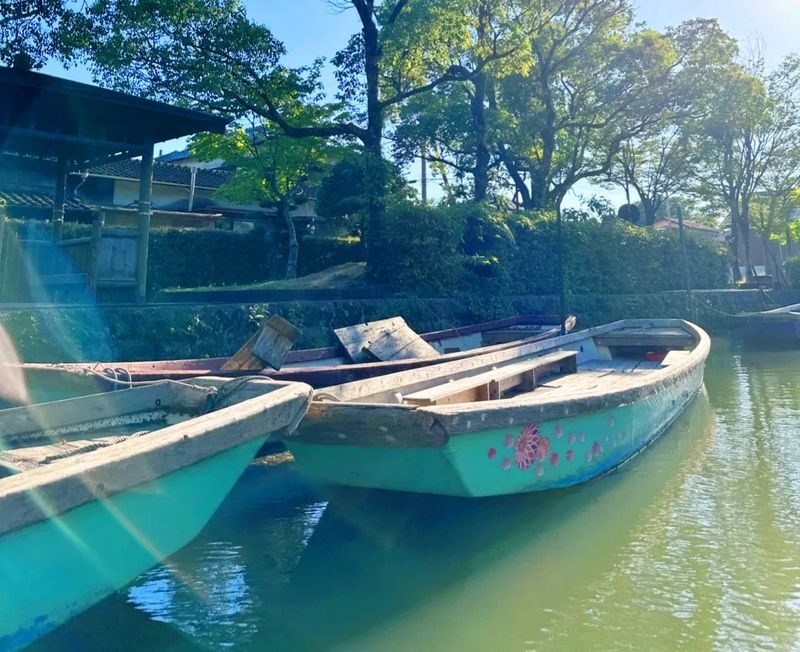
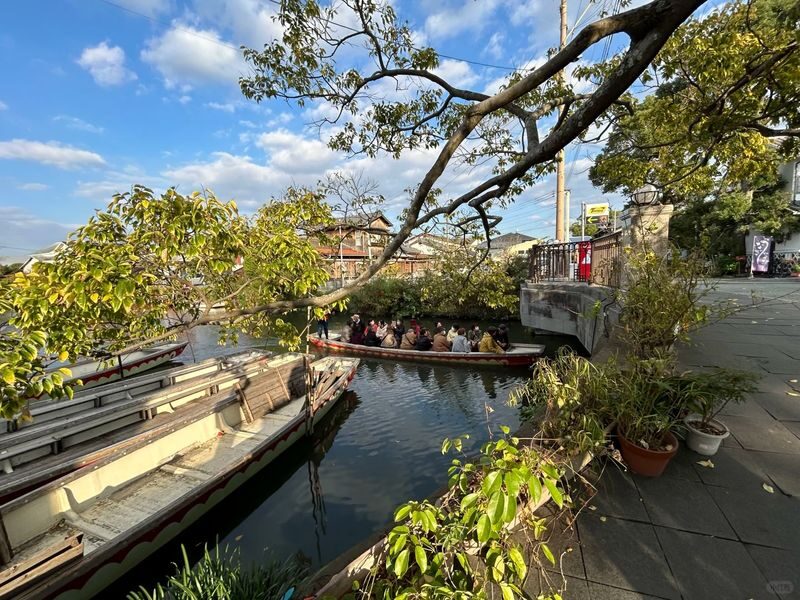
- Yanagawa from the water: A traditional flat-bottomed boat offers a close view of the canals, with a boatman guiding the ride using a long pole.
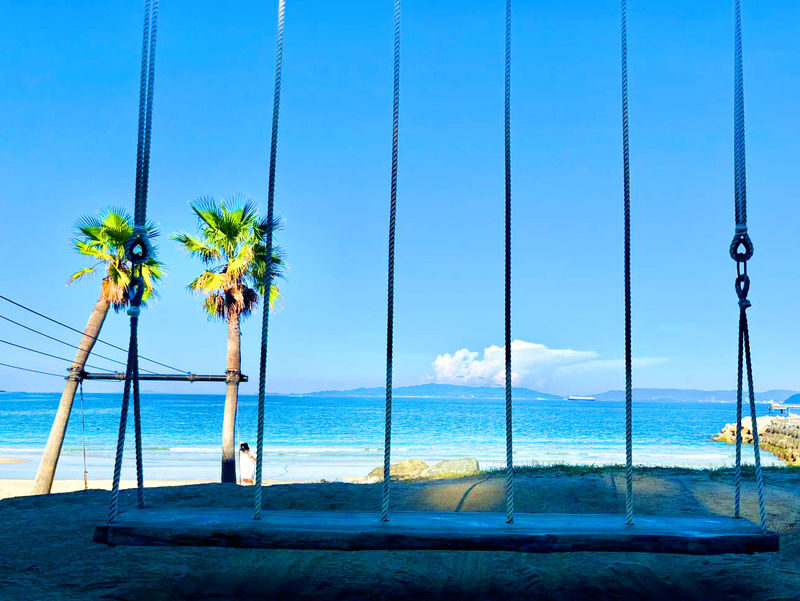
- Itoshima’s sea-facing photo stops: Meoto Iwa and the coconut tree swing make the coastal part of the day feel different from the shrine and town visits.
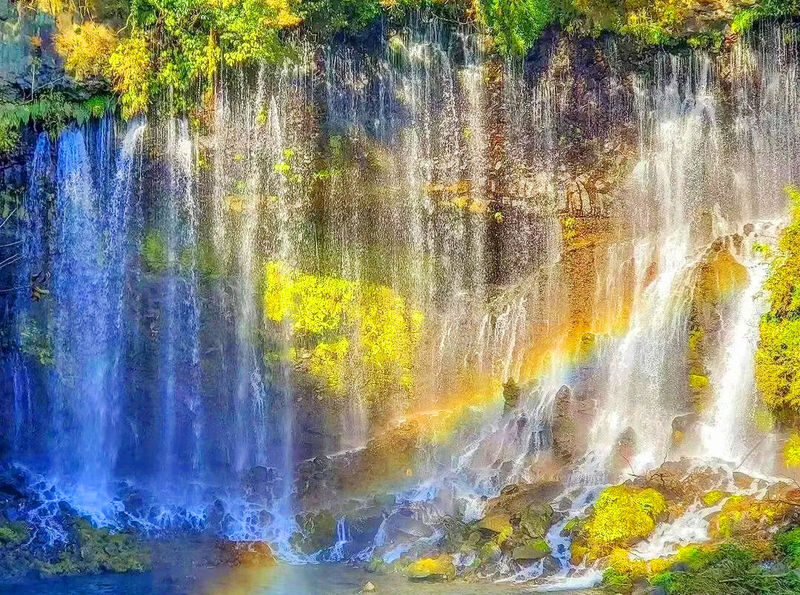
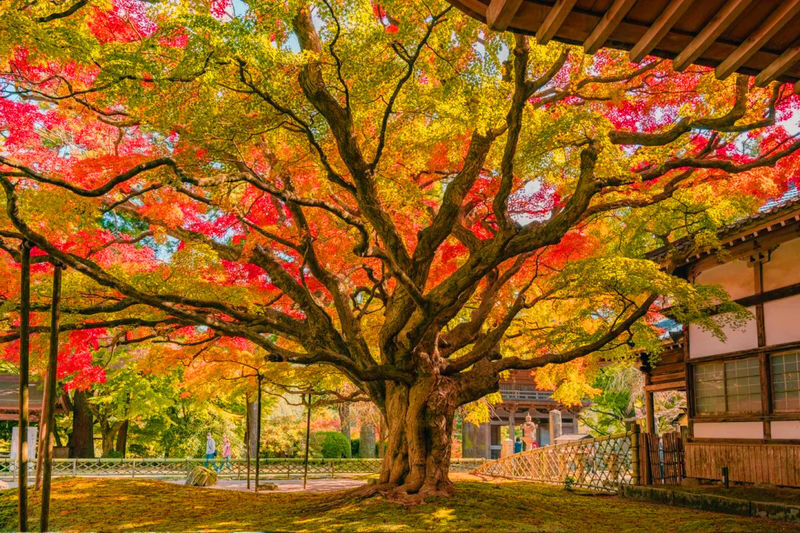
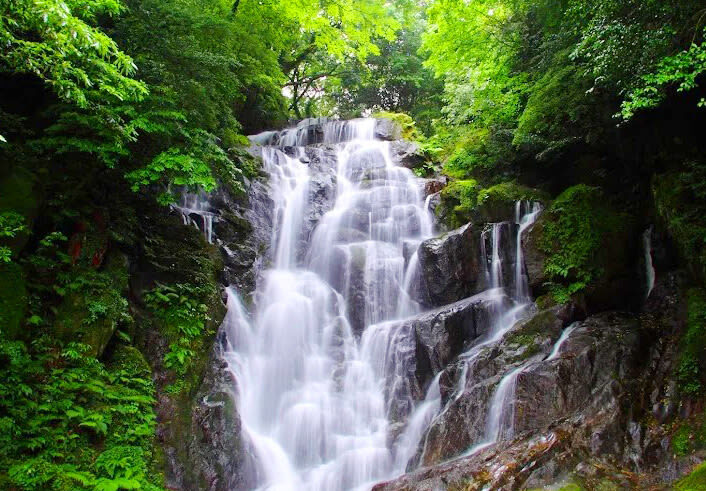
- A seasonal choice: Depending on the route, you may visit Shiraito Falls in summer or Raizan Sennyo-ji Temple during autumn foliage season.
- A day without a rental car: Round-trip transport from the meeting point connects places that would take planning to visit independently.
- Extra costs to budget for: Yanagawa boat tickets, food and drink, and some temple admissions are not included in the starting price.
- Route details need checking: Some tour descriptions mention Ichiran Ramen and Dazaifu, while the detailed stop schedule includes Miyajidake Shrine. Confirm which package you are booking.
A full day that trades flexibility for convenience
The tour runs roughly from 08:30 to 18:30 and uses shared transport. Depending on the day’s group size, you may travel in a small vehicle or a larger one. The listed group range is 4 to 49 people, and the tour requires at least six participants to operate.
That transport is the chief value here. Yanagawa, Itoshima, and the Fukuoka-area shrines are spread out, so arranging the same set of stops on your own means coordinating buses or trains and watching the clock. On this trip, you can leave the driving to someone else. The trade-off is a fixed schedule: stops are brief, and you cannot ask the vehicle to pull over between attractions.
The operator provides an English- and Chinese-speaking guide on the standard tour. Guides named Daisy, Eiichi, Nicole, and Carson have led trips on this route, but assignments vary. The guide’s role matters on a packed day: good timing and clear meeting instructions can help you spend more of your limited time at each stop and less of it wondering where to go next.
You can also read our reviews of more boat tours in Itoshima
Yanagawa: canals, boatmen, and a short stop
Yanagawa is known as a water town, and its canals are the reason to come. The traditional boat ride takes you close to the water, past old streets and drooping willows, while the boatman propels the flat-bottomed craft with a long pole. Singing and conversation may add a human touch to what could otherwise be a quiet sightseeing ride.
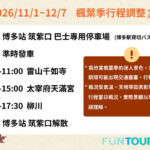
The scheduled stop is about one hour, and the boat ticket is not included. If you want to cruise, budget for the fare and make that your priority when you arrive. The guide may be able to help with arrangements, but the boat ride is not part of the tour price. In one account of the day, a guide booked tickets ahead to save time; that kind of help is useful, but it is not something to count on unless confirmed.
An hour gives you a taste, not a leisurely visit. You may need to choose between the cruise and time to explore on foot or look for food. Yanagawa is also associated with eel restaurants, but opening times can complicate a short visit. If eating there is important, ask about the planned arrival time before departure rather than assuming a particular restaurant will be open.
Oyster huts and the taste of Itoshima
The schedule includes an hour at an oyster cabin, where you can choose a hut and buy your own meal. Itoshima oysters are described as being in their prime from November through March, making this stop especially appealing in cooler months. Lunch is not included, and seafood allergies are a reason to choose carefully.
This is a flexible meal stop, but not a guaranteed tasting menu. You decide what to order and pay for it yourself. If you do not eat seafood, or if the oyster huts do not appeal, plan to bring a light alternative. The tour’s general guidance recommends carrying light food on busy travel days, and that is sensible if you need a quick meal rather than a sit-down break.
Raizan Sennyo-ji Temple or Shiraito Falls
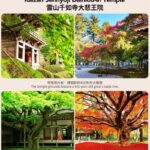
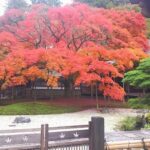
The seasonal stop changes the character of the day. The autumn route can visit Raizan Sennyo-ji Temple, an old mountain temple known for a large maple tree said to be about 400 years old. The temple also houses a Thousand-Armed Kannon statue described as a national treasure-class work. Admission is extra, and the stop is about one hour.
Autumn color is the draw, but the exact display depends on conditions. This is a better choice if you want temple grounds, history, and fall foliage than if you are hoping for a long, unhurried temple visit. The schedule allows a short visit, not a deep exploration of every building.
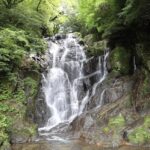
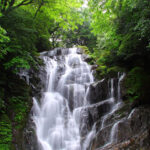
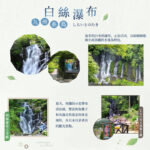
The summer alternative is Shiraito Falls, described as a cool retreat. Its appeal is simple: after time on the road and at coastal viewpoints, a waterfall offers a refreshing change of scenery. The package options do not all present the same route, so confirm whether your selected date includes the falls or the temple. Do not assume you can choose freely on the day.
Itoshima’s coconut swing and Meoto Iwa
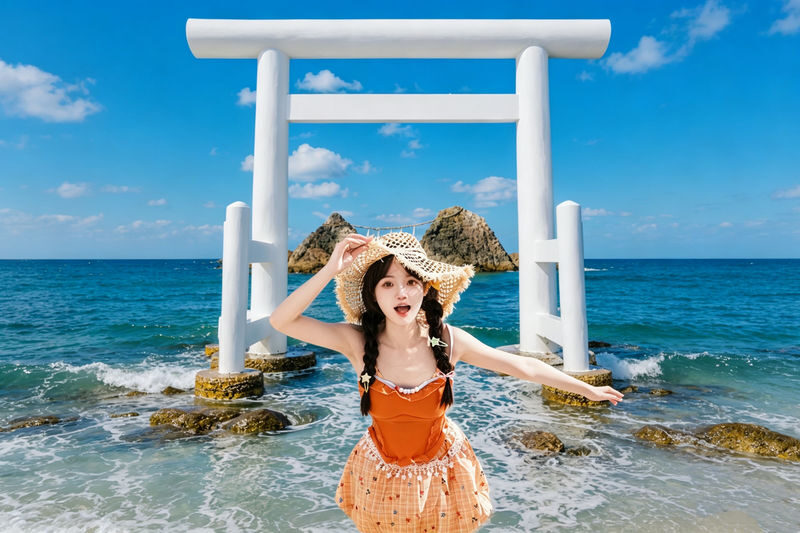
The coconut tree swing is a seaside photo stop in Sakurai’s coastal area. You have about 30 minutes, enough for a few pictures and a little time to take in the view, but not long enough to treat this as a beach afternoon. It is an easy, playful pause between more formal sightseeing stops.
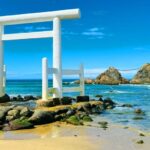
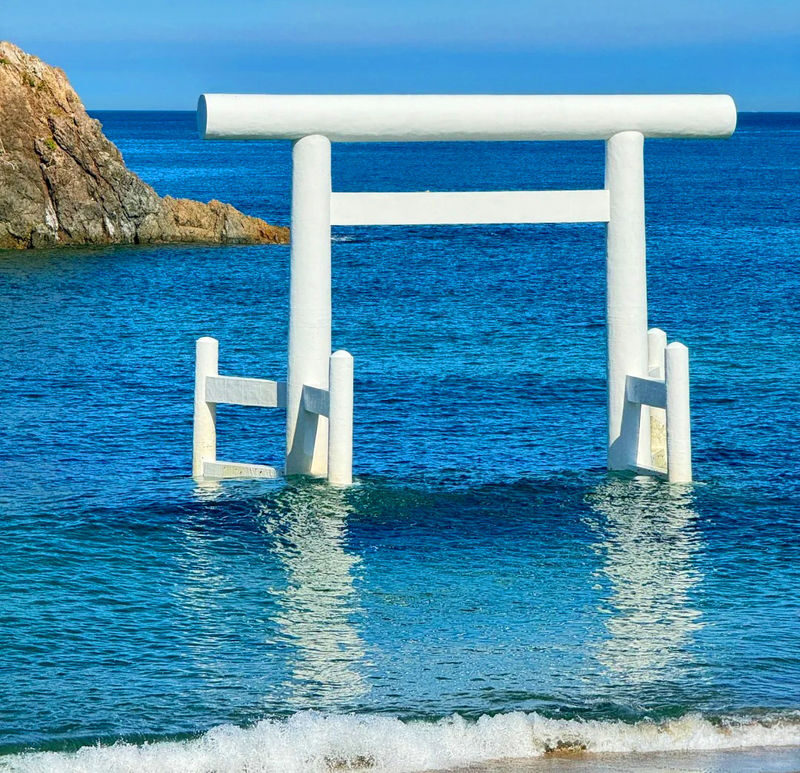
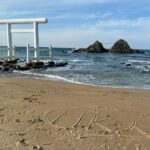
Meoto Iwa, or the Husband and Wife Rocks, are two large rocks offshore, joined by a sacred rope called a shimenawa. The pairing gives the site its symbolic meaning, and the rocks are particularly noted for sunset views. The scheduled stop is also around 30 minutes, so the light may not match the ideal sunset conditions, especially depending on the day’s route and season.
These stops are scenic rather than activity-heavy. Bring a phone or camera if you want photos, and keep your expectations measured: the tour is designed to show you several places, not to leave hours for lingering on the shore.
You can also read our reviews of more tours and experiences in Itoshima

Ichiran Ramen, Dazaifu, and the route question
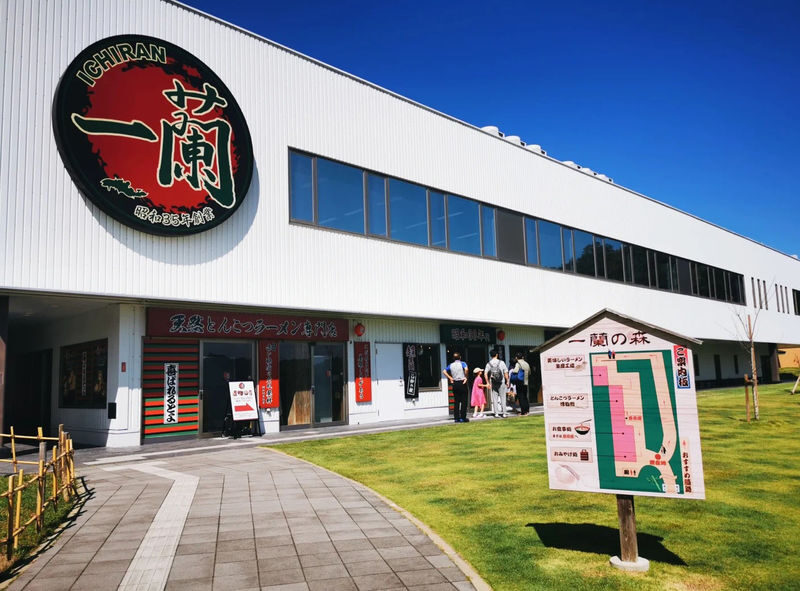
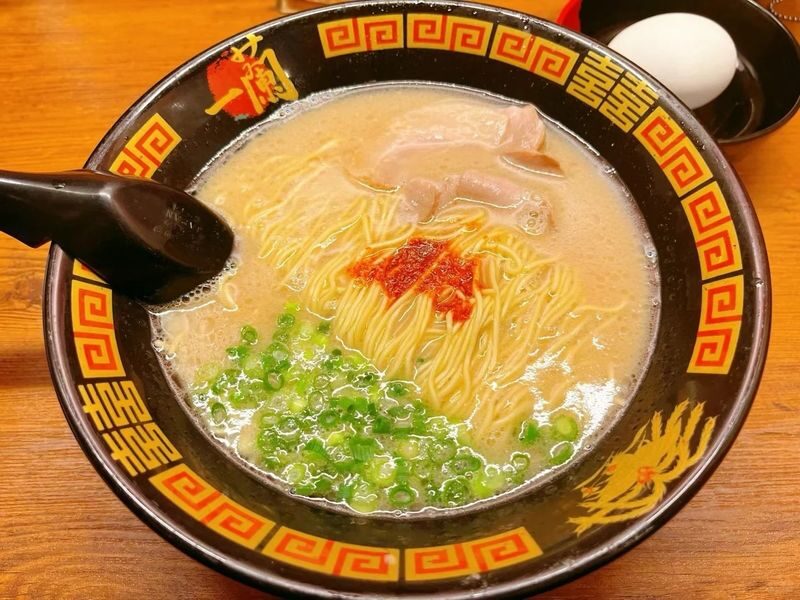
The tour name and overview refer to a visit to the original Ichiran Ramen store, with the meal at your own expense. That could be a useful food stop, especially if you want to try Kyushu tonkotsu ramen, and some guide-led groups have reportedly avoided a long wait. But the detailed timed itinerary provided for this experience does not show a precise Ichiran stop.
There is a similar mismatch around Dazaifu Tenmangu. The overview describes a late-day visit, when the shrine may feel quieter after crowds thin. Yet the detailed schedule lists Miyajidake Shrine at 17:20 and a return at 18:30, not Dazaifu. Another package option mentions a Totoro Forest Cafe, which is also not part of every route.
This is the most important booking detail. The experience appears to have several seasonal and package variations, and the route may not include every attraction named in the overall title. Check the exact package name and its stop list before paying. If Ichiran or Dazaifu is a must for you, get confirmation that it is included on your selected date.
Miyajidake Shrine and the final stretch
The detailed schedule includes Miyajidake Shrine, with about 40 minutes for a visit. It has a long religious history and is described as the head shrine for more than 600 Miyajidake Shrines across Japan. Its popular approach became widely known after appearing in an airline commercial filmed by the Japanese group Arashi.
This is a different kind of stop from the beach and canals: more about shrine atmosphere and a famous view than a food or nature break. The schedule may shift because of traffic, weather, or crowds, so keep the evening open. The operator advises against booking a flight, Shinkansen, or dinner for that night, particularly on weekends and public holidays.
What the price covers, and what it does not
The tour starts at $44.20, a low entry price for a full day of shared transport and an accompanying guide. Its value is strongest if you want to see several widely separated places without renting a car or piecing together local transport. For a solo visitor or a small group, having the transfers organized can save both planning time and the risk of missing a connection.
The headline price is not the full day’s cost. You need to budget separately for the Yanagawa cruise, meals and drinks, personal purchases, and admission fees where applicable. Insurance is also not included. The oyster stop is particularly variable: your meal cost depends on what you choose, and the boat fare adds another expense if you want to cruise.
Think of the price as transport and guided coordination, not an all-inclusive package. If you plan to buy the boat ride, eat at the oyster huts, and enter the temple, the total will be higher than the advertised starting figure.
Practical details before you go
Arrive at the meeting point at least 10 minutes before the 08:30 departure. The tour is strict about punctuality, and late arrivals or no-shows are not refunded. Meeting details can vary across the tour information, so follow the precise location in your confirmation and look for the JRT guide flag if you have not received the pre-trip message.
The operator says it will contact you between 17:00 and 21:00 on the evening before departure. Check your email, including spam, and use the latest message if more than one arrives. Children and infants count toward the passenger total, child seats are not available, and luggage storage or delivery is not provided.
Wear shoes and clothing suited to a day with outdoor stops, and bring a power bank, especially during busy periods. Traffic can be heavy around public holidays, including Obon in mid-August. Weather, congestion, and crowds can alter the schedule or reduce time at a stop. If the tour is suspended after departure because of a natural disaster or other force majeure, the stated terms do not promise a refund, and you may need to cover your return travel or lodging.
Who will get the most from this tour?
I would choose this trip if I had one day free in Fukuoka and wanted a sampler of canals, coast, and shrines without managing the transport myself. It suits first-time visitors, people without a car, and anyone happy to trade a slow, flexible day for a lot of sights. The route also makes sense for photographers who like coastal landmarks and are comfortable working within short stops.
It is less suitable if you want a long beach visit, an extended temple stay, or complete control over meal times. Independent visitors may prefer to pick one area and give it more attention. And if you have your heart set on a specific stop such as Dazaifu, Ichiran, or the Totoro cafe, verify that it is part of your exact package rather than relying on the broad tour title.
Should you book it?
Book this tour for convenience and variety, not for unhurried exploration. Yanagawa’s boatmen and Itoshima’s coastal landmarks give the day two strong focal points, while the guide and shared transport take much of the planning burden off your hands. The main caveat is route clarity: confirm the seasonal option and named stops, then budget for the extras. If those details fit your priorities, it is a practical way to cover a wide stretch of Fukuoka in one day.
Kyushu Itoshima Popular Route: Itoshima Meoto Iwa & Angel Wing & Ichiran Ramen & Shiraito Falls & Dazaifu & Yanagawa River Cruise 1-Day Tour
“A relaxing and enjoyable itinerary, perfect for lazy travelers.”
FAQ
How long is the tour?
The day is scheduled for about 10 hours, from 08:30 to 18:30. Traffic, weather, or crowds may change the timing.
Where does the tour depart from?
The tour information refers to a Hakata departure and gives Hakata Station Chikushi Exit as the return point. Check your confirmation for the exact meeting location and arrive 10 minutes early.
Is the Yanagawa boat ride included in the price?
No. The boat ticket is not included, so you need to pay separately if you want to take the cruise.
Are meals included?
No. Meals and beverages are at your own expense. The oyster cabin stop allows you to choose and buy food, and the Ichiran ramen meal described for some routes is also at your own expense.
Which seasonal stop does the tour visit?
The seasonal route may include Shiraito Falls in summer or Raizan Sennyo-ji Temple during autumn foliage season. Confirm which option applies to your package and date.
Does every package visit Dazaifu Tenmangu and Ichiran Ramen?
The tour information describes these stops, but the detailed schedule also lists Miyajidake Shrine and does not give a timed Ichiran stop. Check the exact package details before booking.
What languages does the guide speak?
The standard tour includes an English- and Chinese-speaking guide. One separate package option is identified as having a Korean-speaking guide.
How many people are required for the tour to operate?
The tour requires a minimum of six participants. If that minimum is not met, the activity may be rescheduled or refunded.
Are child seats available?
No. Child seats are not available, and infants and children must be included in the passenger headcount.
Can I bring luggage on the tour?
Luggage storage and delivery services are not provided. The operator may refuse a reservation if the group or luggage exceeds the vehicle’s capacity.