Yanagawa’s low canals are the surprise here: you board a flat-bottomed boat and glide past old waterside scenery while the boatman may explain the route or sing. The day also links that slow ride with Dazaifu Tenmangu, a major shrine and lively shopping street, plus the quieter grounds of Raizan Sennyoji and Homan-gu Kamado Shrine.
I like two things about this trip: one coach connects several out-of-town stops, so you avoid piecing together separate transport, and the free time at each site lets you explore without following a guide’s commentary step by step. The trade-off is a busy schedule. Delays can squeeze time for Dazaifu’s shops or make lunch in Yanagawa feel hurried.
- At a glance
- A four-stop day, not a guided history tour
- Raizan Sennyoji: a quiet start among old trees
- Yanagawa: a canal ride with conditions attached
- Lunch in Yanagawa: plan for a short window
- Dazaifu Tenmangu: shrine visit and shopping street
- Homan-gu Kamado Shrine: a green final stop
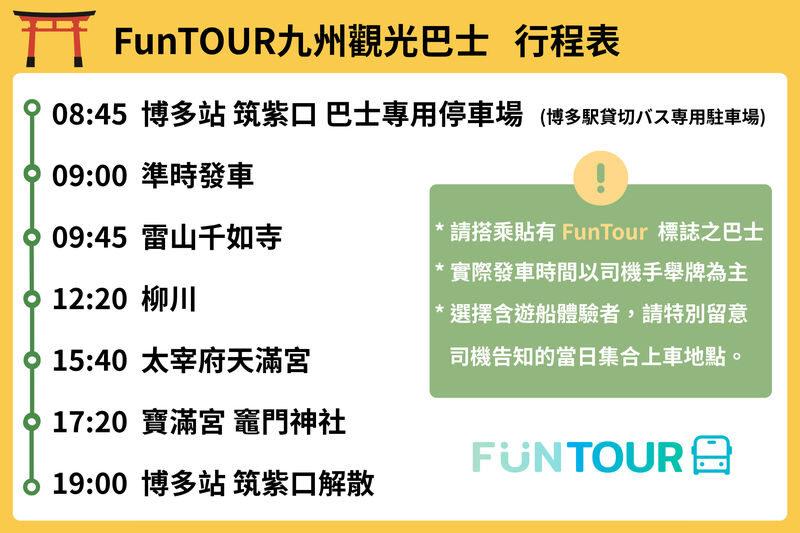
- Coach, commentary, and meeting times
- Is the price good value?
- Who should book this day trip?
- FAQ
- What is included in the tour?
- Is there a tour guide on the bus?
- What languages are used for the commentary?
- How long is the Yanagawa boat ride?
- Does the boatman perform bridge stunts?
- Is there time for lunch in Yanagawa?
- Will I have time to shop at Dazaifu?
- What is the tour price?
- Can I cancel and get a refund?
- More Tours in Itoshima
- More Tour Reviews in Itoshima
- Not for you? Here's more nearby things to do in Itoshima we have reviewed
At a glance
 1 / 10
 2 / 10
 3 / 10
 4 / 10
 5 / 10
 6 / 10
 7 / 10
 8 / 10
 9 / 10
 10 / 10
- Four distinct stops: Visit Raizan Sennyoji Temple, Yanagawa, Dazaifu Tenmangu, and Homan-gu Kamado Shrine in one day.
- Yanagawa by boat: The canal cruise is included, but the route and onboard performance can vary with water conditions.
- Independent exploring: The driver gives departure-time reminders, while audio announcements and a mobile site help explain the stops.
- A practical coach day: One vehicle handles the transfers, a welcome convenience when the attractions are spread out.
- Time is the main compromise: A late arrival or slow boat boarding can cut into lunch, shopping, or shrine visits.
- From $34.45: That price can make a multi-stop day good value, especially if you want transport and the cruise arranged together.
A four-stop day, not a guided history tour
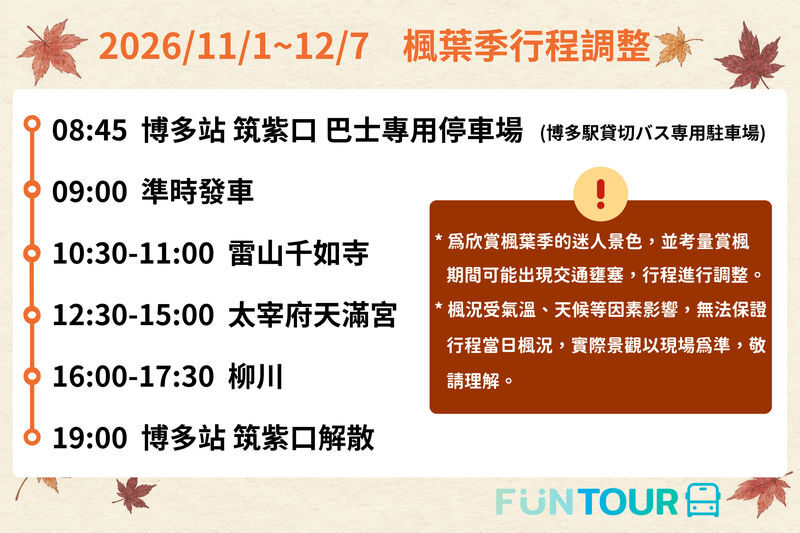
This is best understood as a coach outing with scheduled stops, not a traditional guided tour. The driver handles the route and often makes sure everyone knows when and where to return. Onboard announcements in several languages and a mobile website with text, images, and audio provide some context, but you should not expect a guide to walk beside you at each shrine.
That format suits you if you like to set your own pace. You can choose whether to browse, pray, take photos, or find a snack, then meet the group at the stated time. It is less suitable if you want detailed explanations, help with every question, or someone to find you if you lose your way. Some drivers speak Japanese only, so keep the meeting time and location clear in your mind.
The schedule brings together places with different moods. Raizan Sennyoji is calm and wooded; Yanagawa offers a canal ride; Dazaifu has a prominent shrine and a busy approach street; Kamado Shrine adds a green, quieter final stop. The variety is the point, though it also means that none of these places gets an unhurried, full-day visit.
You can also read our reviews of more tours and experiences in Itoshima.
Raizan Sennyoji: a quiet start among old trees
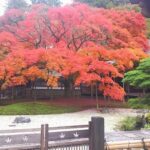
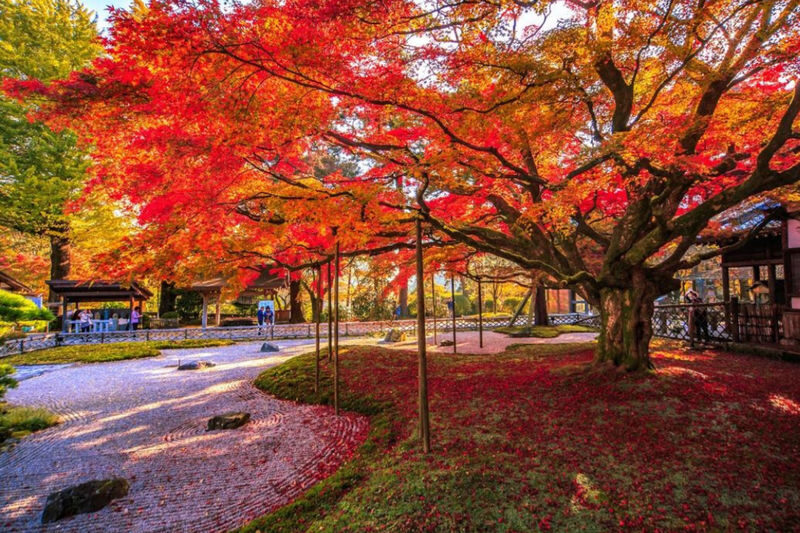
Raizan Sennyoji Temple is often the first stop, and its calm setting can be a welcome change from the coach ride. The temple grounds include a Japanese garden and very old trees, with an atmosphere that invites a slow walk rather than a quick checklist. If you like temple architecture, seasonal color, and a little quiet, this may be your favorite stop.
The visit is not only about a famous building or a long list of sights. It is a chance to pause, look closely, and enjoy the stillness before the busier parts of the day. Some people find the stop too short, especially after a long drive. I would use the time deliberately: take in the garden and trees first, then browse any open temple shop or amulet counter if that interests you.
The coach ride to this area can take a while, so the stop’s value depends partly on your appetite for a peaceful temple visit. It may not suit you if you prefer a packed shopping street or a major landmark at every stop. But as a contrast to Dazaifu, it gives the day a gentler opening.
Yanagawa: a canal ride with conditions attached
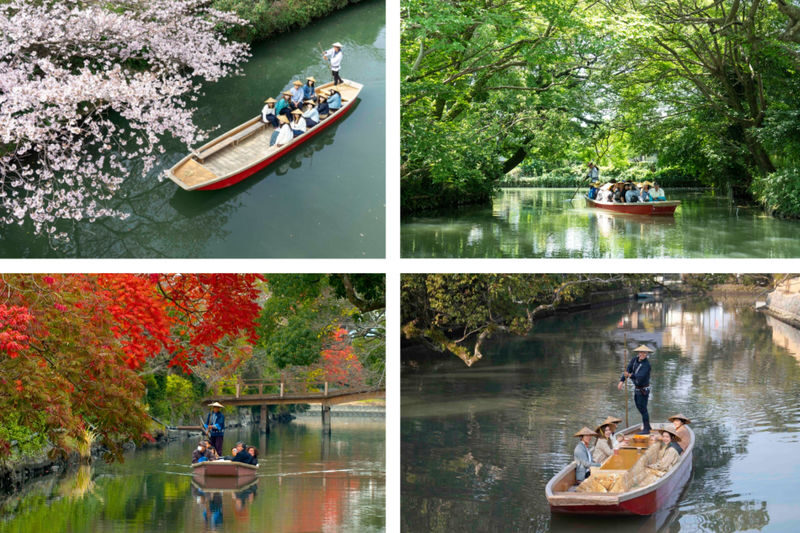
Yanagawa’s canals are the tour’s most distinctive experience. The flat-bottomed boat moves at an easy pace through the waterways, and the boatman may narrate local sights in Japanese, sing, or do both. The combination of water, low bridges, and unhurried movement gives you a glimpse of a slower side of town.
Set your expectations carefully. The classic image of a boatman ducking under a bridge or climbing onto it is not guaranteed. Water levels can affect what the crew can do, and some rides omit those stunts. The length and feel of the cruise can also vary. For some, the singing and gentle ride are the pleasure; if you are expecting a dramatic show, you may be disappointed.
Conditions matter on the boat. A summer ride can mean direct sun, and some boats have little or no shade. Bring sun protection and water, particularly on a hot day. In warmer weather, the boat company has sometimes provided straw hats, fans, cool wipes, or ice packs, but do not assume those will be available every time.
There can also be a wait before boarding. The handoff from coach to boat may not feel obvious at first, so listen for instructions and stay with the group until the boat operator takes over. A delayed departure can eat into the time left for lunch and exploring.
Lunch in Yanagawa: plan for a short window
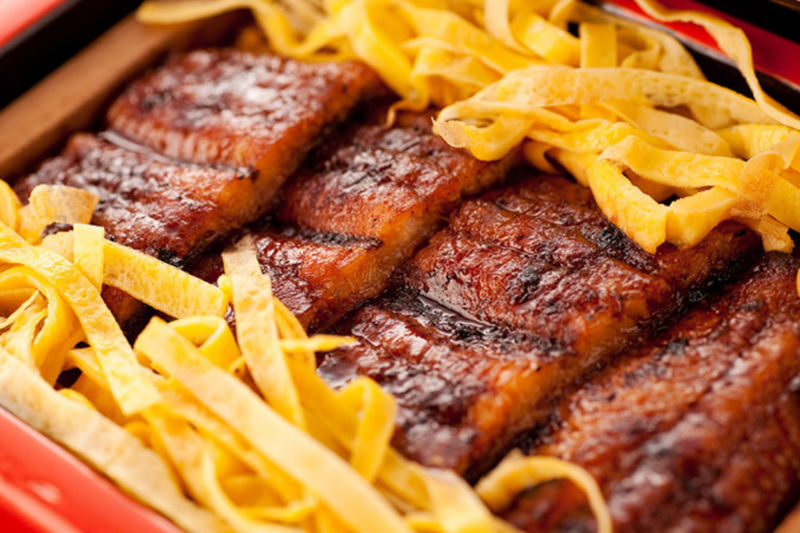
Yanagawa is known for eel rice, and trying it here is an appealing way to connect lunch with the town. The catch is timing. The cruise and transfers can leave you with a limited meal break, and not every nearby restaurant may be open for lunch. Some places have limited capacity, too.
If eel is a priority, decide in advance which restaurant you want to try and check its opening hours before the day. Keep a quicker backup in mind, such as a take-away snack or eel rice balls. One useful strategy is to save some of your browsing and eating for Dazaifu, where the approach street has more snack options, though a late arrival can mean shops have closed.
I would not count on a long, leisurely Yanagawa lunch. Treat the free time as a practical break and be ready to adjust. This is one part of the itinerary where a small delay can make a noticeable difference.
Dazaifu Tenmangu: shrine visit and shopping street
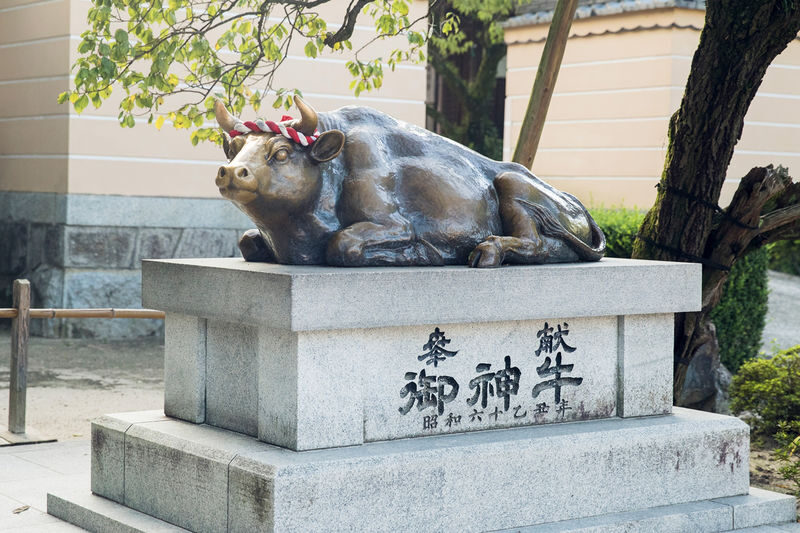
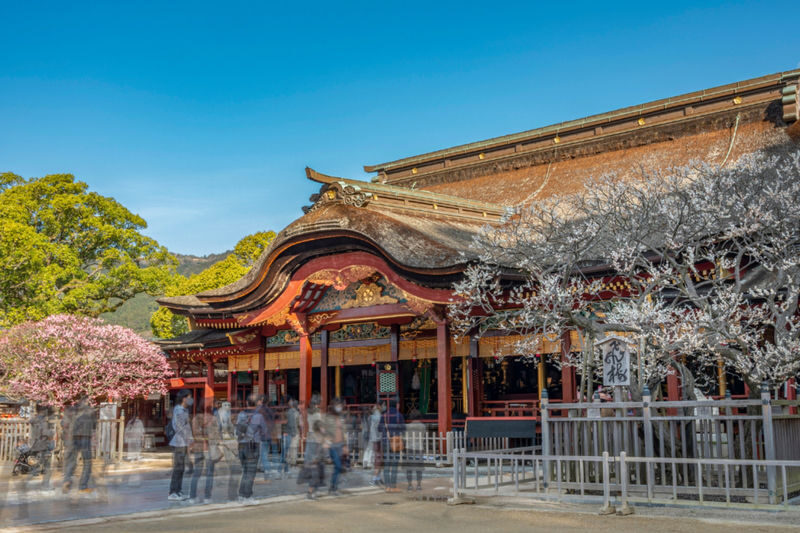
Dazaifu Tenmangu is the day’s best stop for combining a major shrine visit with food and browsing. The shrine is associated with learning, while the approach street offers local sweets and other snacks. Umegae mochi, a grilled rice cake, is a classic treat to look for. You may also find cafes and quick meals along the way.
There is plenty to see, which makes the allotted time feel short for anyone who likes to read shrine details or browse every shop. A traffic delay can make the stop shorter still. Arriving late in the afternoon may mean many shops are already closed. If the shopping street matters to you, keep an eye on the schedule and make it a priority rather than assuming you can return to it later.
The shrine itself remains worthwhile even if you arrive after the shops begin closing. You can focus on the grounds, see the main approach, and make a quick stop for a snack if something is still open. Construction or renovation can affect what you see at the shrine, so the appearance may differ from older photos.
Homan-gu Kamado Shrine: a green final stop
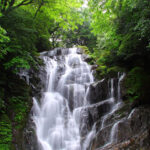
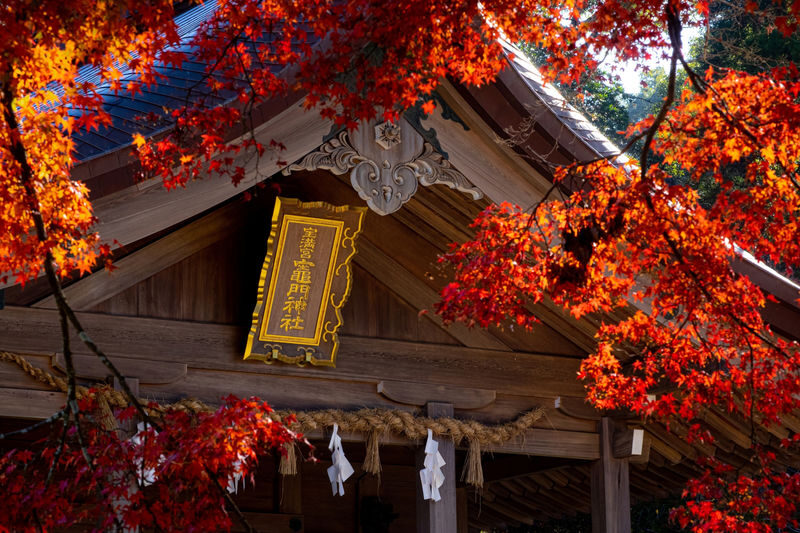
Homan-gu Kamado Shrine provides a different mood from Dazaifu. Set among trees, it is a peaceful place to look around, and its appearance changes with the season. Cherry blossoms can be a lovely bonus in spring, but their timing is never something to bank on. In the late afternoon, the light can be beautiful; the compromise is that shops and other facilities may be closing.
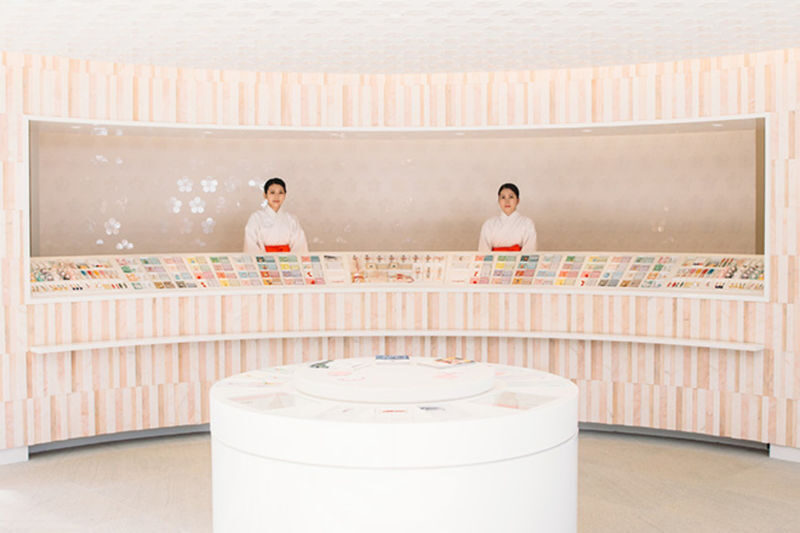
Some people visit Kamado Shrine because it is associated with the popular Demon Slayer series, while others come for its setting and shrine atmosphere. If you are interested in amulets, this is one of several stops where you may find them. The tour’s timing can make the visit feel brief, so choose what you want to see soon after you arrive.
This final stop rounds out the day rather than serving as a major shopping break. If you prefer more time at Dazaifu or Yanagawa, the number of stops may feel like too much. If you enjoy seeing several different sites in one outing, the contrast is part of the appeal.
Coach, commentary, and meeting times
The coach is the practical backbone of the tour. Instead of arranging separate train, bus, and boat connections, you ride between the stops and can rest during the longer drives. The vehicle has been described as comfortable and clean, and steady driving is frequently appreciated. That matters on a full day, when comfort between sights is part of the experience.
Expect reminders about the next departure time, sometimes displayed on a sign as you get off. The system is straightforward once you know what to watch for, but finding the correct coach at a crowded meeting point can be stressful. Check the meeting instructions carefully, confirm the bus or staff member before boarding, and take a photo of the meeting location if that will help you recognize it later.
The audio commentary and mobile site offer useful background, but they are not a substitute for a live guide. If you want to ask detailed questions about a temple or local custom, this format may leave you wanting more. If you prefer quiet travel and independence, the lack of a guide may actually be a plus.
Is the price good value?
At $34.45 and up, the tour can be a sensible buy if you value transport between several scattered stops and want the Yanagawa boat ride included. The cost is easier to justify when you would otherwise spend time organizing multiple connections and comparing boat options. You also get a full day of varied sights without needing to navigate each transfer yourself.
Value depends on what you expect from the day. This is not a private tour, a deep guided visit, or a guaranteed performance on the river. You are paying for a planned route, coach transfers, and the cruise, while much of the time at the sights is your own. If you would rather spend several hours at Dazaifu or take a longer, independently arranged cruise, a narrower plan may suit you better.
The tour has instant confirmation and free cancellation if you cancel at least 24 hours before the activity date, using the destination’s local time. That provides some flexibility when your plans are not fixed, but check the full booking terms before purchasing.
Who should book this day trip?
I would recommend this tour if you are based in Fukuoka and want a simple way to see several well-known places in one day. It is especially useful for a first visit, for families who would rather avoid repeated transfers, and for anyone who likes independent exploring but appreciates having the transport arranged.
Think twice if you need a live guide, want long visits at every stop, or are set on a leisurely eel lunch in Yanagawa. The schedule can tighten if traffic or boat boarding runs late. For the best day, keep your plans flexible, bring sun protection, and choose one priority at each stop.
Book it for the mix: an old temple, a canal ride, Dazaifu’s shrine and food stalls, and a wooded shrine at the end. Skip it if your idea of a good day is lingering over every detail. This outing covers ground well, but it asks you to keep moving.
Dazaifu Tenmangu & Yanagawa Full-Day Boat Tour
“The driver was very friendly and reminded everyone of the departure time at every stop. Fortunately, all the tour members were well-behaved and nob…”
FAQ
What is included in the tour?
The package is a full-day coach tour to Raizan Sennyoji Temple, Yanagawa, Dazaifu Tenmangu, and Homan-gu Kamado Shrine, with a Yanagawa river cruise included.
Is there a tour guide on the bus?
The tour does not consistently have a live tour guide. Drivers handle departure reminders, and commentary may be provided through multilingual bus announcements or a mobile website.
What languages are used for the commentary?
The bus may play multilingual announcements, and the mobile site includes text, photos, and audio. Some drivers speak Japanese only, so do not rely on being able to ask the driver questions in another language.
How long is the Yanagawa boat ride?
A specific cruise duration is not provided. The experience can vary, and waits to board may reduce the time available for lunch and exploring.
Does the boatman perform bridge stunts?
Not always. Water levels can affect the route and activities, so ducking under bridges or climbing onto them is not guaranteed. Boatmen may explain the sights or sing.
Is there time for lunch in Yanagawa?
There is free time after the boat ride, but the break can feel short, especially if boarding is delayed. Restaurant hours and availability vary, so planning a quick meal or backup snack is sensible.
Will I have time to shop at Dazaifu?
There is time to visit Dazaifu, but the amount depends on the schedule and any delays. If you arrive late, many shops may already be closed.
What is the tour price?
The listed starting price is $34.45. The final price may depend on the booking details.
Can I cancel and get a refund?
Yes. Free cancellation is offered if you cancel at least 24 hours before the activity date, using the destination’s local time.